Part 1:
Surface I observed in my home:
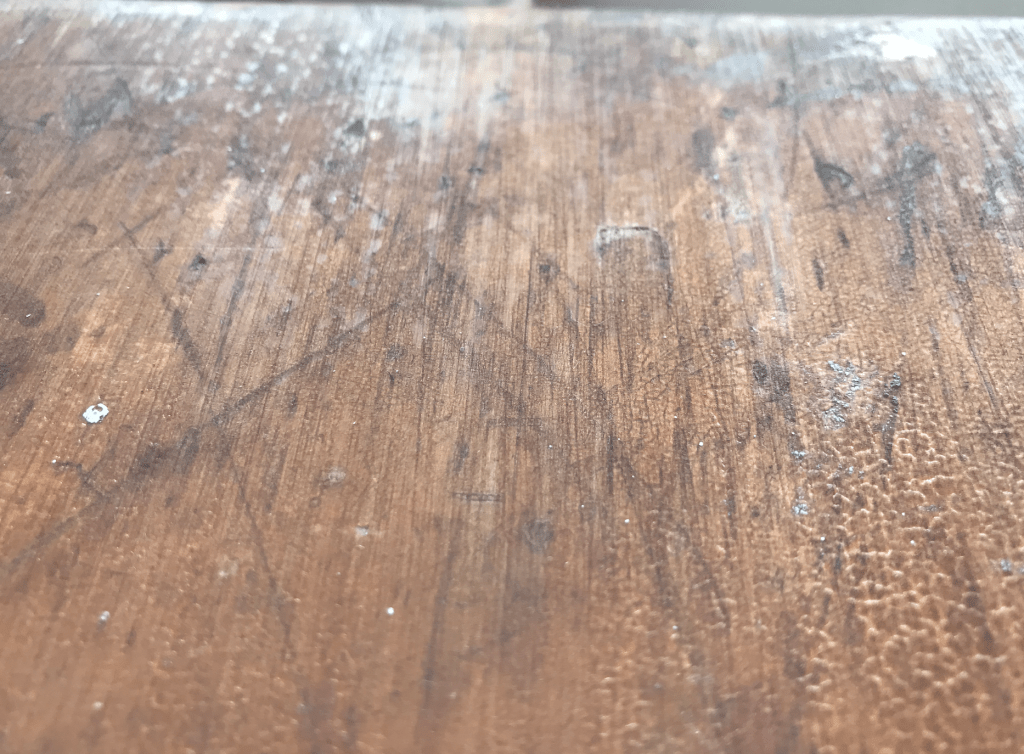
Surface of my desk 
A rubbing of the deteriorated varnish
You can see the different stages of the varnish deterioration. This contrasts the consistency of the wood grain with the sporadic, random cracks in the varnish.
The contrasting relationship of matte vs sheen with the different areas of varnish deterioration. Horizontal light vs vertical light allows these varnish patterns and sheen appear and disappear.
This surface has layers of texture. Wood grain, varnish, scratches, marks, indents, holes, dirt, paint platter making for a very detailed surface.
Group activity:
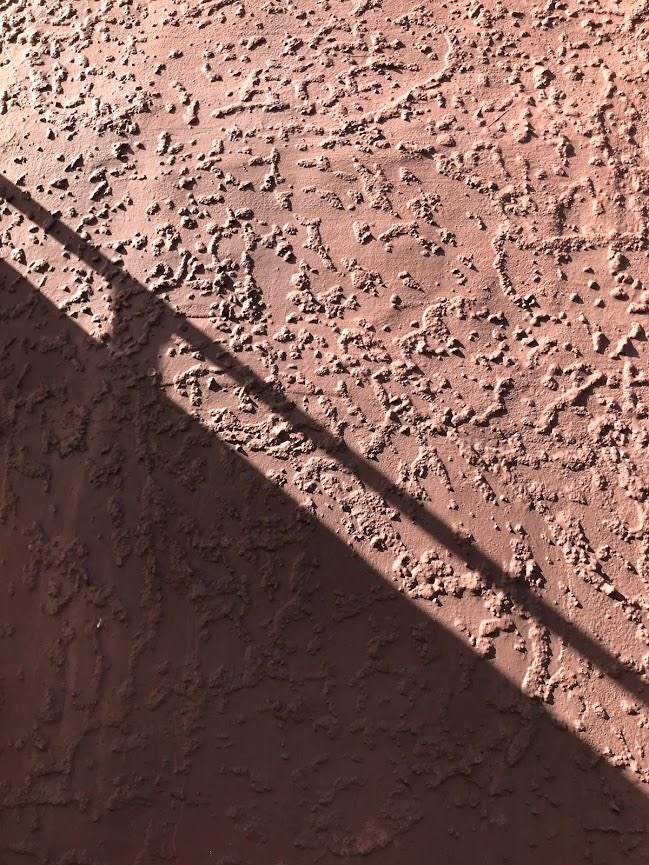
Angel’s Surface 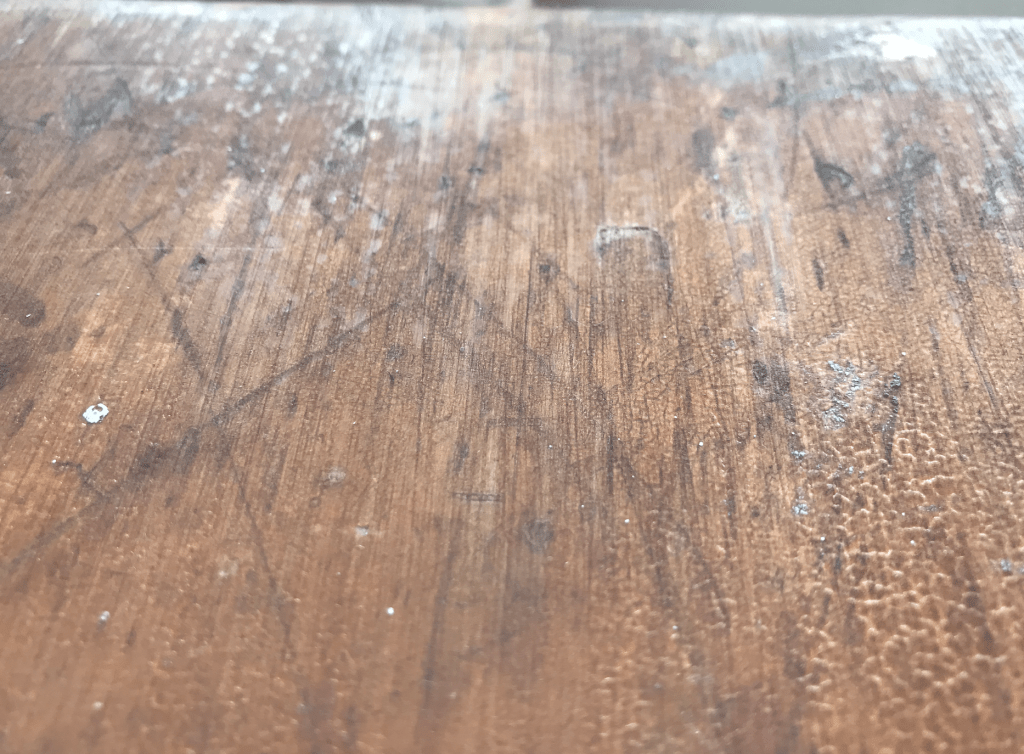
My surface


I found just how much light comes into play when thinking about interesting surfaces. Light and shadow bring a surface to life and create depth even when the surface is flat.
Making:
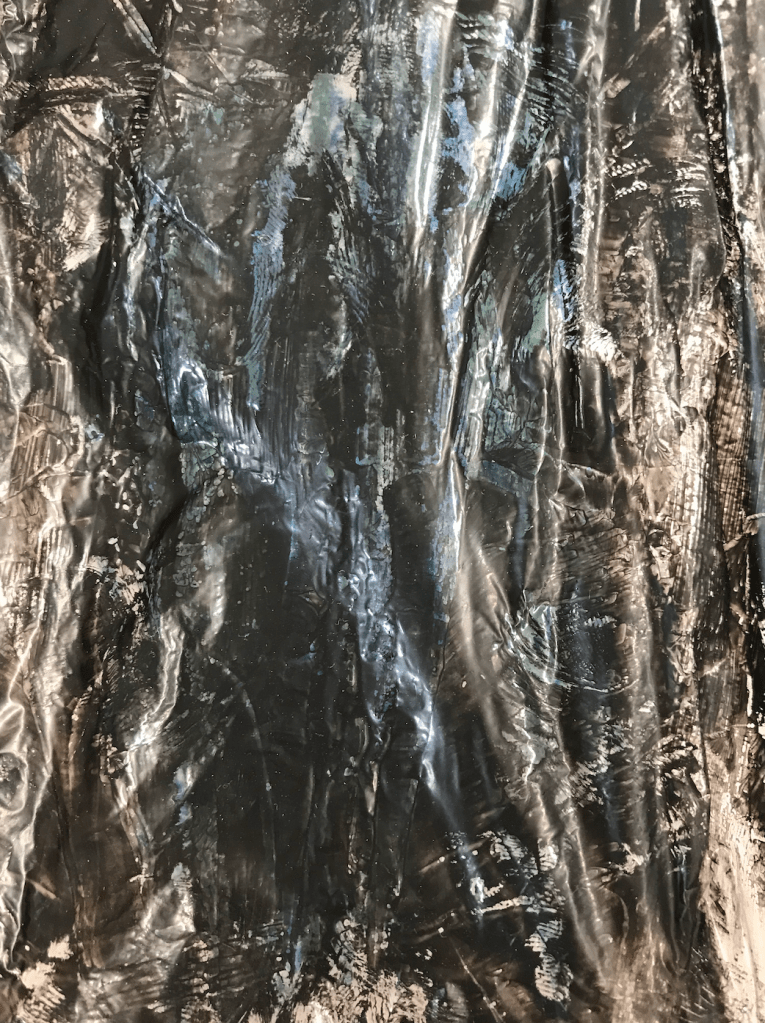
Trial 1 Surface 1 
Trial 1 Surface 2 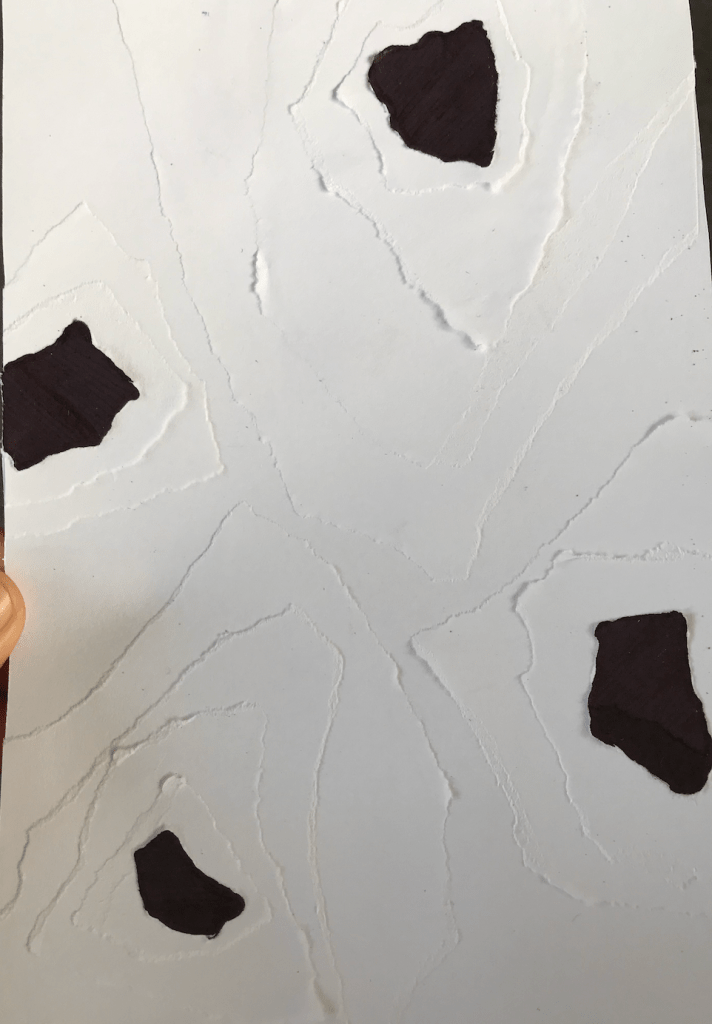
Trial 1 Surface 3
I found that layering was a very effective tool when trying to translate texture and depth. Interesting surfaces seem to have multiple layers and the longer you look at them the more layers, texture and detail emerge so i attempted to create that same depth through layering with my surfaces. If I was to develop these surfaces deeper I would experiment with more layering with different materials.
Part 2:
Produce a second series of surface designs based on your analysis of the temporality, movement, materiality, atmospheric affects, of the creative work you have studied.
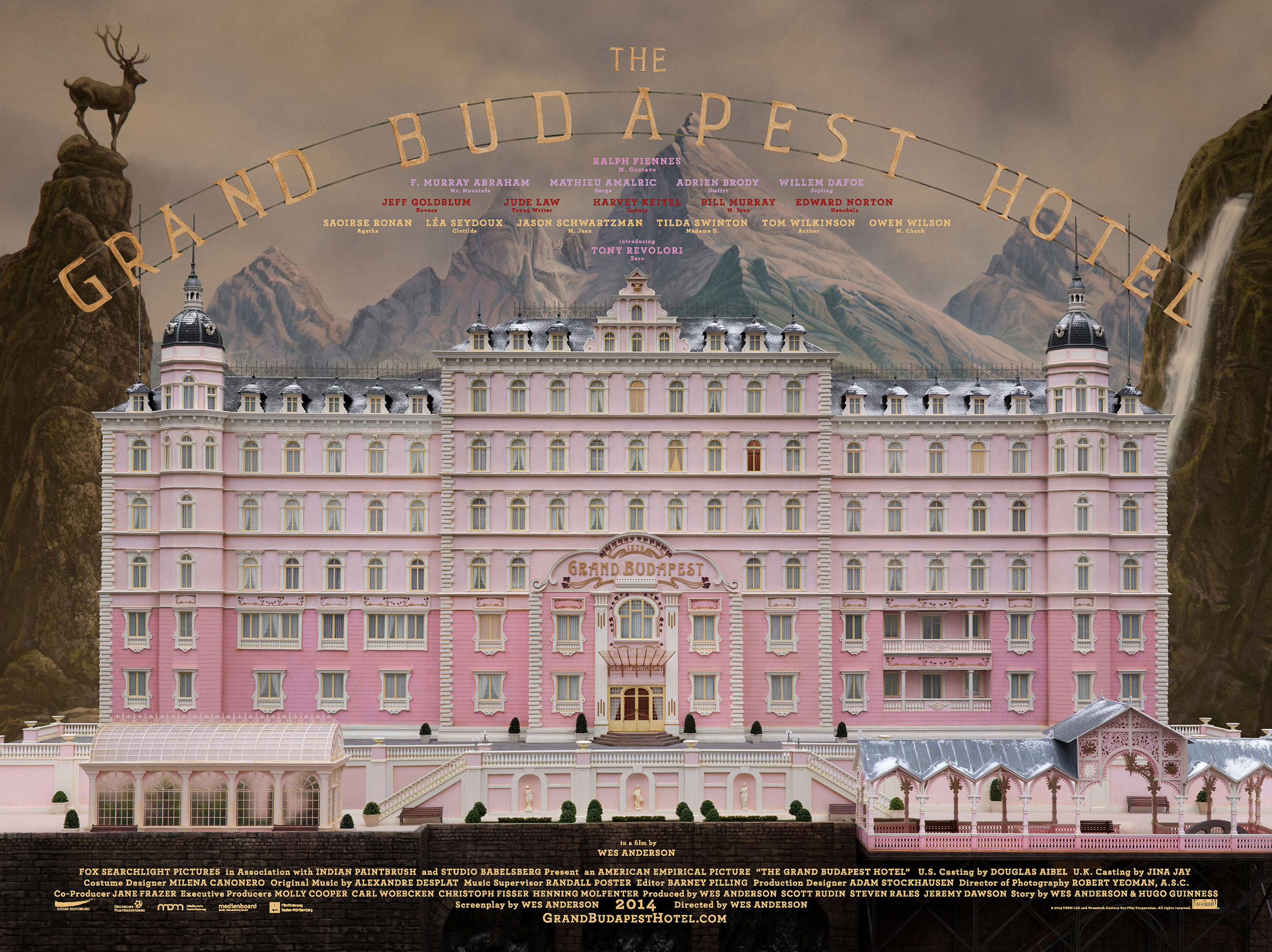
I was drawing on my artist model Wes Andersons Grand Budapest Hotel to influence my surface designs.
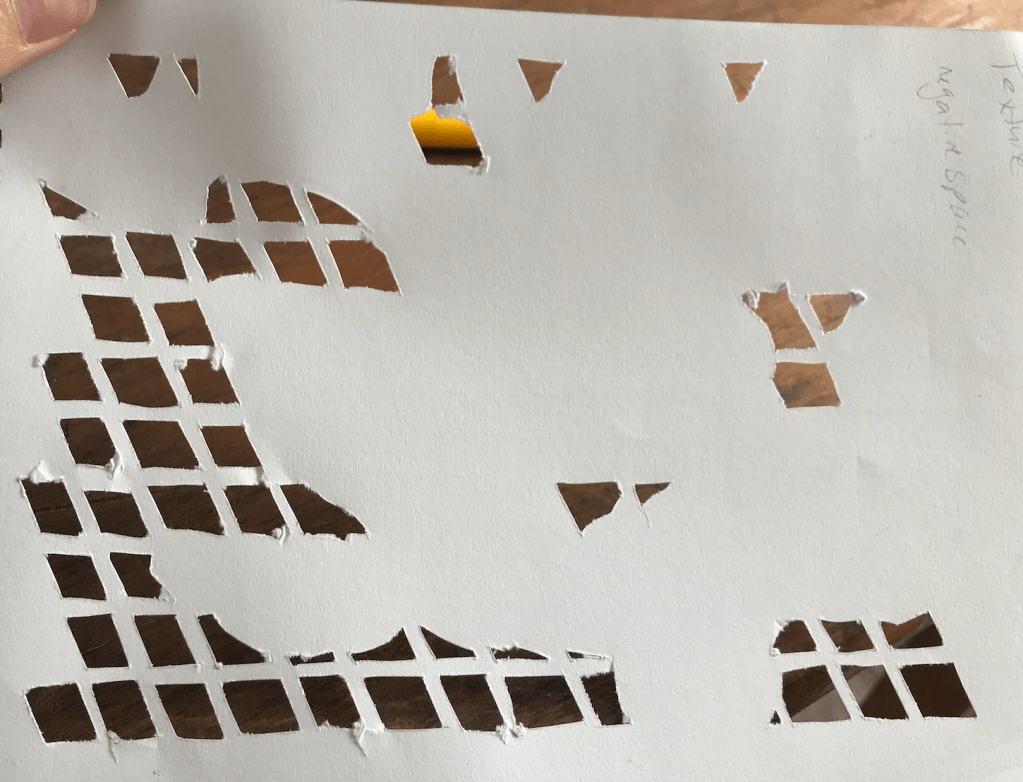
Trial 2 Surface 1 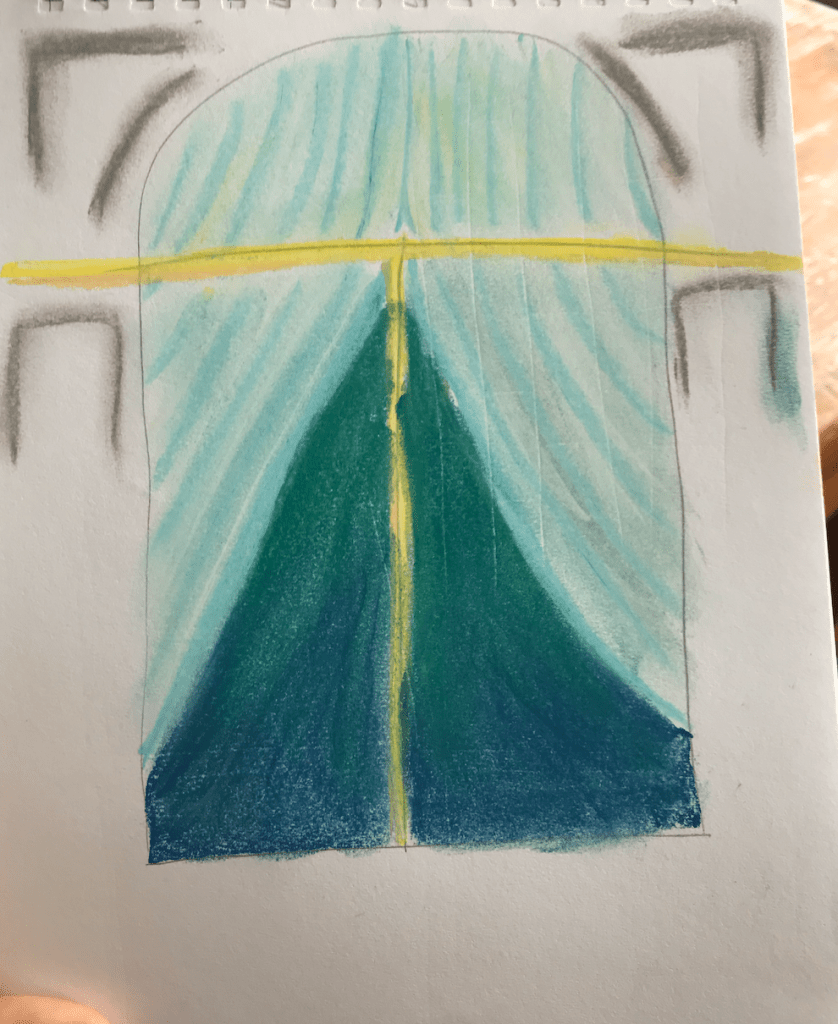
Trial 2 Surface 2 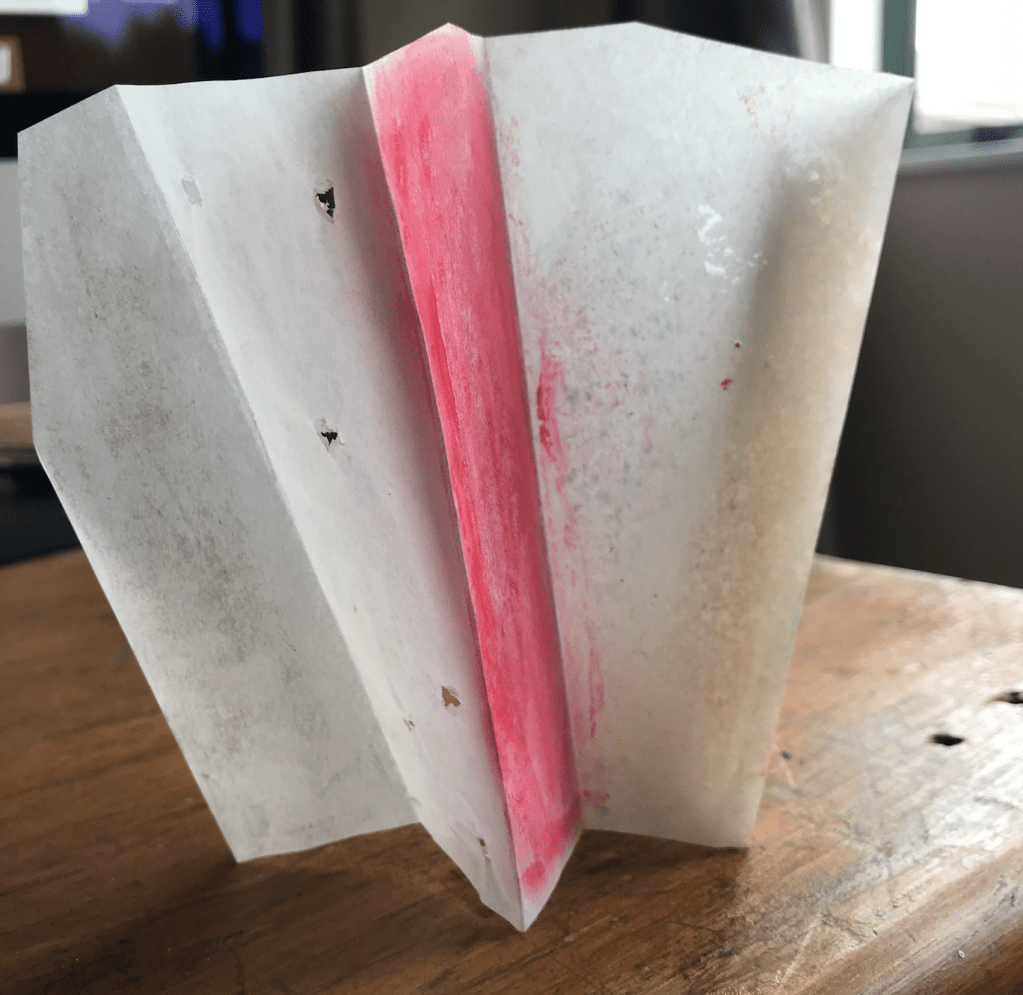
Trial 2 Surface 3
In my first surface I drew on the snow covered roof and played with negative space to create shapes.
In my second surface I looked at the way shadows were used to create shapes and depth and the way colour changes at different depths.
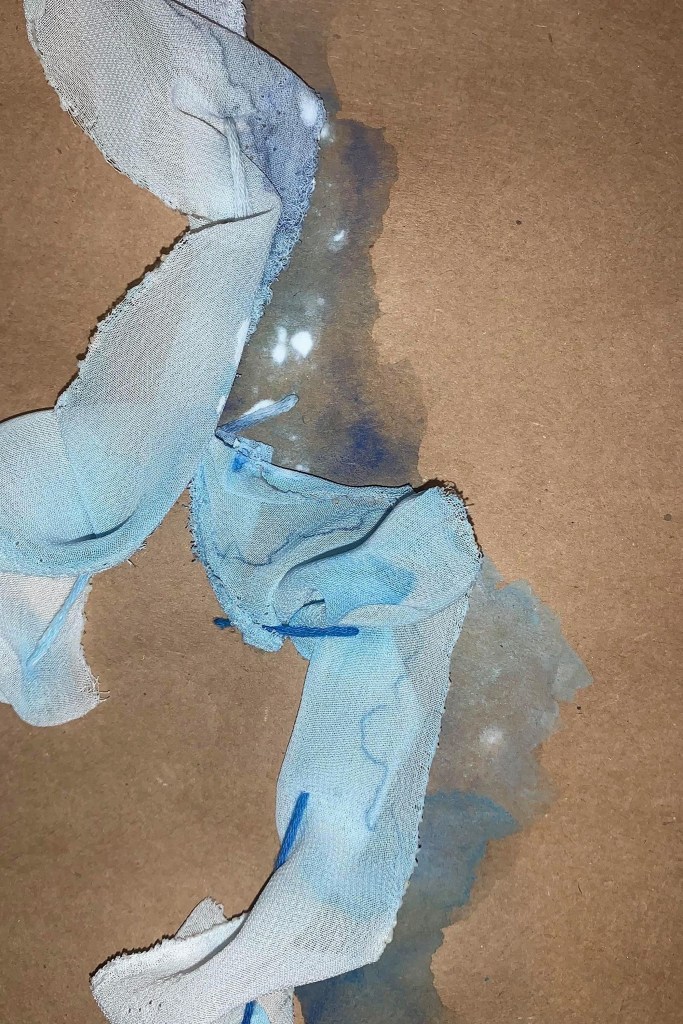
In my third surface I experimented with colour reflecting on other surfaces using butter paper to allow colour to move through the layers.
Group activity: In studio groups make a time to meetup in collaborate chat room and discuss the surfaces you have made.

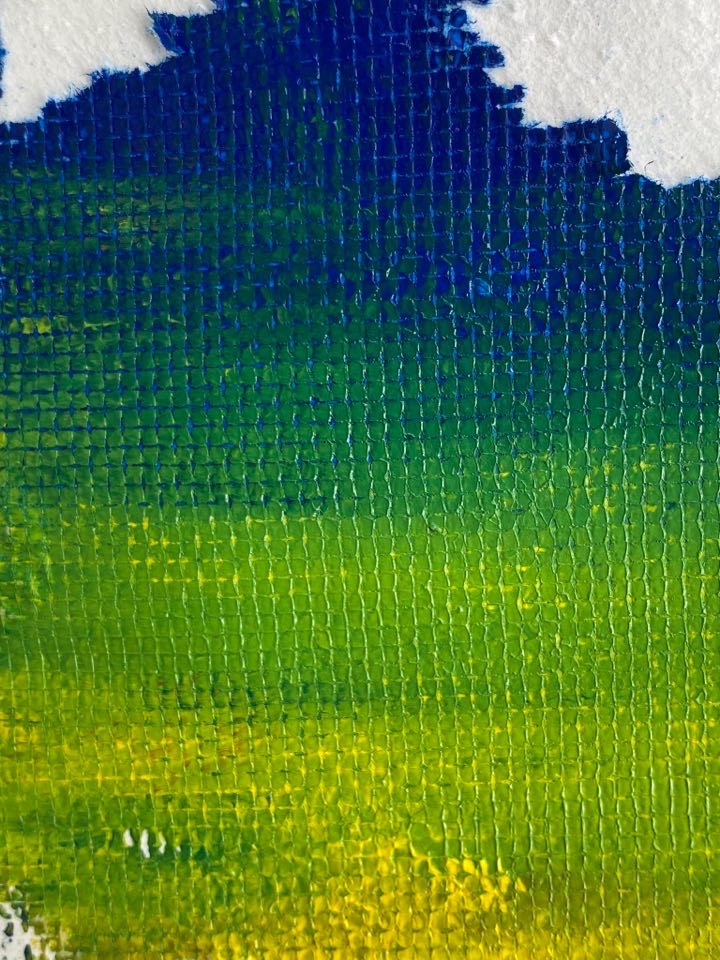
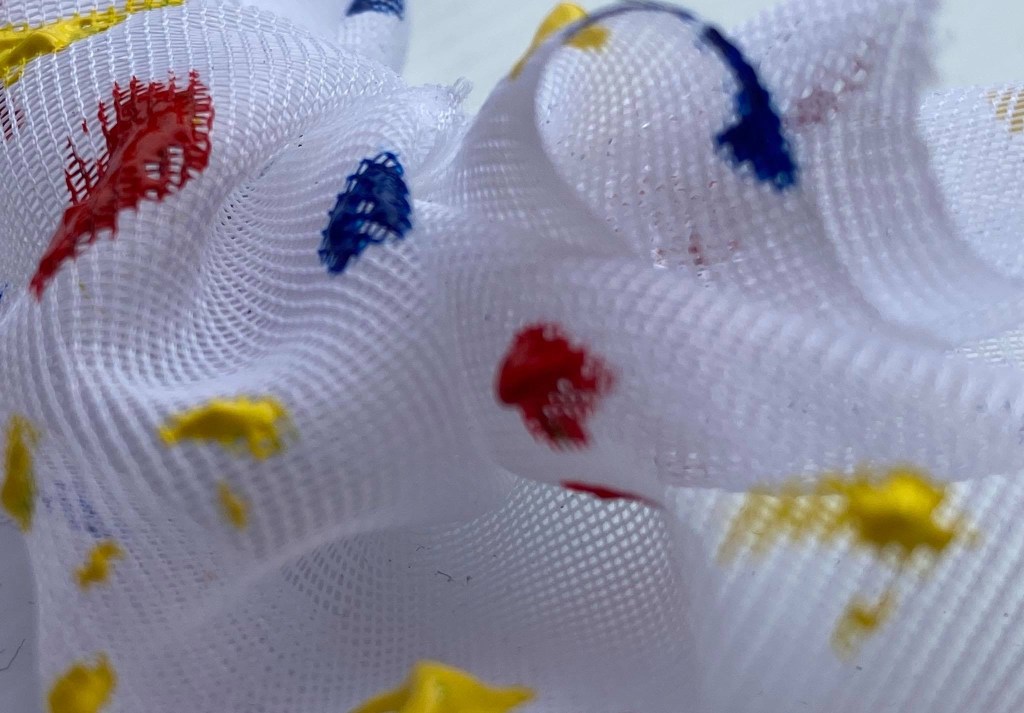

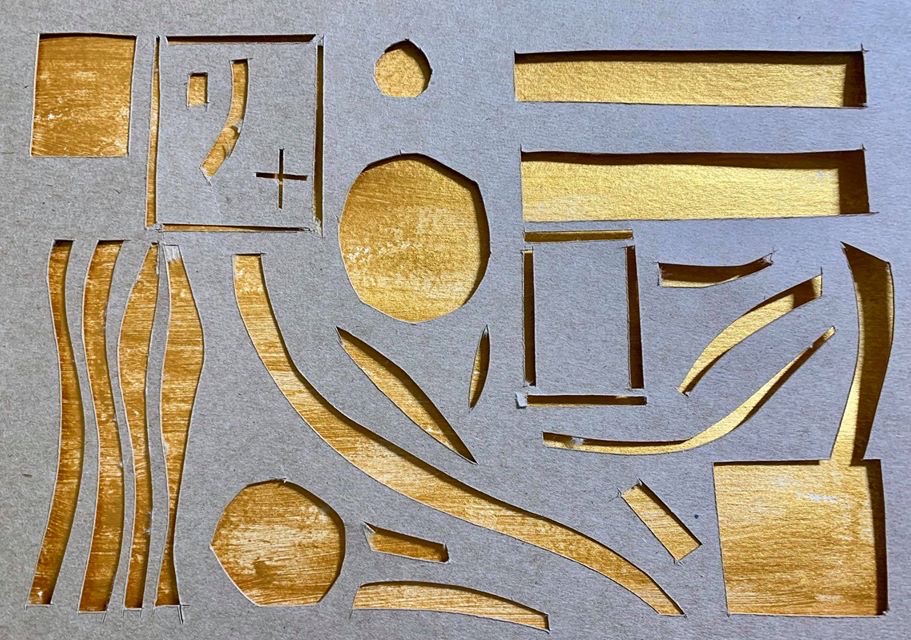

Lighting:
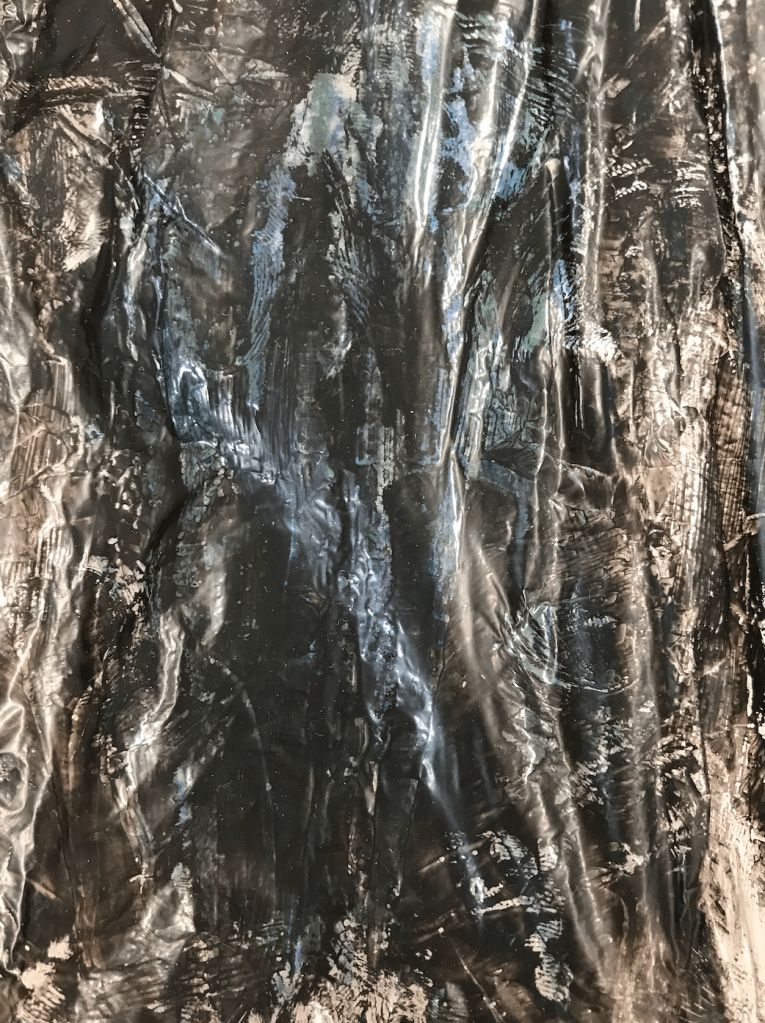
Trial 1 Surface 1 – Direct Sunlight 
Trial 1 Surface 1 – Backlit 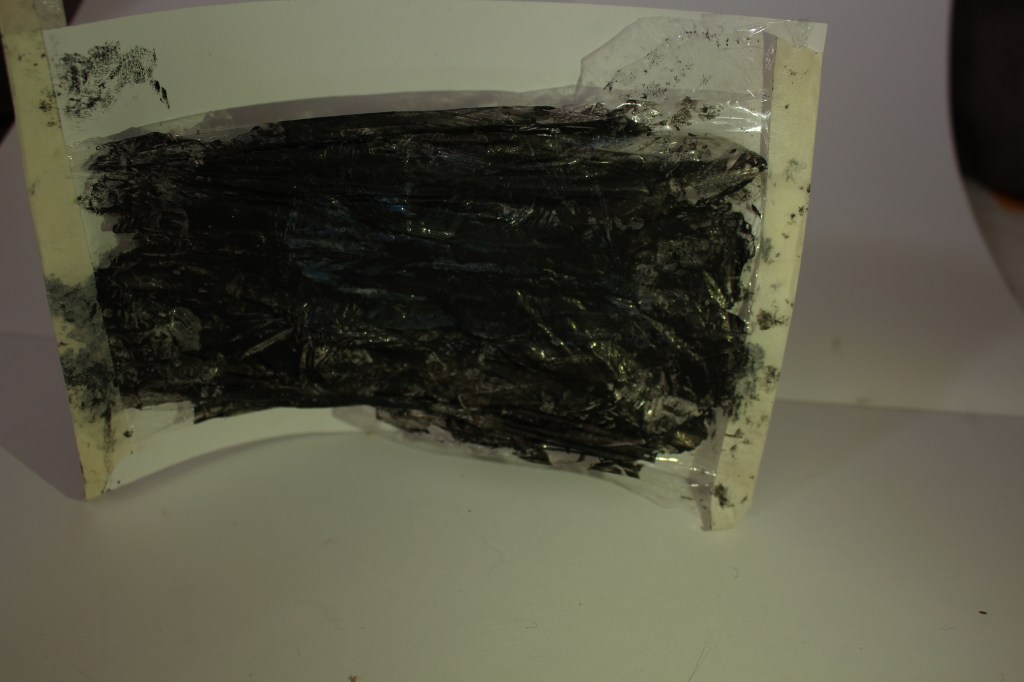
Trial 1 Surface 1 – Side Lit 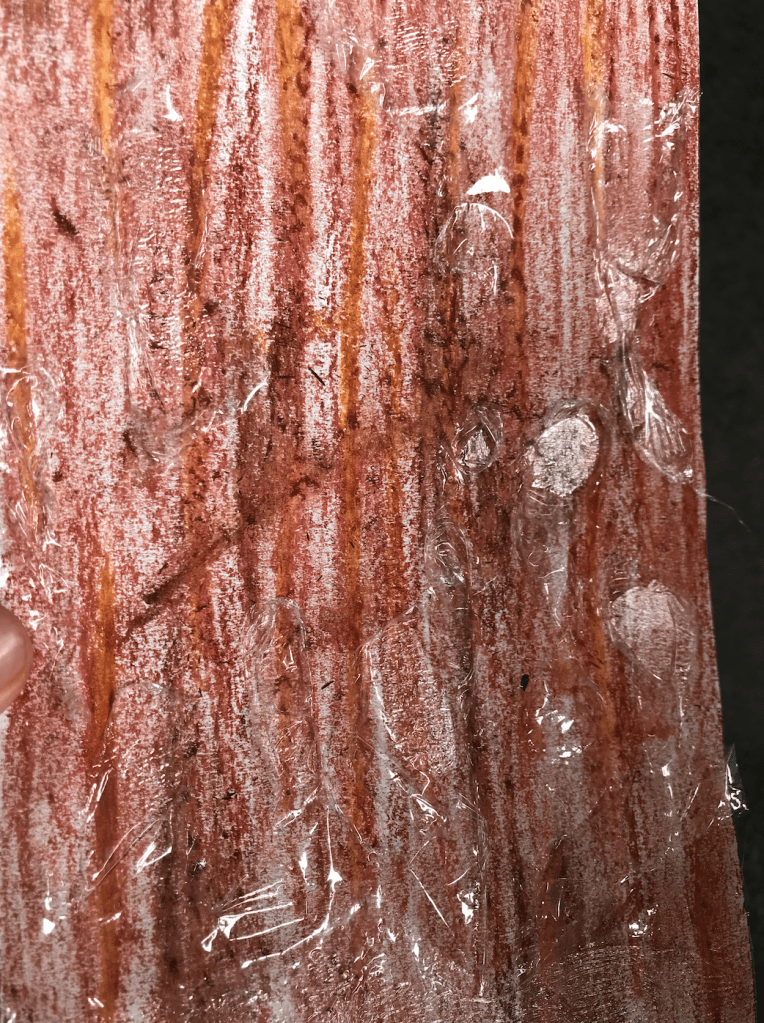
Trial 1 Surface 2 – Direct Sunlight 
Trial 1 Surface 2 – Backlit 
Trial 1 Surface 2 – Side Lit 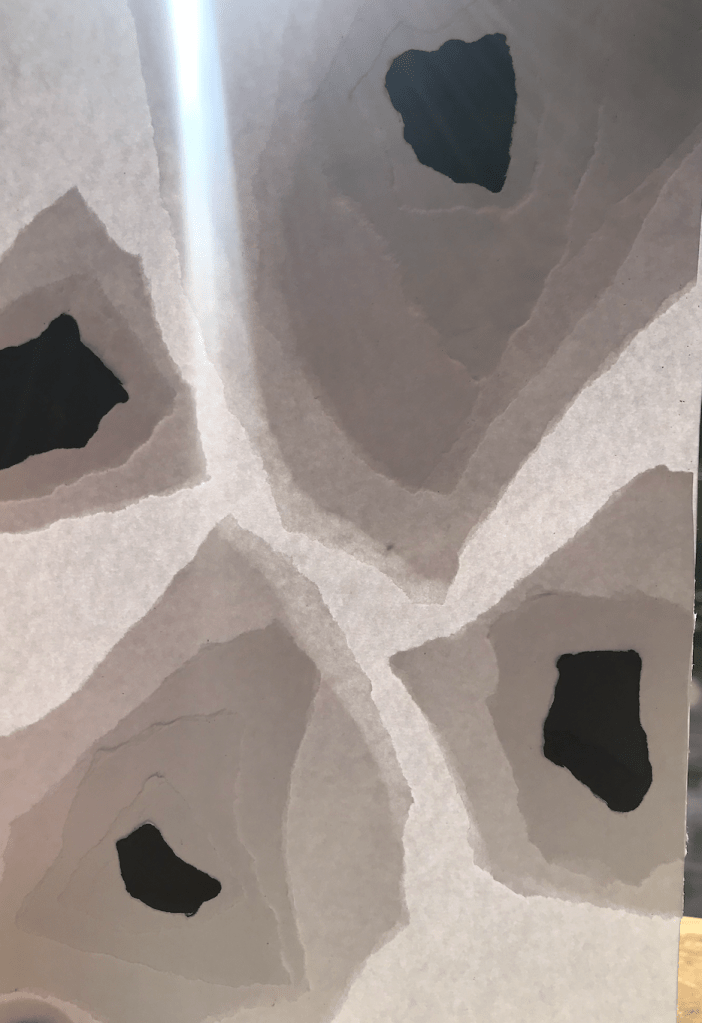
Trial 1 Surface 3 – Backlit 
Trial 1 Surface 3 – Side Lit 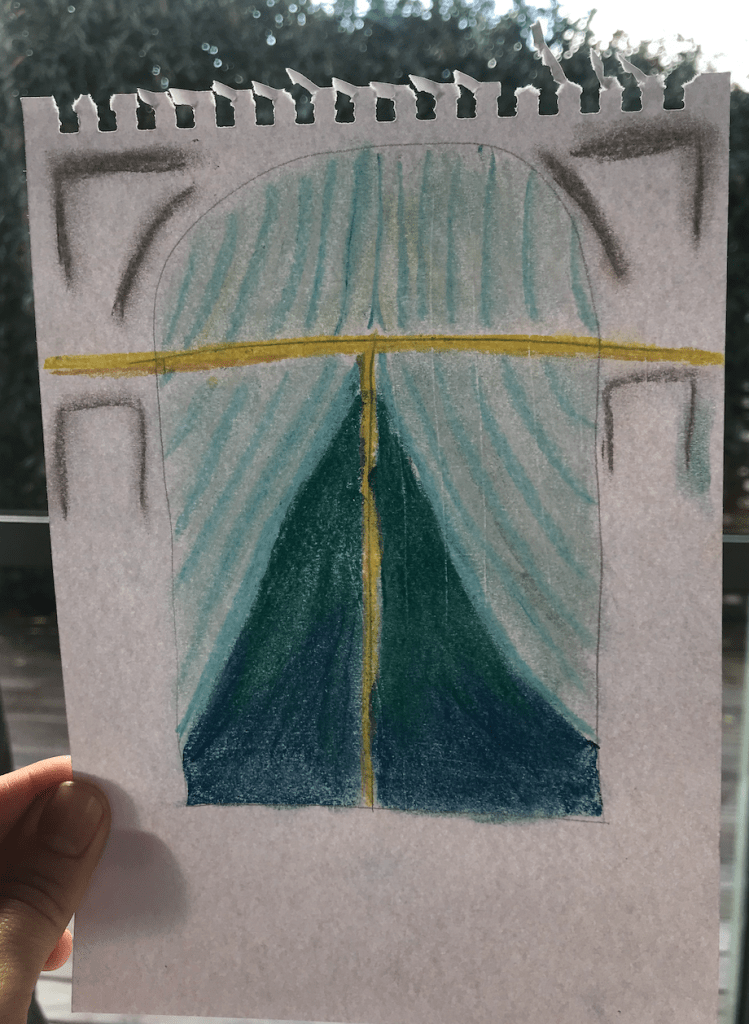
Trial 2 Surface 2 – Backlit 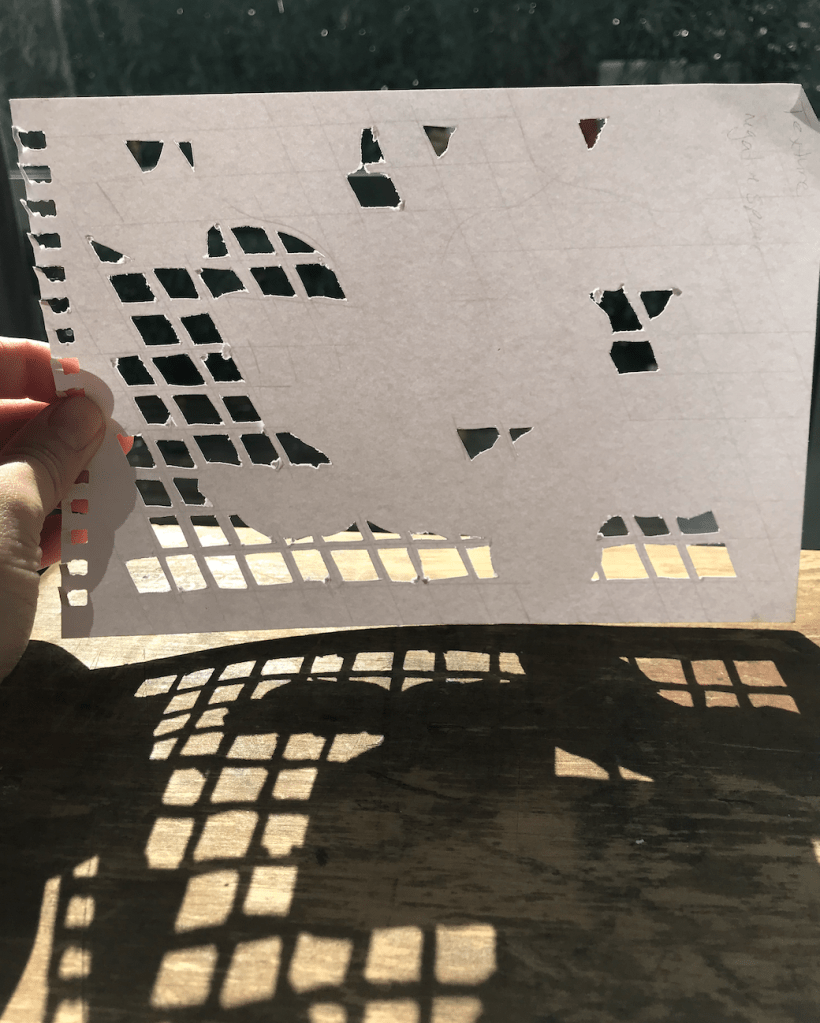
Trial 2 Surface 1 – Backlit 
Trial 2 Surface 1 – Side Lit 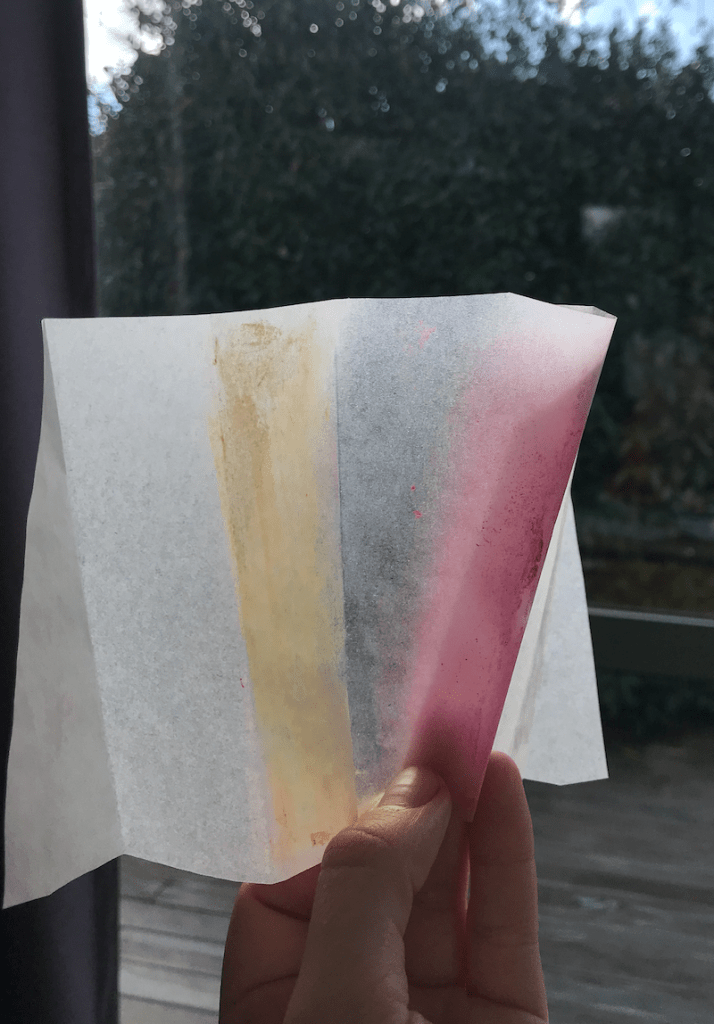
Trial 2 Surface 3 – Backlit 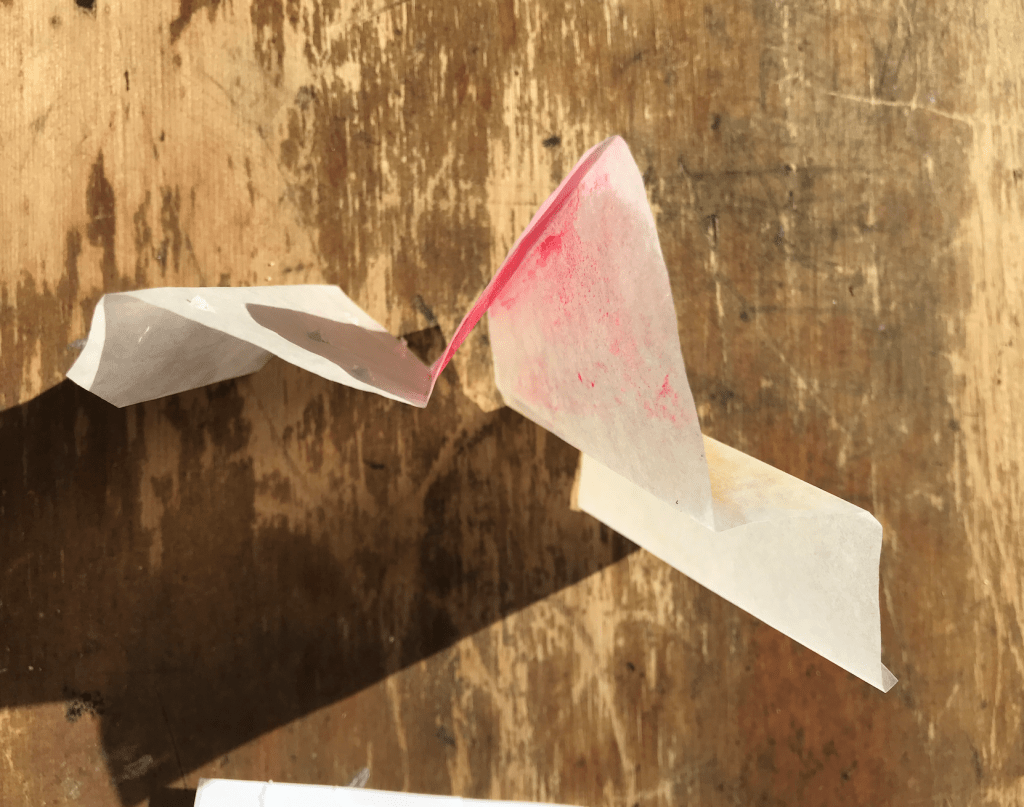
Trial 2 Surface 3 – Direct Sunlight 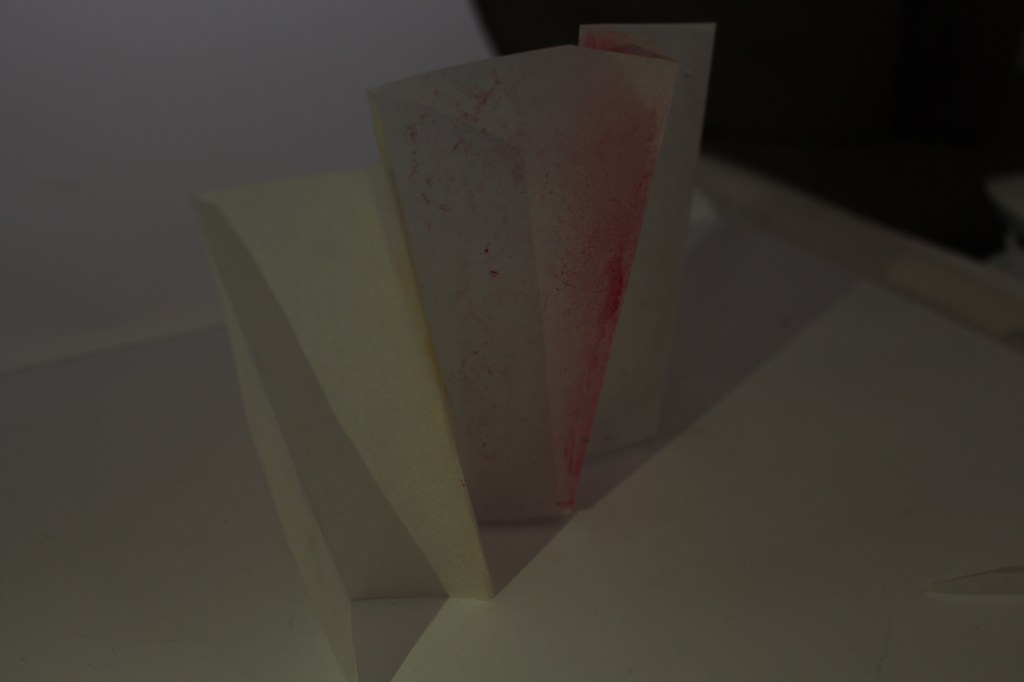
Trial 2 Surface 3 – Side Lit
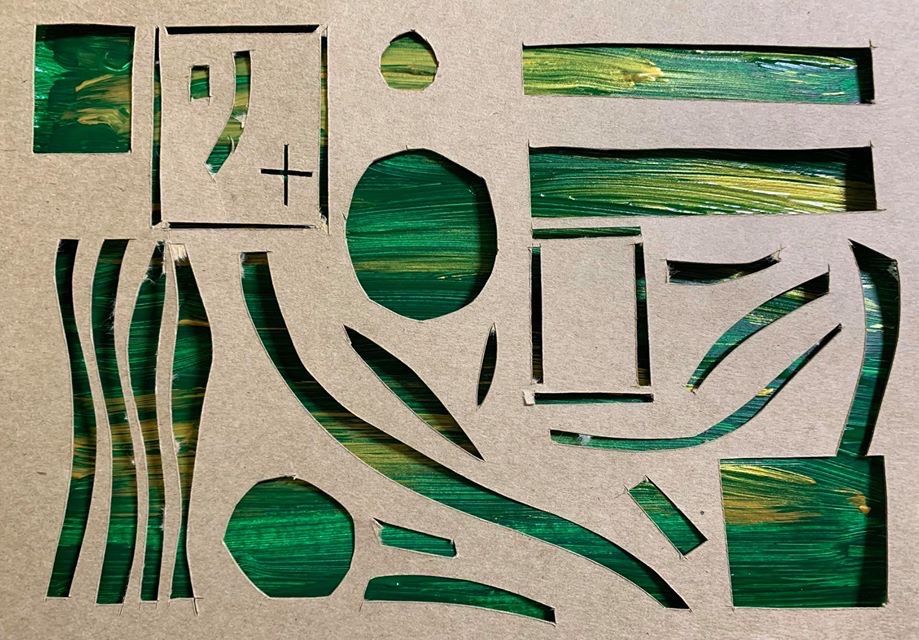
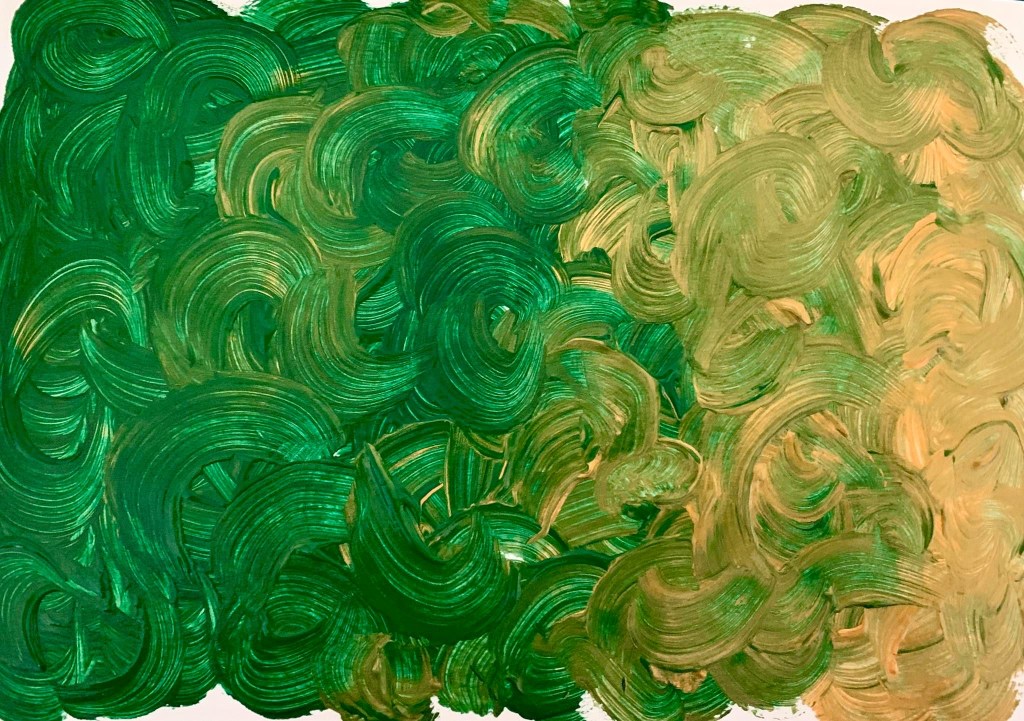
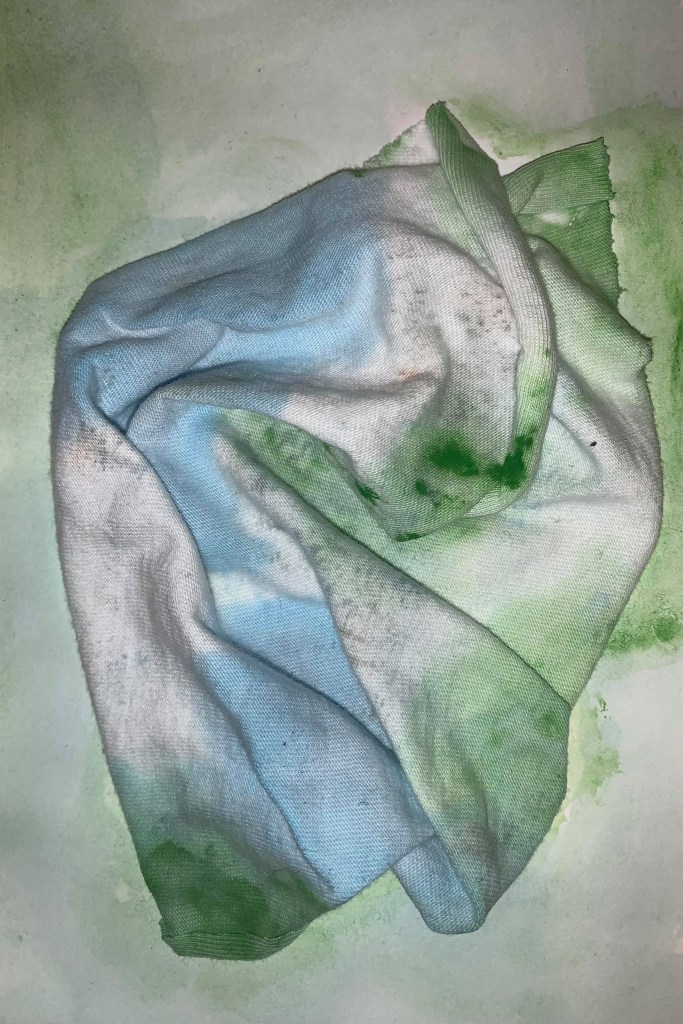
Through this lighting exercise I discovered how much light can affect the surface and can create new shapes or depth depending on how it interacts with the surface. My favourite outcome was Trial 1 Surface 3 – Backlit. Having the light be filtered through the different layers of paper made the surface very dynamic to look at and created a level of depth that isn’t there under other lighting conditions.
 Spatial Fabrication