Monday:
CD Publics // Social Space Case Studies
Lecture from Carl Douglas
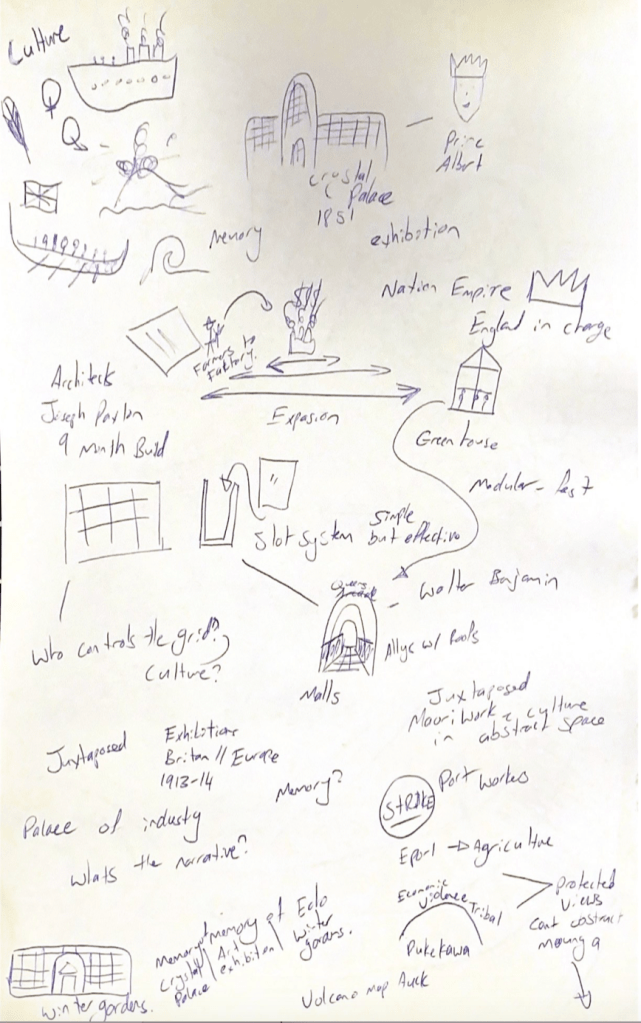
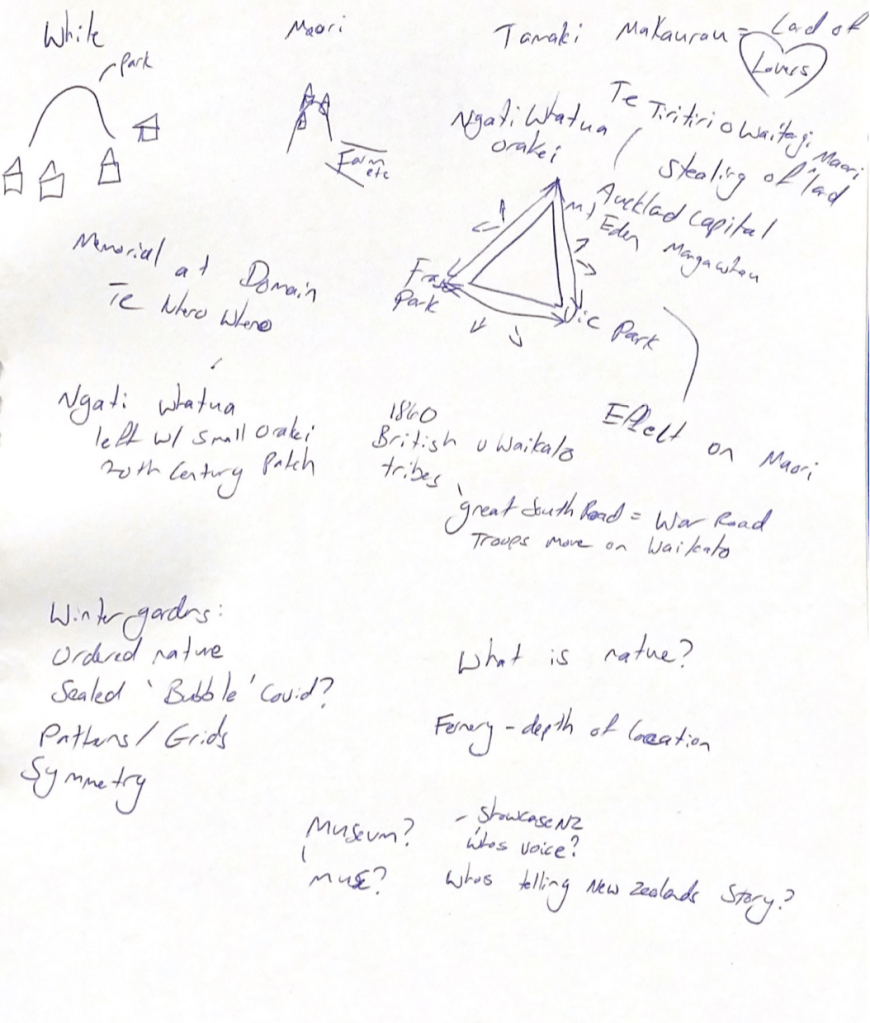
Qs from Power Point:
What ‘grounds’ are these structures built upon (consider the physical nature of the substrate of the
site (e.g. earth, scoria) and the historical, social and cultural grounds these structures are built
upon.
The land was a scoria quarry originally. It then became a site of Auckland Industrial, Agricultural and Mining Exhibition in 1913 – 1914 before the winter gardens were built. Historically Pukekawa was identified by the Māori early on as one of the best sites in the isthmus area, with the north-facing side of the volcanic cone well-suited for growing kumara, while the hill itself was used for storage and as a pā site. The crater swamp meanwhile provided eels and water.
“Pukekawa” is a Māori-language word meaning ‘hill of bitter memories’, and likely refers to various hard-fought tribal battles between the Ngapuhi and the Ngati Whatua iwi.
After the Europeans bought the land from Ngāti Whātua, it was set aside as a public reserve in 1843 by Governor FitzRoy
– https://en.wikipedia.org/wiki/Auckland_Domain

What comes together on these variegated grounds? Plants are cultivated off site in a systematic way
to ensure an optimal floral display for all four seasons of the year. The plants are arranged in the
glasshouses in a deliberate manner using finely honed garden design principles.
One house is heated and shows off lush tropical and heat-loving plants while the other displays temperate plants changing with the seasons. Substantial pergolas link the formal design and host many showy climbers. A wide collection of New Zealand ferns growing in a sunken scoria quarry to the rear completes the Winter Garden complex. – https://www.gardens.org.nz/auckland-gardens/auckland-domain-wintergardens/
Auckland Domain Wintergardens & Fernery
What is a glasshouse? What functions have they served historically? What functions could they
serve moving into the future? What does a glass house do? Does it hold life in suspended
animation/steady state conditions/brings together specimens on the verge of extinction (think of Kew
gardens and the Spaceship Earth project).
‘A glasshouse is a structure with walls and roof mainly made of transparent material, such as glass, in which plants requiring regulated climatic conditions are grown. Glasshouses allow for greater control over the growing environment of plants.’
A glasshouse lets you play god in a sense. It creates a bubble that you control and manipulate as you see fit depending on what you are growing and what you want to see flourish. It allows you to keep exotic plants in a foreign environment healthy and thriving.
Kew Gardens – Kew Gardens is a botanic garden in southwest London that houses the “largest and most diverse botanical and mycological collections in the world”. Founded in 1840, its living collections includes some of the 27,000 taxa curated by Royal Botanic Gardens, Kew, while the herbarium, which is one of the largest in the world, has over 8.5 million preserved plant and fungal specimens. – https://en.wikipedia.org/wiki/Kew_Gardens#:~:text=The%20origins%20of%20Kew%20Gardens,Aiton%20and%20Sir%20Joseph%20Banks.
Spaceship Earth Project – Biosphere 2 (the Earth itself is Biosphere 1, the movie explains) was an experiment designed, at least in part, to explore the possibility of creating a self-sustaining ecosystem for long-term space exploration, surviving climate change or some other disaster that could make Earth uninhabitable. – https://www.azcentral.com/story/entertainment/movies/2020/05/07/spaceship-earth-takes-look-controversial-biosphere-2-project-oracle-arizona/3062312001/
These controlled environments allow space for preserving plants and organisms that would otherwise be wiped out by natures course or by the effects of man made environments. Originally glass houses were for the rich to display their exotic collections and show their wealth but now they have become about preserving nature from becoming extinct in its natural habitat.
What did these glass houses replace? What would a timeline of the history of this site look like?
Would it differ depending upon who constructed it?
Glasshouses replaced traditional gardens. They were more a way of showing off your wealth in a more illustrious way than a garden would.
A time line would start with the smaller glasshouses used on ships to safely transport the plants back to where the explorers came from. https://www.thecultureconcept.com/the-conservatory-crystal-palaces-and-the-climate-revolution
In Groups:
Work in groups to make a list of the contexts you have discovered so far. Identify what aspects of these contexts is of most interest to you. Try to cover each of the following contexts:
• Historical
• Cultural
• Social
• Environmental
• Technological
• Sensorial
• Aural
• Material
Contexts:
There are two main historical contexts on the site. The native maori history of battles between tribes on the land, how they utilised the lay of the land for farming and community set up. And the english settlers who came and imposed their way of life, society and systems onto the land as Auckland city and the domain started to develop into a modern city.
The domain itself has been a scoria quarry, soldier camp ground, maori society, active volcano, battle ground, memorial site, public park.
After the english settlers bought the land off of the Maori tribe, Ngati Whatua, they developed the area into a public park. The Auckland cricket team played all their home matches at the Domain until 1913, when they moved to Eden Park. The Auckland Acclimatisation Society had their gardens in the Domain in 1862; they became the Auckland Botanic Gardens. Parts of the layout still exist north of the band rotunda, including some greenhouses from the 1870s.
Pukekawa was identified by the Māori early on as one of the best sites in the isthmus area, with the north-facing side of the volcanic cone well-suited for growing kumara, while the hill itself was used for storage and as a pā site. The crater swamp meanwhile provided eels and water. – https://en.wikipedia.org/wiki/Auckland_Domain#:~:text=It%20was%20initially%20called%20%22Auckland,turned%20into%20a%20cricket%20field.
- Theres exotic trees mixed with natives across the domain
- Fertile soil as a result of the volcanic activity in the land.
- Greek esk statues in the park
- Curated gardens full of bright flowers.
- Sounds of birds and insects, cars, busses, people chatting, wind.
*Remember to ask why on my 5 key words
Write down some key aims/objectives you hope to achieve:
Making Connections: Reflect on the design work you have produced to date. Can you identify
connections between and across projects? Are there any recurring areas of interest? List down
what theses are. https://www.thecultureconcept.com/the-conservatory-crystal-palaces-and-the-climate-revolution
Things from past projects that interested me:
- Use of soft lines
- Manipulating how people feel
- Constructing social interactions with the space
- Optical illusions
- Creating a new version of reality or the way you perceive it.
What do you need to do next?
Make a mind map using keywords, contexts, and the ‘dinner party’ prompts to help you get a provisional ‘lay of the land’ so you can visualise and share your research and design hunches with others.
- Zoo – a collection of exotic things to be admired
- Sanctuary – a place to escape, to experience something out of the normal
- Synthetic – An unnatural environment created to showcase nature
- Orderly – The winter gardens design is very organised and symmetrical lends itself to the theme of control
- Beautiful – there is magical beauty about the gardens
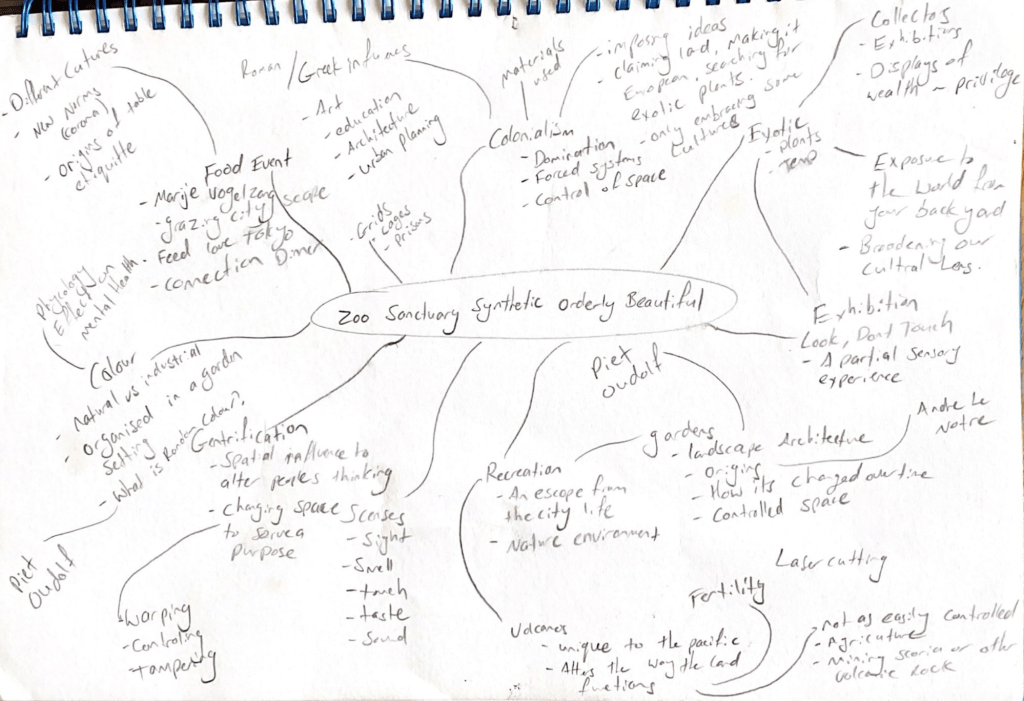
Use this mind map to assist you in creating a first draft of your positioning statement on the Auckland Wintergardens Brief.
This positioning statement should identify your key conceptual and contextual drivers for the project, locate the research that has informed your position on the site and any relevant design precedent that may inform your
design thinking. You should also include a discussion of your methods for practice: these are the tools you intend to use to develop your project and give weight and emphasis to your key concerns.
First Positioning Statement:
For people who want to experience an alternate version of reality, my food event will connect people in a new way and open discussion about what we have accepted as our cultural norms in Auckland New Zealand. So they can consider new ways of eating and connecting and challenge unhelpful cultural norms because not every system in our society is a good one.
Identify the methods you have/are interested in using in the future and how these might relate to aspects of your research (e.g. pinhole photography, screen printing, instrumental drawing (digital and analogue, furniture design, collage etc….) Identify what methods you think would be a good fit with your main ideas/keywords
Methods:
I’ve used the laser cutter on different materials in my minor paper, I like how versatile it can be when applied to different materials and at different depths. I’m interested in using materials like acrylic as it can be melted, engraved, there are lots of different colours and varying levels of transparency. I also like playing with reflective surfaces and the illusion effect it can have in a space.
Acrylic could also be used in a vacuum former which could create some great warped shapes without having joins distracting from the shape.
Ideas:
I find the idea of human nature wanting to escape or alter reality quite interesting. This theme can be drawn from the colonial settlers in New Zealand in their endeavours to create an exotic display of plants when all of the native bush was new and exotic to them. The reality is never as exciting as a curated version. Is it the sense of control thats more appealing?
The idea of warping and creating visual illusion really interests me and playing with the idea of an alternate reality. This could either be psychedelic in nature, a historical re-write, re-imaging the roles of man and nature.
Draft Brief:
To create an engaging food event in the domain Winter Gardens. The intervention needs to be a temporary installation that doesn’t alter the current structure. A pop up event.
Type of occasion – informal or surprise (both?)
How many people – minimum of 2 max 10 (can there be odd numbers? or does there need to be an even amount?)
Identifying if anyone has particular food preferences/allergies. Labels? charcuterie board? Zones? only provide options that are dietary friendly? or have it be exclusive (comment on privilege)? – This can be related to the way the
space is programmed and issues of accessibility could be addressed.
Find recipes to use (conduct research using cookbooks, magazines, websites, family recipes) to suit the occasion. This is equivalent to conduction research into the site and the contexts that surround it.
What cultures? Fusion? Commercial or home made origins? what is authentic cuisine?
Read the recipes to identify the different methods required to produce a meal (these are the tools you will need to make the meal: these tools may be familiar to you or they may be purpose built.
Make a shopping list and decide how and where you intend to source the food. For example, would you forage it (use found materials as your raw ingredient), go to the local supermarket (mass produced foods/materials), or farmers market (to secure fresh, locally grown produce), buy a takeaway, or a mixture of some or all of the above?
Plan out the time it will take to plan your event with care and consideration.
Do I want to highlight any issues?
Setting the Table:
Consider the texture, colour, composition, and scale of each component part of your project in relation to the wider
context. What type of atmosphere do you want to convey and why? Who, in particular are you out to impress?
Skills i want to develop through this project:
Aim/ Objectives:
Wednesday:
Site Visit
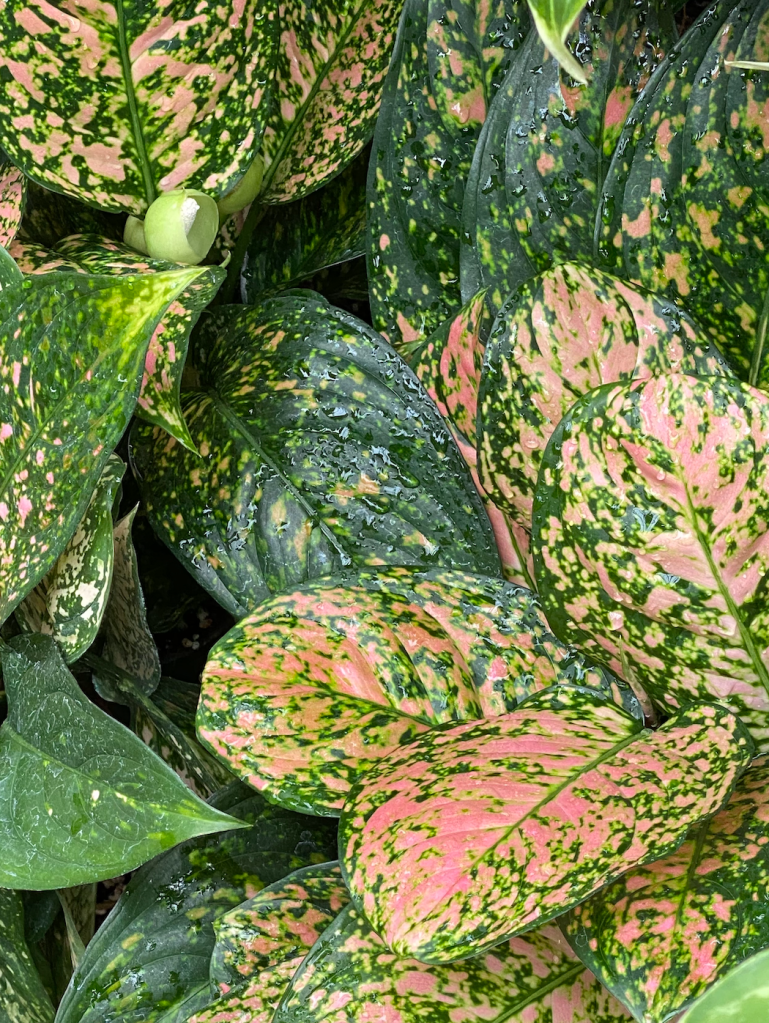
Colour and Pattern 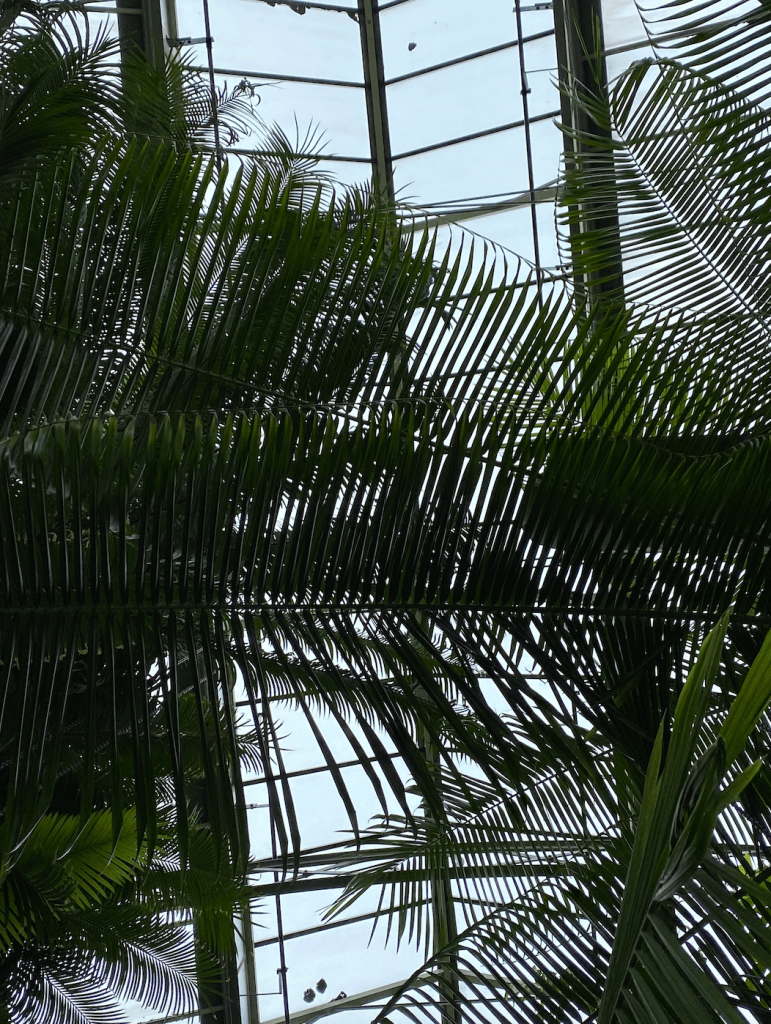
Natural grid vs Man made 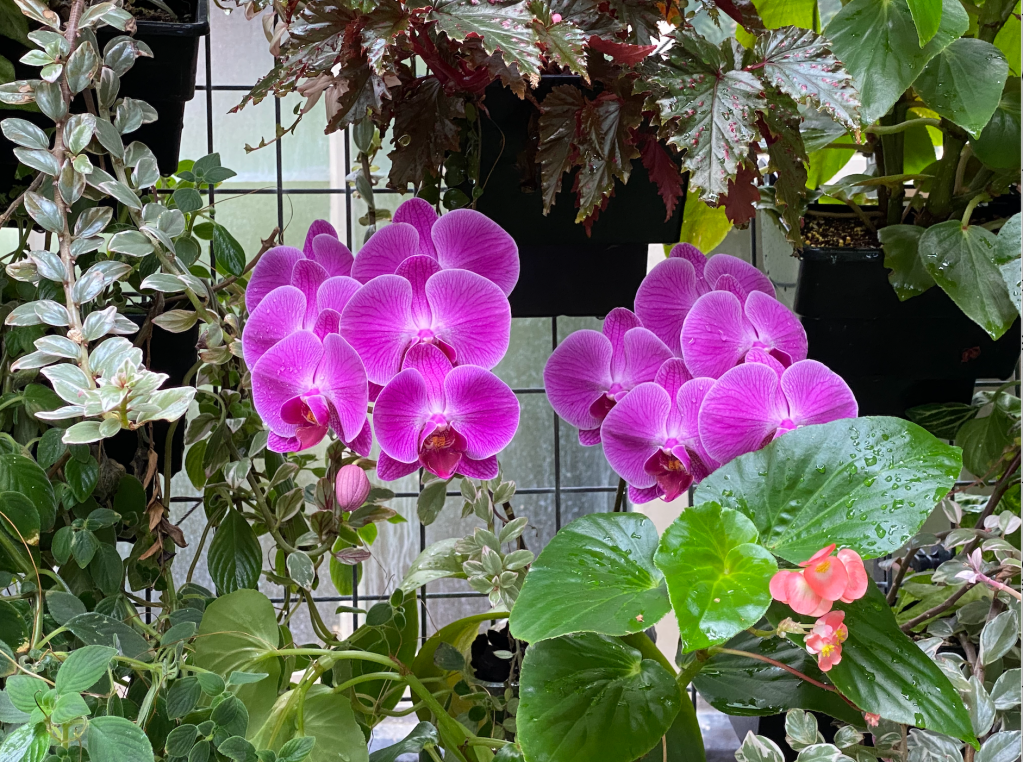
Colour 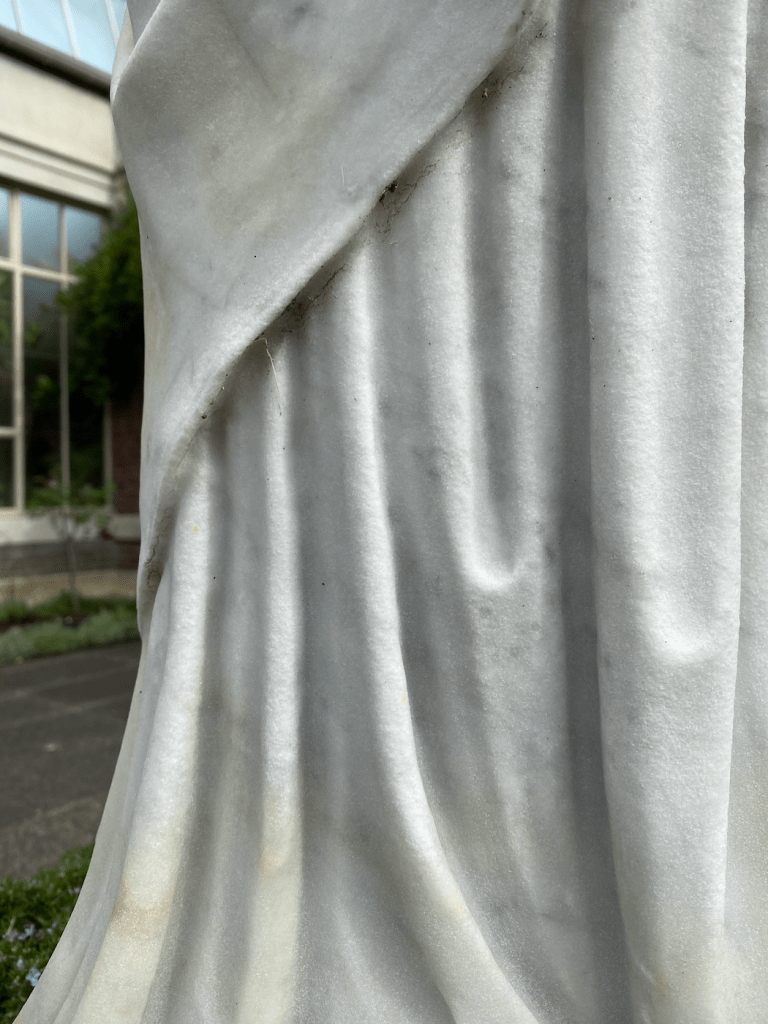
Soft looking Marble 
Trapped Trees 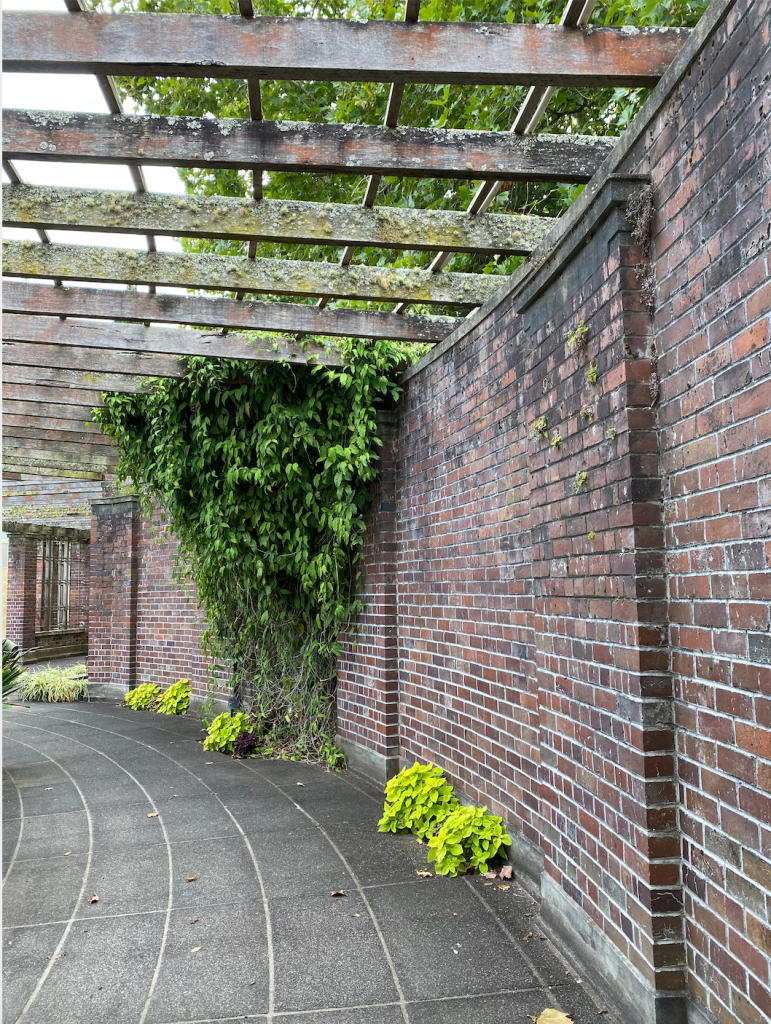
Grid Repetition 
Clean path edges 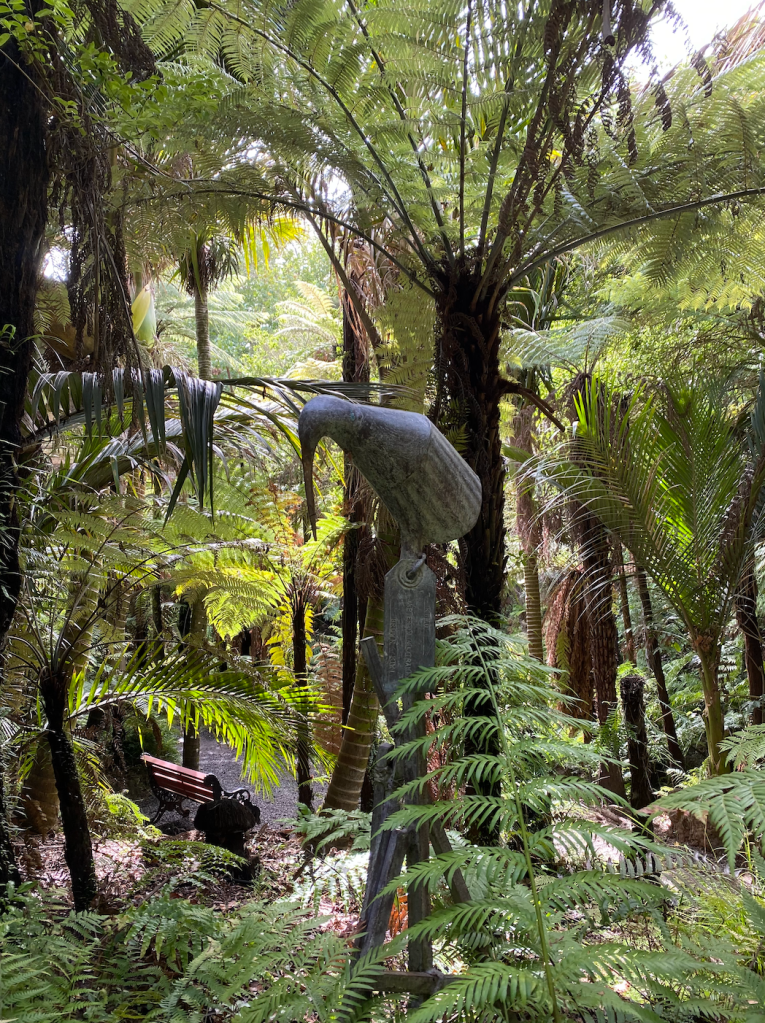
Kiwi Statue in fernary 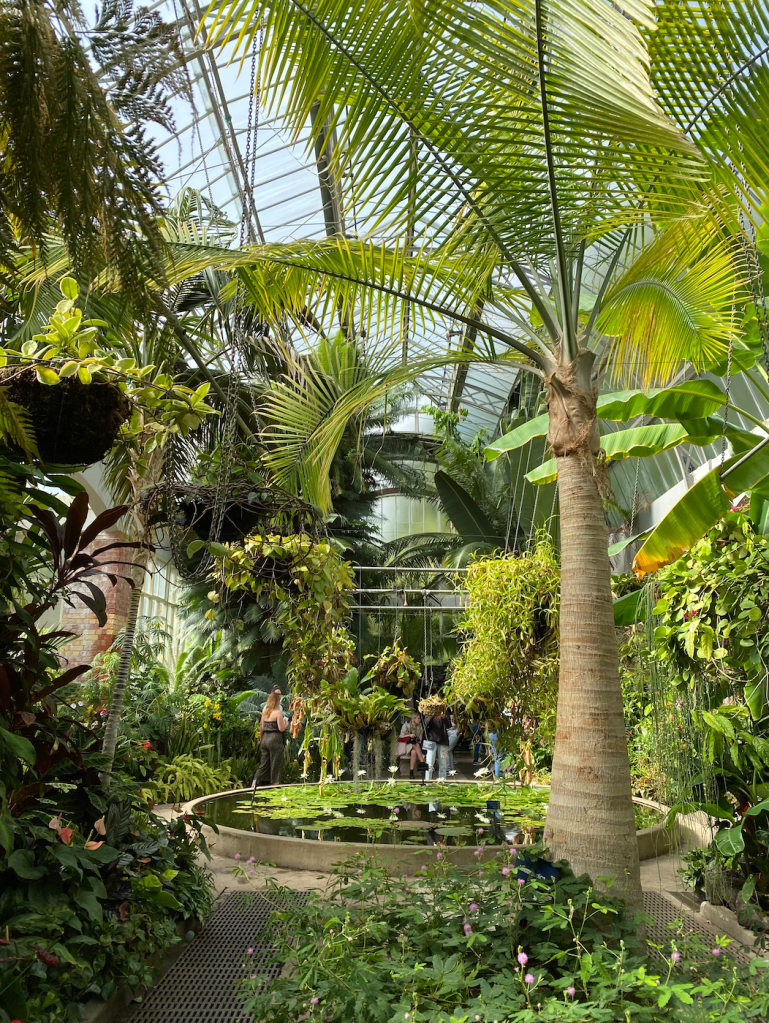
Internal view 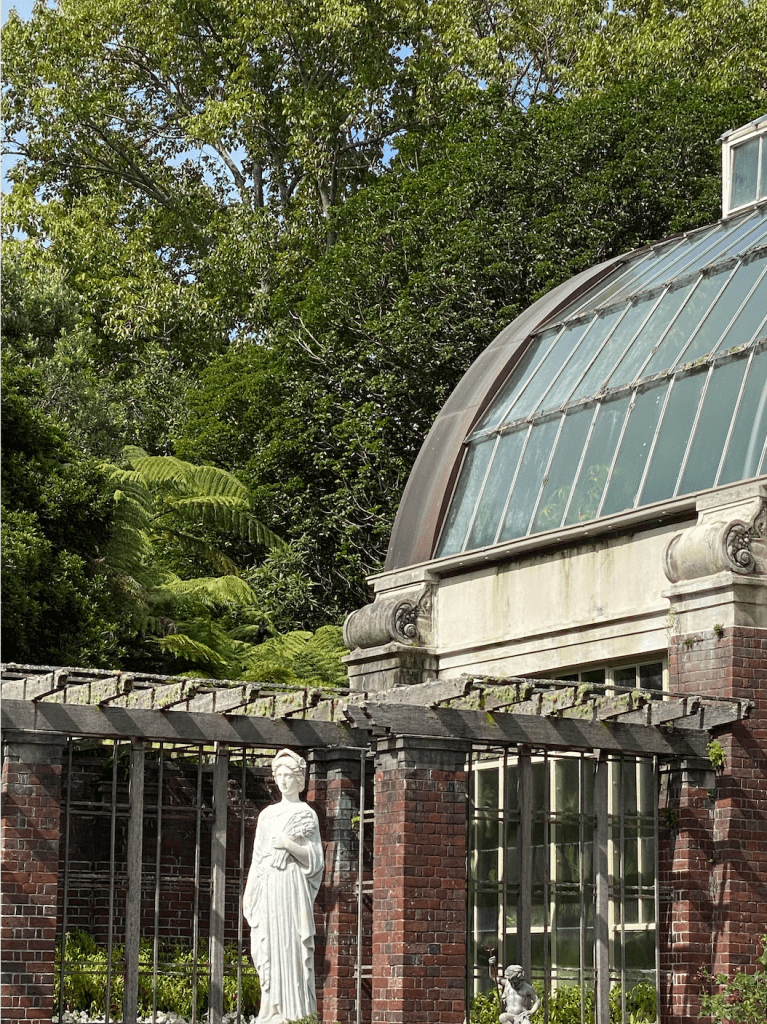
Ordered nature vs Wild 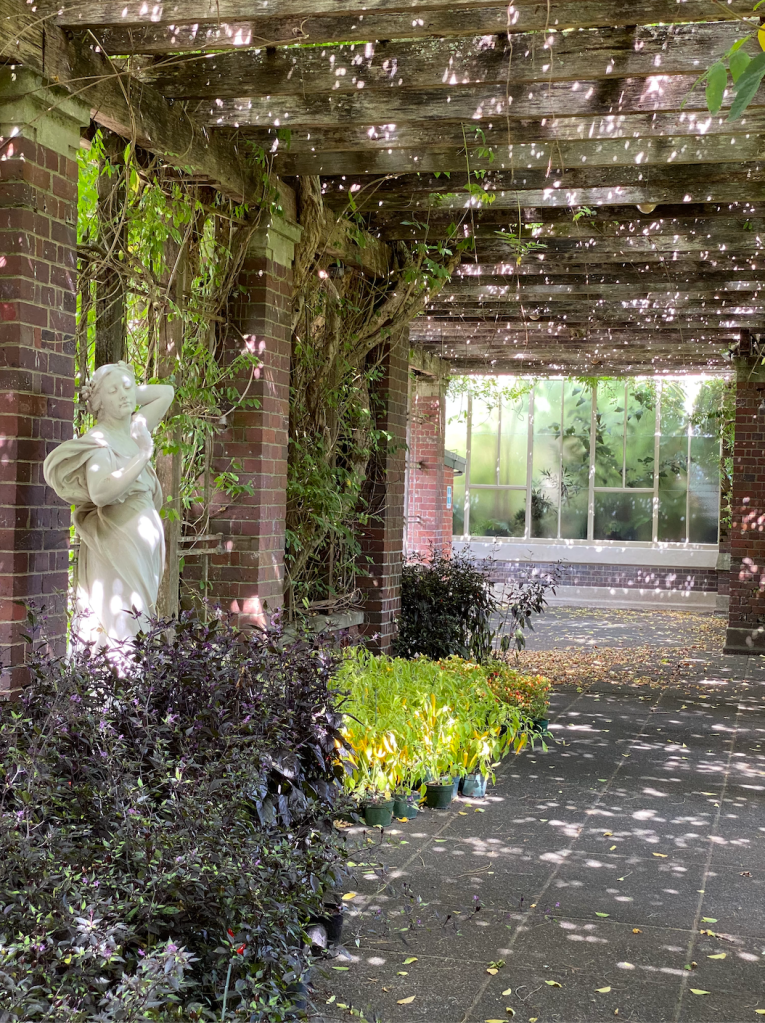
Dappled light and climbers 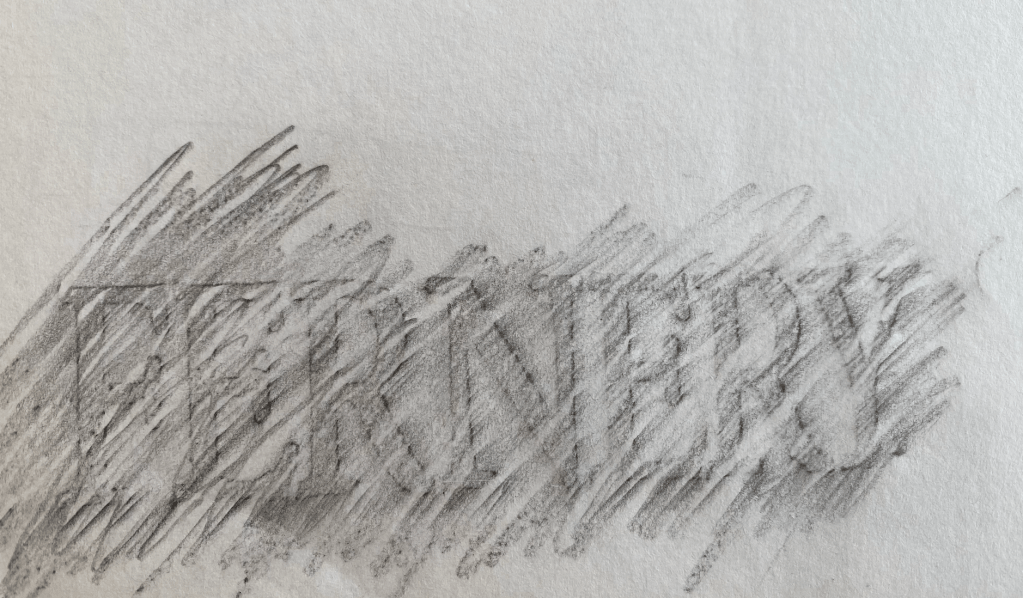
Rubbing 
Rubbing of a Leaf 
Skeletal leak from the floor of the fernery
General research:
https://www.heritage.org.nz/the-list/details/124
Sir George – https://web.archive.org/web/20130921054345/http://www.elliottrust.org.nz/about/sir_george_elliot.asp
US forces in New Zealand – https://nzhistory.govt.nz/war/us-forces-in-new-zealand/the-camps
 Spatial Fabrication