https://architecturenow.co.nz/articles/the-imperial-buildings/
The semi-industrial nature has been retained with the spaces and balcony formed out of black steel sheet. Previous services that were a mess have been reassembled and organised but not sanitised. Between here and Queen Street are tenancies which border a shared walkway that overlooks the courtyard. While this has sacrificed net lettable area, it has created a relaxed circulation space that resolves the chaos and brings a sense of order to the disorderly.
The Imperial is thorough fare: deliberate, considered and meticulously detailed. Yet it is neither sterile nor alienating. It mixes a language of black steel, slick tiles and glass with rough brick, exposed concrete and timber that in lesser hands could easily have descended to the tacky. But here, Fearon and Hay have risen above this and produced an elegant solution, made sense of senseless circulation and have, magically, produced a silk purse from the sow’s ear that once comprised these neglected buildings.


Roxy Theatre

theatre closed 1935
https://collection.motat.nz/objects/89957/old-roxy-theatre
Luxe hollywood vibe
he two theatres and an unusual gable loft with clerestory windows called “the Boathouse”, which was probably a warehouse in its previous life.
The theatre seated 500 people and ran screenings continuously in two sessions – 11am to 5pm and 6.30-11pm. “Go where the crowds go. Nothing unworthy of the entertainment but the prices. Fancy!” declared an advertisement in the Observer on December 2, 1911. Adults paid 6p and children 3p.
What’s unusual about the development is that, although the buildings have heritage protection on their Queen St frontage, it doesn’t extend to the rear of the buildings which push through to Fort Lane. If it had wanted to, Phillimore could have demolished the rear site and put up a high-rise to match the glass and concrete ugliness that defines Auckland’s CBD.
https://www.nzherald.co.nz/nz/forgotten-gems-saved-from-wreckers-ball/3PVMSUXLXOMRXZTN2ENUFAL74A/
1910s Cinema:
The 1910s were an exciting period of technological and stylistic experimentation for movie makers. During this decade, Cinema matured as an artistic medium and transformed into a popular method of storytelling.
Sound recording was not yet invented, so movies of the 1910s were silent. They were basically black and white, although some of the scenes were tinted in a specific color in order to heighten the dramatic impact.
Title cards were only used to tell the more complex parts of the story, but the backbone was pantomime – gestures and body language. The mute performance of the actors was emphasized by a background music, usually played by an orchestra.
Site map:
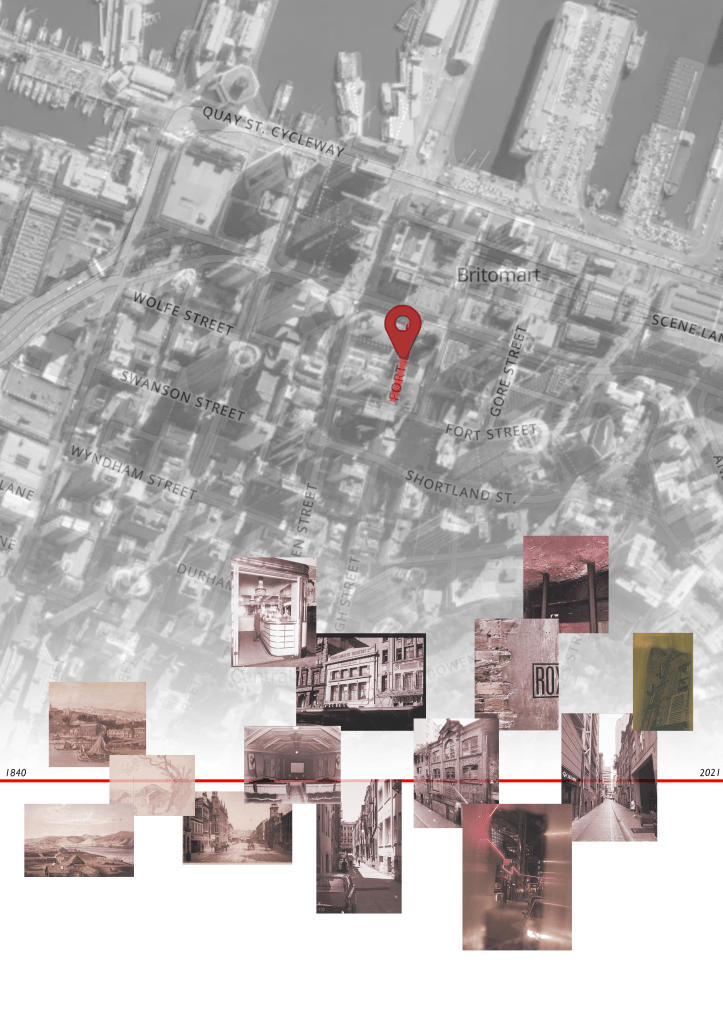
 Spatial Fabrication