Research around the diner table. the place for intimate connection. an invitation to invite your neighbour over instead of watching them from a distance?
1950s idyllic family dinner – peak of private dining?
“Traditional dining tables were composed of a mixture of different materials made up of marble, wood or metal. The typical structure was supported by 4 strong pillars linked together with X shaped stretchers exhibiting a beautiful blend of authority and efficiency. During initial development period of dining tables, shapes were big and mostly rectangular that allowed the head of the household to occupy the top end. This gave him the privilege of viewing and addressing all his guests and family members at once. During ancient times, families were not only larger, but the house constituted of a community with several families living together. Hence, there was a need of large dining tables that acted as a center piece for dining room. It made each member of the house socialise during mealtimes while enjoying delicious food and drinks.”
https://www.furnitureinfashion.net/history-of-dining-tables-a-516.html
“You got to show off all your lavish things: beautiful chairs, the linens, the plates. There was an art of eating, and an art of living that was associated with a dining table that was huge,”
“The decline in the popularity of the dining room, beginning in the 1950s, coincided with several shifts in American eating and home habits. People started to work longer hours. Families eventually ate together less often. The successful marketing of the “TV dinner” by Swanson in 1954 practically begged us to stop using our dining rooms. But the modern emphasis on the kitchen stemmed from a change in hosting patterns.”
“Millennials and Gen Z aren’t ruled by the principles of Emily Post the way people were decades ago. I personally associate dining rooms with old people, not my agemates. As Nisha Chittal reported for The Goods, millennials do value friendship, but they don’t have much interest in the theatrics of hosting a traditional dinner party. “Some people might have to sit on the floor, but the important thing is getting together with friends and enjoying each other’s company — not stressing out about tablescapes and etiquette,” she wrote. People dine together wherever and whenever they can, and focus on the quality of their company rather than their surroundings.”
:no_upscale()/cdn.vox-cdn.com/uploads/chorus_asset/file/22399639/LEDGEEE.jpg)
we don’t remember how to dine together. I want to provide a reminder
“Traditionally, meals were synonymous with togetherness.”
“I think the dining room represents all of that — the fight against the rupture of families,” says Benjamin.”
“Yet, there’s something beautiful in the concept of a room dedicated to eating and sharing conversation. There’s a lot of talk about a “loneliness epidemic” — many Americans feel more isolated than ever even though we’re arguably more connected than ever, the pandemic is making it worse, you know the story. We’re consolidating our lives in some ways, but we aren’t necessarily living together with closeness. We lost the dining room as soon as we lost that intimacy. It seems nice to have a designated refuge in the home space, somewhere to gather and discuss the drama of the world over a warm, shared meal. It might be the best way through an increasingly isolating future,’
https://www.vox.com/the-goods/22350932/dining-room-table-history-trend
https://baers.medium.com/furniture-history-evolution-of-the-dining-room-table-1215a2a5fced
theme of transparency
theme of access, observation
House concept ideas:
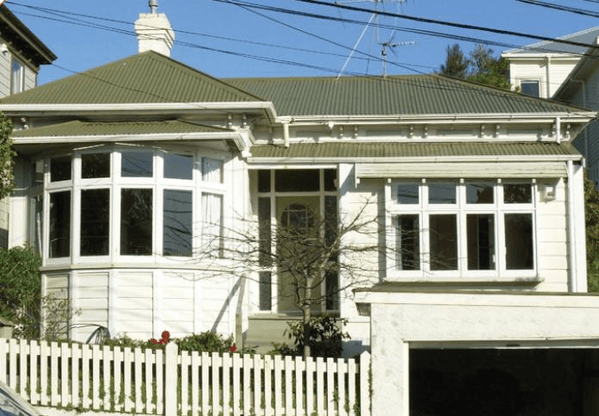
- a literal house, classic build style, open door looking into dining room. A very literal interpretation.
- Acrylic walls and exteriour, rusted steel/ iron? framing – lighting? coloured door, table chairs to draw attention

- acrylic sections? hole in the wall vibe?
- fabric like do ho suh
meteriality
kitsch?
vintage kitchens:
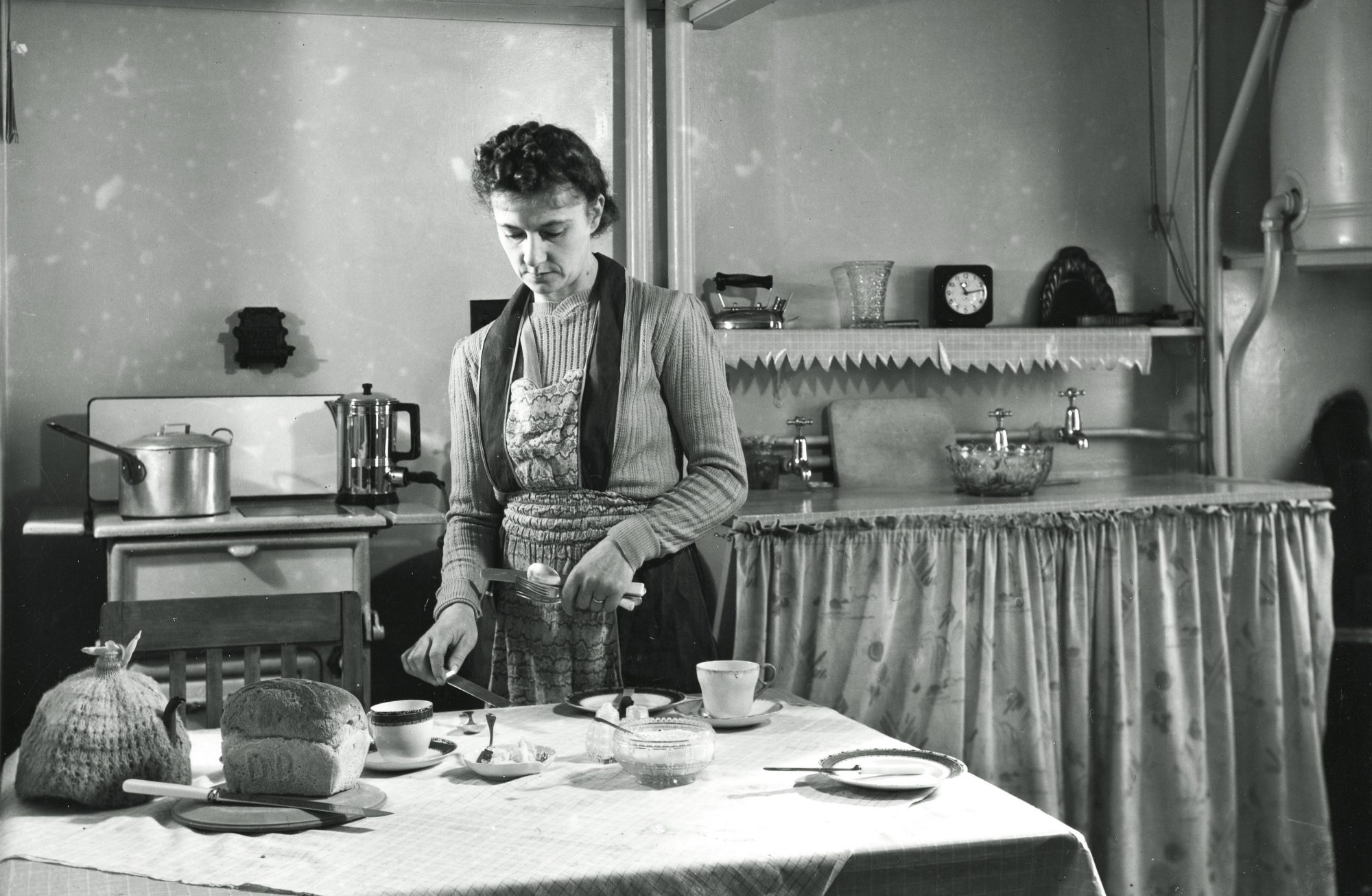
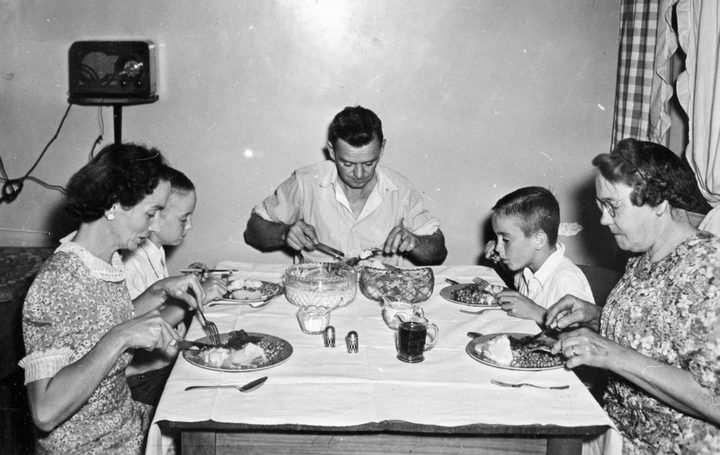
https://www.odt.co.nz/lifestyle/food-wine/kiwi-kitchens-forever-evolving


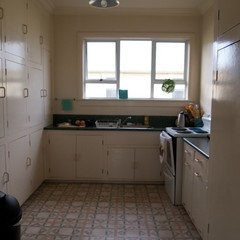


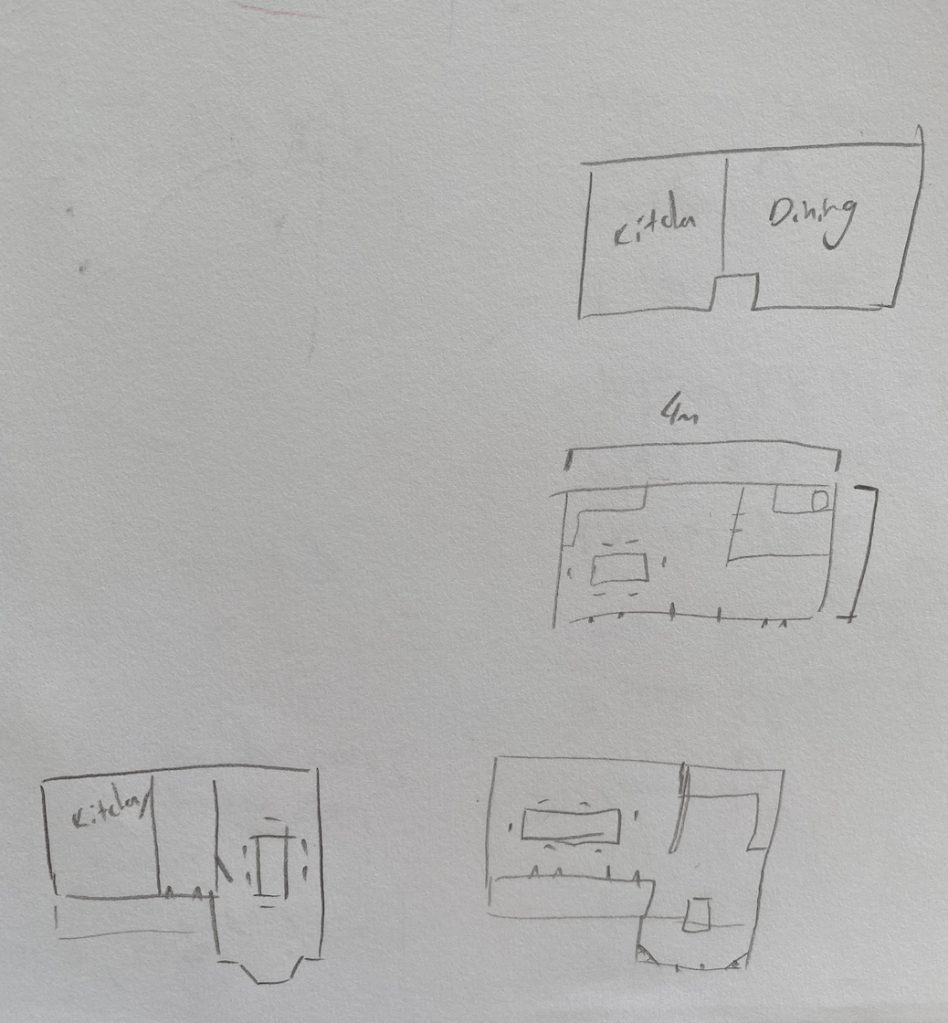
Initial floor plan exploration:
Front elevation ideas:
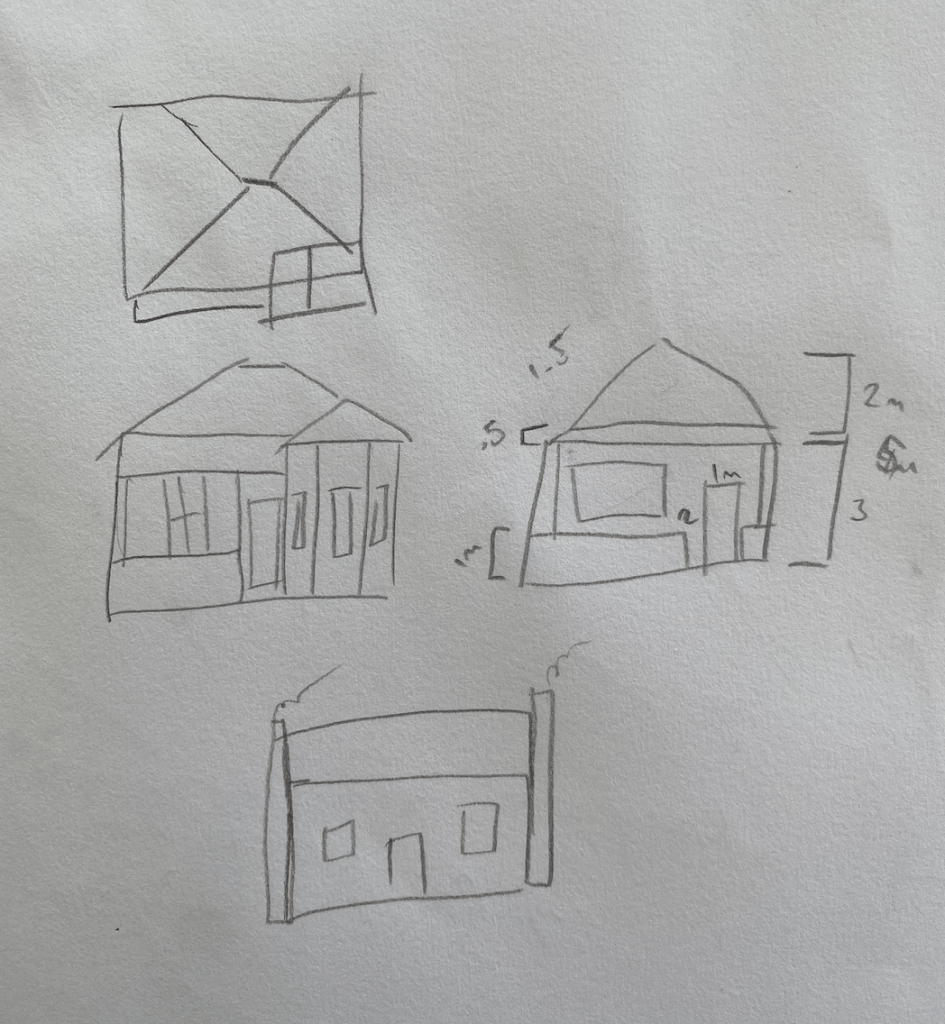
My first idea for the interior of the house structure was to recrete an early nz homes floor plan with a kitchen/ dining space and a small bedroom. I found the old fashions kitchens quite intriguing and wanted to build a replica within the space.
Kitchen elements:
- short curtains
- lino floors
- wallpaper (acrylic? engraved wallpaper?)
- sink
- stove
- cabinetry
- bench
Dining table – candelabras, plates and cutlery?
As I began designing in rhino I realised that with the space available it doesn’t allow a lot of floor space within the home structure. If i built in a kitchen into the space it would distract from the dining table which i want to be the main focus of the space.
Taking inspiration again from ‘The Lighthouse’ by Michael Parekowhai, I decided to simplify the interior fit out of the house structure to just having a dining table and chairs to make it very clear that that is the focus of the installation. To focus more of the quality of the interior elements rather than the volume. To think about form, materiality, construction and colour of the dining table and chairs.
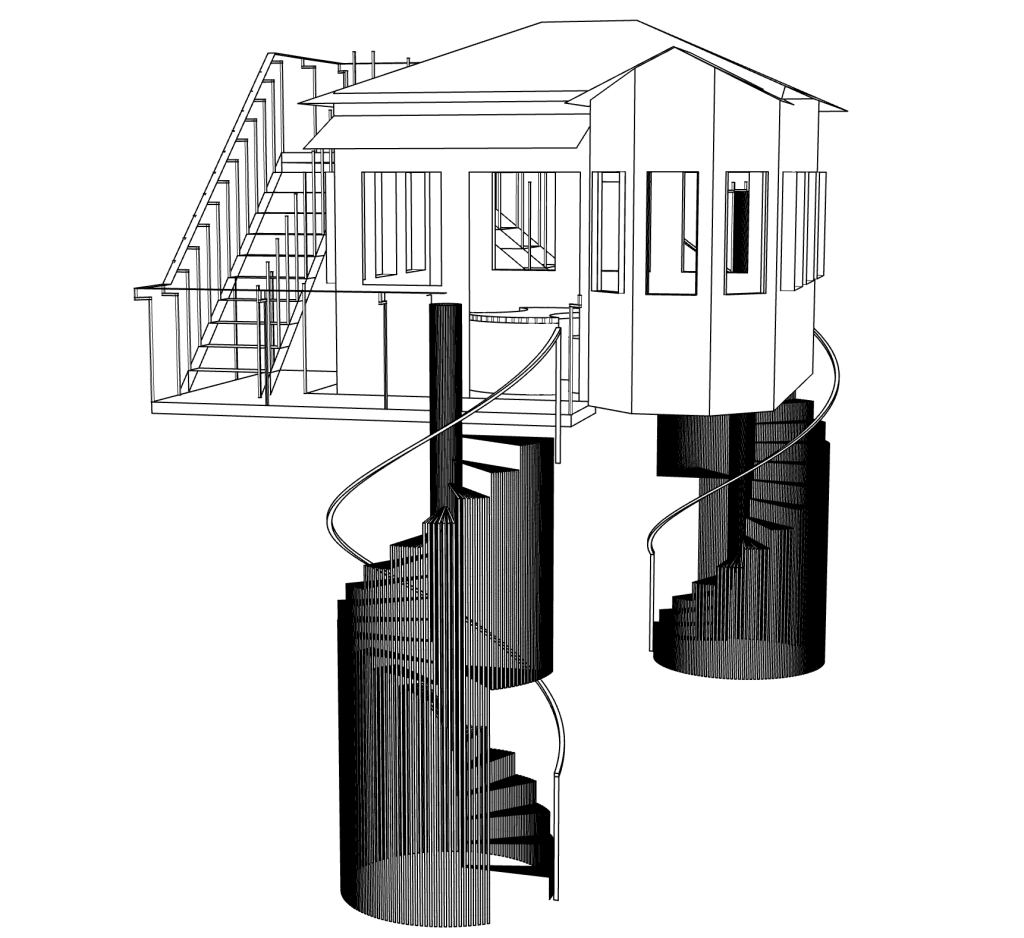
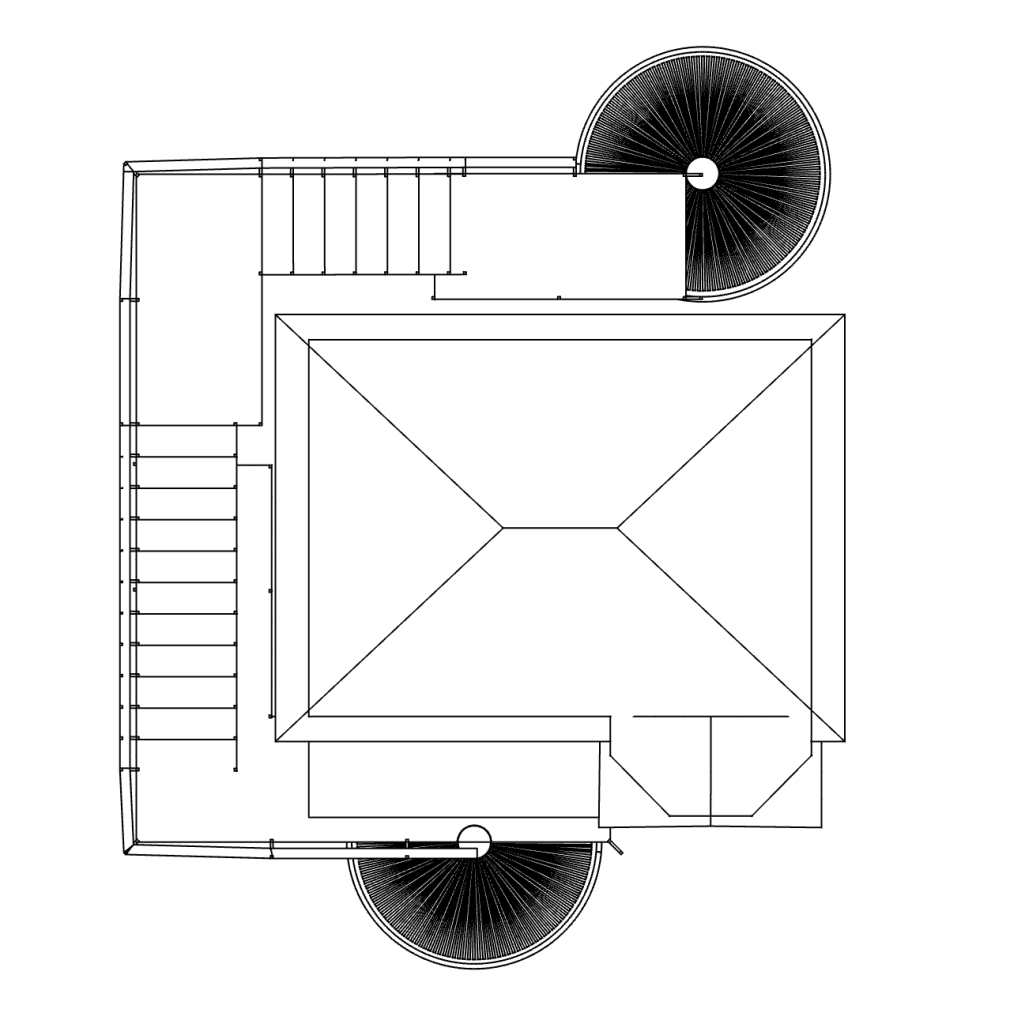
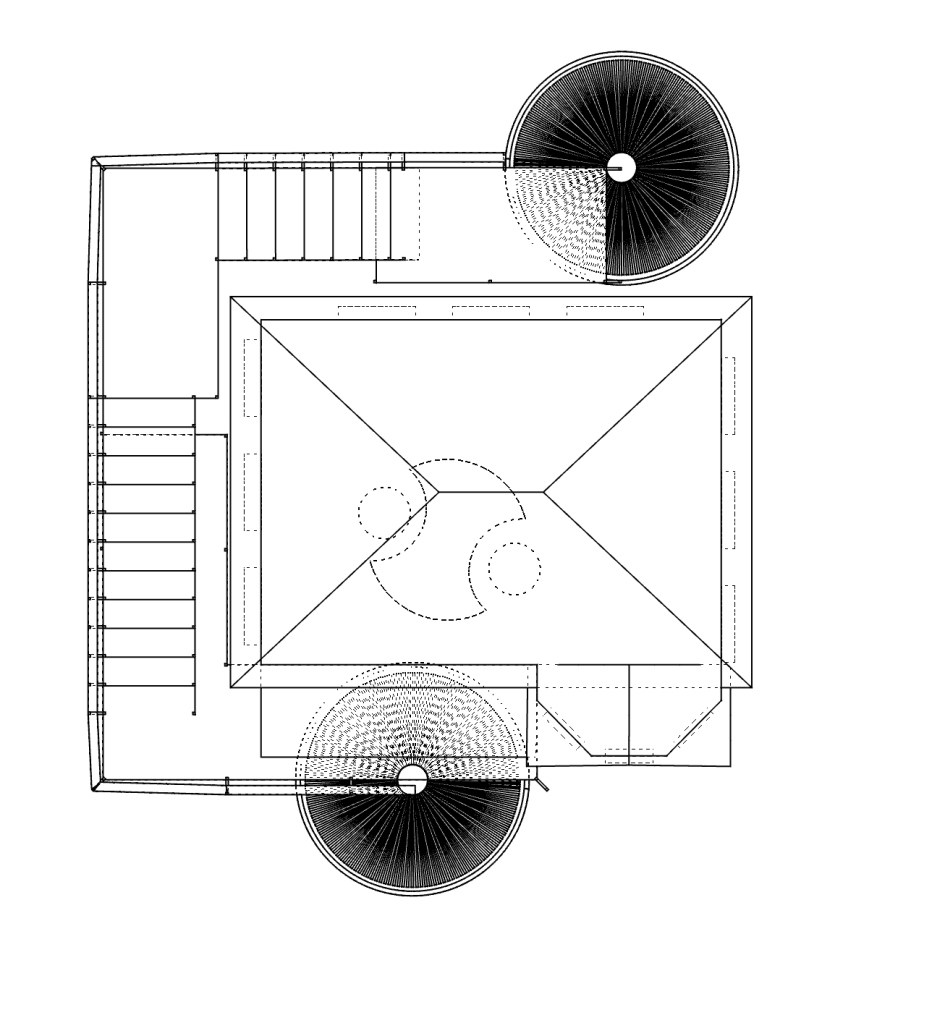
I want to spend some time intricately designing the table and chairs as they will be the focal point.
 Spatial Fabrication