How to create a shocking wow moment. Intervention at the entrance?
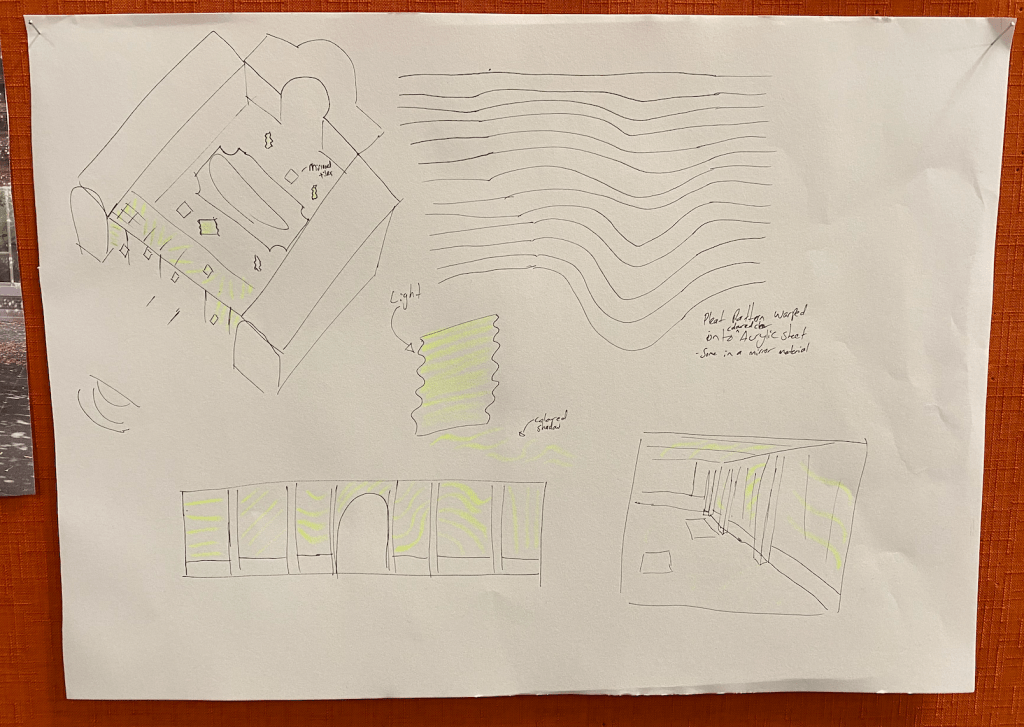
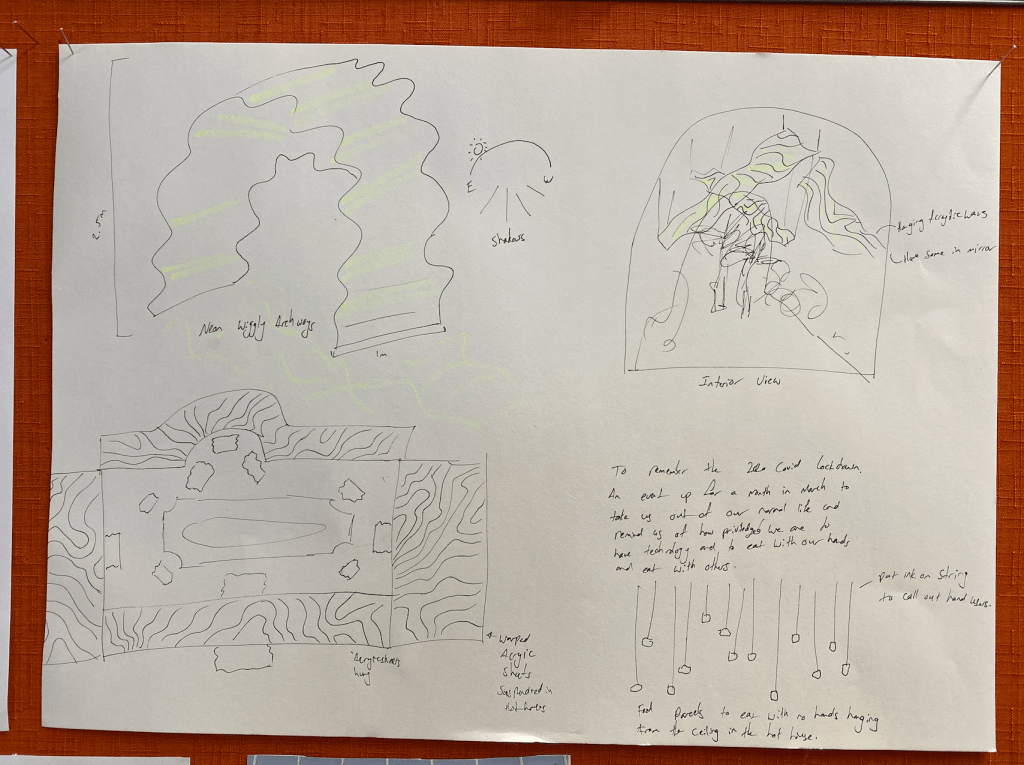
Design idea sketches:
First iteration of design.
Second Iteration of design
How long would it be up for? whats the purpose. In honour of lockdown it gets set up for a month in march?
sketch ideas/ photoshop ideas on how to play with light, refraction, colour and engaging the senses?
Develop positioning statement:
The winter gardens were built for the purpose of providing an escape from the city and to provide something to do in the winter months. This idea of an escape from reality ties into the foreign, exotic plants within the site. Everything about the site takes you away from the norm.
This past year of life has been very out of the ordinary and has left a lot of people with the desire to escape from their homes, their towns, their realities. I will develop the winter gardens into a space that meets that desire. To allow people to leave their worries behind and be fully transported to a new dimension. A fully immersive environment.
I will create an intervention that doesn’t alter or damage the original structure but re imagines the space for a temporary food event to commemorate our time in lockdown in 2020. The event will run for a month from the 24th of March – 30th April.
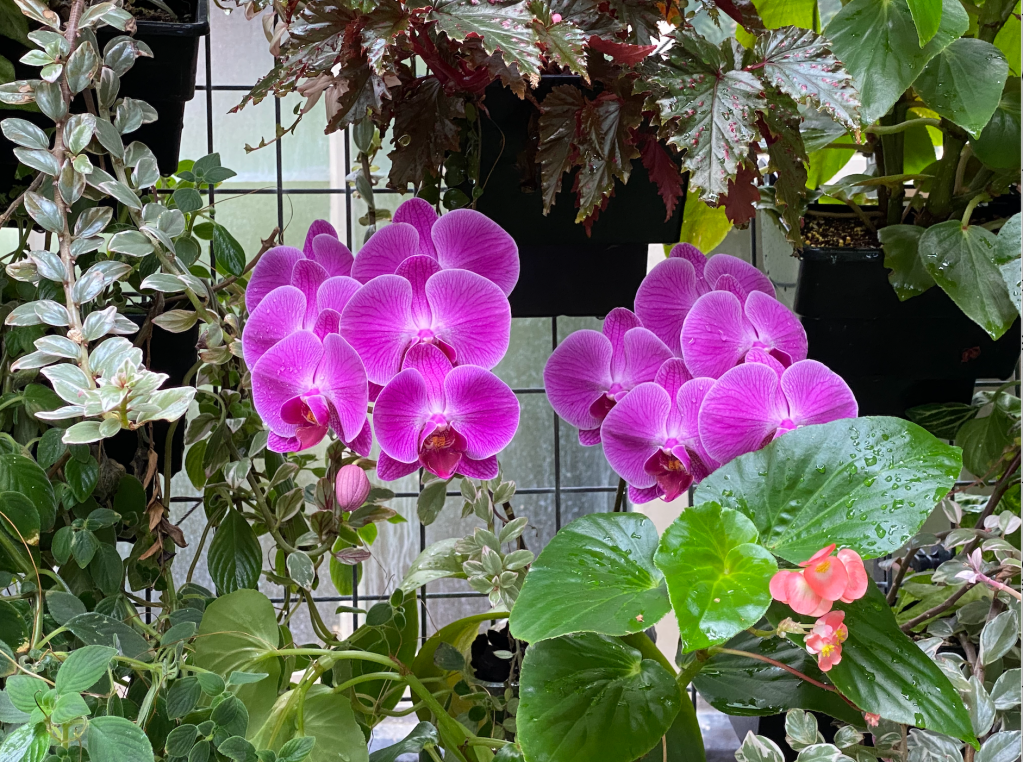
Inspired by a digital twist on psychedelic art, I will use colours found in blurry technology screens as well as the extreme exotic shades found within the hot house, to create my
psychedelic environment. This comments on the technology that took over our lives, distracted us and entertained us over lockdown.
The aim is to create a glitch aesthetic, whilst drawing on the traditional fluidity of form from the 70s psychedelic art movement. I will use bright coloured acrylic sheets warped to look melted and blurry at the entrance to the site, in the pergolas and all throughout the hot house to cast colour and refract light around the space. I will utilise the natural light to manipulate shadow and alter how the space feels at different intervals throughout the day.
I will set up food within the hot house spaces that highlights the privilege of touch with our hands. Small bites of food will hang from the ceiling for you to consume without the use of your hands. The string that suspends the food will be coated in edible dye that will transfer to your hands if touches. This can set off the chain reaction similar to covid 19 showing where your hands touch.
Group feedback on ideas and positioning statement so far.
This was really helpful exercise. The practise of vocalising my thoughts and ideas helped me to clarify what I was actually interested in and start to refine my idea.
It was great meeting with my study group and being able to draw on ideas that we know are of interest to each other helping to guide each other into a concept that they would excel at and be excited by.
Positioning Statement:
The winter gardens were built for the purpose of providing an escape from the city and to provide something to do in the winter months. This idea of an escape from reality ties into the foreign, exotic plants within the site. Everything about the site takes you away from the norm.
I will create an intervention that doesn’t alter or damage the original structure but re imagines the space for a temporary food event. I want to explore the ideas of social distancing/ sharing a meal together in our current climate in a context of a space outside of our normal.
To create a psychedelic environment I will use bright colours at strategic places to cast colour around the space. I will utilise the natural light to manipulate shadow and alter how the space feels at different intervals throughout the day.
I will set up food within the space that explores themes like social distancing, the nature of eating and what is a normal way of eating. I personally love to eat in a grazing manner and would like to explore the use of hands when engaging with food and the controversy that comes with that in this current climate. Setting up food in a way that resembles fruit picking or gathering. Alternatively it would be interesting to explore eating with a distance element and explore how you can create an intimate meal between two people when there is physical distance between them.
Further development:
I need to start to honing into one idea.
Colonial events are the ones usually held in the winter gardens.
Figure out how to create a full sensory experience – enhance that, how it feels, temp, smell etc.
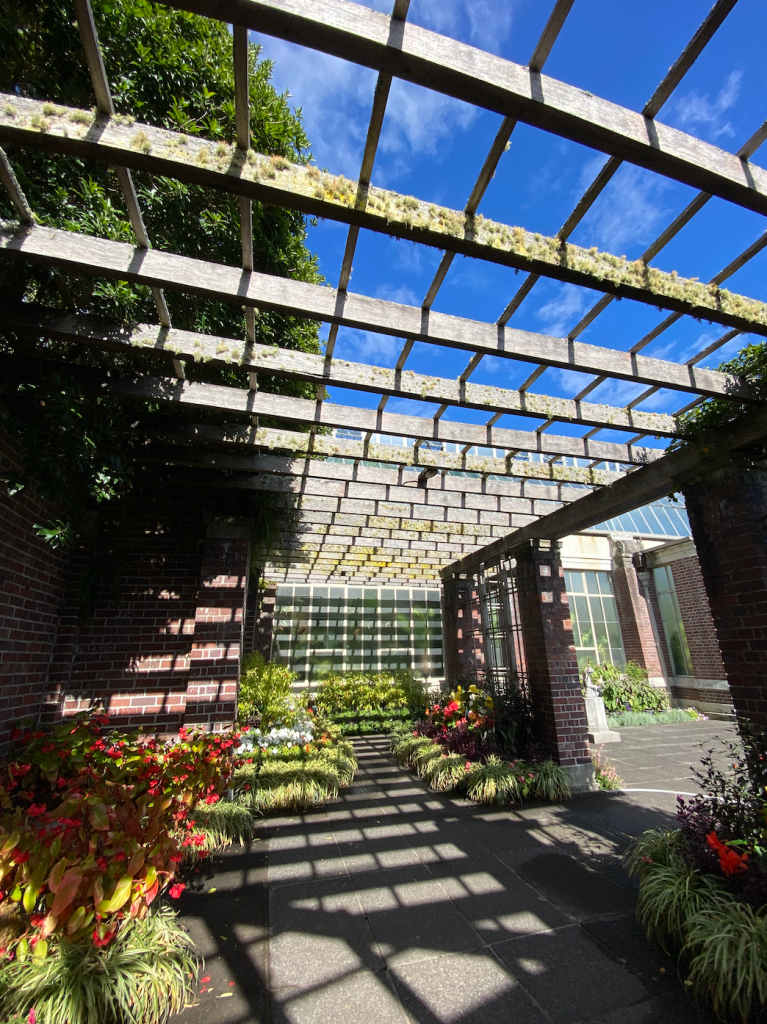
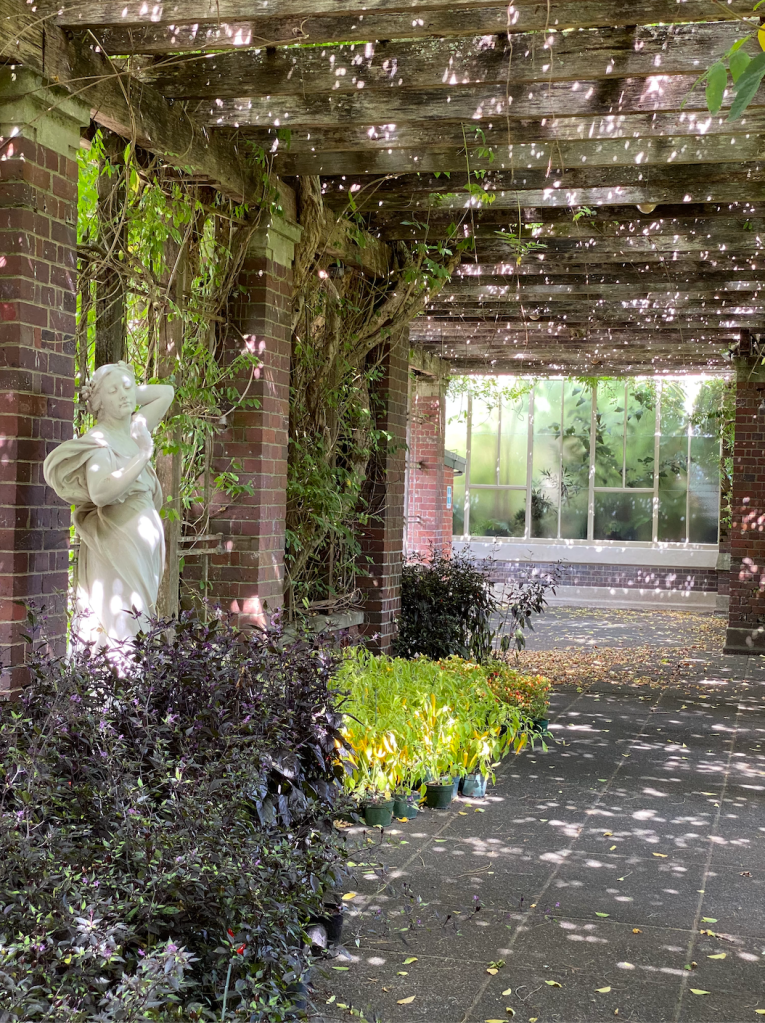
Explore motif of grids, repeating elements and shapes eg archways, symmetry, shadow grids on grids idea – playing with light.
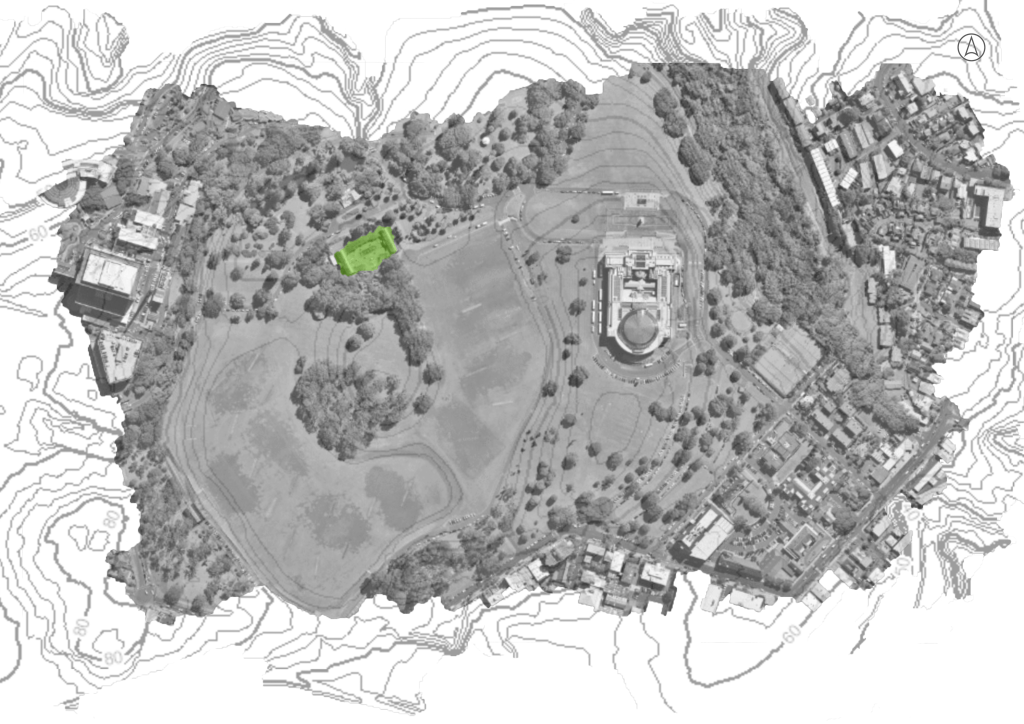
Site Map:
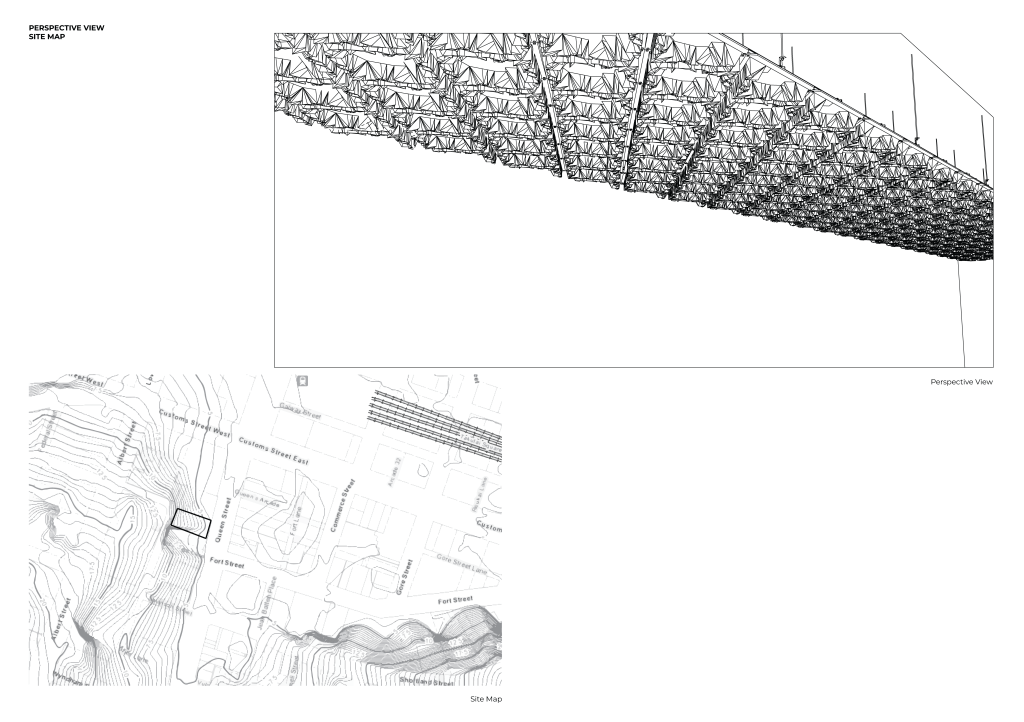
My site map identifies the location of the site in relation to the Auckland domain and the topography of the land.
Monday – site visit, question/ positioning statement that gets us inspired/ excited about the site and our project
This site visit I was looking for exotic/ out of place features within the site. I was also looking for signs of exhibition space, the controlling of an environment.
Boarders – plant pots, curbs to plant beds, trellise,
Concrete
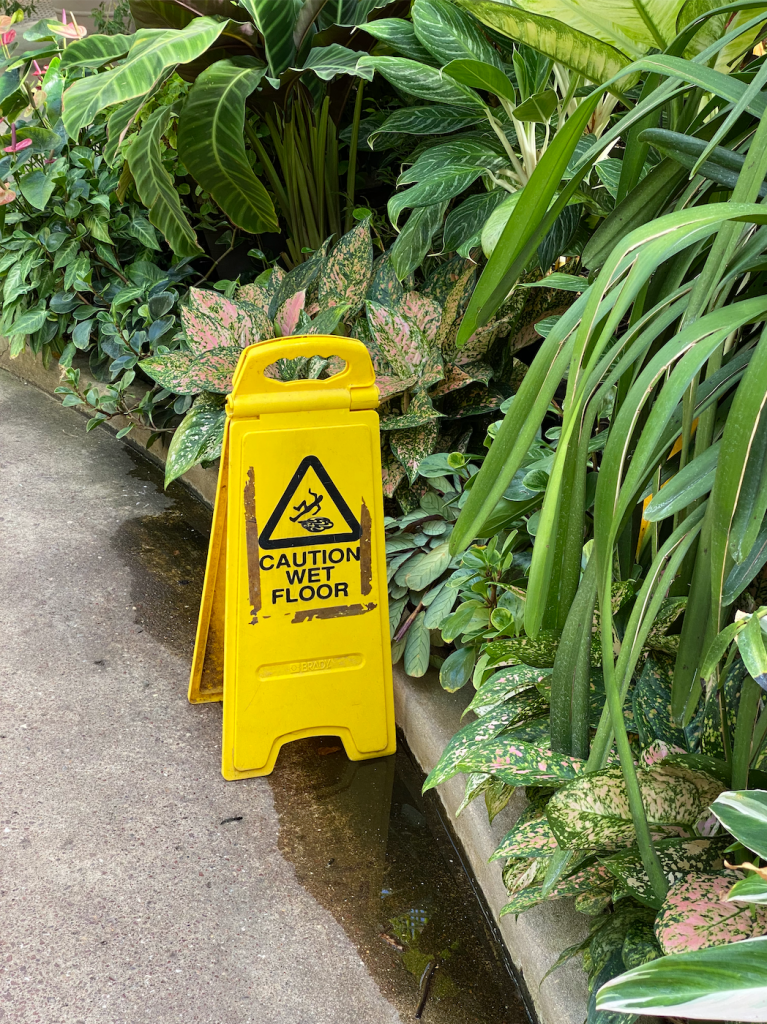
Caution wet floor sign, very modern, bright and out of place.
Things that allude to a new world:
Shadow play
Grids on grids on grids
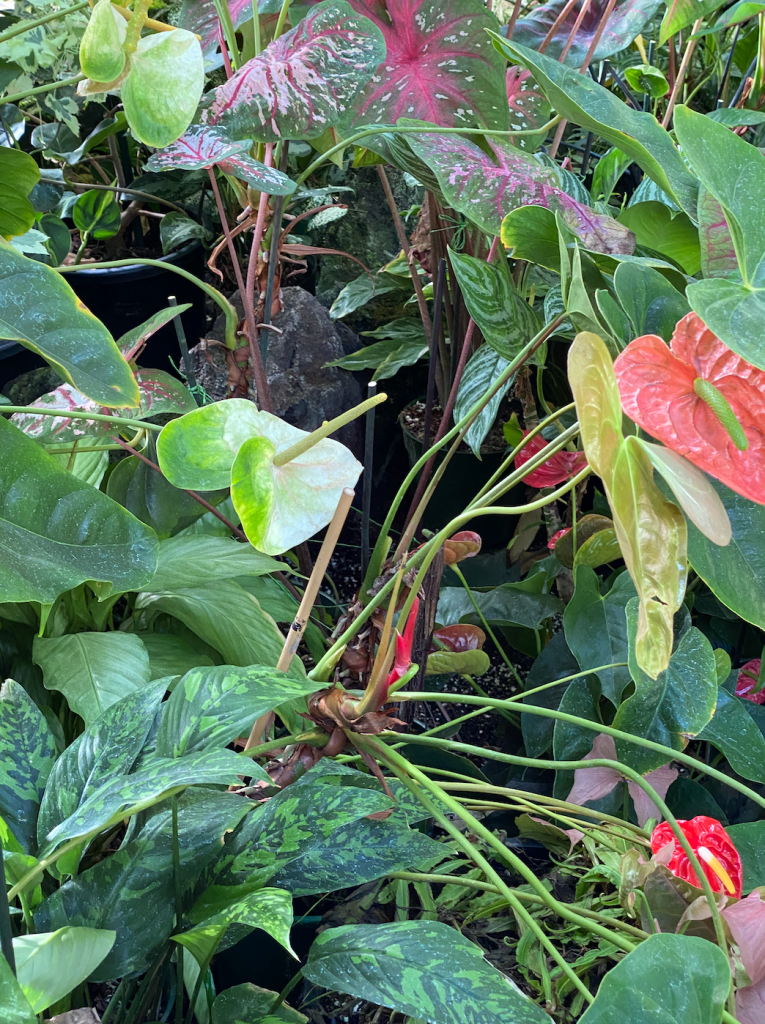
Layering of plants
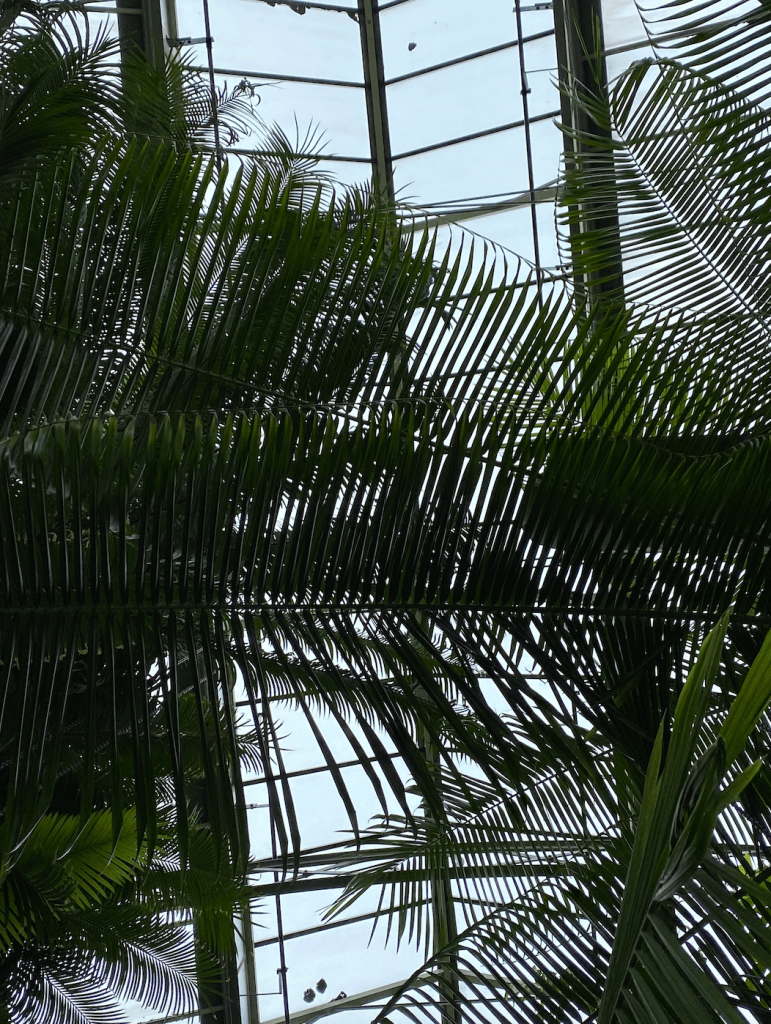
Plants pressing up against the glass when viewed from the exterior. An escape attempt?
General Atmosphere of the different areas that made the space notable:
temperature, light, smell, weight of the room/ space, density of foliage.
Questions to ask in relation to site:
Whats the plants perspective?
How does light change the atmosphere in the different spaces?
If history was different what could the space look like?
What are the effects of surface texture, materiality and layout within the site?
Positioning Statement:
The winter gardens were built for the purpose of providing an escape from the city and to provide something to do in the winter months. This idea of an escape from reality ties into the foreign, exotic plants within the site. Everything about the site takes you away from the norm.
I will create an intervention that doesn’t alter or damage the original structure but re imagines the space for a temporary food event. I want to explore the ideas of social distancing/ sharing a meal together in our current climate in a context of a space outside of our normal.
To create a psychedelic environment I will use bright colours at strategic places to cast colour around the space. I will utilise the natural light to manipulate shadow and alter how the space feels at different intervals throughout the day.
I will set up food within the space that explores themes like social distancing, the nature of eating and what is a normal way of eating. I personally love to eat in a grazing manner and would like to explore the use of hands when engaging with food and the controversy that comes with that in this current climate. Setting up food in a way that resembles fruit picking or gathering. Alternatively it would be interesting to explore eating with a distance element and explore how you can create an intimate meal between two people when there is physical distance between them.
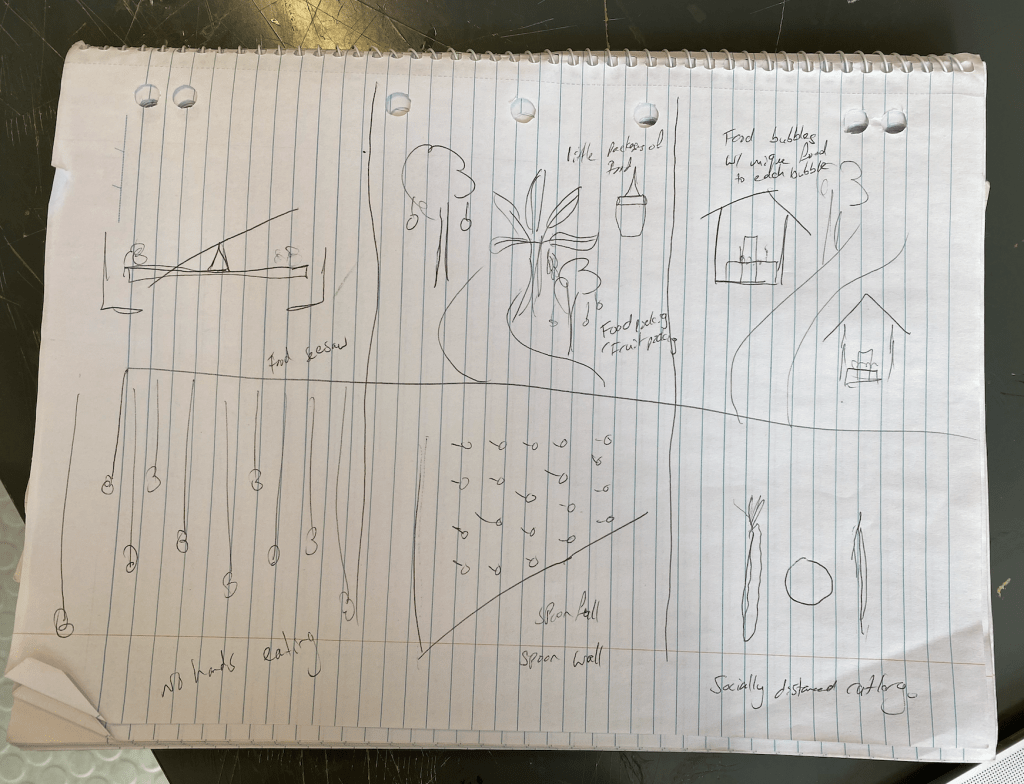
Design Sketches:
Exploring ideas on how to present/ engage with food.
Wednesday:
Exhibition exercise:
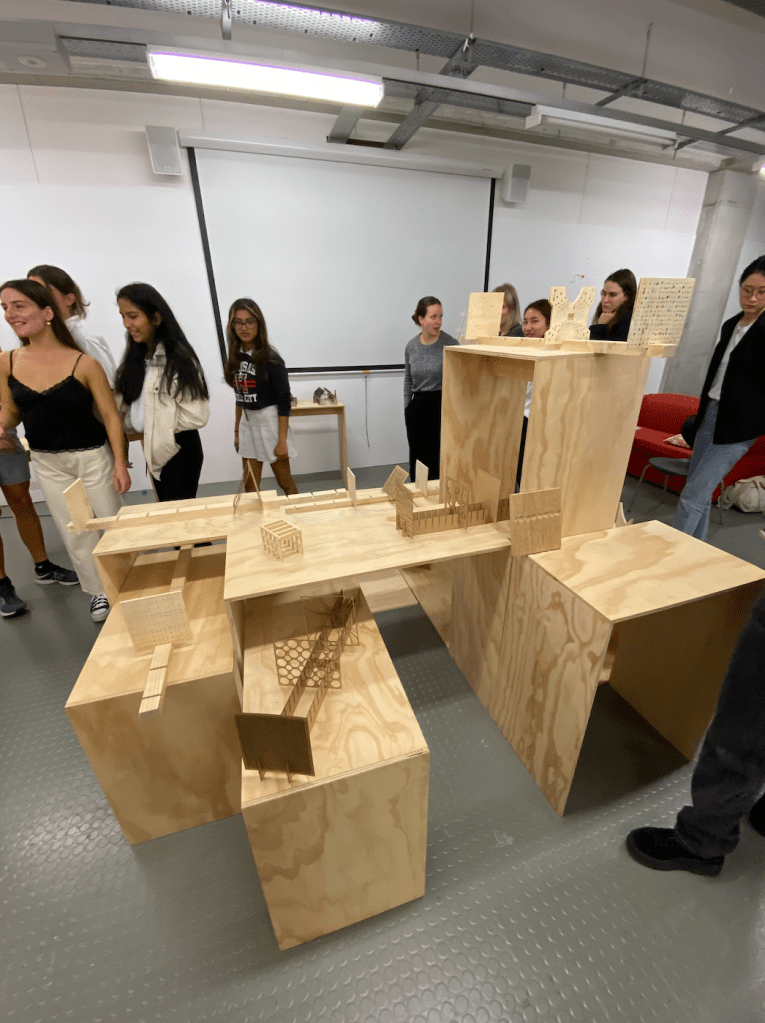
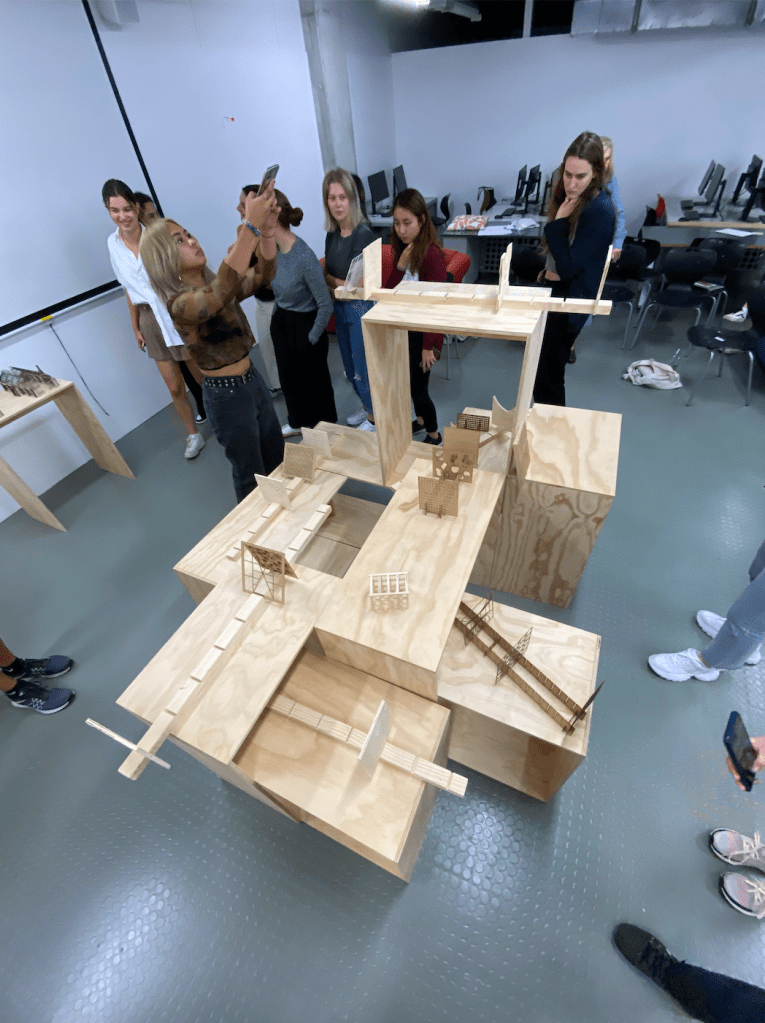
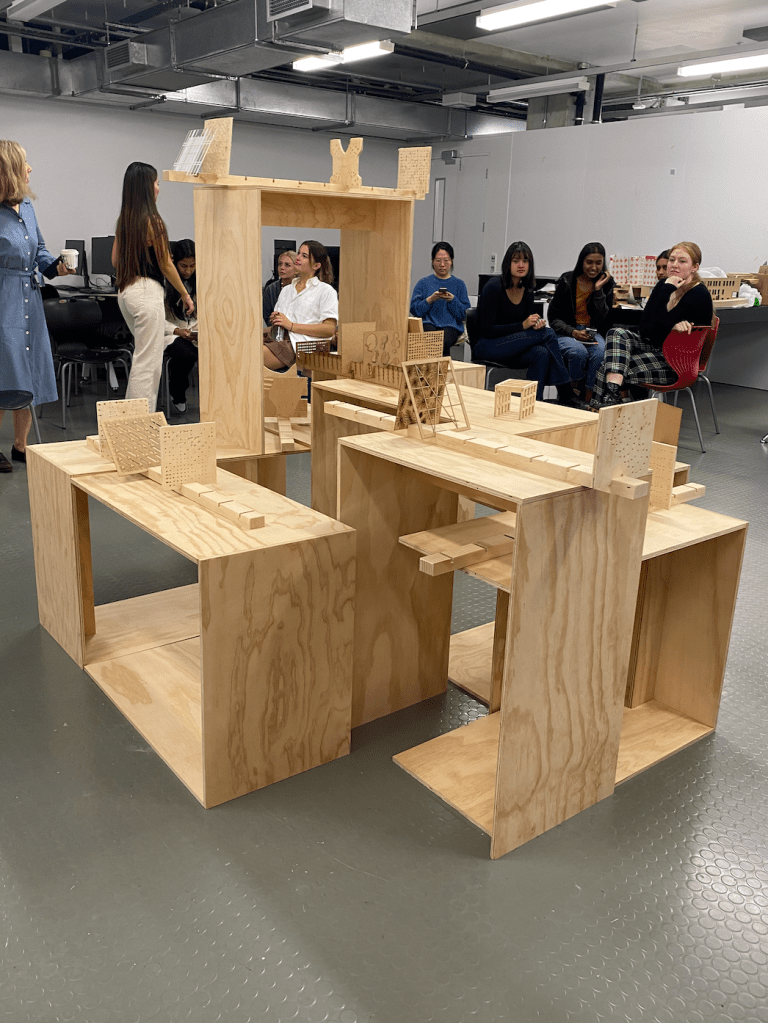
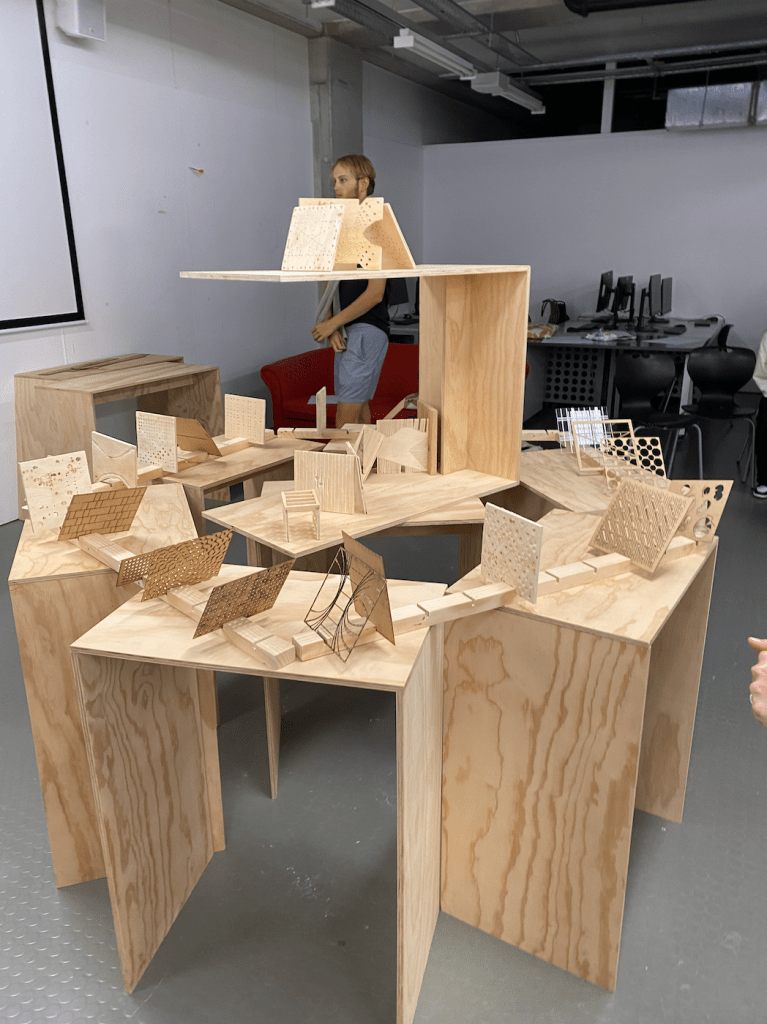
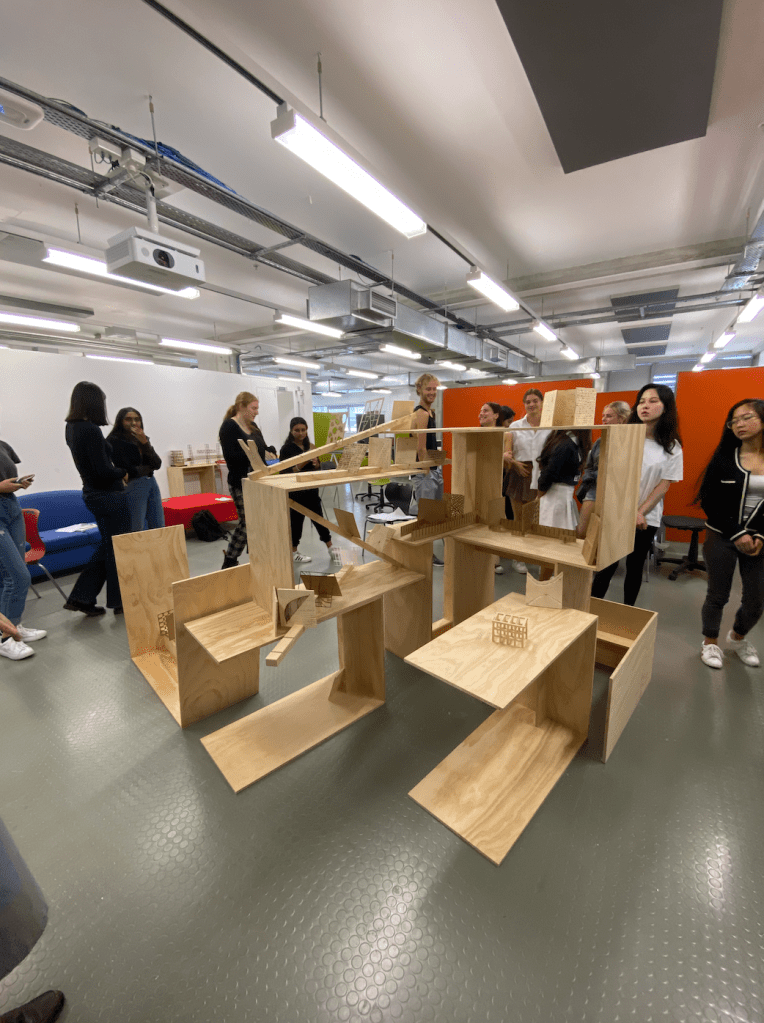
Thinking about height, depth, levels, layers, light, movement.
My group –
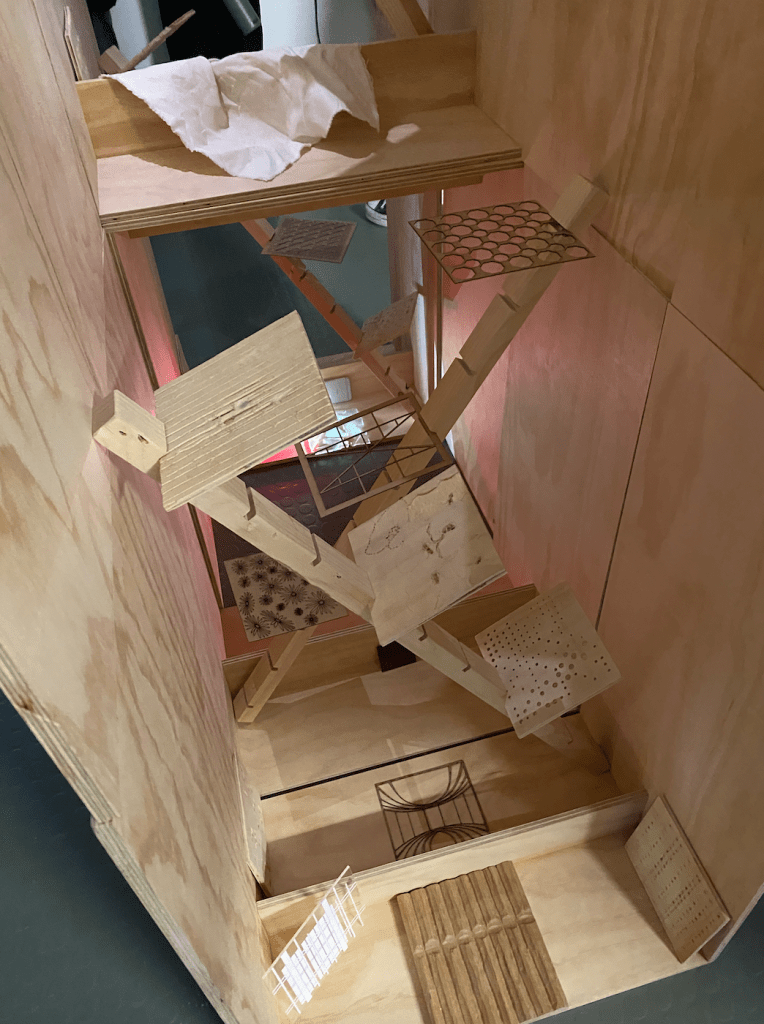
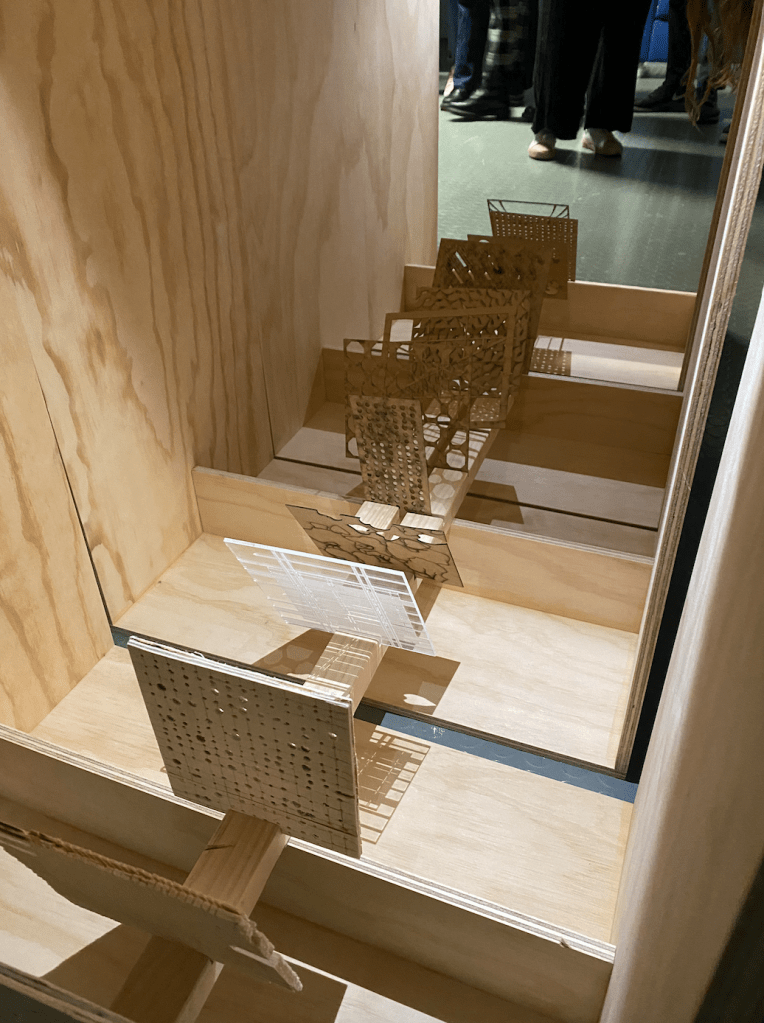
Our group worked very sporadicly. We didn’t have a plan we all just got stuck into moving things around. As it evolved we just tweaked details working as a fluid entity. The result was very dynamic and allowed there to be relationship between the grids displayed. You were able to see through spaces and layering through depth created some cool moments.
Other groups:
It was cool seeing all the different ways you could utilise the same objects. Some groups did a really great job of utilising light in their displays which we didn’t think about in our own. Some created strong movement and would draw your eye through the display.
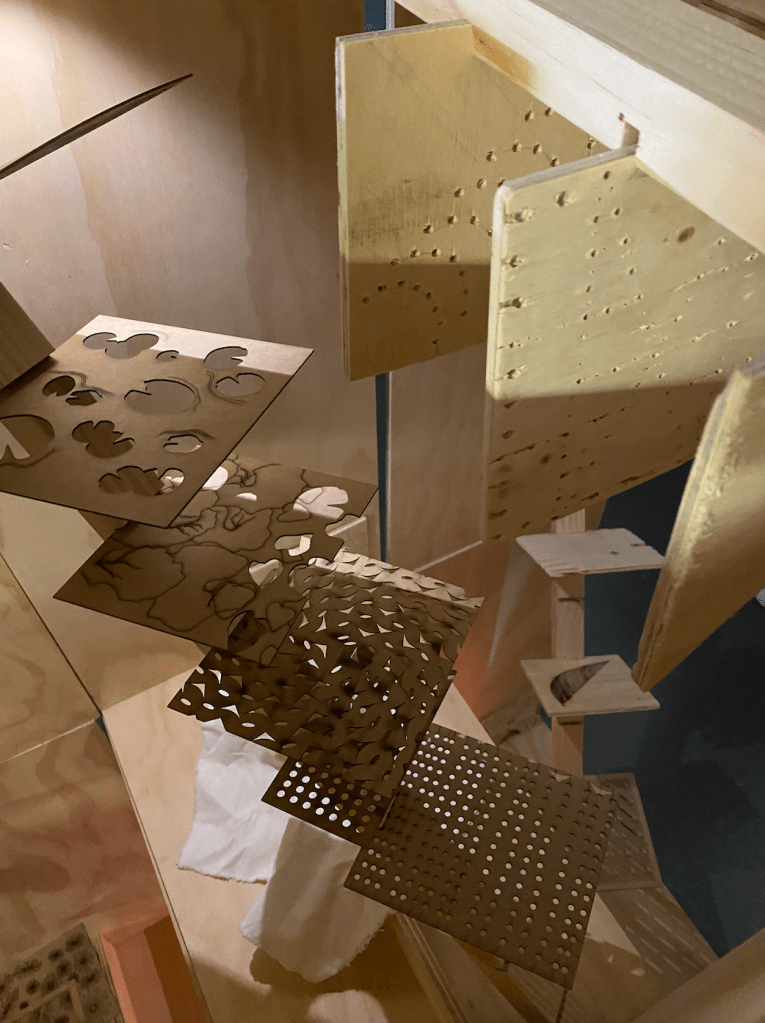
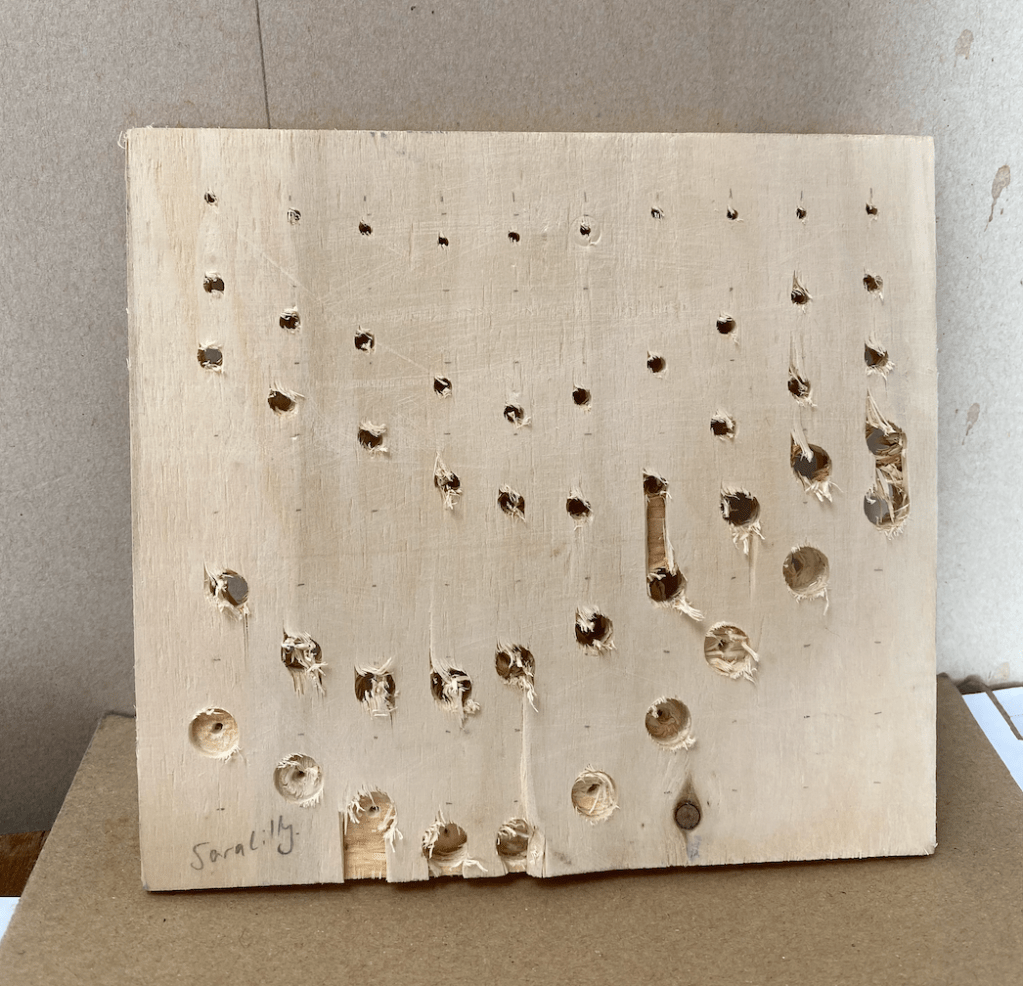
Processes used – i marked out my grid pattern on my ply and used the power drill using different sized bits to put different holes into the grid. i wanted to create a falling effect so i kept the same horizontal distance between the holes but changed the vertical distances between holes. I used different sized drill bits as a went down the ply to make it look like there was more chaos and disorder as the holes went on.
Output – the bigger drill bits ate at the ply and made it look quite scruffy. It might have been better to use the drop saw to minimise this effect.
Tools available:
Power drill and driver
Band saw
Drill Press
Wednesday:
Laser Cutting/Vacuum Forming Workshop
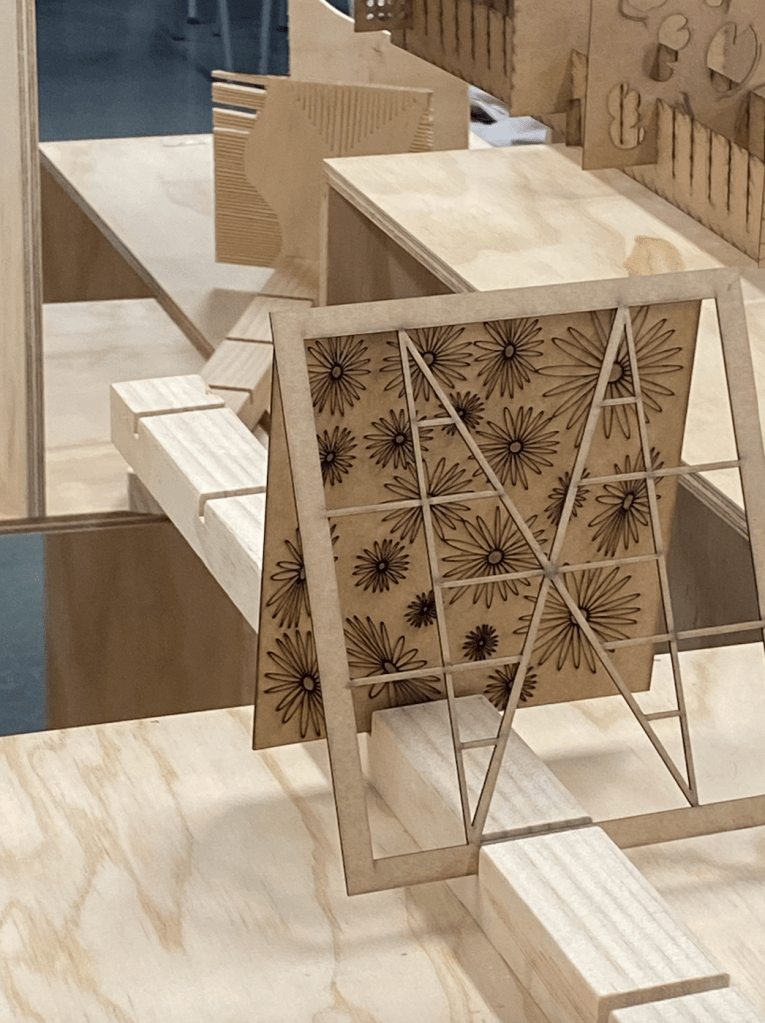
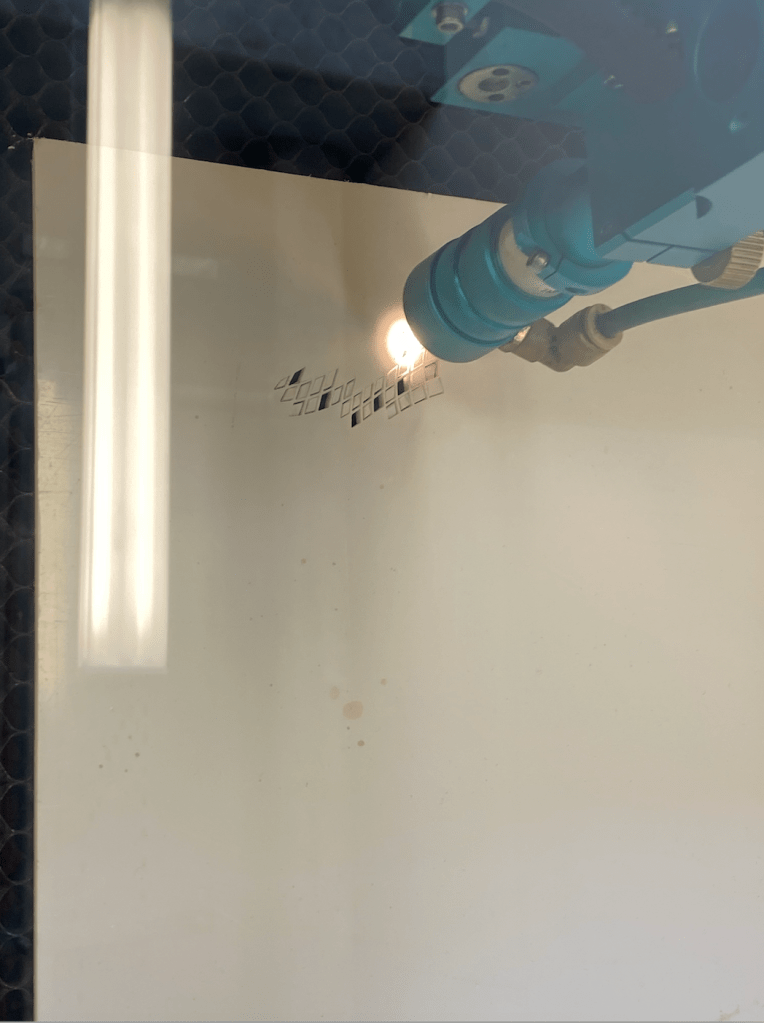
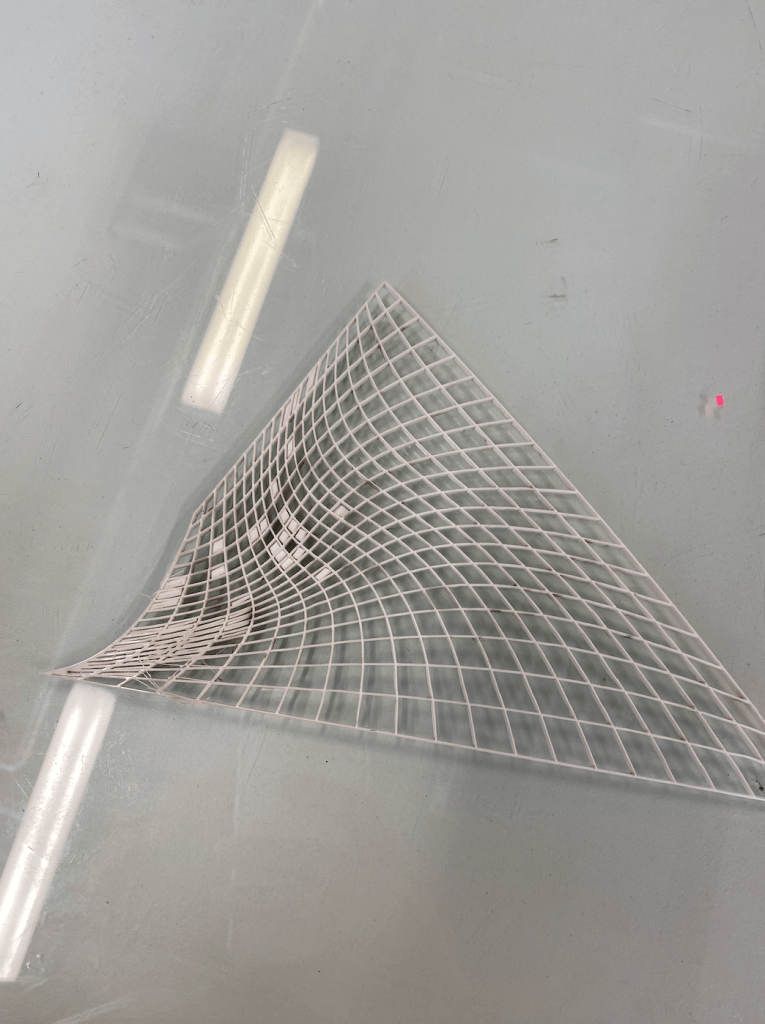
Process used – when creating my grid I played around with warping and twisting the grid lines in illustrator creating the illusion of a twisted piece of material. I then laser cut the warped grid into some white acrylic. In the light, the shadows create a really cool pattern on the surrounding surfaces. The warp makes the material look folded and really cool.
Output – I was really happy with the end result. If I was to do it again I would try and create more movement with the grid.
What ‘grounds’ are these structures built upon (consider the physical nature of the substrate of the site (e.g. earth, scoria) and the historical, social and cultural grounds these structures are built upon.
The land was a scoria quarry originally. It then became a site of Auckland Industrial, Agricultural and Mining Exhibition in 1913 – 1914 before the winter gardens were built. Historically Pukekawa was identified by the Māori early on as one of the best sites in the isthmus area, with the north-facing side of the volcanic cone well-suited for growing kumara, while the hill itself was used for storage and as a pā site. The crater swamp meanwhile provided eels and water.
“Pukekawa” is a Māori-language word meaning ‘hill of bitter memories’, and likely refers to various hard-fought tribal battles between the Ngapuhi and the Ngati Whatua iwi.
After the Europeans bought the land from Ngāti Whātua, it was set aside as a public reserve in 1843 by Governor FitzRoy
What comes together on these variegated grounds? Plants are cultivated off site in a systematic way to ensure an optimal floral display for all four seasons of the year. The plants are arranged in the glasshouses in a deliberate manner using finely honed garden design principles.
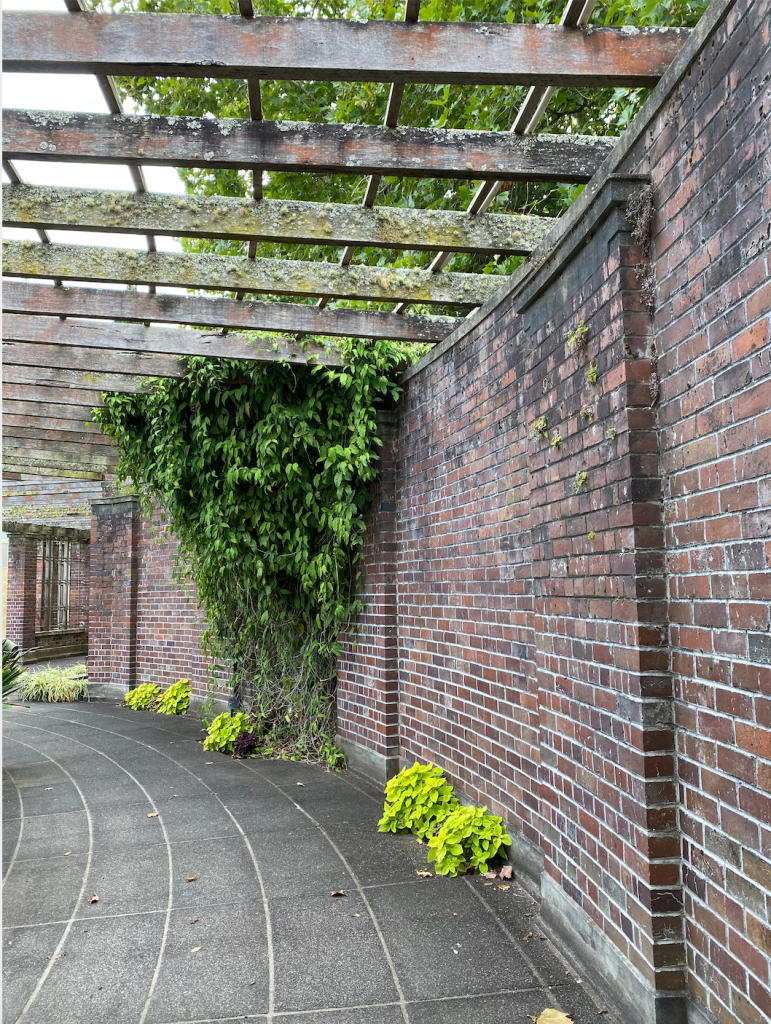
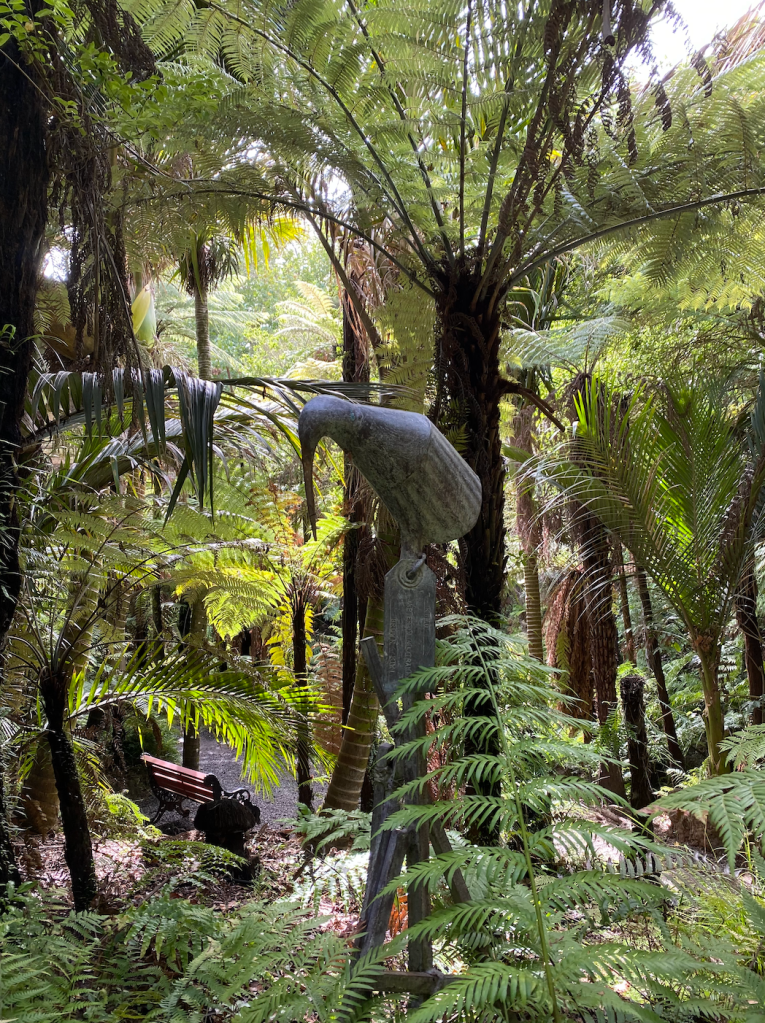
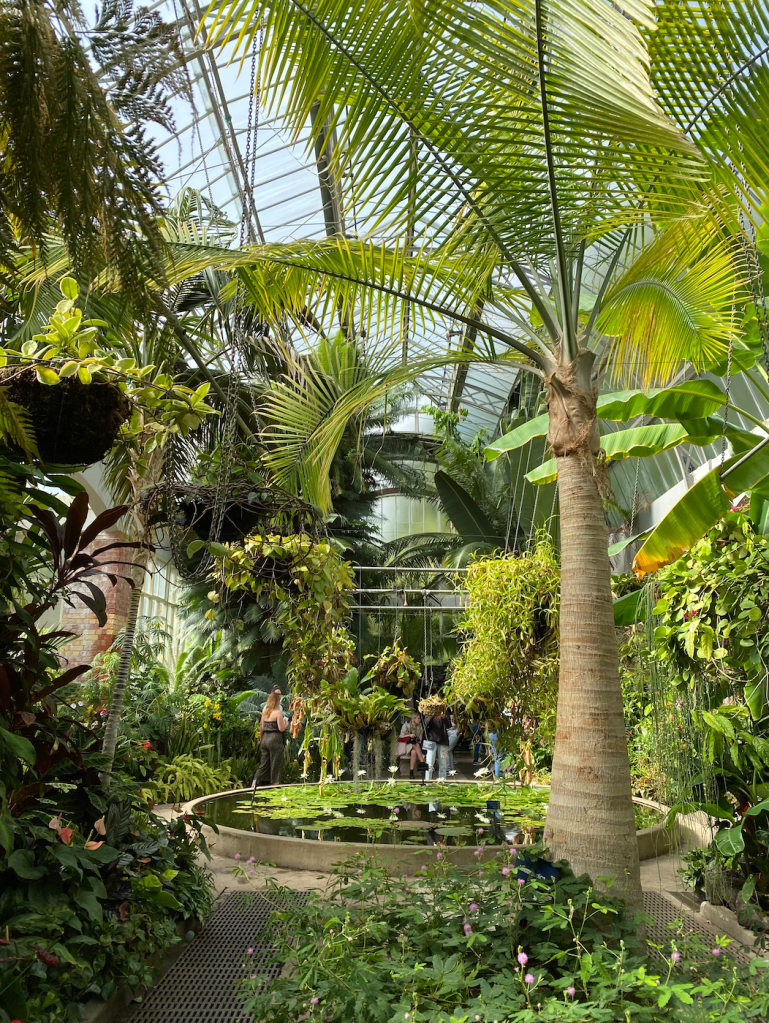
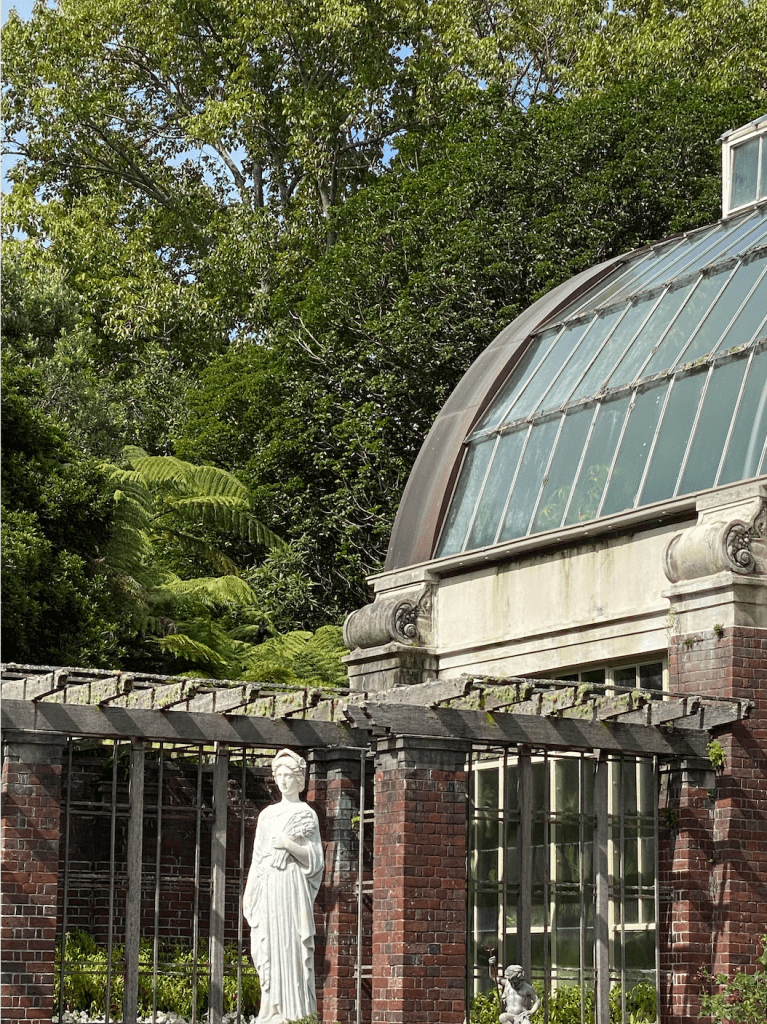
One house is heated and shows off lush tropical and heat-loving plants while the other displays temperate plants changing with the seasons. Substantial pergolas link the formal design and host many showy climbers. A wide collection of New Zealand ferns growing in a sunken scoria quarry to the rear completes the Winter Garden complex. – https://www.gardens.org.nz/auckland-gardens/auckland-domain-wintergardens/
What is a glasshouse? What functions have they served historically? What functions could they serve moving into the future? What does a glass house do? Does it hold life in suspended animation/steady state conditions/brings together specimens on the verge of extinction (think of Kew gardens and the Spaceship Earth project).
‘A glasshouse is a structure with walls and roof mainly made of transparent material, such as glass, in which plants requiring regulated climatic conditions are grown. Glasshouses allow for greater control over the growing environment of plants.’
A glasshouse lets you play god in a sense. It creates a bubble that you control and manipulate as you see fit depending on what you are growing and what you want to see flourish. It allows you to keep exotic plants in a foreign environment healthy and thriving.
Kew Gardens – Kew Gardens is a botanic garden in southwest London that houses the “largest and most diverse botanical and mycological collections in the world”. Founded in 1840, its living collections includes some of the 27,000 taxa curated by Royal Botanic Gardens, Kew, while the herbarium, which is one of the largest in the world, has over 8.5 million preserved plant and fungal specimens. – https://en.wikipedia.org/wiki/Kew_Gardens#:~:text=The%20origins%20of%20Kew%20Gardens,Aiton%20and%20Sir%20Joseph%20Banks.
These controlled environments allow space for preserving plants and organisms that would otherwise be wiped out by natures course or by the effects of man made environments. Originally glass houses were for the rich to display their exotic collections and show their wealth but now they have become about preserving nature from becoming extinct in its natural habitat.
What did these glass houses replace? What would a timeline of the history of this site look like? Would it differ depending upon who constructed it?
Glasshouses replaced traditional gardens. They were more a way of showing off your wealth in a more illustrious way than a garden would.
Work in groups to make a list of the contexts you have discovered so far. Identify what aspects of these contexts is of most interest to you. Try to cover each of the following contexts: • Historical • Cultural • Social • Environmental • Technological • Sensorial • Aural • Material
Contexts:
There are two main historical contexts on the site. The native maori history of battles between tribes on the land, how they utilised the lay of the land for farming and community set up. And the english settlers who came and imposed their way of life, society and systems onto the land as Auckland city and the domain started to develop into a modern city.
The domain itself has been a scoria quarry, soldier camp ground, maori society, active volcano, battle ground, memorial site, public park.
After the english settlers bought the land off of the Maori tribe, Ngati Whatua, they developed the area into a public park. The Auckland cricket team played all their home matches at the Domain until 1913, when they moved to Eden Park. The Auckland Acclimatisation Society had their gardens in the Domain in 1862; they became the Auckland Botanic Gardens. Parts of the layout still exist north of the band rotunda, including some greenhouses from the 1870s.
Creating a new version of reality or the way you perceive it.
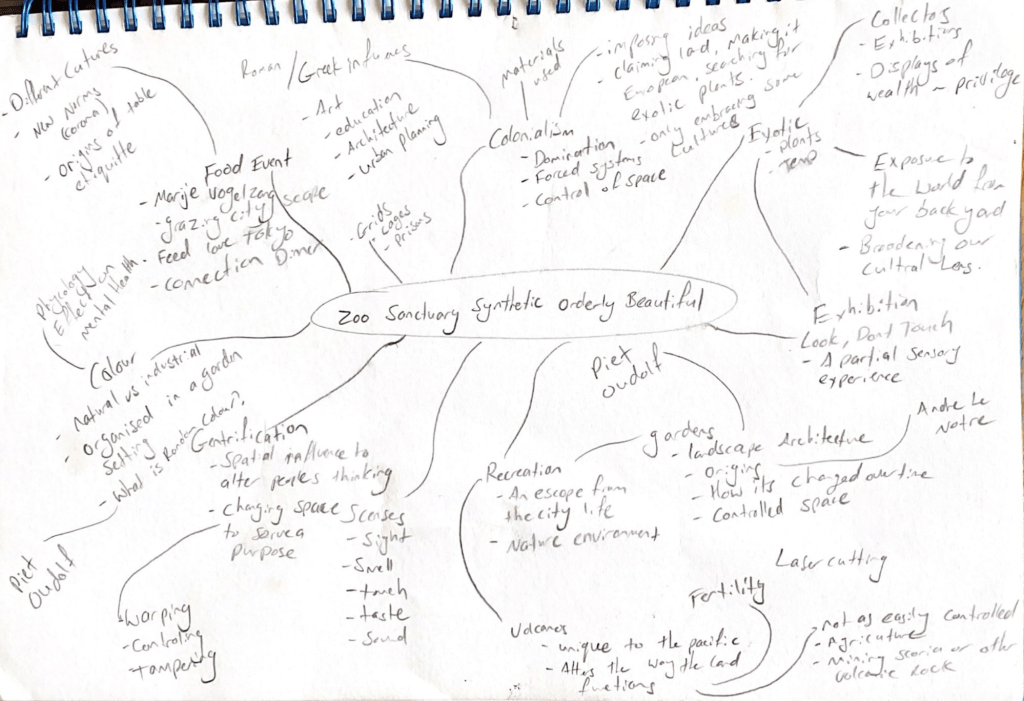
What do you need to do next? Make a mind map using keywords, contexts, and the ‘dinner party’ prompts to help you get a provisional ‘lay of the land’ so you can visualise and share your research and design hunches with others.
Zoo – a collection of exotic things to be admired
Sanctuary – a place to escape, to experience something out of the normal
Synthetic – An unnatural environment created to showcase nature
Orderly – The winter gardens design is very organised and symmetrical lends itself to the theme of control
Beautiful – there is magical beauty about the gardens
Mind Map
Use this mind map to assist you in creating a first draft of your positioning statement on the Auckland Wintergardens Brief.
This positioning statement should identify your key conceptual and contextual drivers for the project, locate the research that has informed your position on the site and any relevant design precedent that may inform your design thinking. You should also include a discussion of your methods for practice: these are the tools you intend to use to develop your project and give weight and emphasis to your key concerns.
First Positioning Statement:
For people who want to experience an alternate version of reality, my food event will connect people in a new way and open discussion about what we have accepted as our cultural norms in Auckland New Zealand. So they can consider new ways of eating and connecting and challenge unhelpful cultural norms because not every system in our society is a good one.
Identify the methods you have/are interested in using in the future and how these might relate to aspects of your research (e.g. pinhole photography, screen printing, instrumental drawing (digital and analogue, furniture design, collage etc….) Identify what methods you think would be a good fit with your main ideas/keywords
Methods:
I’ve used the laser cutter on different materials in my minor paper, I like how versatile it can be when applied to different materials and at different depths. I’m interested in using materials like acrylic as it can be melted, engraved, there are lots of different colours and varying levels of transparency. I also like playing with reflective surfaces and the illusion effect it can have in a space.
Acrylic could also be used in a vacuum former which could create some great warped shapes without having joins distracting from the shape.
Ideas:
I find the idea of human nature wanting to escape or alter reality quite interesting. This theme can be drawn from the colonial settlers in New Zealand in their endeavours to create an exotic display of plants when all of the native bush was new and exotic to them. The reality is never as exciting as a curated version. Is it the sense of control thats more appealing?
The idea of warping and creating visual illusion really interests me and playing with the idea of an alternate reality. This could either be psychedelic in nature, a historical re-write, re-imaging the roles of man and nature.
Draft Brief:
To create an engaging food event in the domain Winter Gardens. The intervention needs to be a temporary installation that doesn’t alter the current structure. A pop up event.
Type of occasion – informal or surprise (both?)
How many people – minimum of 2 max 10 (can there be odd numbers? or does there need to be an even amount?)
Identifying if anyone has particular food preferences/allergies. Labels? charcuterie board? Zones? only provide options that are dietary friendly? or have it be exclusive (comment on privilege)? – This can be related to the way the space is programmed and issues of accessibility could be addressed.
Find recipes to use (conduct research using cookbooks, magazines, websites, family recipes) to suit the occasion. This is equivalent to conduction research into the site and the contexts that surround it.
What cultures? Fusion? Commercial or home made origins? what is authentic cuisine?
Read the recipes to identify the different methods required to produce a meal (these are the tools you will need to make the meal: these tools may be familiar to you or they may be purpose built.
Make a shopping list and decide how and where you intend to source the food. For example, would you forage it (use found materials as your raw ingredient), go to the local supermarket (mass produced foods/materials), or farmers market (to secure fresh, locally grown produce), buy a takeaway, or a mixture of some or all of the above?
Plan out the time it will take to plan your event with care and consideration.
Do I want to highlight any issues?
Setting the Table:
Consider the texture, colour, composition, and scale of each component part of your project in relation to the wider context. What type of atmosphere do you want to convey and why? Who, in particular are you out to impress?
The Domain Wintergardens were constructed following World War I with funds generated from the Industrial, Agricultural and Mining Exhibition of 1913-1914 (which was held at the same site).
“The Auckland Domain had been a public park since 1844 but was considered to be an area that was frequented by “undesirables”. The Wintergardens were considered to be part of the gentrification of the park, providing an attraction for people in the area during the winter months” hence the name. https://en.wikipedia.org/wiki/Domain_Wintergardens
Designed n the arts and craft style of Edwin Lutyens and Gertrude Jeckyll.
The Domain Winter Gardens are a protected Heritage Site consisting of two display glass houses containing temperate plants and tropical plants, a formal courtyard with pond, and a fernery within an old quarry. Entry is free.
Wider context of the Domain:
Auckland Domain is one of Aucklands oldest parks and one of the largest. Developed on 75 hectares around the cone of an extinct volcano. The ‘tuff rings’ created by volcanic activity can be seen in the land contours and forms a natural amphitheatre.
The history of Auckland Domain / Pukekawa:
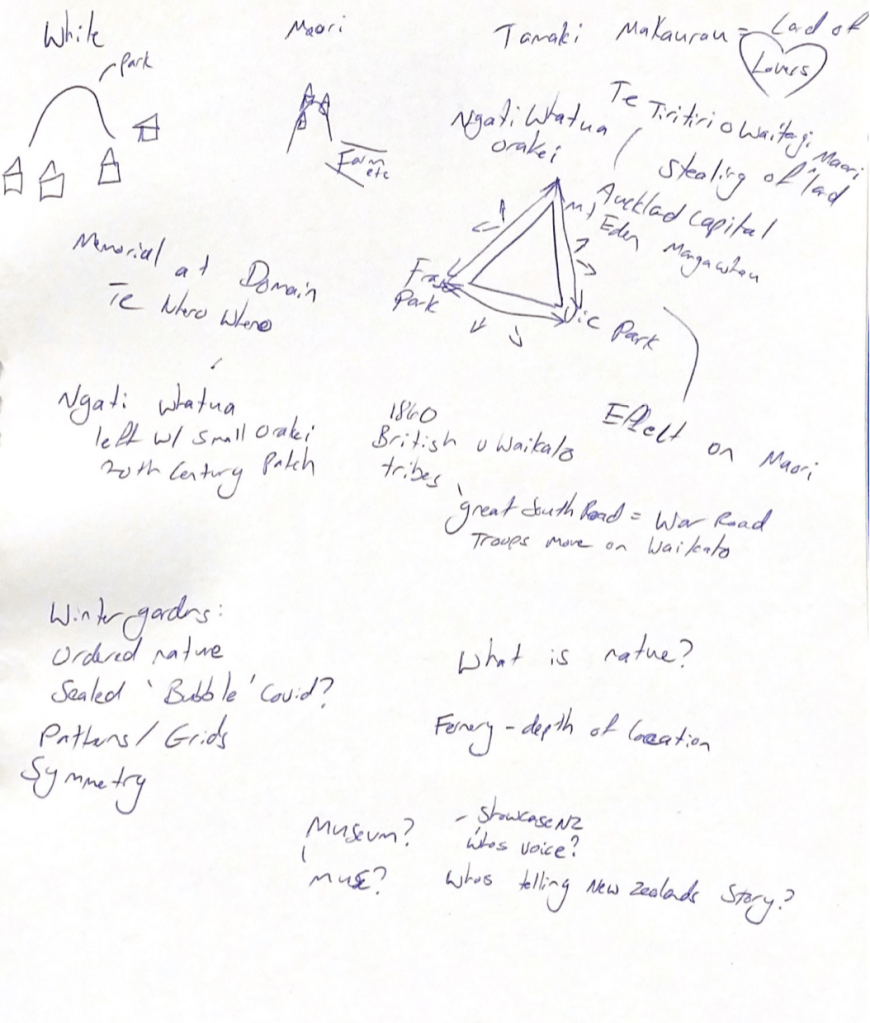
Auckland Domain/Pukekawa is the remnant of the ancient volcano Pukekawa. Its crater extends around the outside of the sport fields. The small volcanic hill is Pukekaroa, the site of a pa inhabited and fought over by many different iwi (tribes) throughout the early history of Tamaki Makaurau.
Governor Robert Fitzroy set aside the 75ha park in 1843, and since then it has gone through many changes.
During the Second World War it was used as a camp ground by American troops, and many exotic plants and birds were introduced by the Acclimatisation Society.
During the 1920s, the Wintergarden added Art Deco style and the Auckland War Memorial Museum became a permanent memorial to our fallen service men and women.
Still present in the Domain is a mighty totara tree, which represents the continued peace agreement between the Waikato tribes of Te Wherowhero, Ngati Whatua and Ngapuhi.
Over the past 10 years there have been high teas held at the winter gardens, garden parties, music events and workshops.
Food Events:
In thinking about a potential food event at the domain winter gardens, it looks like the most common type of food event has been a high tea. There has been an entry fee for these kinds of events and they are tailored to women. Its very in step with the traditional architecture and history of the location. Quite sophisticated and upper class.
artist inspo/ research useful resources
Photos of the site:
Key words/ ideas from brief:
Synthetic world. In a greenhouse, the whole world fits together into a harmonious and controllable unity
The Gardens may be beautiful, welcoming, and historically significant, but they are also entangled with problematic ideas and imaginations. Auckland was already a place of gardens: the various kainga (settlements) of Tamaki Makaurau were surrounded by extensive plantations and constructed landscapes. The concept of nature that arrived with Pākeha settlers is distinctly different from the Māori idea of whenua. How might the culturally specific ideas behind the Winter Gardens converse with indigenous thinking?
– Maori are a people that partner with the land for mutual benefit and gain. European thinking has always been about claiming, dominating and controlling land.
What kind of public space do the Winter Gardens offer?
They offer an attraction for people in the area, a shared garden or natural space to enjoy when wanting to step away from the busyness of the surrounding city.
What public (or publics) does they support?
When the gardens where originally built they served the working class by providing an attraction in the winter months but also served the wealthy as the implementation of the gardens made the area more attractive, inviting wealthy people to move into the area. I would say that this is still the case in 2021. The gardens are another feature of Auckland city making it an attractive place to live and work which brings more working class people into the area as well as wealthy business people generating more income for the city.
Who do they speak to, serve, or exclude? Whose story do they tell?
The gardens speak to the origins of settlers in New Zealand and the early days of our western society. It serves colonial ideology in the domination of a space and excludes the indigenous Maori history, practices and care of the land.
And more importantly, looking ahead, what kind of public space could they offer?
What public (or publics) could they support?
Who could they speak to, serve, or include? What other stories remain to be told?
Drawing on the idea that this is a synthetic world. A world that has been carefully curated to tell a certain story, the space could be used to extrapolate that idea and create an alternate version on reality. A space that feels familiar but upon closer inspection is alien. You could play with the idea of ‘What if?’ and explore that in a context that includes traditional European thinking and Maori History and culture. A parallel universe.
FOOD EVENT DESIGN
The Wintergardens often hosts events. You’re challenged to imagine a food-based event: something as small as a picnic, or something as large as a food festival. It might be a highly formal, staged event, or something more casual. Events are designed to be installed and deinstalled quickly, leaving no permanent trace. Think about creating maximum spatial effect using temporary elements. We will need to workshop aspects like lighting design, furniture, textiles; and temporal planning of the event (what will happen, why is it relevant to the Wintergardens, how long will it take, who will be involved, how will they be choreographed?)
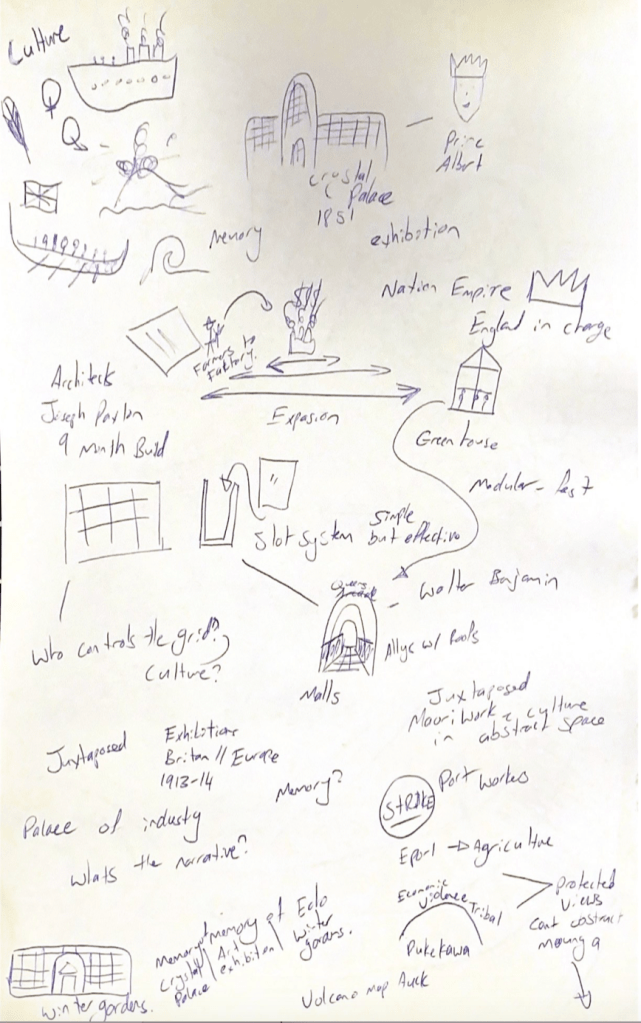
Joseph Paxton – English landscape gardener and designer of hothouses, who was the architect of the Crystal Palace for the Great Exhibition of 1851 in London.
He was originally a gardener employed by the duke of Devonshire. From 1826 he was superintendent of the gardens at Chatsworth, the duke’s Derbyshire estate; he built in iron and glass the famous conservatory there (1840) and the lily house for the duke’s rare Victoria regia (1850). Also in 1850, after a cumbersome design had been officially accepted by the Great Exhibition’s organizers, Paxton’s inspired plan for a building of prefabricated elements of sheet glass and iron was substituted. His design, based on his earlier glass structures, and the grandeur of its conception was a challenge to mid-19th-century technology. Although it was built within six months it was not until later that the structure was seen as a revolution in style. – https://www.britannica.com/biography/Joseph-Paxton
Joseph Paxton was the key influence in the success of the green house. His time at Chatsworth allowed him to excel in his practise.
THE CONSERVATORY, CRYSTAL PALACES AND THE CLIMATE REVOLUTION – A great article tracking the time line of the creation and use of glass, the development of discovering and sourcing exotic plants, the need and innovation of a space to let the exotic plants thrive on foreign ground, the power dynamics at play with the possession of exotic plants, https://www.thecultureconcept.com/the-conservatory-crystal-palaces-and-the-climate-revolution
Marije Vogelzang – Marije Vogelzang is a Dutch “food”, or “eating”, designer who focuses on how people design their food habits, ways and rituals. She regularly works as a designer for organisations and a food industry consultant.
“My real interest in food started at the Design Academy Eindhoven where I started to understand how food has such a powerful emotional influence and how it can be used in rituals. I remember that as a child I was a bit bored by the food and bland flavours of Dutch cooking. Traveling to me meant getting in touch with new flavour experiences and understanding culture trough the tongue.” https://marijevogelzang.nl/about-us/
Significant Projects –
Volumes – ‘The project Volumes is an attempt to influence our eating behaviour and our eating culture. We have the tendency to overeat and are visually mislead by large plates and wide glasses. By adding volumes to your plate your brain will register more food than there actually is. Your stomach can’t count. Your brain will tell your stomach it had enough.’ – https://marijevogelzang.nl/portfolio_page/volumes/
Faked Meat – ‘The world population is growing fast and we can’t maintain the way we are eating meat in the future anymore. In the west there is a big development going on with vegetarian substitutes (protein based products (soy) that look and taste like meat). What I don’t understand is that the meat substitutes always look like real meat.’ – https://marijevogelzang.nl/portfolio_page/faked-meat/
Sharing Dinner – ‘I decided to create a simple “intervention.” I used a table with a tablecloth, but instead of putting the cloth on the table, I made slits in it and suspended it in the air, so that the participants sat with their heads inside the space and their bodies outside. This physically connects each person: If I pull on the cloth here, you can feel it there.’ – https://marijevogelzang.nl/portfolio_page/sharing-dinner/
Wednesday:
Site Analysis:
The domain sits on the volcano Pukekawa, hill of bitter memories, and refers to tribal battles fought on the site until 1828 between Hongi Hika (leading Ngāpuhi from the North) and Pōtatau Te Wherowhero (leading the local Ngāti Whātua).
quantitative and qualitative contexts
A public park in the middle of a big busy city
Has colonial history from the settlers developing the city
Has indigenous history from tribes that had settled on the hill before the settlers came.
Is a shared space maintained by the council.
Is on elevated ground.
Well groomed
A tourist attraction
Auckland domain spans 75 hectares
Is Aucklands oldest park.
Created in 1843 when the land was bought off Ngati Whatua
Why was the site chosen to build on:
The site for the Domain Winter-gardens was chosen to build on to commemorate the Auckland Industrial, Agricultural and Mining Exhibition 1913-14.
Cat statue:
“The original plans for the courtyard area were drawn up by architects Gummer and Ford, and there was to have been a bear at the top of the pillar instead of a cat.
However, one of the decision-makers (it may have been William Gummer himself) was an anti-socialist and thought that, as a bear symbolised Russia and therefore socialism, he would change the statue to a cat.
A story in the Auckland Star of February 4, 1976, provides the second version. Sybil Dibble told the paper the statue was the King of the Cats.
What is the setting? picnic, formal dinner, mingling, big small,
What is the food? culture, how its eatin, how its displayed
Social context? covid, germs, sharing, history, culture
How do people eat in different spaces, cultures? pace, company, setting
Cultural holidays?
Before Monday:
Identify five keywords that highlight particular areas of interest for you related to your research on the site and its social and historical contexts.
Zoo – a collection of exotic things to be admired
Sanctuary – a place to escape, to experience something out of the normal
Synthetic – An unnatural environment created to showcase nature
Orderly – The winter gardens design is very organised and symmetrical lends itself to the theme of control
Beautiful – there is magical beauty about the gardens
Share some visual representations of the site that you have produced (you can use a wide range of media to do this:
Initial sketches exploring the site.
A page of my initial musings towards the site. Noting shapes, patterns, textures.
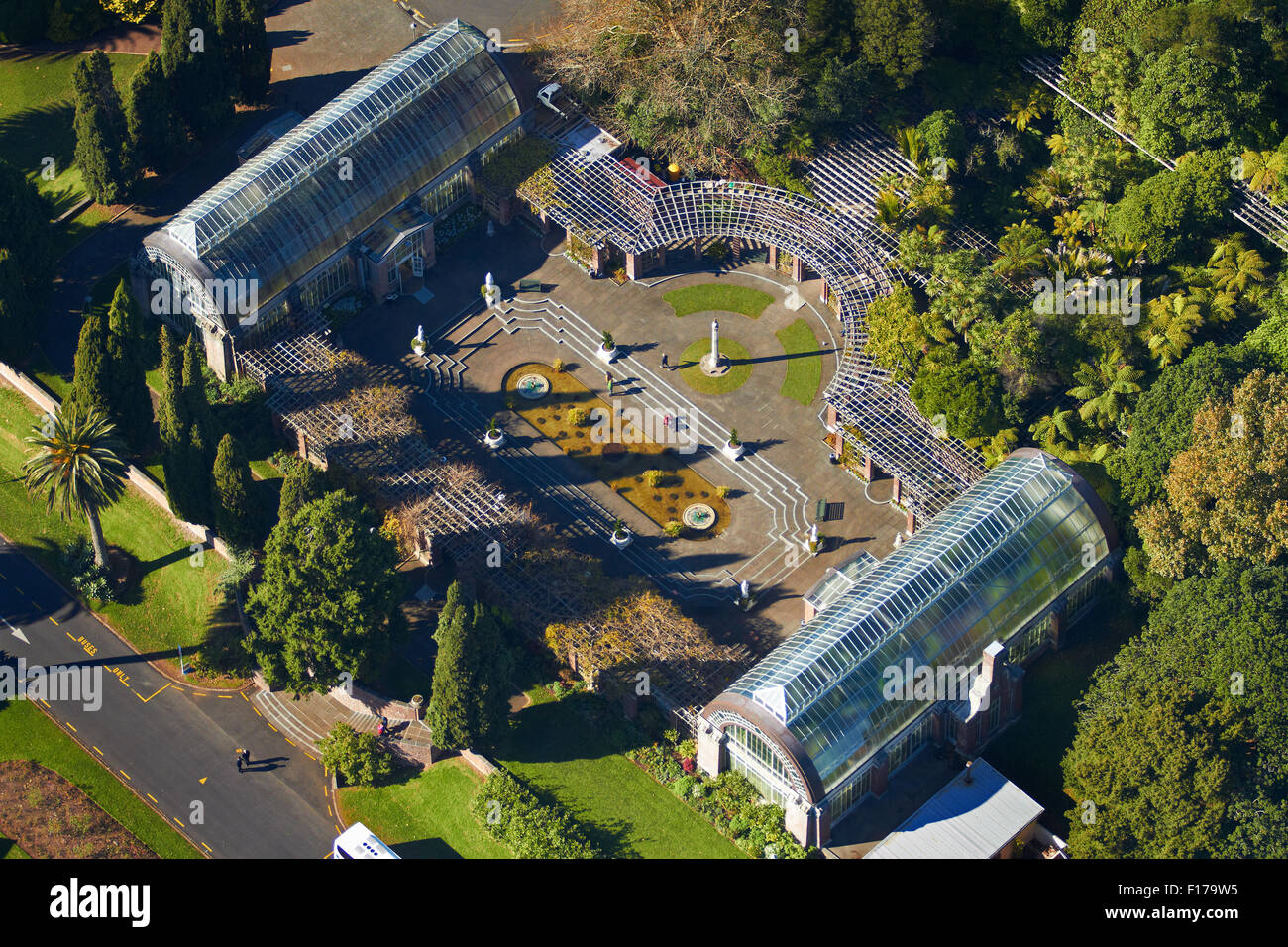
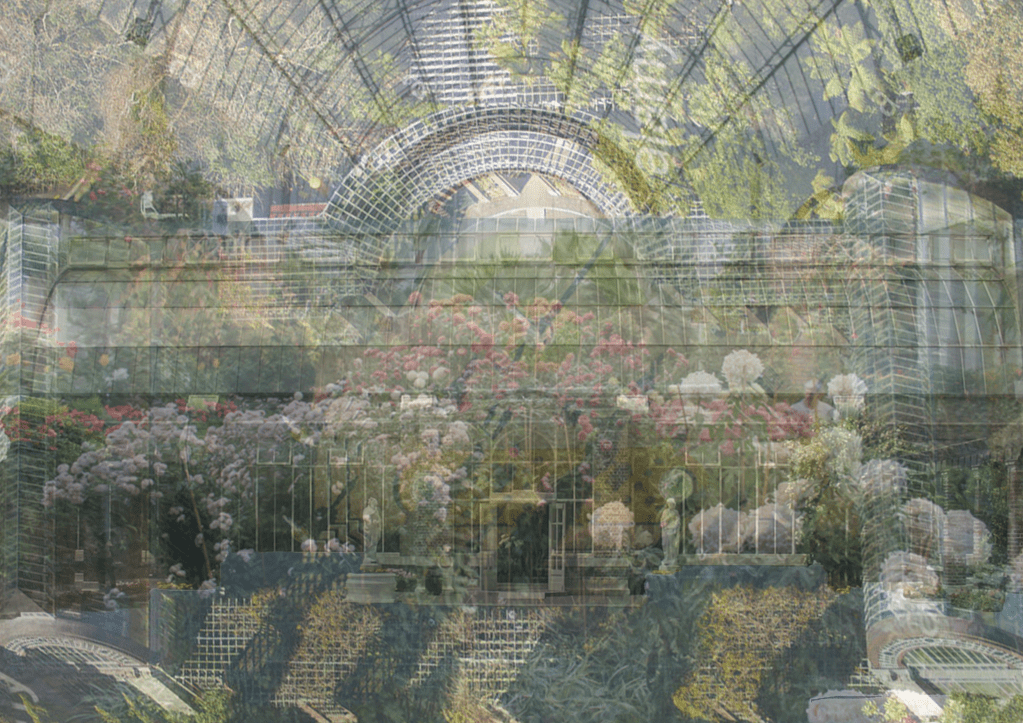
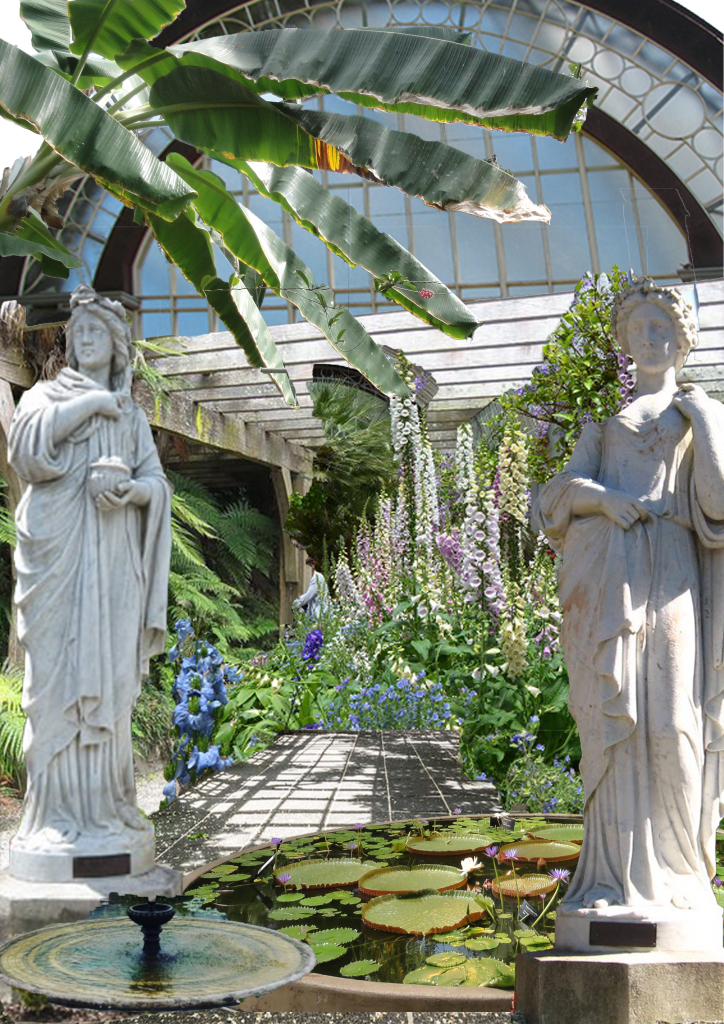
Collage of the aerial view, external elevation view and, interior perspective.
With this layering of images I wanted to identify the symmetries of the site in a wider context.
Collage of site Motifs
With this collage I was exploring the repeating motifs that occur throughout the site. Circles, grid lines, symmetry, order, chaos, boundaries, the partnership between man made and the wild.
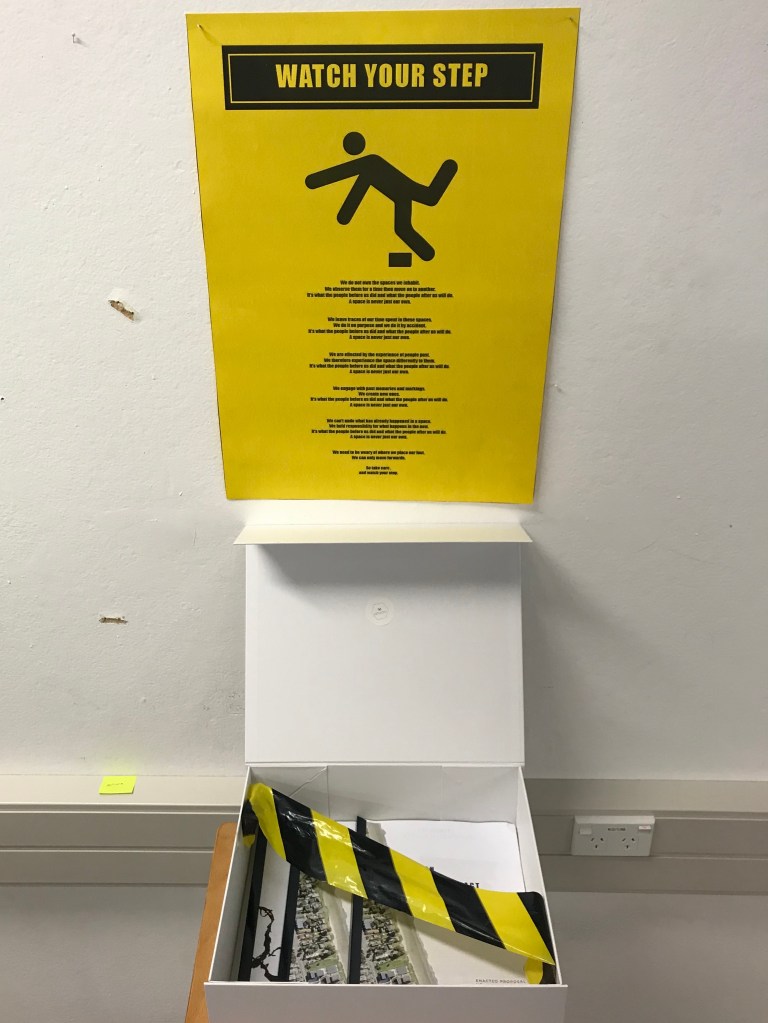
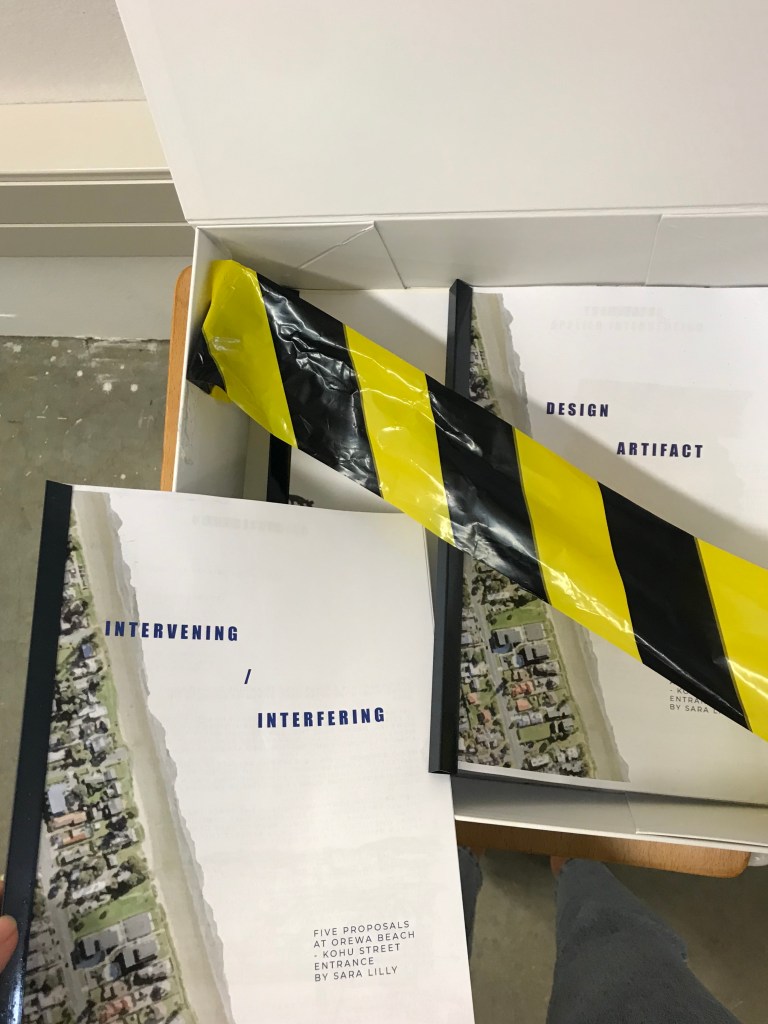
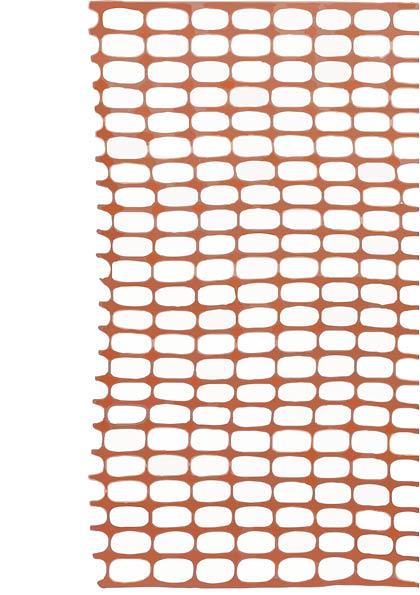
I played with a few ideas on how I wanted to present my work and make it somewhat interactive. My first idea was to have my manifesto on the ground so that it could be marked by peoples scuffed feet. My second idea was to add chalk powder to the box so that when opened it transfers onto your hands and then leaves marks on the paper. This would have shown up well on the yellow paper but because I didn’t end up using the yellow so the idea wouldn’t have worked. My final idea which is the one I used was to string caution tape over the opening of the box so you have to reach past it to get top the documents. this also makes you have to take care to get the documents out or not its up to you.
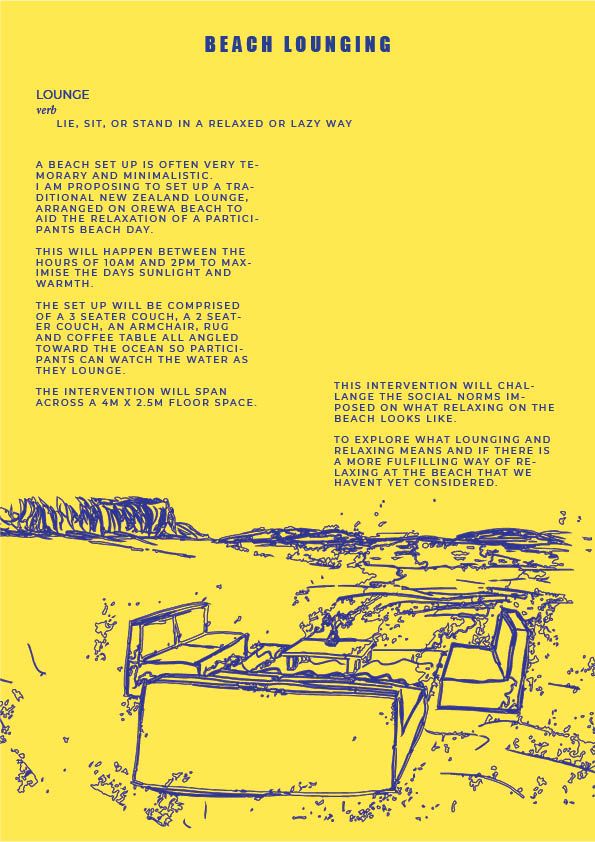
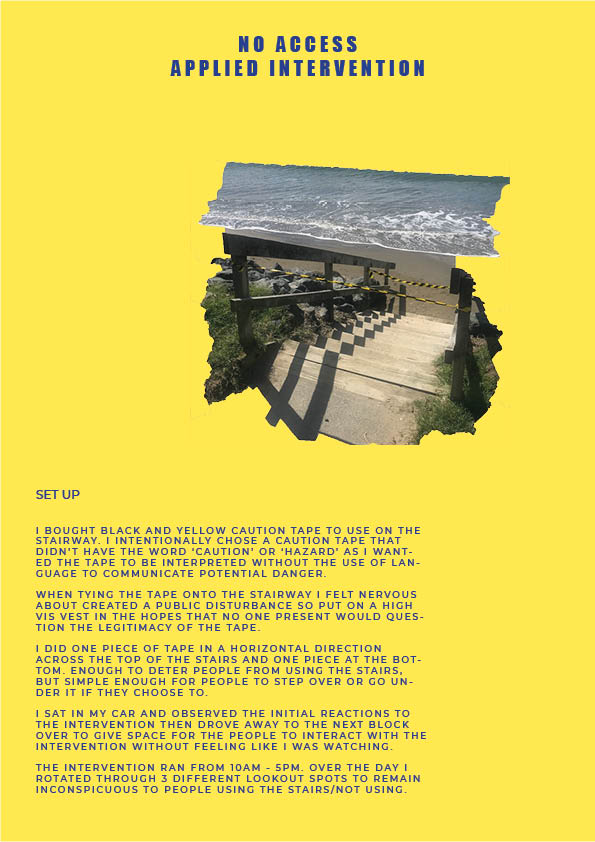
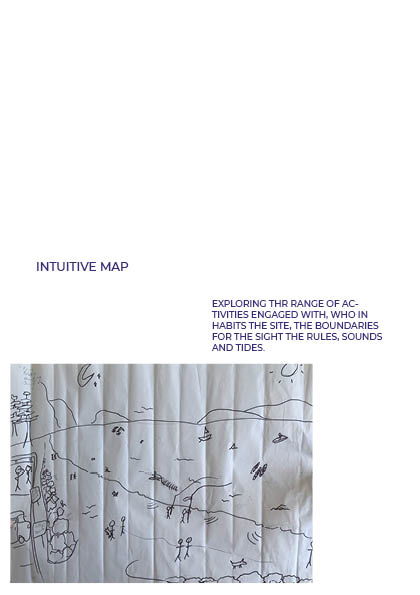
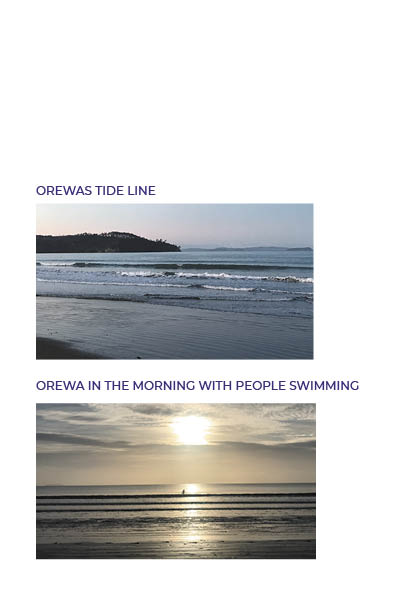
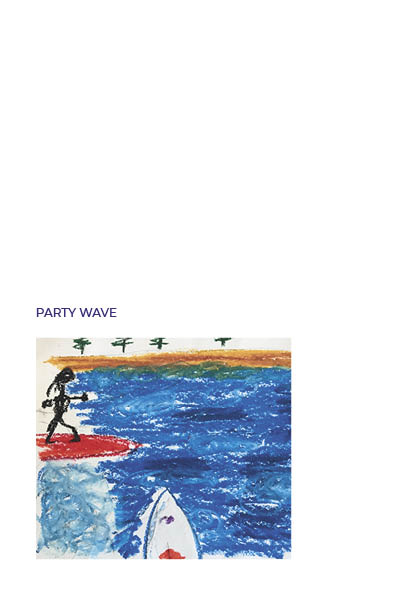
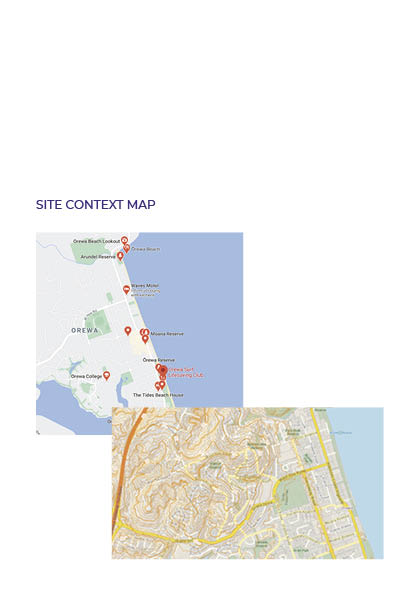
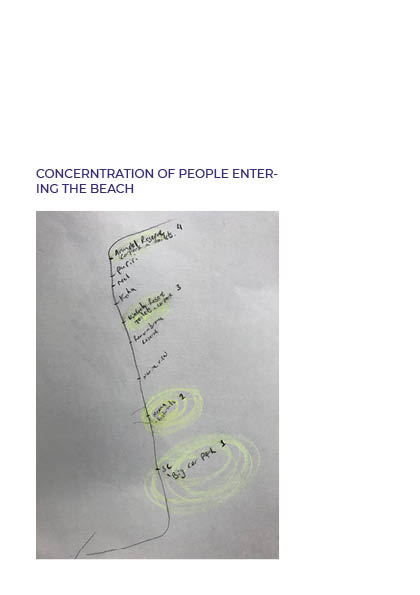
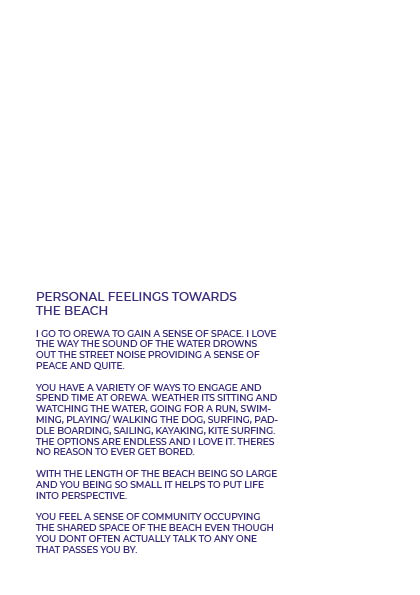
Orewa beach is a space open to anyone to visit and spend time. More often used by people local to the area. Orewa is generally quite a tame beach making it family friendly and more enjoyable for a wider audience. However, Orewa goes through seasons where the elements have eroded and damaged the beachfront, creating steep drops and destabilised access points.
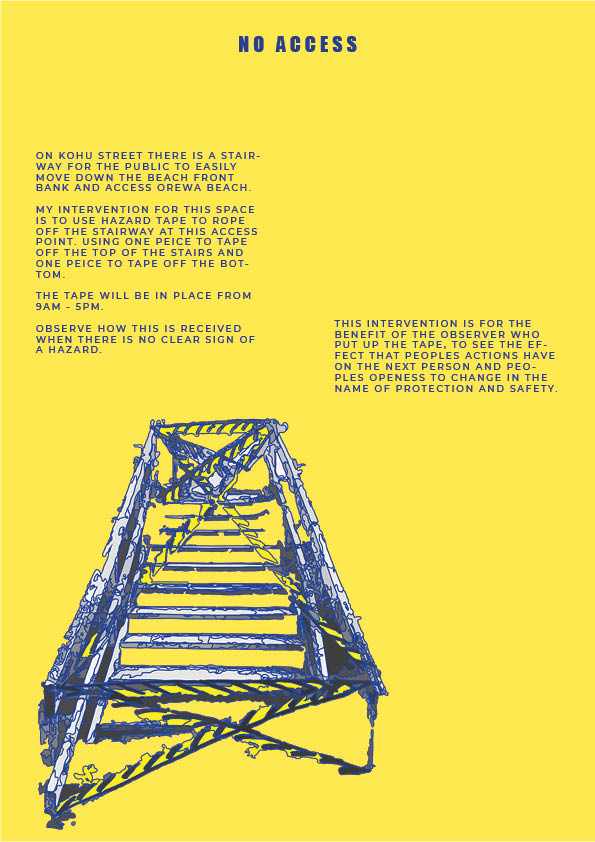
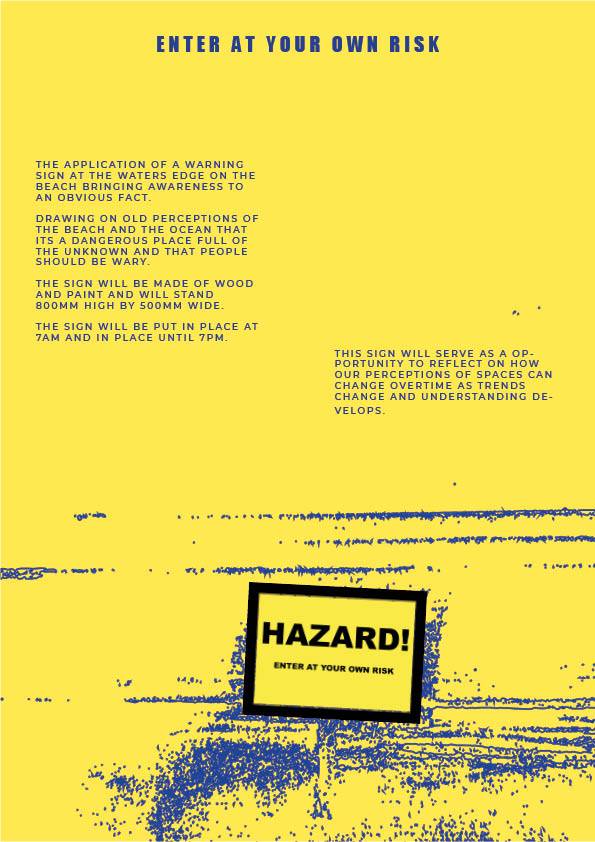
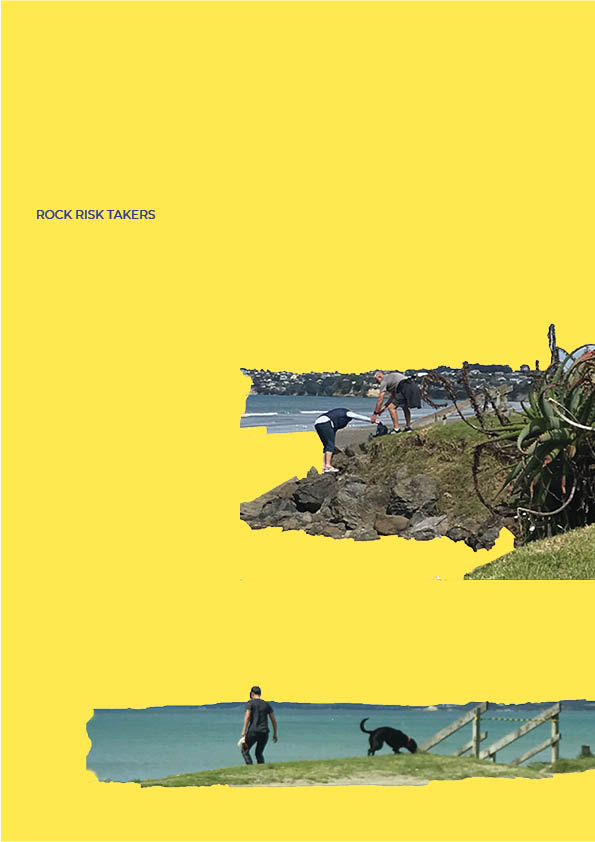
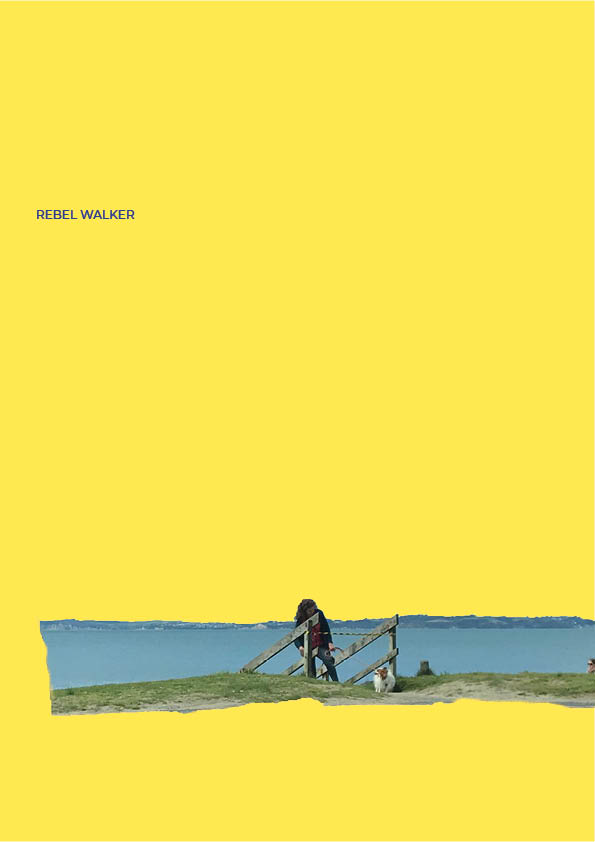
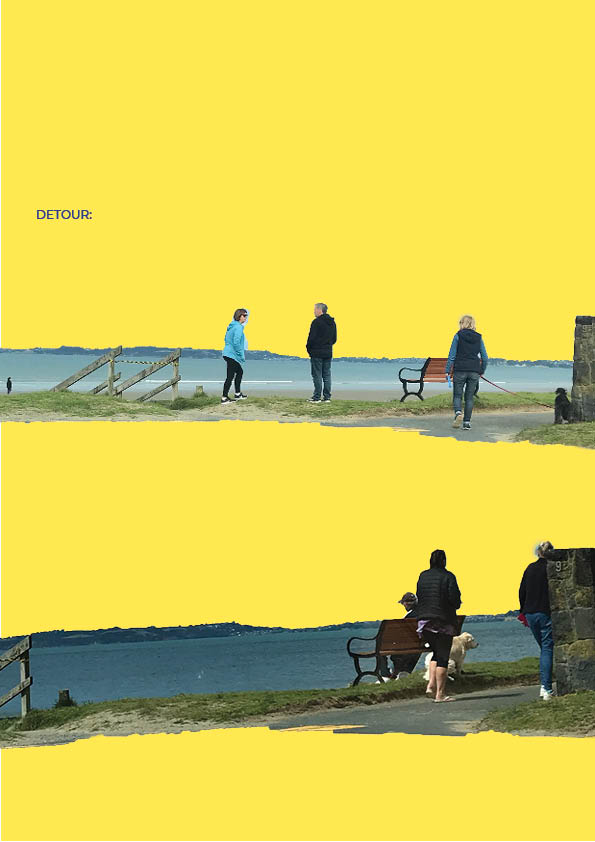
Heavy erosion during big storms results in temporary protective barriers being put up to protect people from hurting themselves from something like a fall and to protect the bank from further erosion from people. They are simple interventions in the space that due to the use of colour and placement they communicate, without words, that people need to take care in that area. Whether people actually respect this subtle, unspoken request, is a different story.
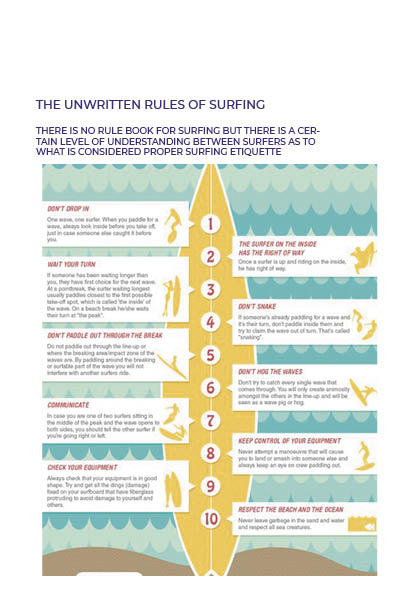
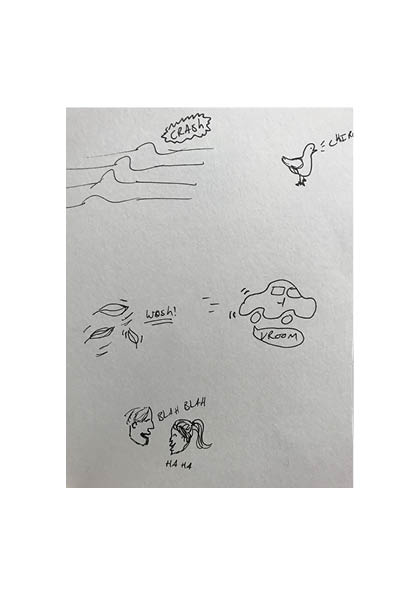
In my observations I found there is a certain level of entitlement toward this shared space. The unspoken rules/social norms of how people engage with the space are enforced by these entitled folk. How much space you take up, what kind of items you bring into the space, the amount of sound you make. If you don’t abide by these unspoken rules you get told off with multiple sets of evil eyes glaring at you and snarky remarks made out of ear shot.
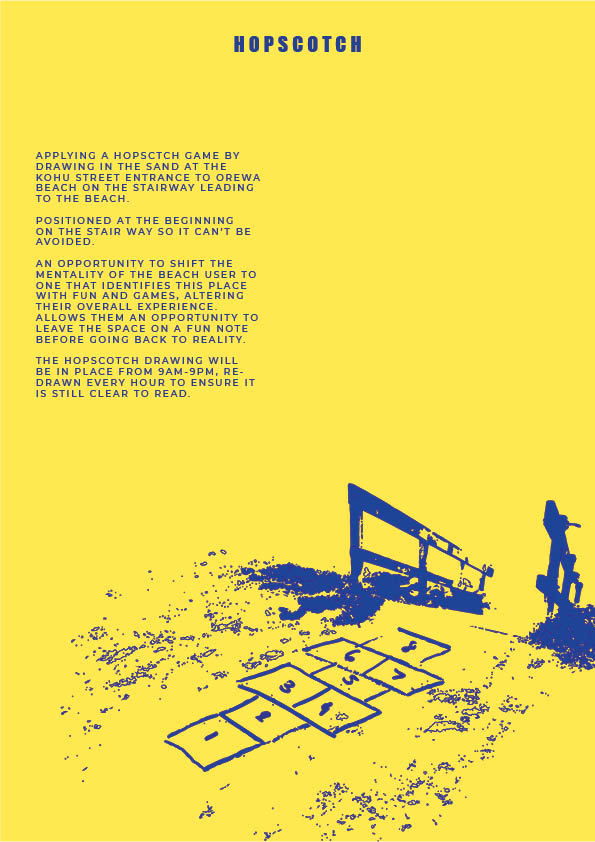
As a spatial designer I want to challenge this sense of entitlement that we feel towards public space. To open the conversation as to how our entitlement makes us interact with our surroundings and how that then affects the space and the other people that enter into the space.
I want to explore this by creating discomfort and inconvenience and being disruptive as that’s a sure way to get people’s attention.
I want people to reflect on their actions and ask, what are you prioritising through the way you act in a space? Are people the real hazard in our spaces?
Final iteration of how its presented:
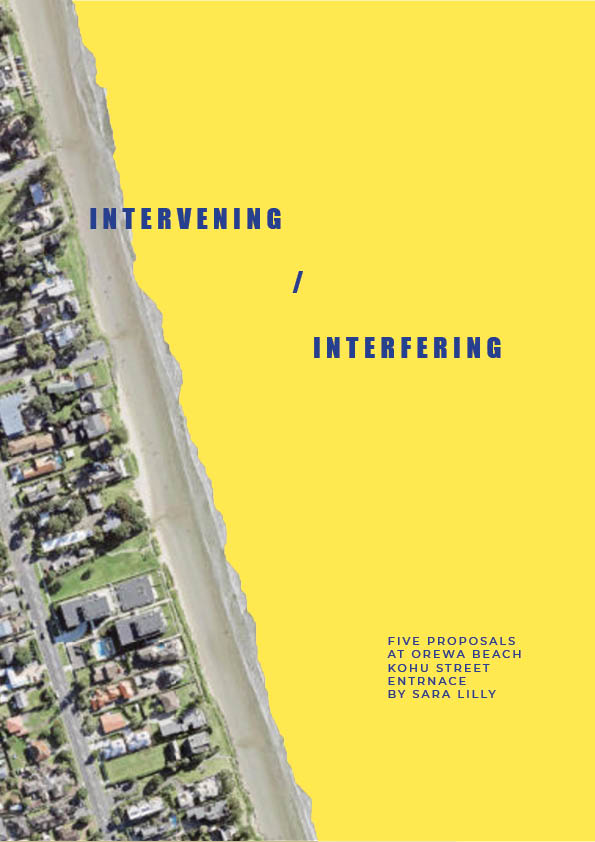
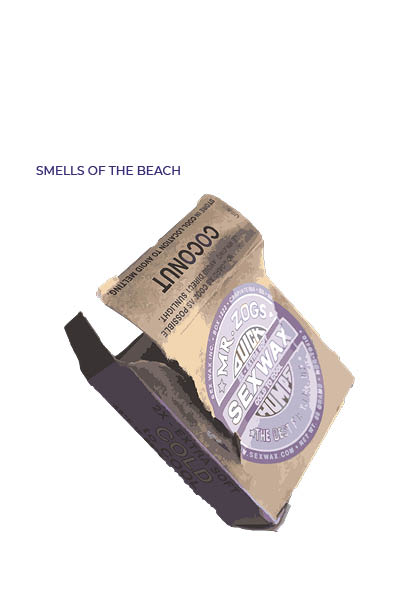
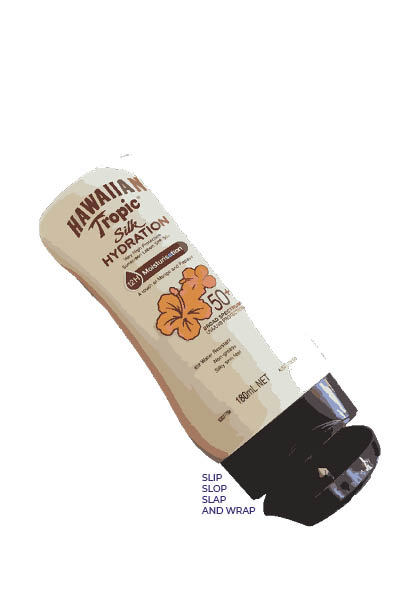
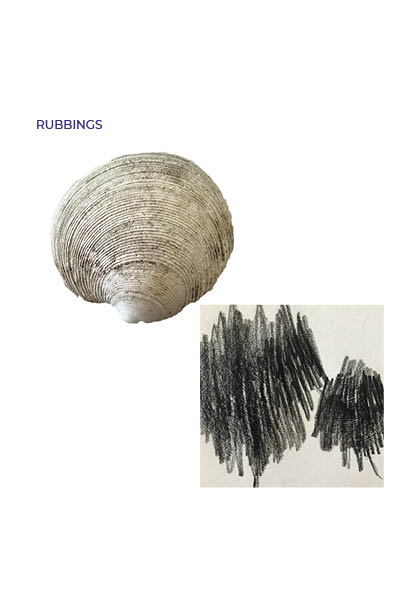
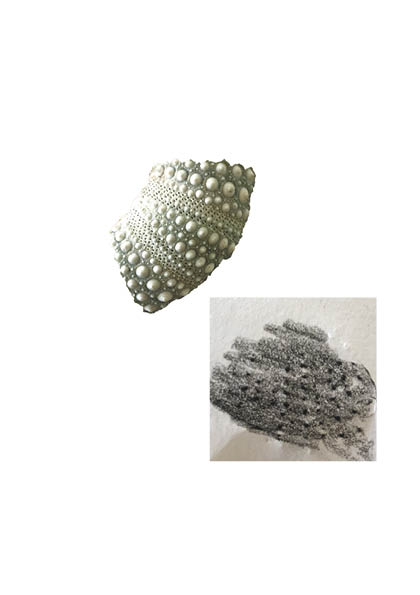
I reworked the layout of my document artefact editing images to give them a more interesting aesthetic and to focus on the main point of the image. I edited the way I described/ explained the interventions going more minimalistic like Allen Kaprows proposals for his happenings. I also played with the layout of the page a bit more using negative space as part of the page layout. This took a few goes playing with colouring the images, using different kinds of image tracing on illustrator and playing with different fonts and colours.
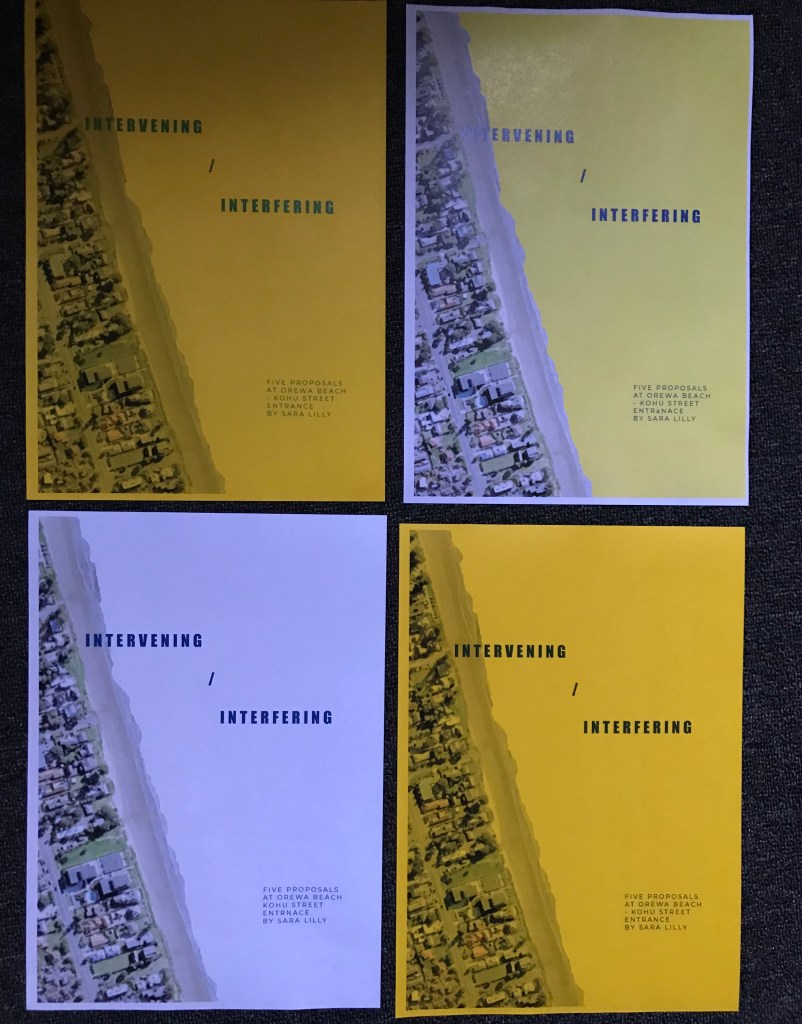
To tie my part two to my part three I added yellow in the background of my document to provide a nice aesthetic flow through my work but also drawing on the colours of the beach, blue and yellow helping set the scene.
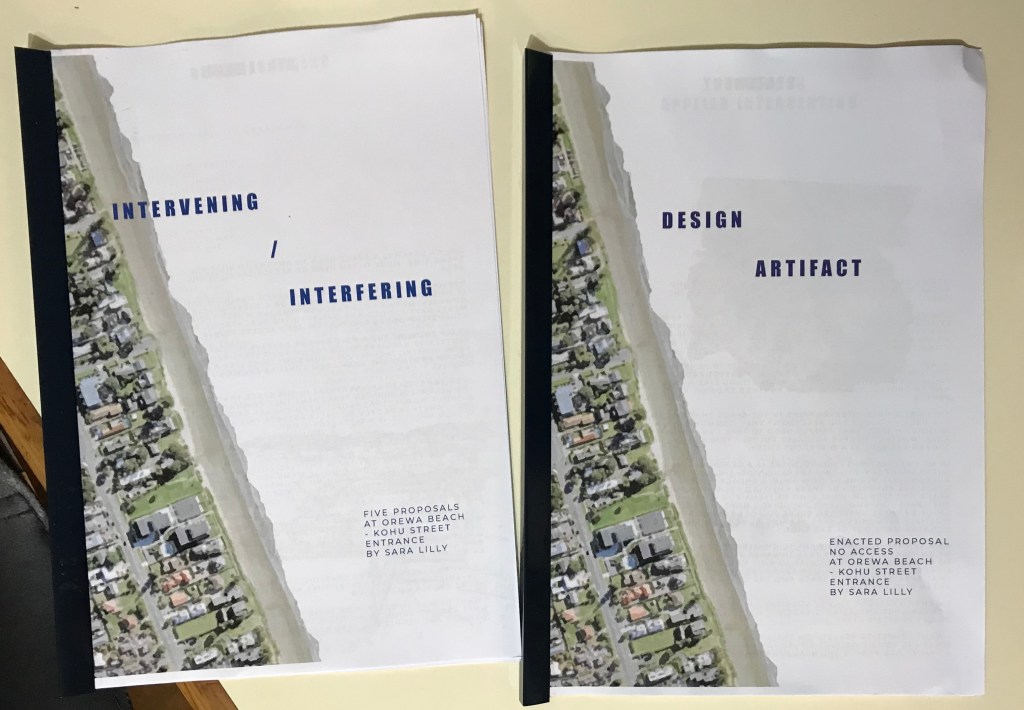
For my physical copy I was going to print onto yellow paper so that it didn’t have that inky finish but when i printed out a test run the yellow muted all the other colours on the page leaving it looking quite dull. I did another test with altered colours on the page but still didn’t pop off the page. I then tested what it looked like when printed on white paper with a plain white background and then with a printed yellow background. The yellow had the inky finish I was still trying to avoid so I chose to print it on white with a white background, bound together with a blue Bindfast Bar.
To make my documents more easily accessible for my final presentation I collated them into an indesign document. I adopted the format I had used in my updated part two so that my part one would have the same aesthetic.
Final output:
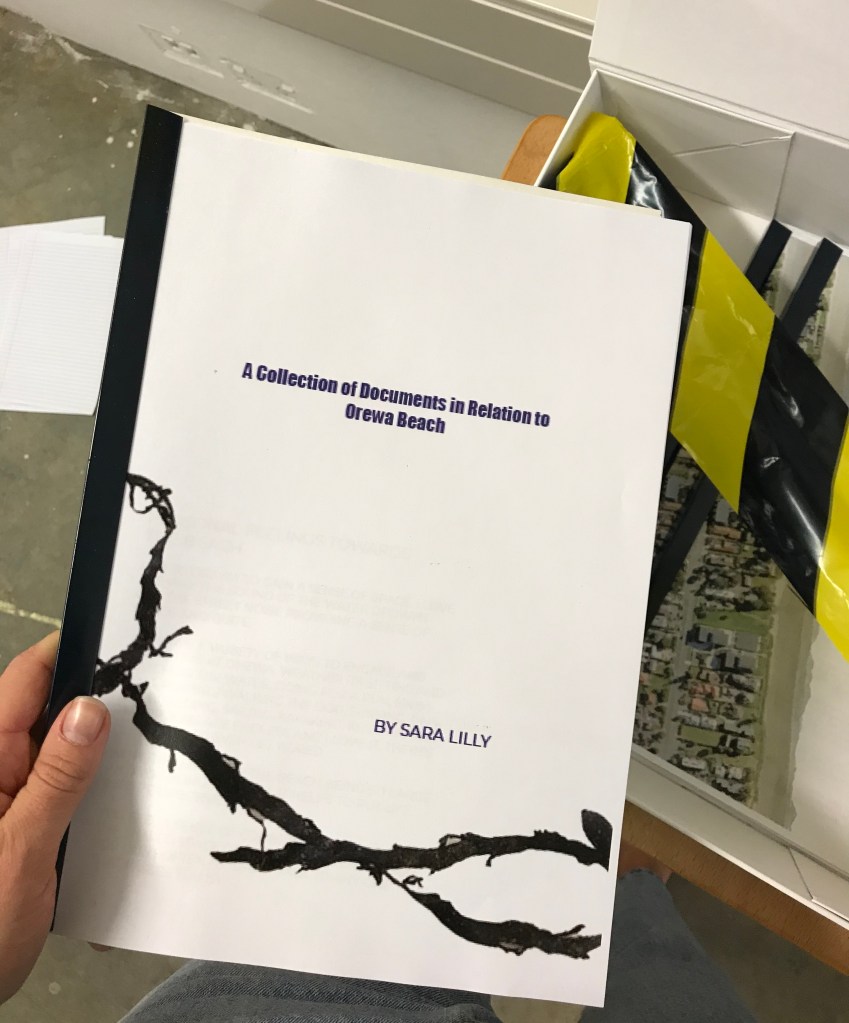
I had made a list of the documents I was going to develop in my final presentation of part one but as I went through developing the final document I altered some of them using different mediums and styles to convey my findings and ideas in a more interesting way.
Documents:
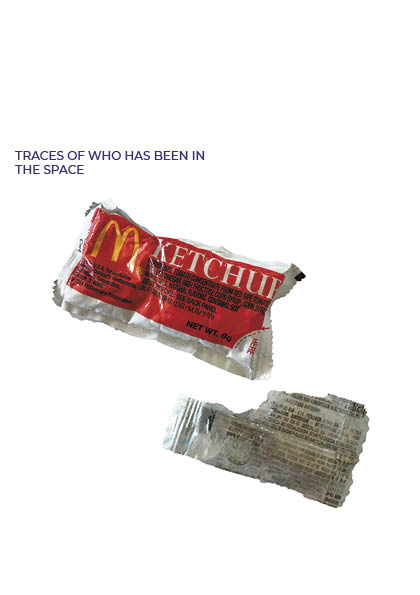
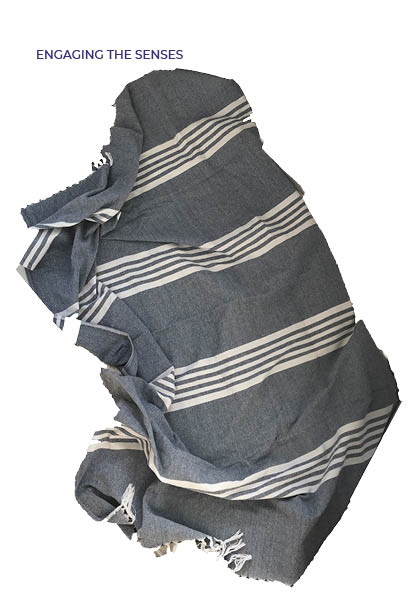
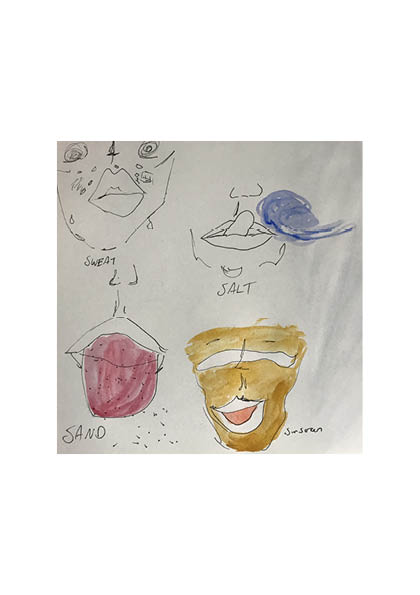
If i was to do this part one again i would buy a sketch book at the beginning of the process so all my sketches, thoughts and research is cohesive with the paper used and is more tactile to leaf through. It would also mean everything would be in one place from the beginning and would have the potential to become evidence of the environment by having spent so much time there. Things like marks from my sweaty hand, drops of salty water, and sand in the spine.


















 Spatial Fabrication