Week 3 Studio:

Year 2 Semester 2

Tuesday:

Maintenance As Art

Art truly is in the eye of the beholder. It’s a shame that most people don’t view the minor intricacies of the world as art until someone calls it out. Art is a mindset. An internal training that sets the world on fire. As long as you look for it, art will always be there. I just have to remember to keep looking.

The American Lawn:

It’s crazy to me that something so common, so simple as a lawn actually holds layers of complexity and controversy. When actually taking a moment to consider the lawn I have come to the conclusion that it is a very unnatural form of cultural oppression on the natural environment. Apart from sports fields they don’t really serve much purpose. The main purpose is to have something clean to look at. Up until recently i had never even given my lawn a second thought and no i’m considering why i even have a lawn and is there a better way to utilise the space. Michael Pollen explores this concept of the American lawn in “Beyond wilderness and Lawn” stating “My conviction is that gardening, as a cultural activity, matters deeply, not only to the look of our landscape but also to the wisdom of our thinking about the environment.”

What is critique for?

  • Building capacity to develop your work as well as other peoples work.

Group defined Parameters of Critique:

  1. Context of location, why, etc.
  2. personal interest/connection in site
  3. idea generation
  4. method of documentation
  5. presentation of documentation
  6. further development and final outcome intentions

Critique of my 10 documents so far:
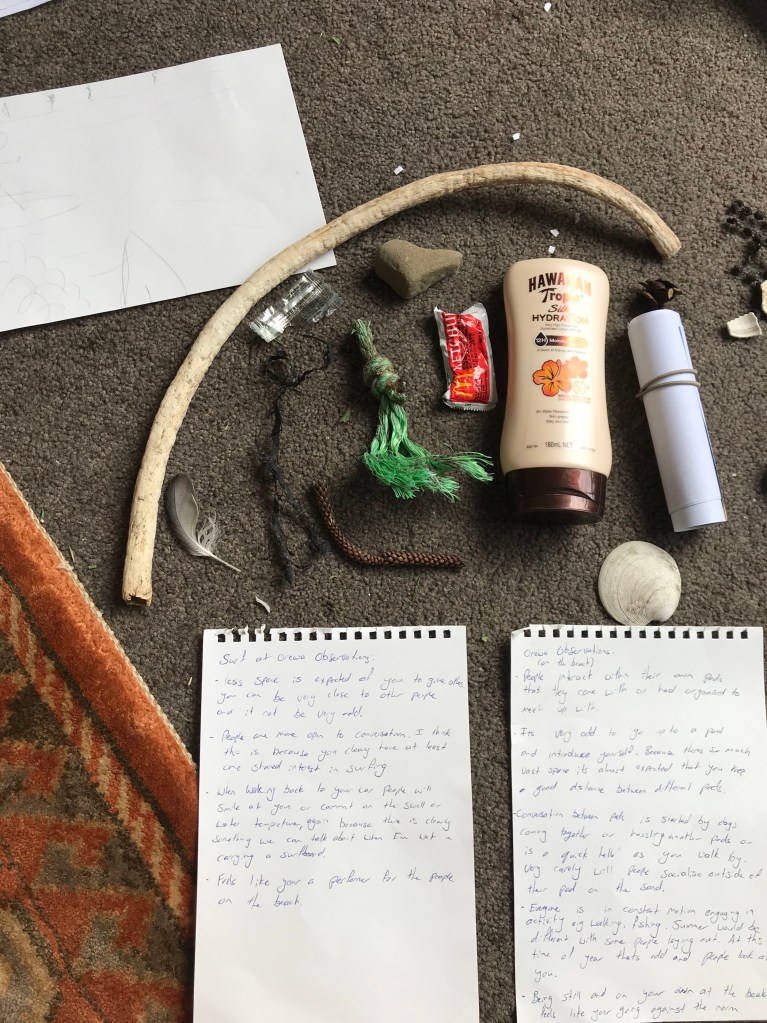
Documents curated so far

My feedback:

  • Explore how the tides affect the way people engage in the space.
  • Note the ages of the people engaging at the beach and in what capacity.
  • An interesting contrast between the use of colour nature vs man made. Bright vs neutral. The evidence of who has engaged with the space.

Further explorations:

  1. The people on the beach have made a distinctive choice to be there and enter the space. Why?
  2. Interviews?

Thursday:

Critiquing each others 5 favourite documents.

Artist research:

Dining Disorder

Dining Disorder

The idea that a process that is normally a one way route could in-fact travel in the reverse is a great new way of approaching my own installations. This would create a new experience with the nostalgia for the original. Through reading this text i was challenged by the term ‘perfect’ in “a perfectly laid table”. Who says that thats perfect? Is there another way that we haven’t considered?

I also liked the way she described the dining experience as choreography as it can feel like a dance when you have a full table and a-lot of dishes to to pass around. It paints a very clear picture and brings new meaning to the dining experience.

Beached whale:

When researching different installations implemented in a beach setting I found this Beached Whale installation by Greenpeace Philippines. Created out of ocean plastic to bring awareness the the level of pollution in the area. The shear scale of the piece is enough to grab your attention. They used colours very effectively creating the gore of spilled guts bringing the horror of the situation to light. The combination of materials, colours, scale and concept are very effective in portraying the intended message. This serves as a good reminder to think abstractly and to think through the most effective way to convey my concepts without needing to explain with words.

In a State of Flux:

In a state of flux

I love the concept of just happening upon an installation/ intervention. The reactions are pure and honest and like Ann Jones said in here article “it existed for those who were involved in the building process and in a different way for those who came across the ice enclosures before they melted away.” Everyone reacts and interacts with the world differently and it can be very clear to see these reactions when something unexpected crosses your path.

“Kaprow believed in the use of everyday materials for making art and developed the idea of the happening: experiential art events, with the art emerging from the combination of the activity of the artist(s) and the response and involvement of the audience.” I love this relationship between artist, art and audience and the concept that the art isn’t complete with out all three.
Week 1 Design Studio: Social Space & Observing/Participating

Year 2 Semester 2

Tuesday Lecture Notes:

‘Social Space’ – to gather together, public space, encourages social interaction. Henri Lefebvre – all space is is socially produced “space is at once result and cause, product and producer”

What is the commons?

Dictionary Definition:

Common as an adjective:

1a: of or relating to a community at large : PUBLIC
work for the common good

b: known to the community
common nuisances

2a: belonging to or shared by two or more individuals or things or by all members of a group
a common friend
buried in a common grave
common interests

b: belonging equally to two or more mathematical entities
triangles with a common base

c: having two or more branches
common carotid artery

3a: occurring or appearing frequently : FAMILIAR
a common sight

b: of the best known or most frequently seen kind —used especially of plants and animals
the common housefly

c: VERNACULAR sense 2
common names

4a: WIDESPREAD, GENERAL
common knowledge

b: characterized by a lack of privilege or special status
common people
a common laborer

c: just satisfying accustomed criteria : ELEMENTARY
common decency

Noun:

peer to perer knowledge, resources held by a community, mangaged by the people whi use them “creative commons”, publicaly owned green spaces

Verb:

Self governance; engaging in relationships and relations that have been diminished under capitalism; continuing reliance on, learning from, and commitment to one another.

Activity:

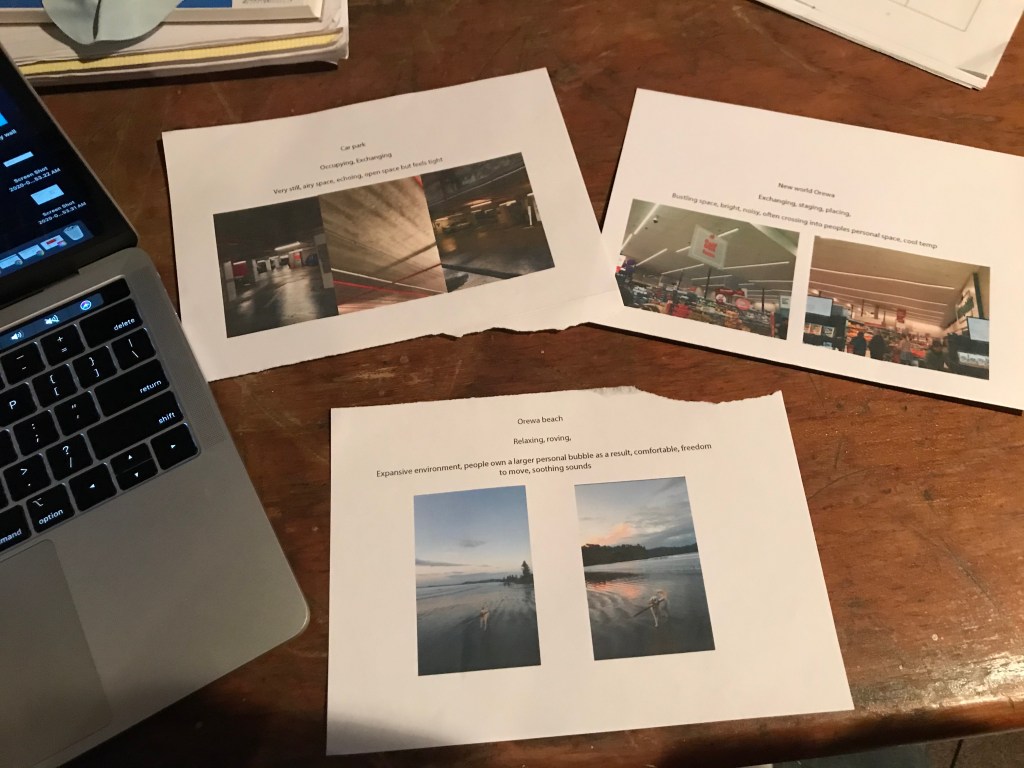
Space 1 – Car park Symonds St

Occupying, Exchanging

very still, airy space, echoing, open space but feels tight

Space 2 – Beach Orewa

relaxing, roving,

expansive environment, people own a larger personal bubble as a result, comfortable, freedom to move, soothing sounds

Space 3 – Supermarket

exchanging, staging, placing,

bustling space, bright, noisey, often crossing into peoples personal space, cool temp

Thursday Lecture Notes:

Choose a social space to observe/participate in. Consider the full range of actions and interactions that occur.

Consider how it’s presented in relation to the chosen location.

Dinner parties Sarah Wigglesworth – The disorder of the dining table.
Straw bail house

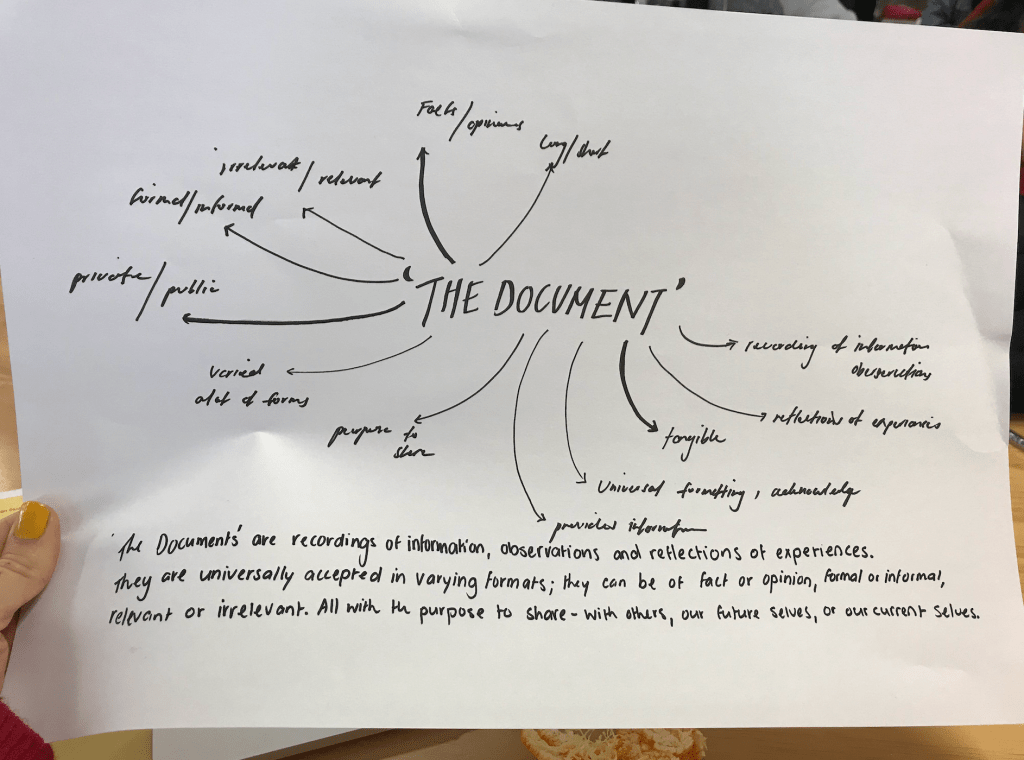
Definition of a Document:

Gravitational Pull:

Orewa Beach

  1. Roving
  2. Relaxing
  3. Occupying
  4. Joining

I chose Orewa beach, as it’s a place I repeatedly visit and have visited for years. It’s a place where you can escape life for a bit, relax and reset before going back to reality. I think the gravitational pull of the place is the sense of peace it provides or a free change of scenery from regular lives.

The coast has always been a place of exchange, culture and trade. A hub where all kinds of people can come, mixing and mingling.

Orewa may not be a port of trade but it is still a place where all people are able to come and share the space.

Being at Orewa Beach you get a sense of being apart of something, togetherness, whilst also being left to do your own thing if you choose to

An hour of observations:

In observation I noticed lots of pairs of people but very rarely did those pods interact. And if they did it was very brief.

The age range of people was very broad. Due to the location of the beach being close to a handful of retirement homes there was quite a lot of silver folk walking on the beach. You would also get young families with their kids playing in the shallows or being walked in prams and teenagers hanging out after school.

I noticed that the white noise of the waves drowns out everything else providing a sense of peace and quiet.

The activities that people were engaging with was mostly walking up and down the beach. There were also people running, sitting, surf life saving training, catching up with friends, watching the water/beach and walking the dog.

People didn’t interact with other groups of people very often they usually just stuck to their own pod. Some instances when they did interact it was the interacting of dogs that connected people or if they recognised someone they already knew who was also at the beach.

George Perec Text:

Personal analysis:

I love they way Perec breaks down the layers of an environment from a surface level right down to the clay deep below the surface. I found it incredibly helpful reading through the different concepts he explores. I definitely need to practise the discipline of noting ‘what is of no interest, what is most obvious, most common, most colourless’. I really like the the point of not saying/ writing etc. when observing a space to not be lazy and actually exhaust the list.

His prompts when observing people were really simple yet I hadn’t thought to ask them when I was observing my space. Things like where are they coming from, who are they, what is their speed of motion and do they live locally.

There is so much more to Orewa Beach than I had noted down in my first round of observations and I will use some of Perecs prompts for analysis next time I observe the area.

Week 10: 3rd Iteration and Design Development

Year 2 Semester 1

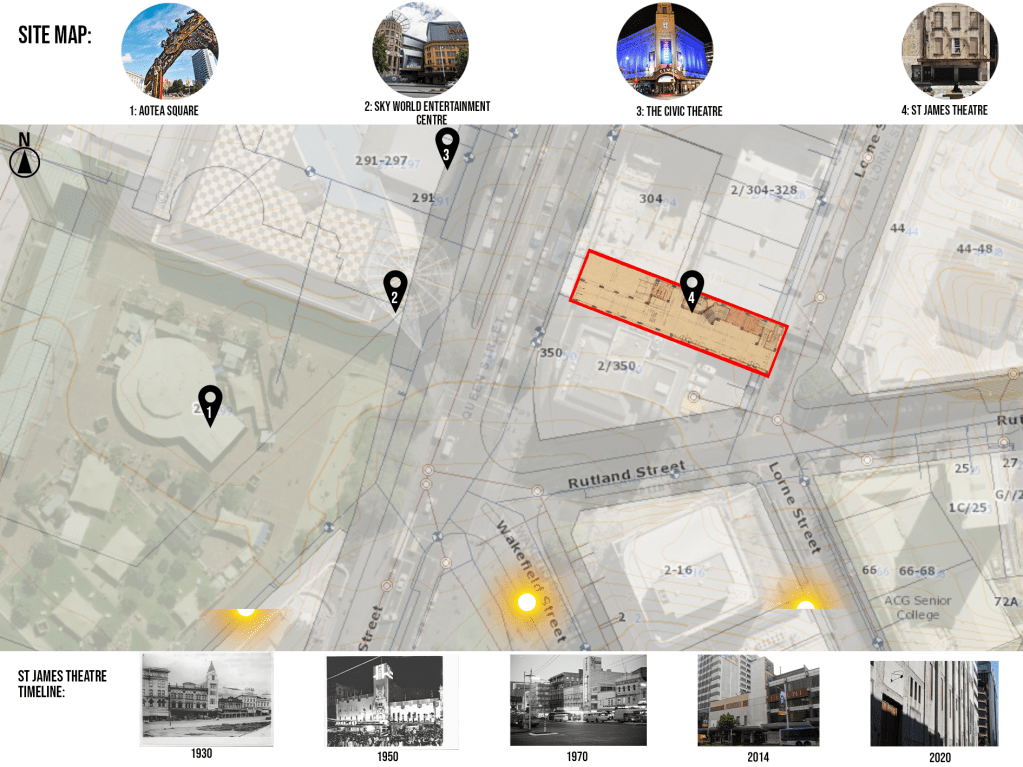
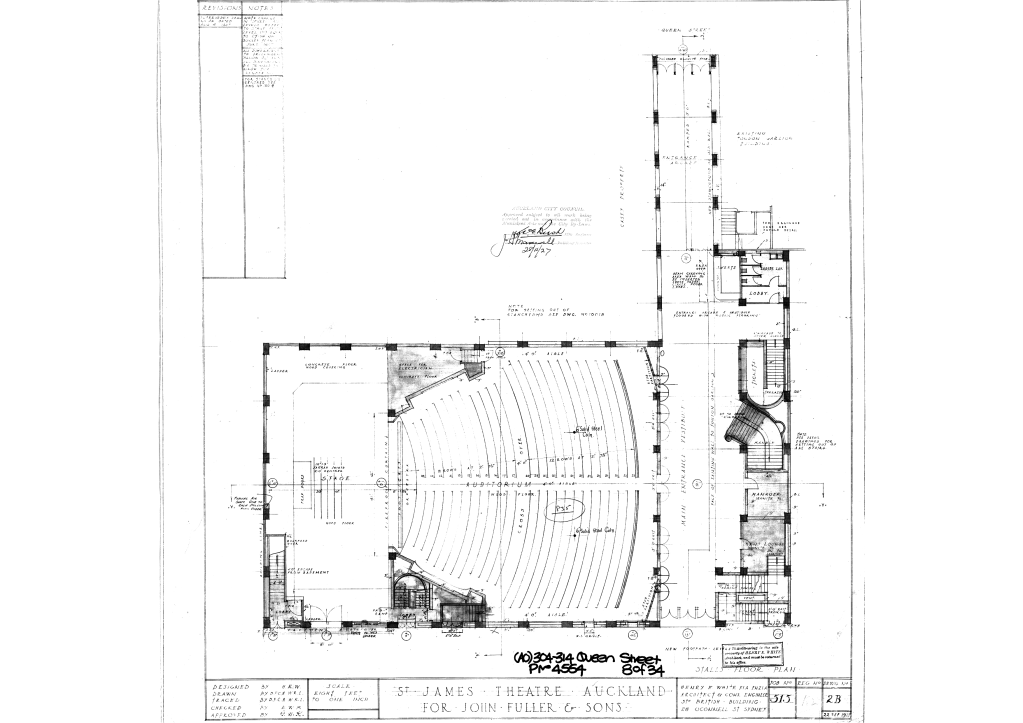
Site Map Developed:

3rd Iteration Design Development:

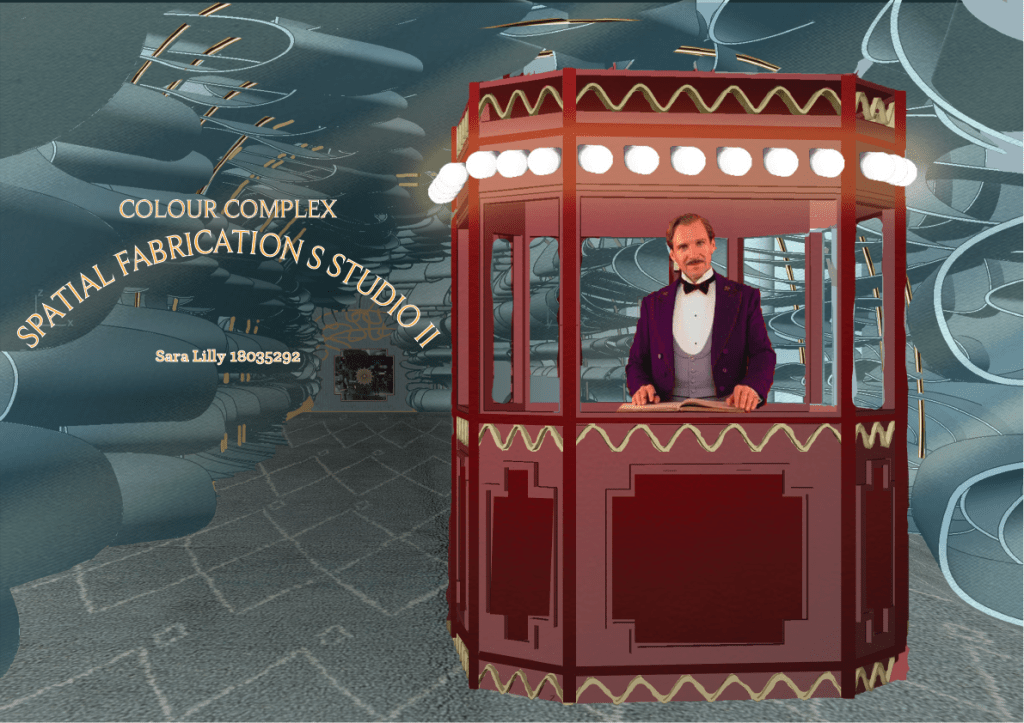
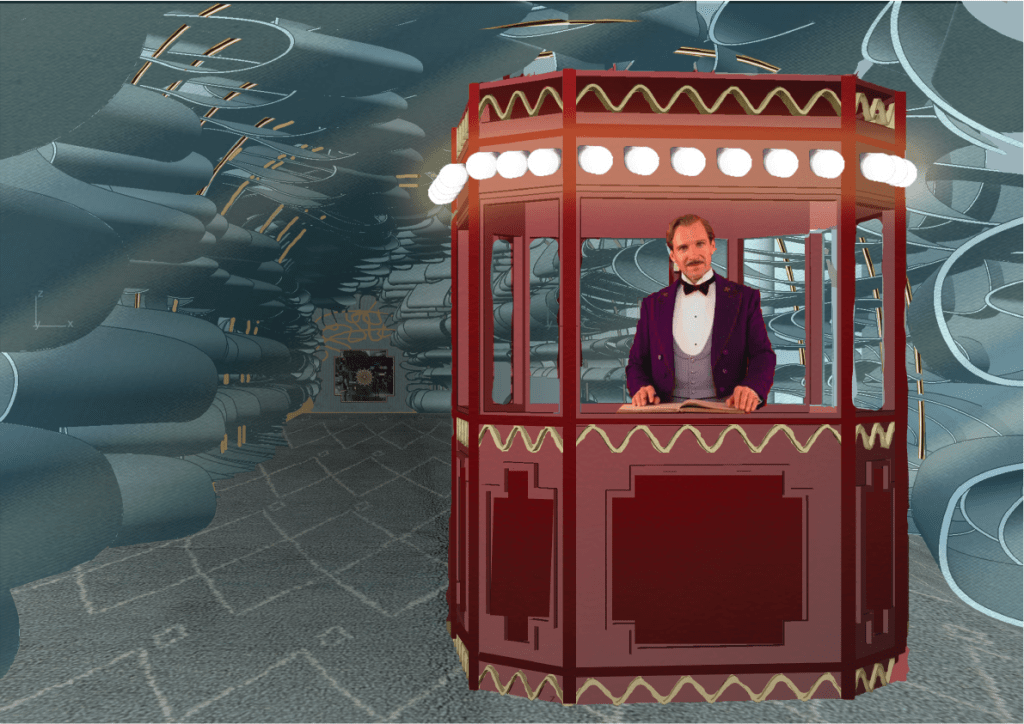
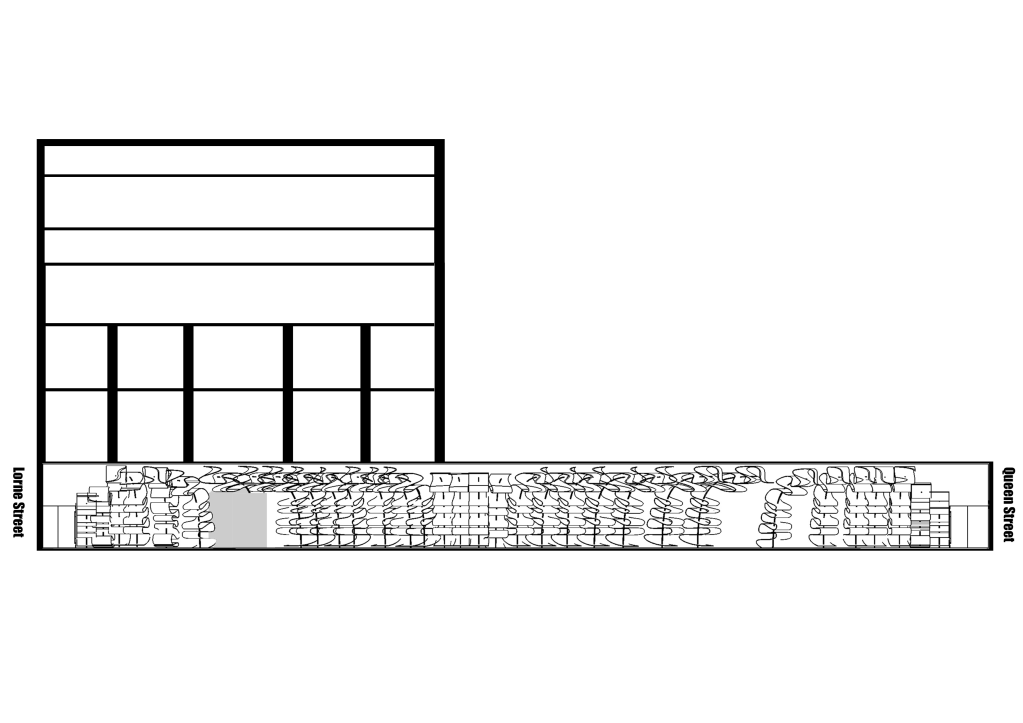
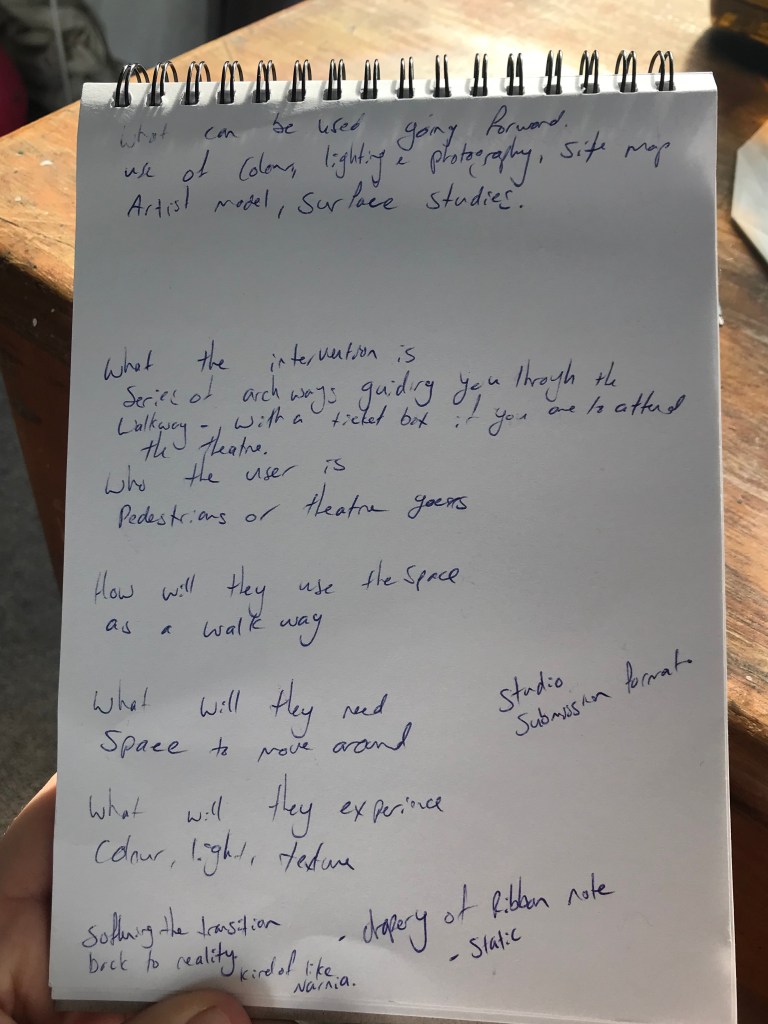
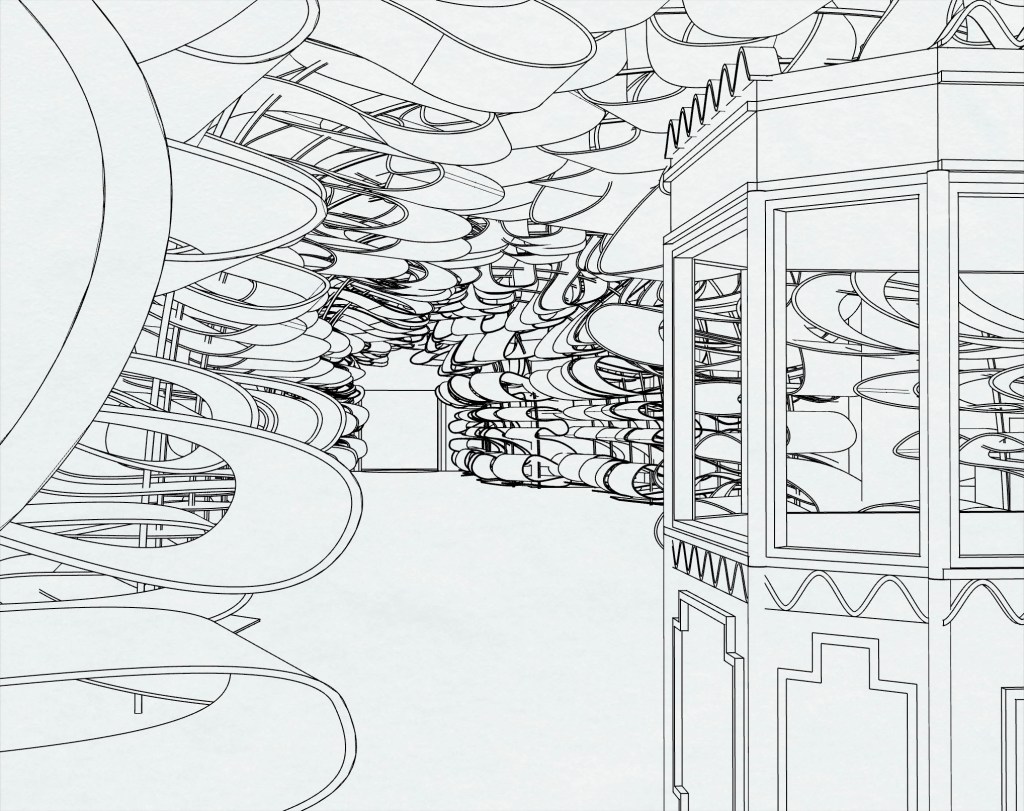
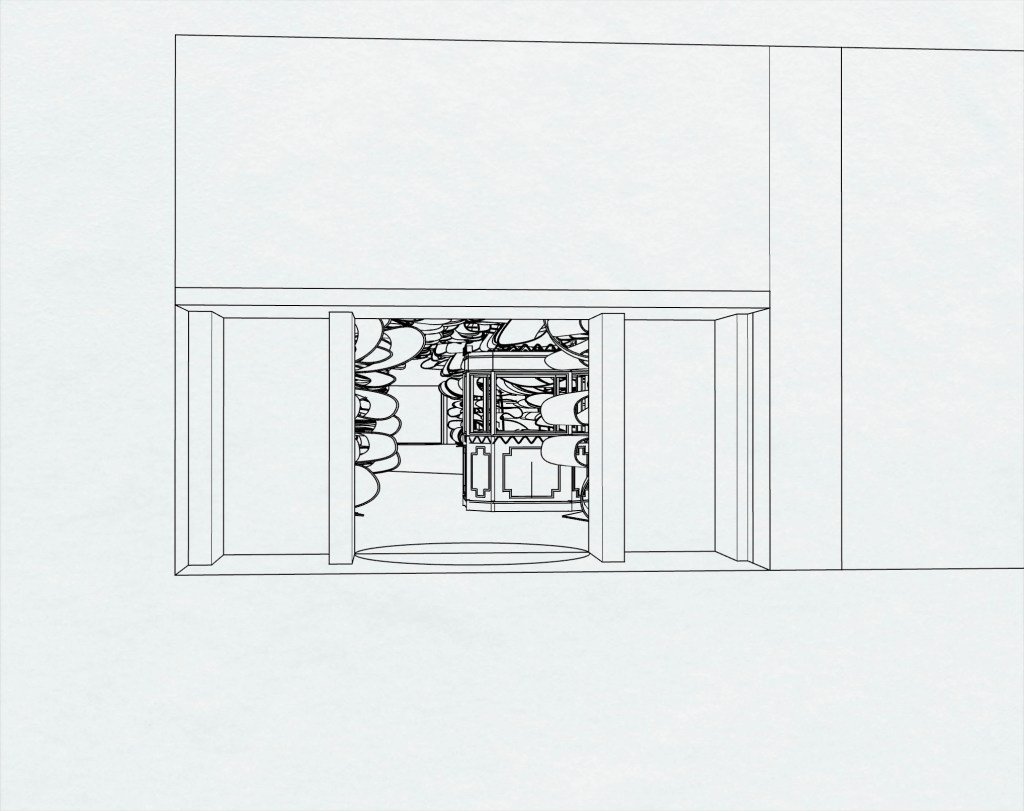
In my third iteration of my design I altered the angles of the arch ways creating a stronger emphasis on the stairway openings, acting as a subtle guide for the punters. I also added more archways to create a fuller space especially around the entrances to create a ‘Narnia wardrobe’ effect where you enter through a smaller opening and emerge into a grand space further strengthening the idea that you are leaving reality and entering into fantasy. I also explored a few entranceway ideas keeping in mind Wes Andersons classic use of symmetry.

Developed Entrance Way:

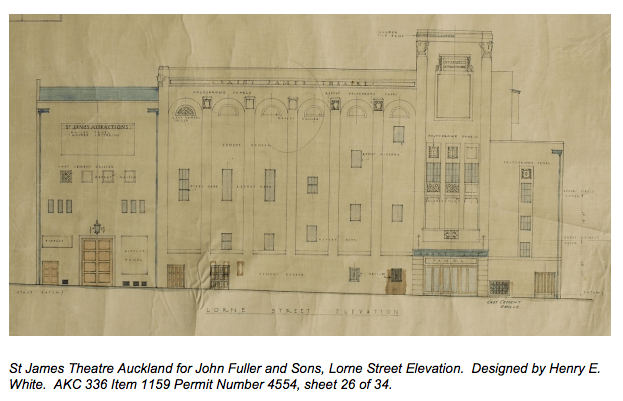
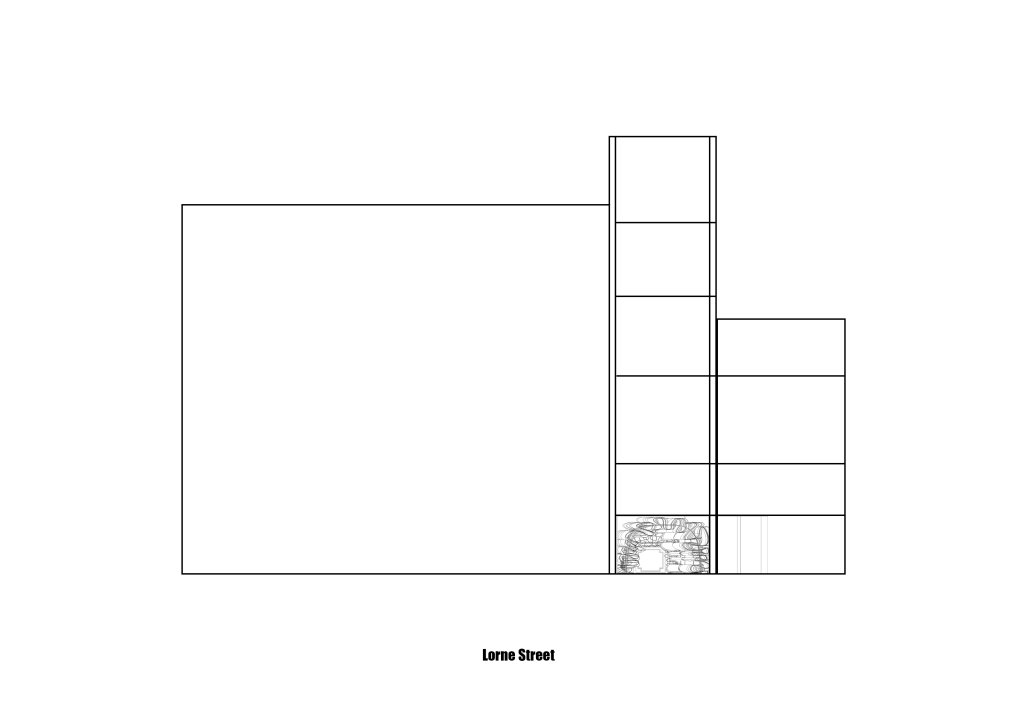
I wanted to tie the Lorne Street and Queen street entrances to the style and shapes used on the ticket box creating harmony with all the different elements used. With symmetry in mind I have made the two entrances identical. I have used glass windows in the entrance space to provide a passerby a sneak peak into the interior, positioned in a way to not give away too much. This taste of what’s inside combined with a grand door knob on a pivoting door act as an invitation to enter into the space.

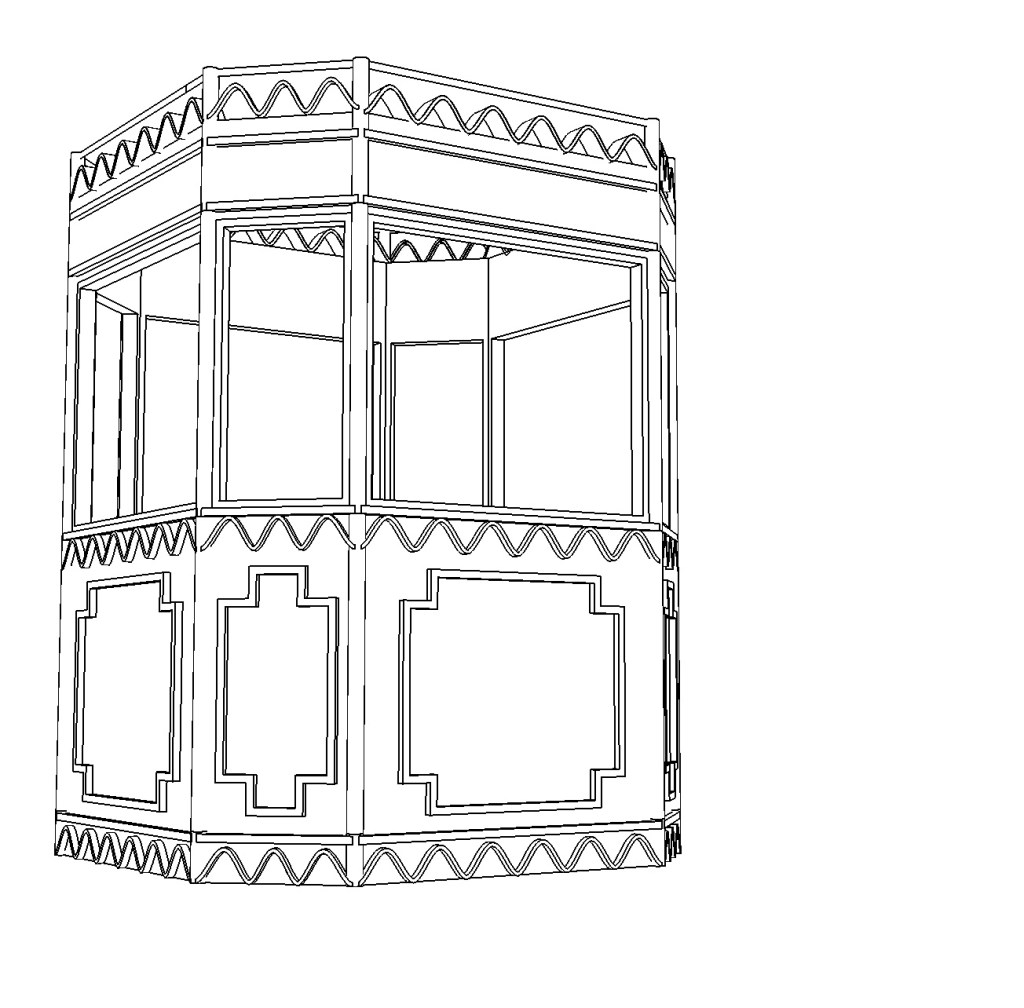
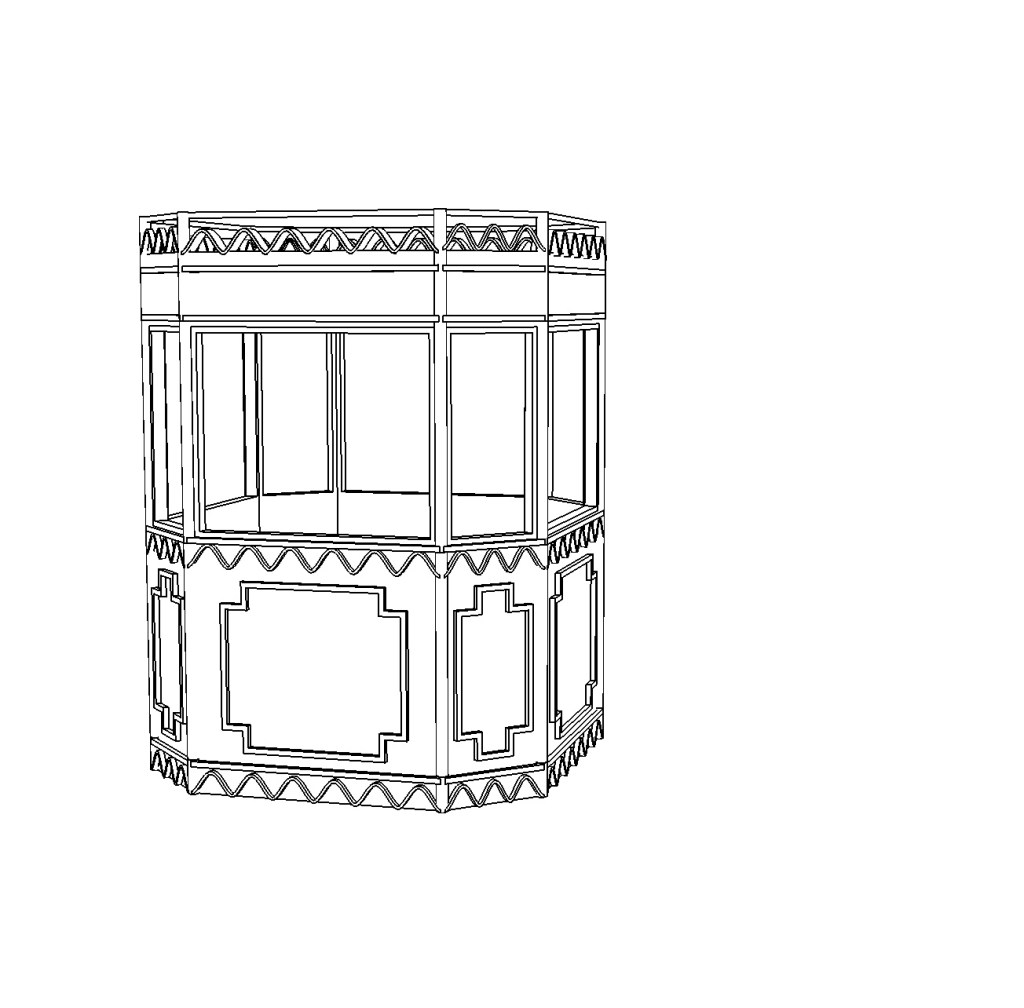
Develop Ticket Booth:

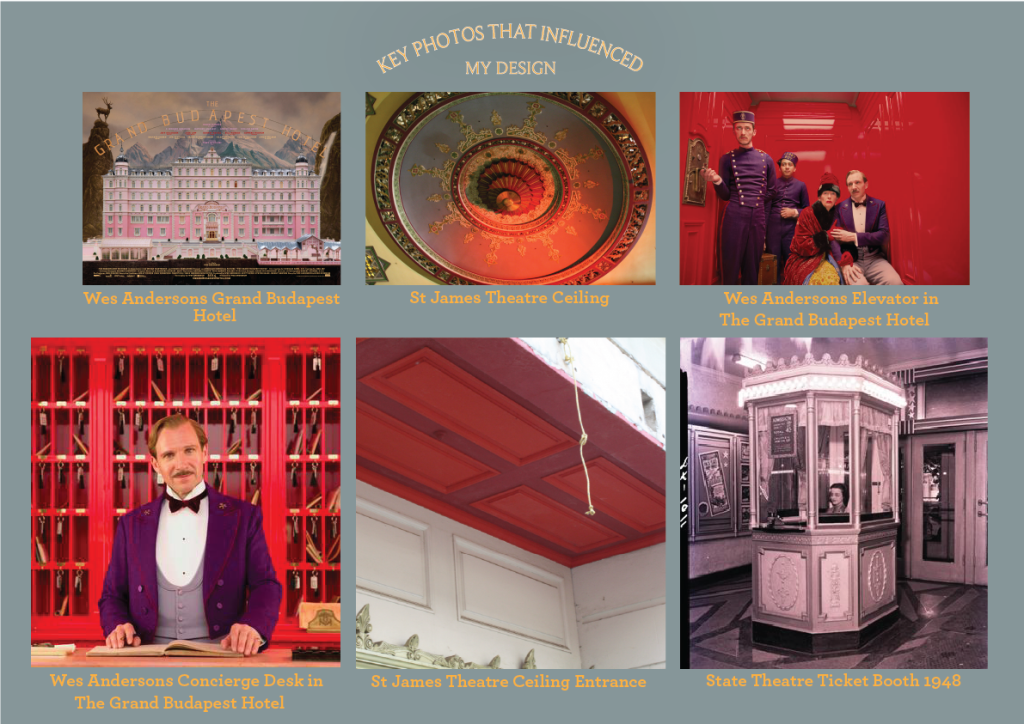
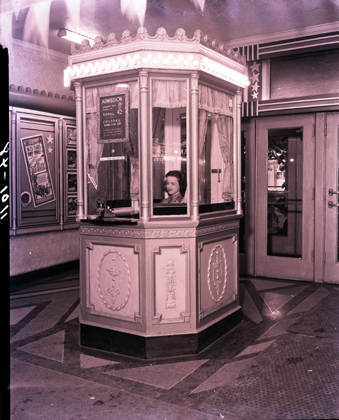
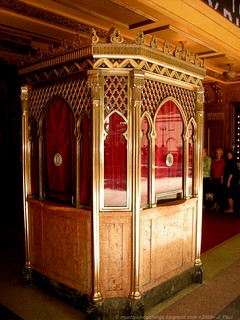
I added more wavey patterns onto the design and added more details to help it come to life a bit more. I referred to my previous research of 1920-1950 ticket booth designs when developing my design.

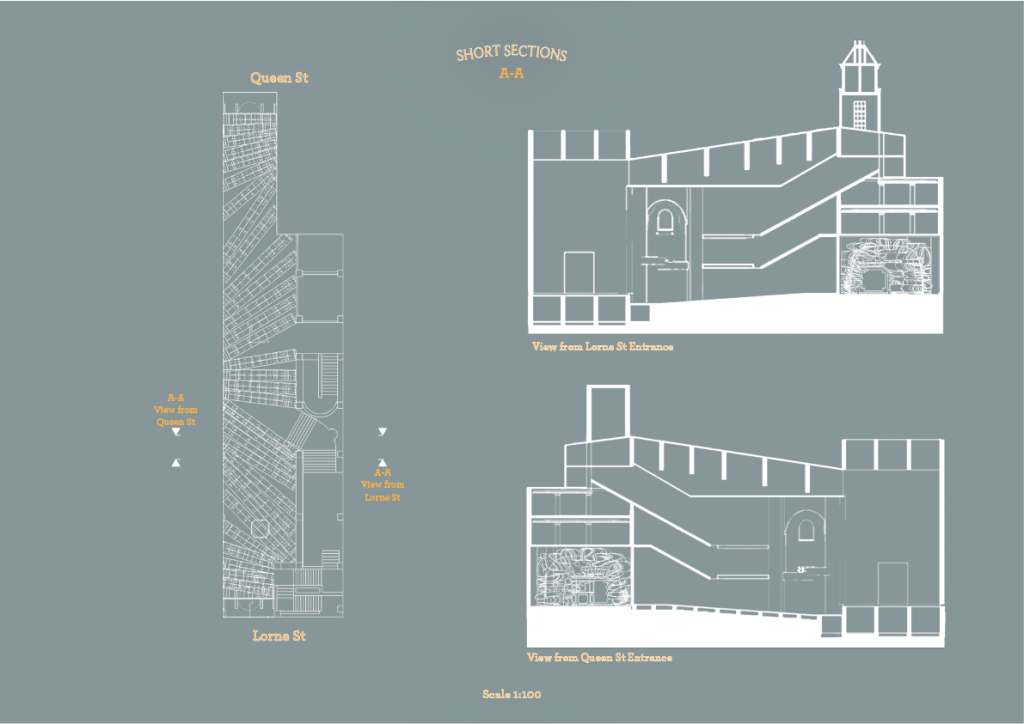
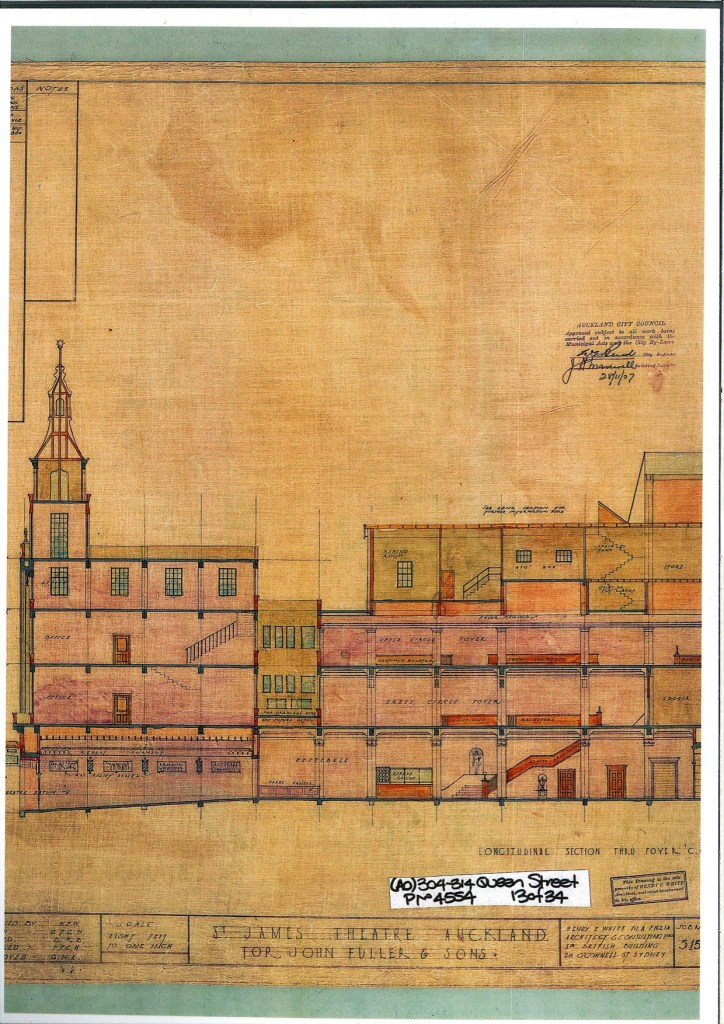
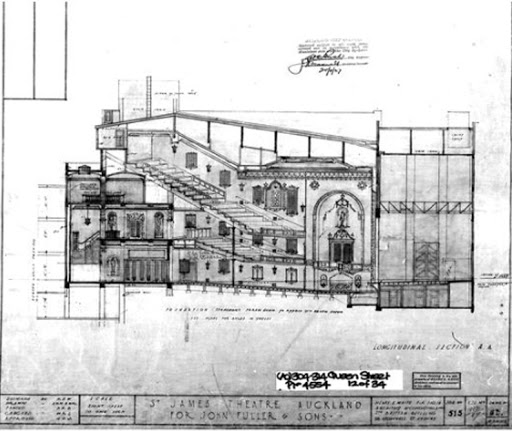
Plan and Section Drawings:

My Intervention in Site:

Week 9: Developing Ticket Booth and 2nd Iteration of design

Year 2 Semester 1


START DESIGNING & DEVELOPING YOUR INTERVENTION 

 Studio_Submission_Format_2020.pdf

Ticket Booth Development:

Inspiration:

Drawing on designs from the 1920s-50s I designed a booth incorporating the wavey pattern used in the foyer space with the ribbon archways and keeping to the traditional forms of the old booths.

Going forward i think i will add more detail as the booths from the 1900s were quite ornate. The St James theatre also has a lot of detail within the theatre which i might draw on to tie the booth to the theatre.

Design Development – Second iteration of Design:

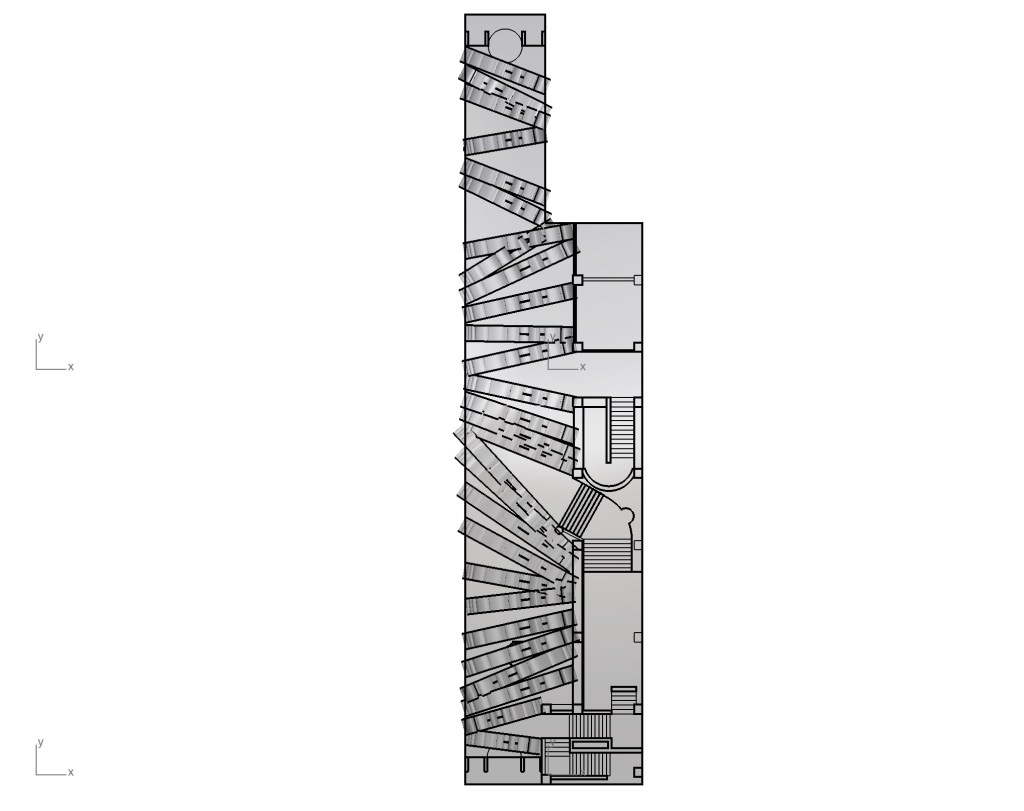
Floor Plan 2nd Iteration

Changes made:

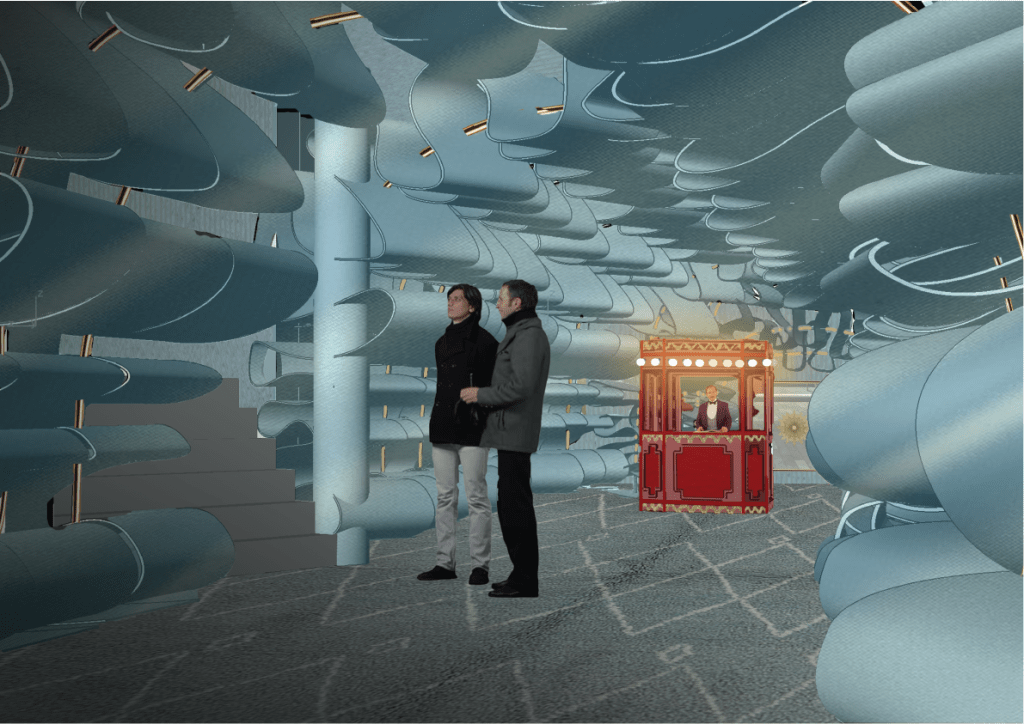
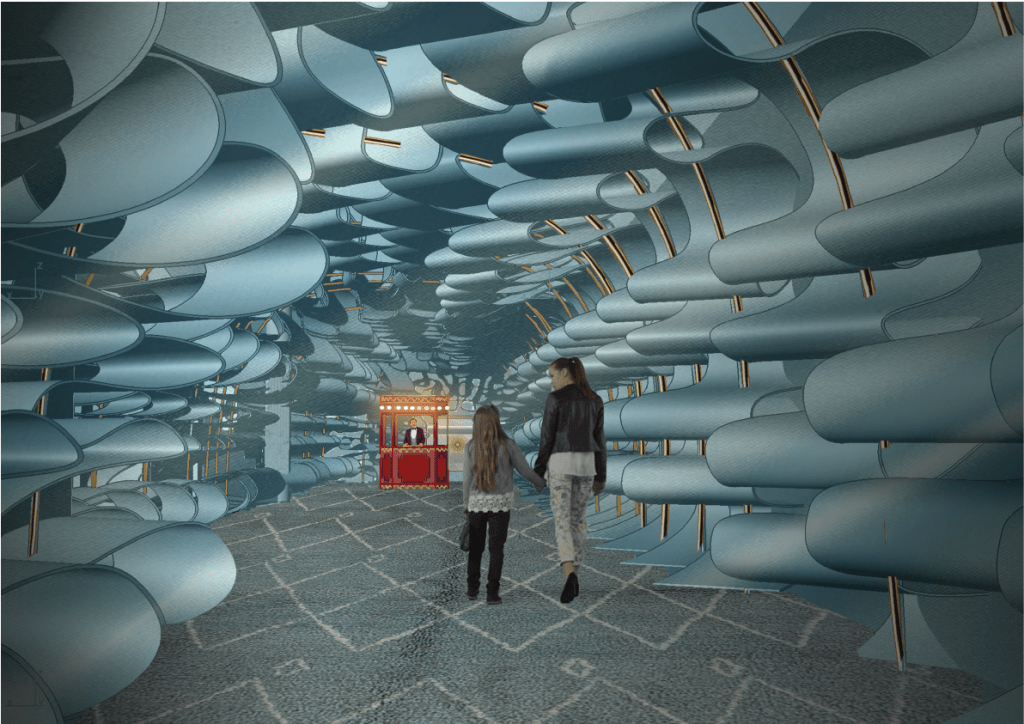
I tapered the angles of the archways to create emphasis around the stairways, subtly guiding guests through the space. I think having these angles created more depth in the space and more interest in the design. I also added more archways into the space to fill it and make an all encompassing environment.

I feel like there are still too many gaps between archways breaking the spell of the tunnel like, all encompassing environment. Going forward I will work to fill these gaps and make the ribbon tunnel more consistent as you move through the space. I would like to create more movement with the ribbon archways going forward, creating a more dynamic surface texture.

Week 8: Mind Mapping and Abstract

Year 2 Semester 1

Mind mapping:

Abstract:

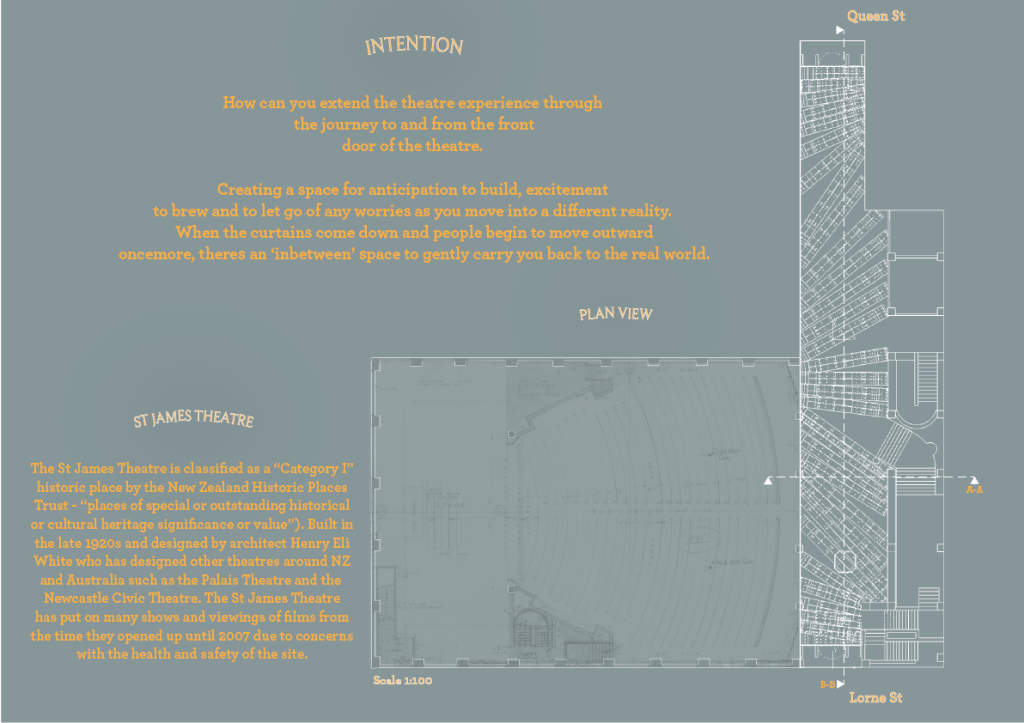
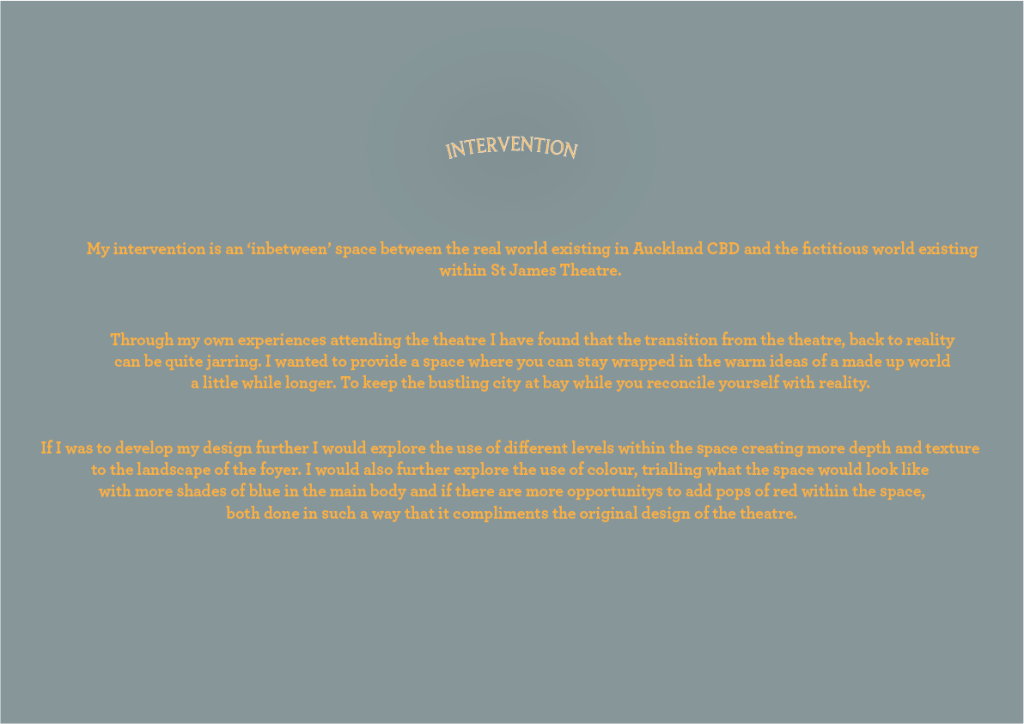
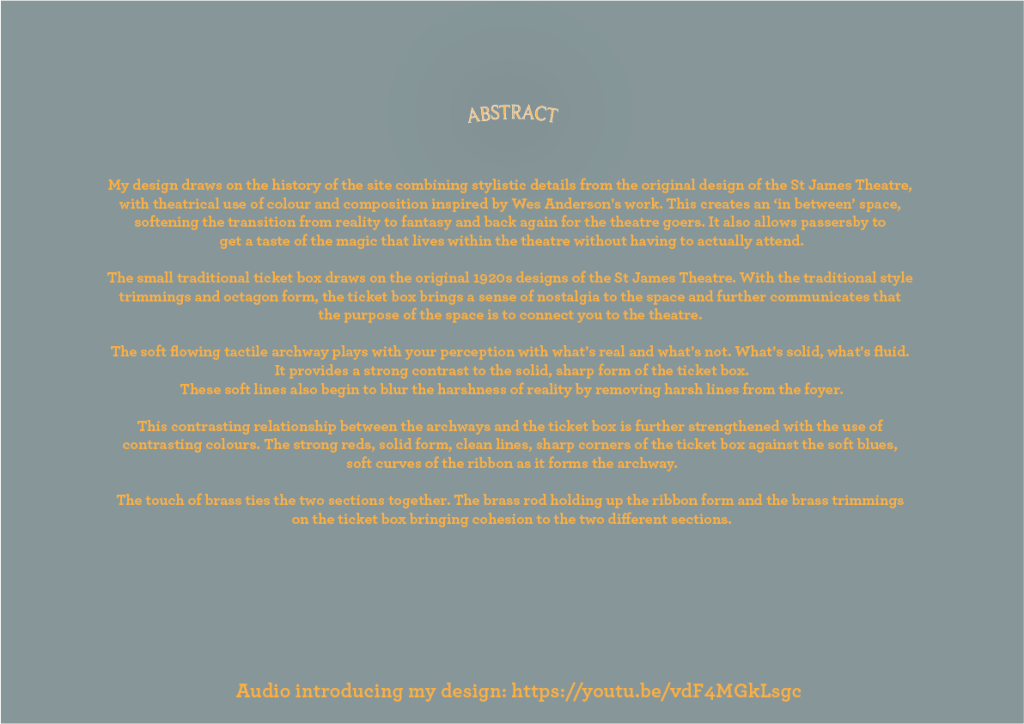
How can you extend the theatre experience through the journey to and from the front door of the theatre. creating that anticipation and beginning the journey into a different reality. Spreading the magic of the theatre into the space surrounding it.

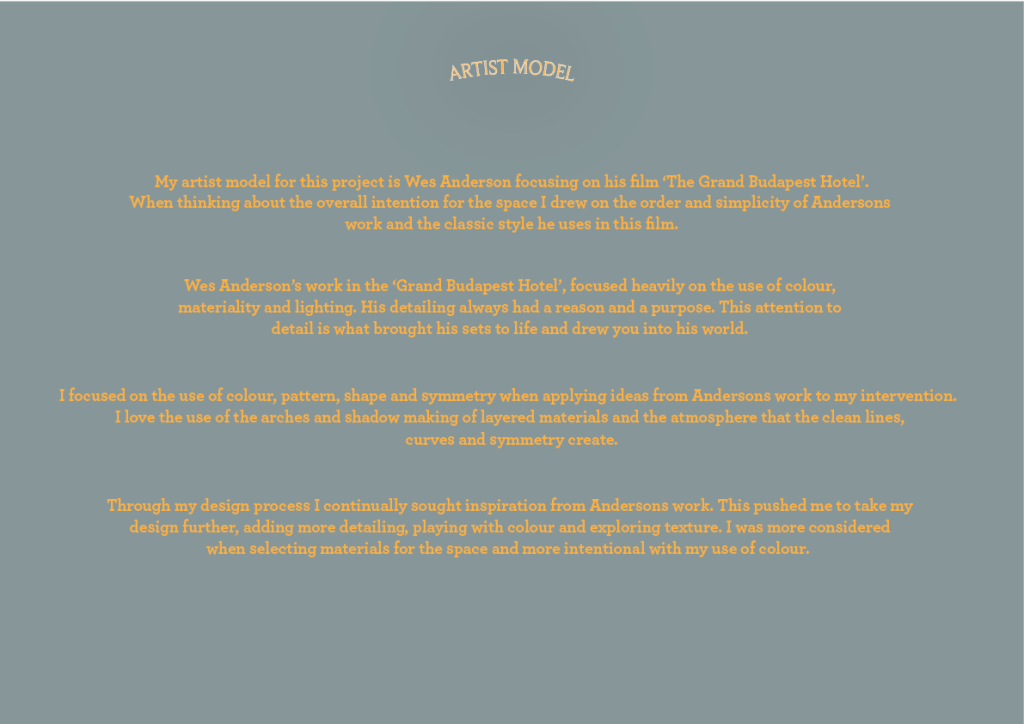
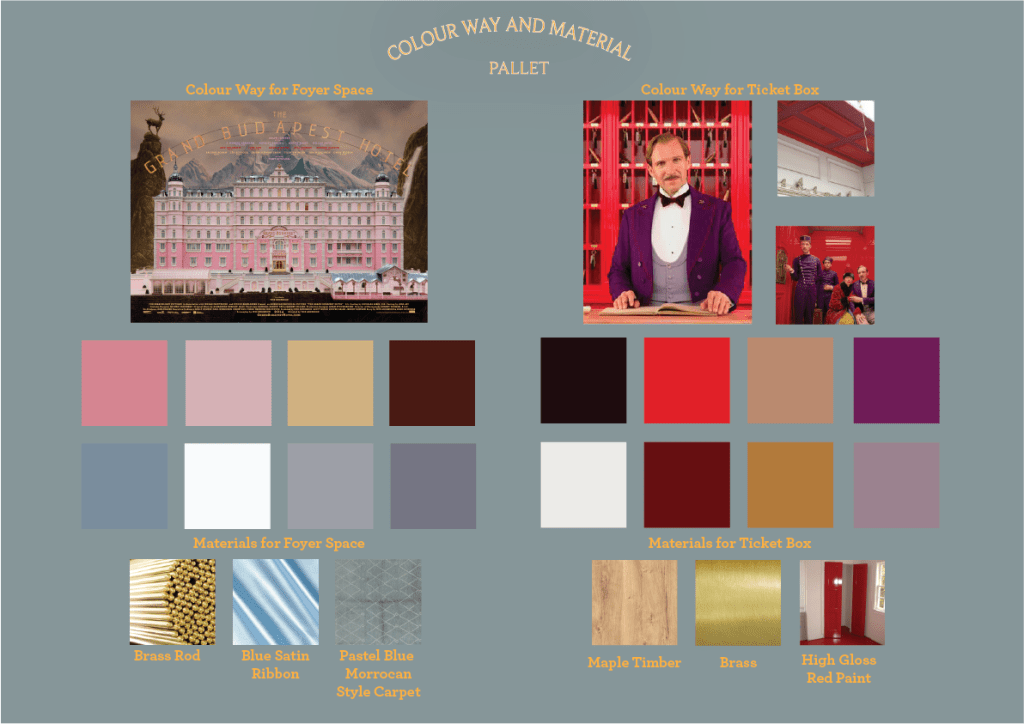
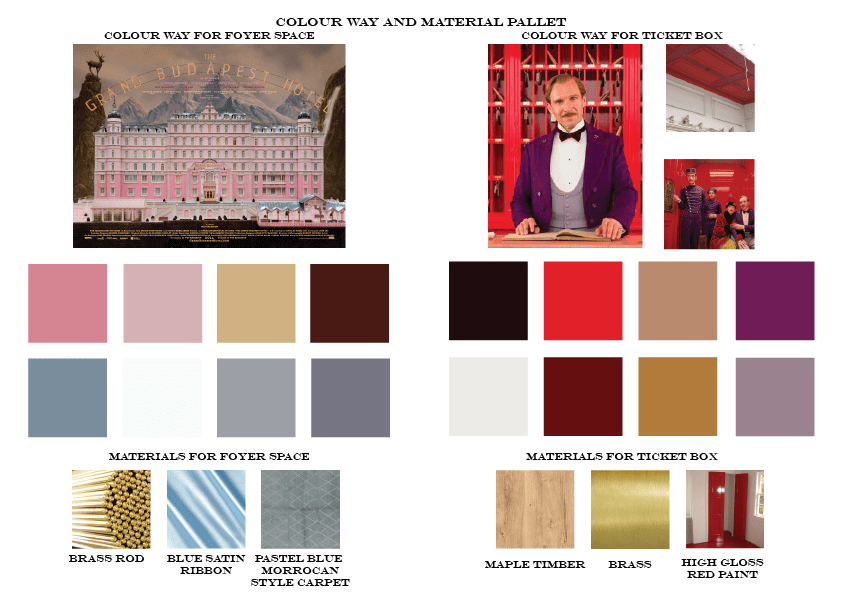
So much of designed space today is to serve a function. However the theatres only function is to entertain. I wanted to continue this theme of pure entertainment, pure experience into the foyer space of St James theatre through the creation of a tactile walkway bathed in colour and playing with light connecting the outside world the the fictitious. Wes Anderson’s work in the Grand Budapest Hotel, focused heavily on the use of colour, materiality and lighting and his detailing always had a reason and a purpose. This attention to detail is what brought his sets to life and drew you into his world. With Anderson as an influence I have designed a walkway of baby blue folded ribbon archways creating a soft, tunnel like atmosphere drawing you into the space. This leads to the focal point within the space, a small traditional ticket box further communicating that the purpose of the space is to connect you to the theatre. I will be using colour to create drama by having the ticket booth be in shades of red and the rest of the space in shades of blue. I will implement lighting into the space to further this contrast and amplify the drama. The use of materials and application of design will nod to the original St James Theatre design. The combination of these things will act as a space to transport people to a different time a different place and will open an ‘in-between’ experience softening the transition from reality to fantasy.

To construct my design I will be using digital techniques to build, render and create atmospheric images communicating my final intervention.

Week 7: Door Handle Threshold

Year 2 Semester 1

“It should in some way reflect how the artist model uses colour and or material.”

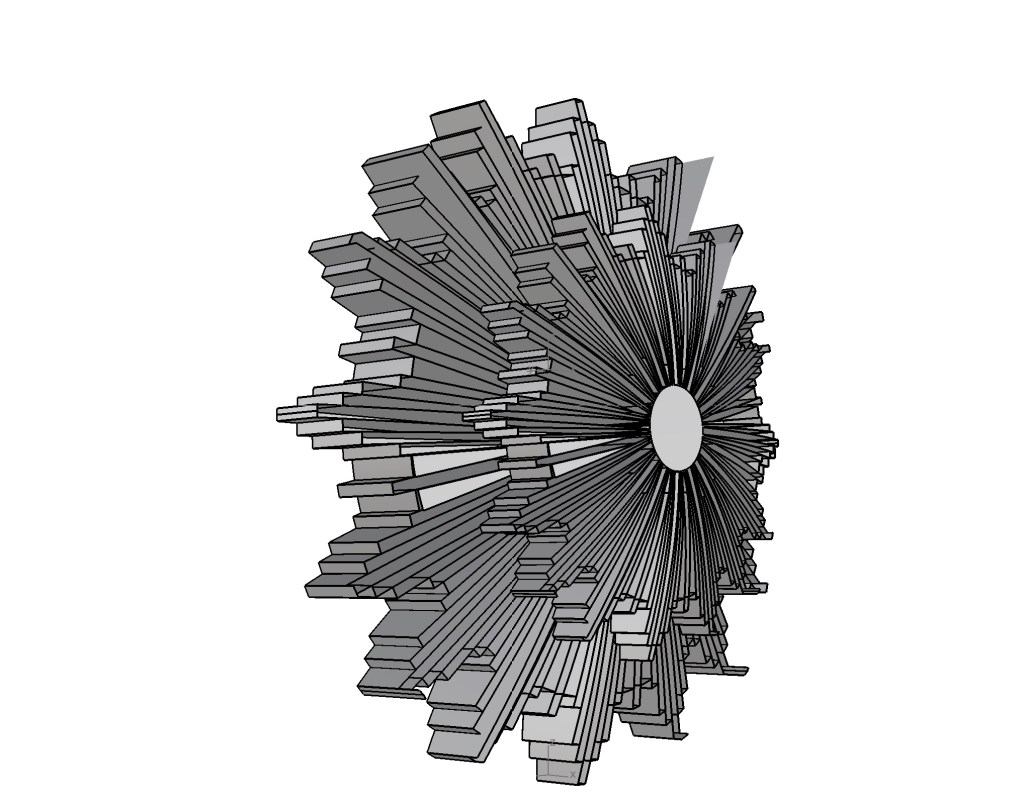
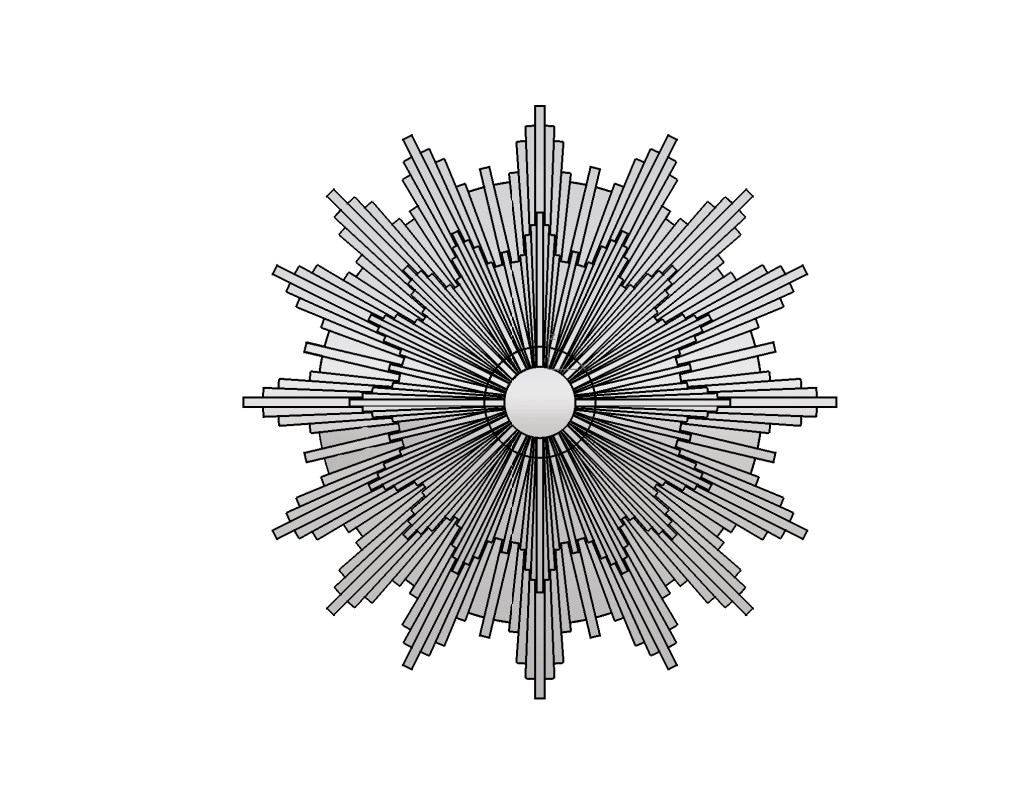
When designing my door knob I kept in mind the motifs used by Wes Anderson in the Grand Budapest Hotel such as symmetry, grandeur and classic european shapes.

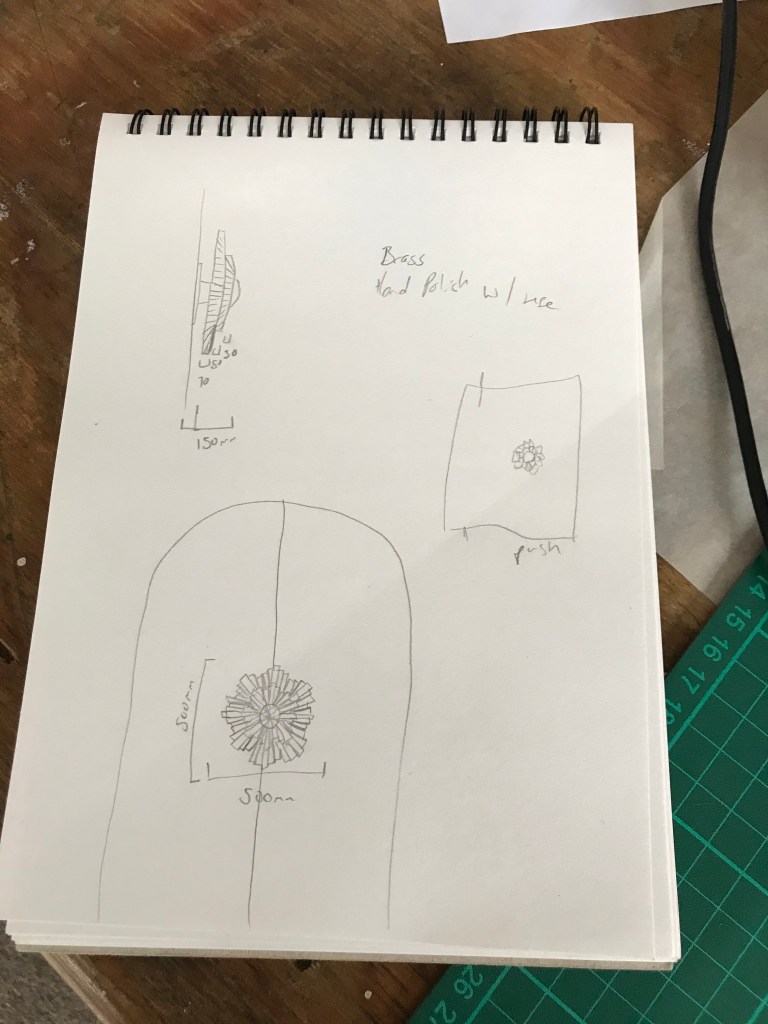
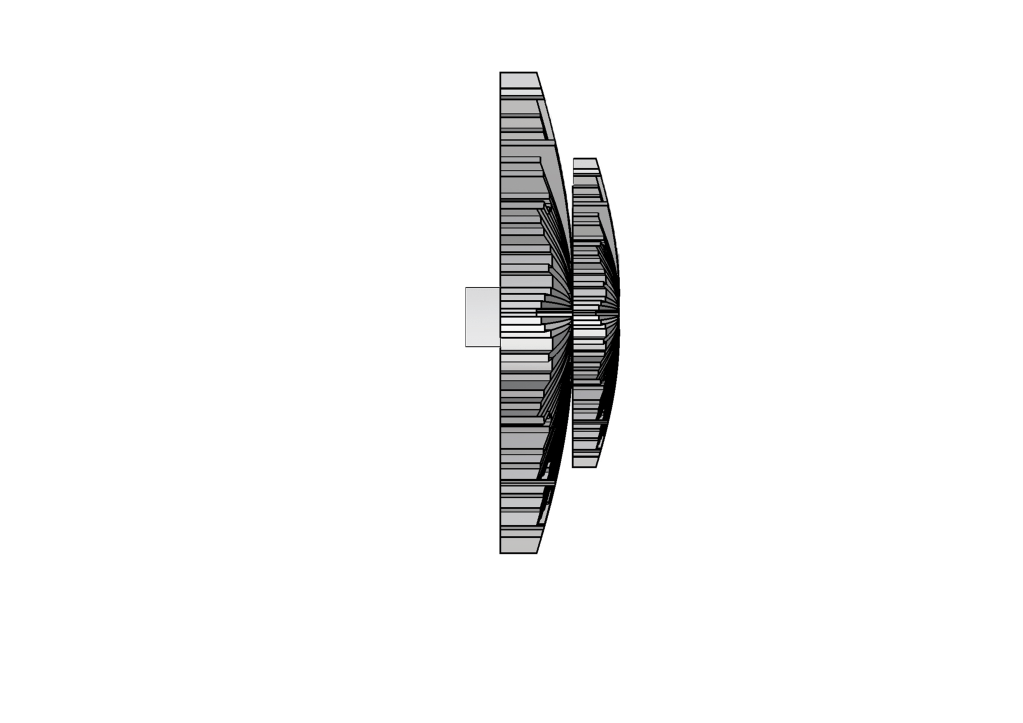
My proposed door knob alludes to the grandeur of the theatre and walkway inside. The use of a larger scale for the door knob strengthens this idea. Large versions of traditionally small objects can evoke the feeling of being small or childlike. The proposed measurements are a 10mm attachment from the wall, and 150mm by 150mm for the knob.

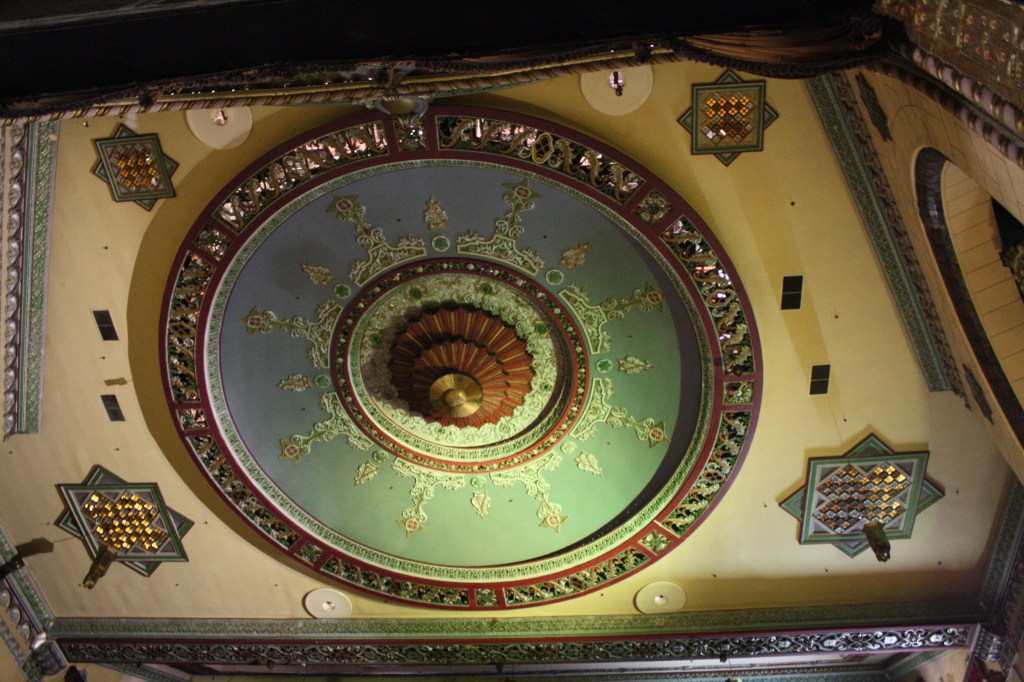
It also draws on the ceiling detail of the theatre remaining true to the original designs of the theatre but in a new way. It also adds a bit of drama to the front of the building.

Ceiling in the St James Theatre

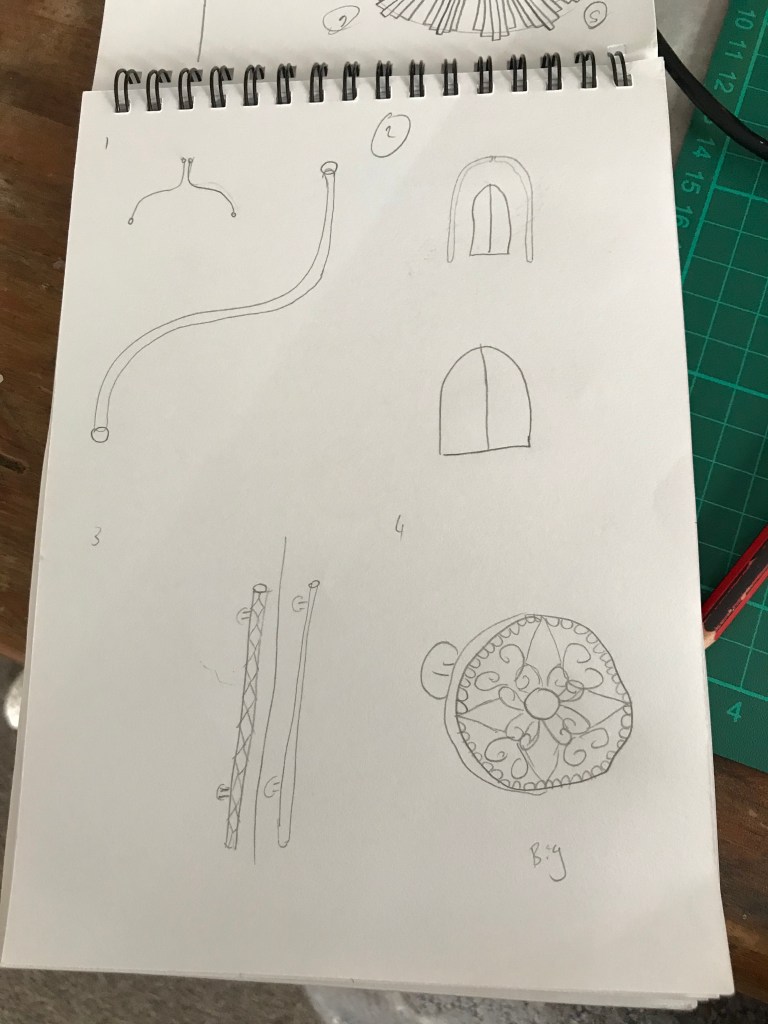
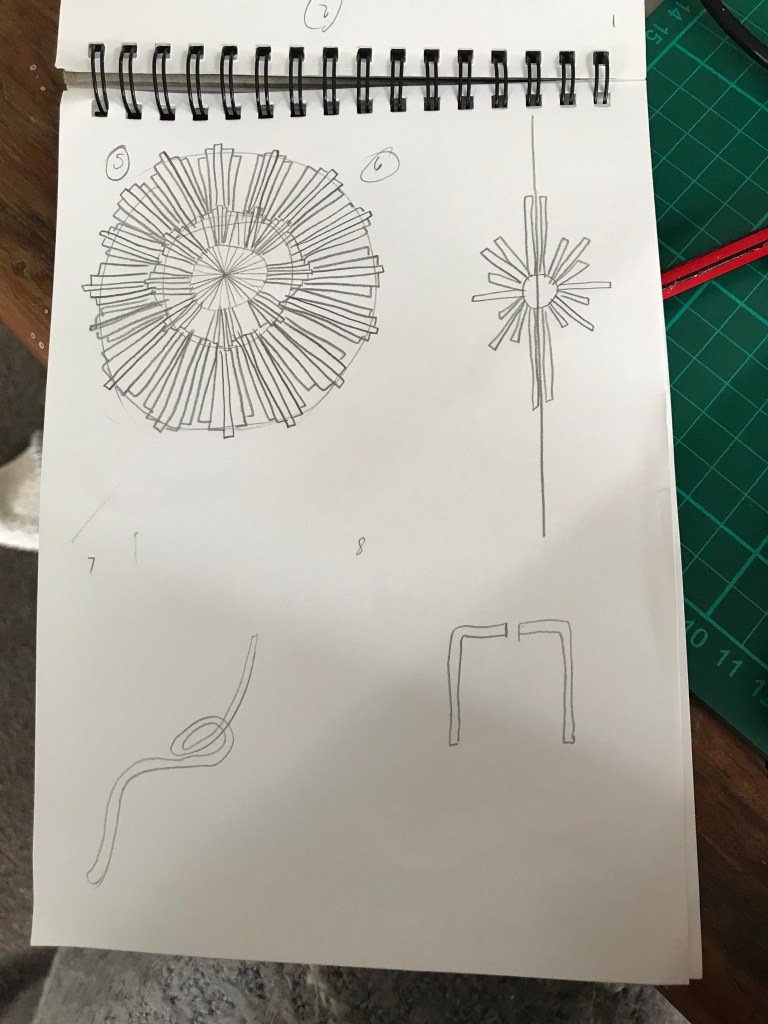
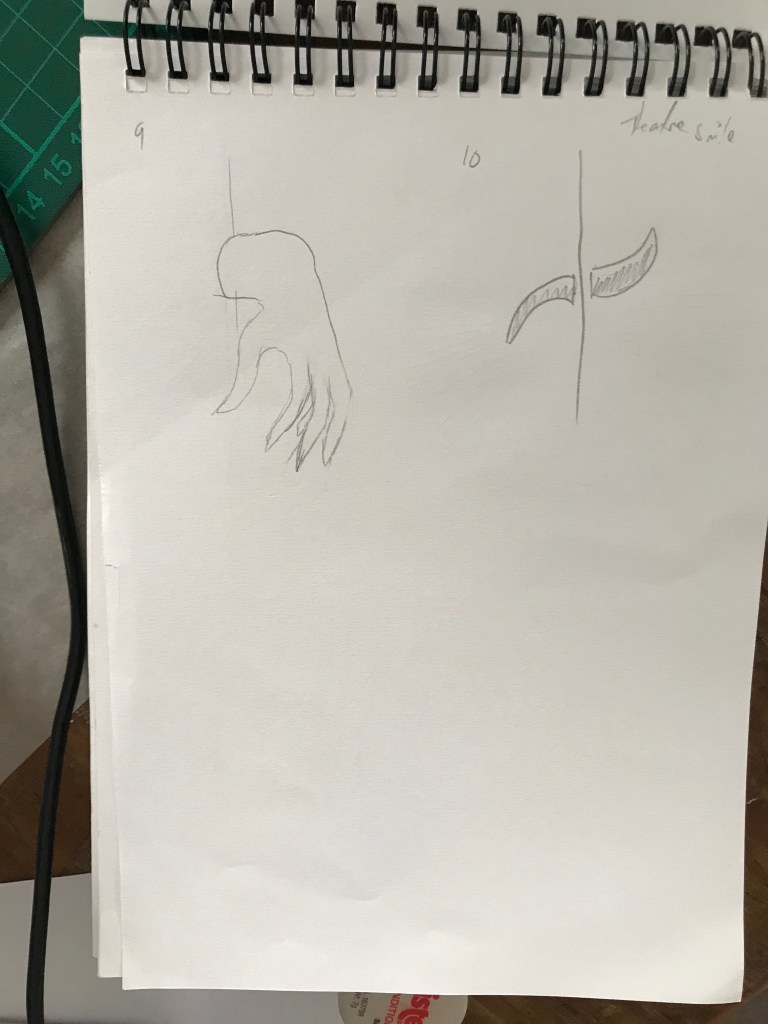
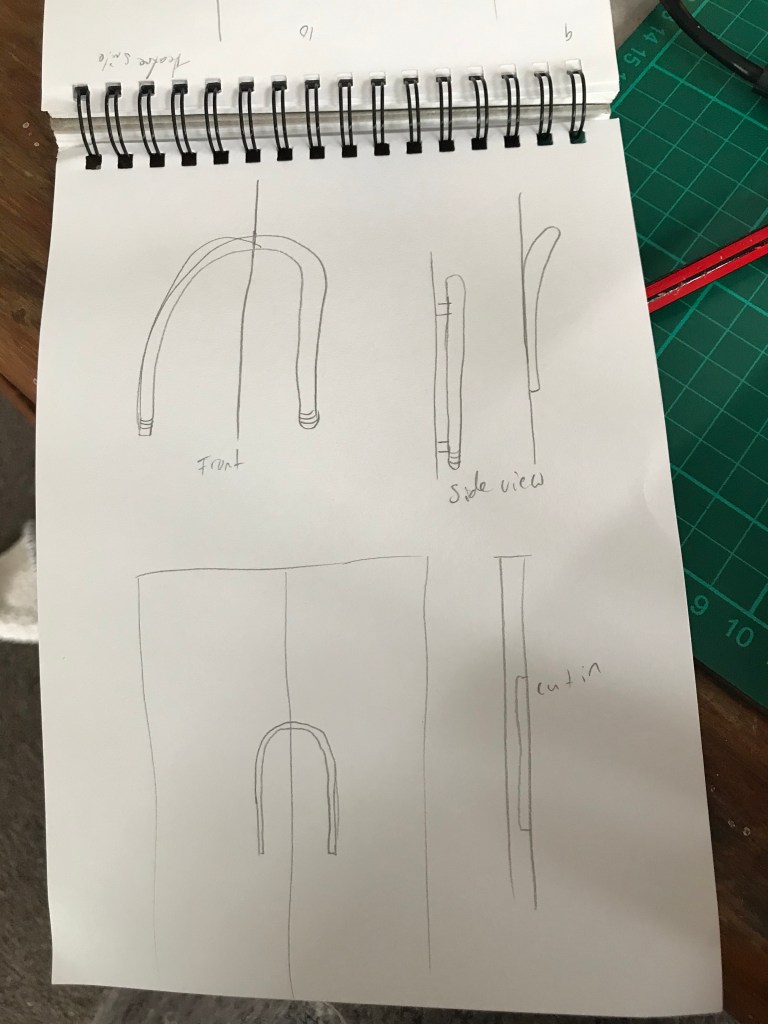
Make 10 sketch designs, that explore elements from your surface design and the threshold transition between Lorne St and the interior foyer space:

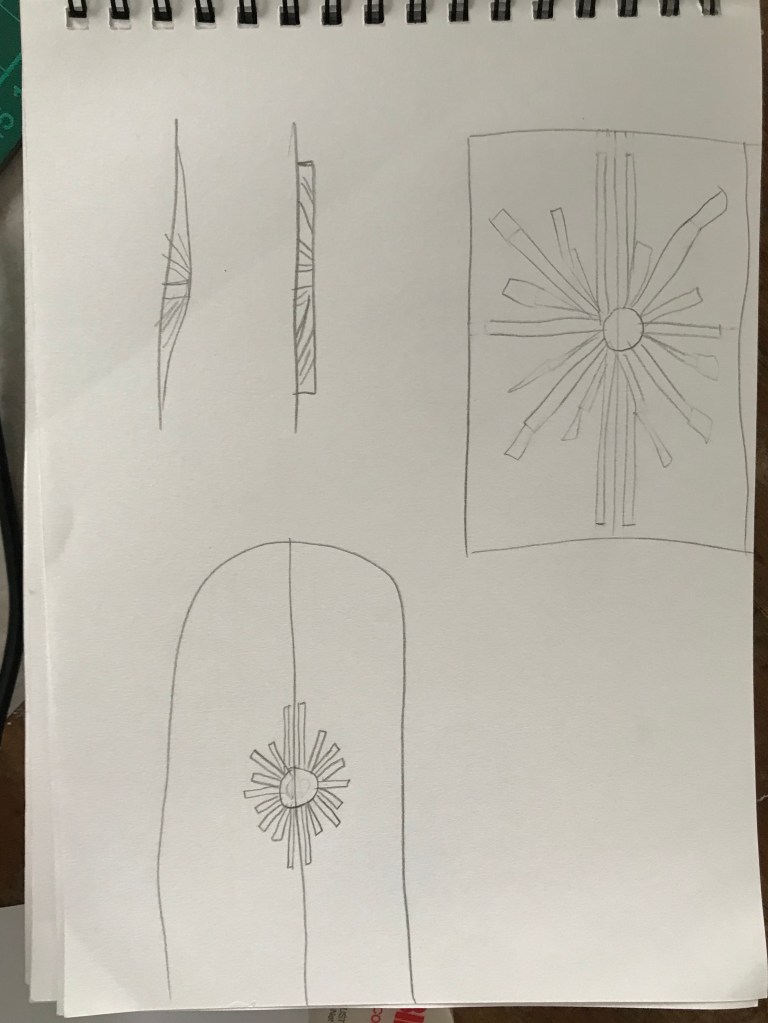
Take the best three sketch designs. For each sketch design, make a further 3 iterations of exploring how these designs could function as a door handle:

I want my door handle to be heavy and to radiate strength and luxury so materials like brass, copper, polished stone etc. could be used to convey this.

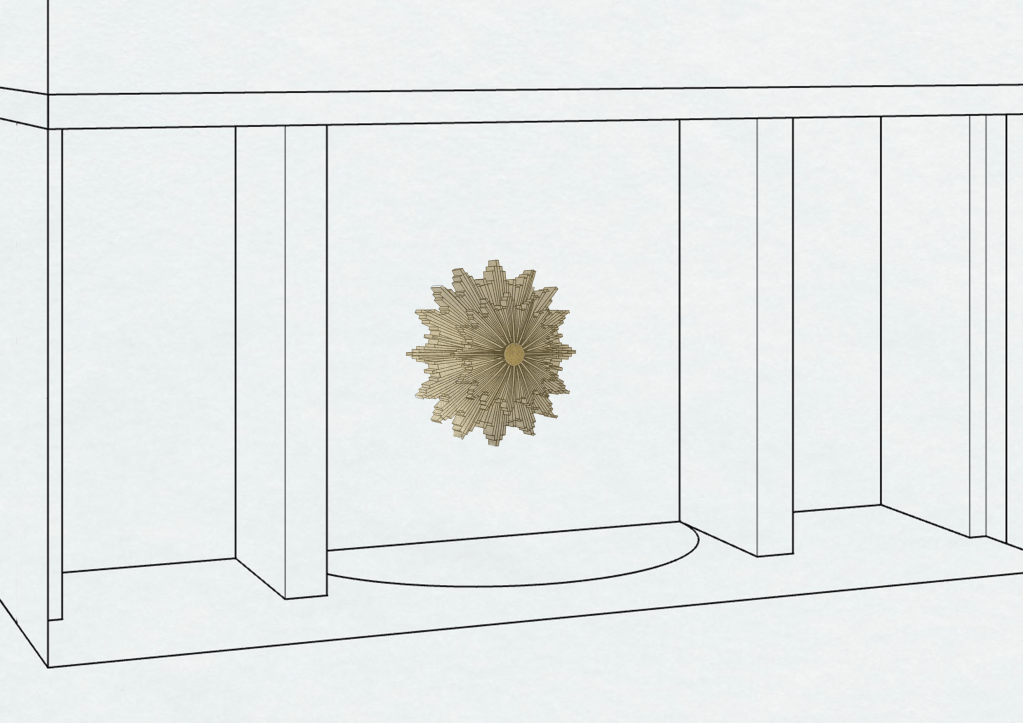
These materials would provide a smooth polished surface, cool to the touch unless bathed in sunlight (which would be the case in the morning as Lorne Street faces east). If brass or copper was used, the use of peoples hands would polish the door knob creating a relationship of reliance that the theatre needs the people just as much as the people need the theatre. The use of small sections to create the door knob ‘halo’ act as an invitation to touch, to feel the undulating texture of this door knob.

The door knob would be placed on a pivot door causing people to interact with it needing to push or pull the door to enter into the space.

Door Knob Placed in Site

***Things to consider while doing this exercise – identify any ideas or material exploration you could use in the design brief going forward. Include this in a post reflecting on the exercise. This will be useful for the written abstract that will support your final submission as well as proposing the intervention and programming of the space.

Theory Week 9

Year 2 Theory

Guest lecture on Community and Audience Engagement by Zoe Black

“This presentation shows the projects that we have undertaken over the past few years and some of the structural changes we are working through to better understand how our gallery can support underrepresented practitioners and their communities.”

Notes and web pages to have a look at:

There have been some extremely positive outcomes to our projects but it definitely is a work-in-progress and we are consistently learning and adapting how we do things to reflect when and where we misstep.  Kim wrote a great article about this here: https://www.norwegiancrafts.no/articles/i-exist-in-relationship-to-you

The community development project is a step that is part of a larger journey we are on as an organisation to strengthen the ways in which we honour indigenous making practices and support underrepresented voices in the craft field.  I don’t speak to the other things we are working through but would be happy to elaborate if anyone is interested in this conversation.

Check out Kereama’s exhibition here: http://www.objectspace.org.nz/exhibitions/transmission/ 

And more about Marc Conaco here: https://www.instagram.com/marcconaco/?hl=en

Theory Week 8

Year 2 Theory

Reading:
Wiggle Room
by Sara Ahmed


Who is Sara Ahmed?

Sara Ahmed is a British-Australian scholar whose area of study includes the intersection of feminist theory, lesbian feminism, queer theory, critical race theory and post-colonialism.

How does Ahmed begin the text? If you noted down the ‘sections’ of this piece of writing, what
would those sections cover or talk through?

She begins with a relatable story of wearing a tight shoe. This introduces her idea of wiggle room, “less wiggle room: less freedom to be; less being to free.”

The sections cover gender, race, family, sexuality.

How would you define ‘wiggle room’?

I would define wiggle room as the space needed to fit comfortably.

She connects ‘wiggling’ with the will, or willfulness. How does she say that connection came about
for her?

“Willfulness might be a conversion point: how a potential is converted into a threat.” “In my book I treated this hesitation as important; as pedagogy, as revealing something about the risk of using the language of willfulness.” “When I spoke of the will as wiggle room in the conclusion of my book I noted that this room is the room “most often designated in human history as a ruin.” The capacity to deviate, to have room to move around in an irregular way, not to move forward to the future we are supposed to be reaching for (happiness, imagined as what follows living your life in the right way) has been deemed by many the beginning of demise.”


Ahmed uses specific definitions of words and their historic uses as a way ‘in’ to an idea. Can you find
an example of this?

“the word “queer” derives from the Indo-European word “twerk,” to turn or to twist, also related to the word “thwart” to transverse, perverse or to cross (1994: viii). That this word came to describe sexual subjects is no accident: those who do not follow the straight line, who to borrow Lucretius’ terms, “snap the bonds of fate,” are the perverts: swerving rather than straightening, deviating from the right course.”


What does she say is the difference between wiggling and wriggling?

“Wiggle is often defined as quick irregular sideways movements. Wriggle can mean to turn and twist in quick writhing movements. Wriggle also has a more sinister sense: when you wriggle out of something, you get out of something by devious means.”


How would you describe Ahmed’s writing? Formal, personal, casual, etc?

I would describe her writing as personal as she is constantly drawing on her own journey.


What effect does this have on the reader (on you!)?

It gives her writing more depth knowing that you’re reading about someones lived experiences and context.


A too-small room is a key metaphor that Ahmed uses to talk about ‘wiggling’ – why might it be
interesting to think of as spatial designers?

It’s a metaphor that tells us just how much space can effect how we feel and our mental state. As a spatial designer I have the power to manipulate that to induce feelings or sensations, positive or negative.


What else could be considered as a ‘space’ to wiggle within or what else could be considered
something to wiggle ‘against’?

Your past self. As you grow you change and if people haven’t grown with you they might hold you to their old perception of you which you would have to then wriggle against.


Ahmed references a number of other people’s texts – who is Judith Butler? Who is Jane Bennett?
Who is Eve Sedgwick?

Judith Pamela Butler is an American philosopher and gender theorist whose work has influenced political philosophy, ethics, and the fields of third-wave feminist, queer,and literary theory.

Jane Bennett is an American political theorist and philosopher. She is the Andrew W. Mellon Professor of the Humanities at the Department of Political Science, Johns Hopkins University School of Arts and Sciences. She was also the editor of the academic journal Political Theory between 2012-2017.

Eve Sedgwick was an American academic scholar in the fields of gender studies, queer theory, and critical theory.