Project 3: Programme + sketch design

Year 1 Studio

Starting project 3 I began thinking about an interesting way of creating a sleep space and the relationship I wanted it to create between two strangers.

The definition of a stranger in the dictionary is – ‘a person whom one does not know or with whom one is not familiar.

“Don’t talk to strangers” ‘

In my experience through travelling overseas I am struck by how simple it is to go from being a stranger with someone to calling them a friend. All it takes is a choice to reach out and make contact.

I want my sleep platform to force the strangers to engage with each other, to make that contact, so as they leave the gallery space they are no longer strangers.

My gallery is interactive with the way you can manipulate the room with the mirrors and I am wanting to continue that interactive aspect with the sleep platform.

I brainstormed a few ideas and settled on one that simulates a weighing scale.

I like the motion that comes with sleeping on a suspended structure as I find it relaxing.

One platform directly affects the other so the people using them will have to communicate to both be able to get to their beds

The varying levels of the sleeping platforms also allows the strangers some privacy from one another but if the balance is right they are able to sleep side by side.

I researched different belay systems, pulley systems and hoists to start working out the functionality of the two platforms. I don’t want the beds to be two free flowing as that would be quite disruptive to people sleeping on them and also could be dangerous. I was hoping to find a mechanism that locks the platforms at a desires height and then can unlock to reset. belays and pulleys

I then looked at a manual option if the strangers where to manually change the height of the beds and set it in place once satisfied and ready to sleep. 

I am unsure wether I want to include some weights into the room for the strangers to have more control over the height of the bed or to leave up to chance with the weight of the individuals affecting the levels. This would make it a weighing scale.

In my first prototype I attached a rope to the centre of the rope connecting the two platforms as a means of controlling the levels. It felt clumsy and I will be using an alternative option of altering and securing the heights of the platforms.

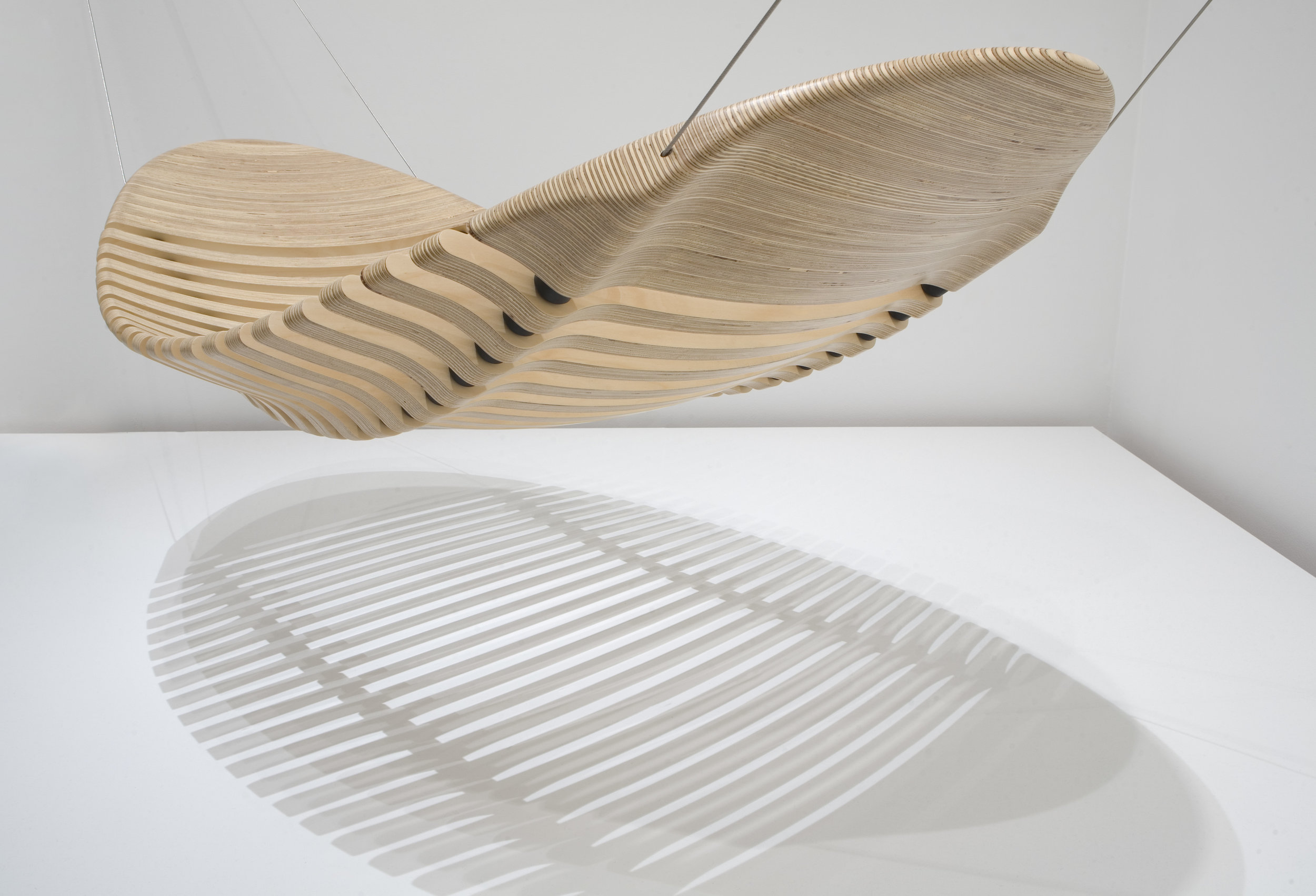
I did some designer research to see some examples of other suspended sleeping platforms and quite liked Adam Cornish’s wooden hammock. The way he had made a fluid, soft looking structure out of hard, solid materials is quite satisfying. 

I looked into some of Sarah Sze’s work also as she has done a few suspended installations. It was helpful to see how she suspends her structures.
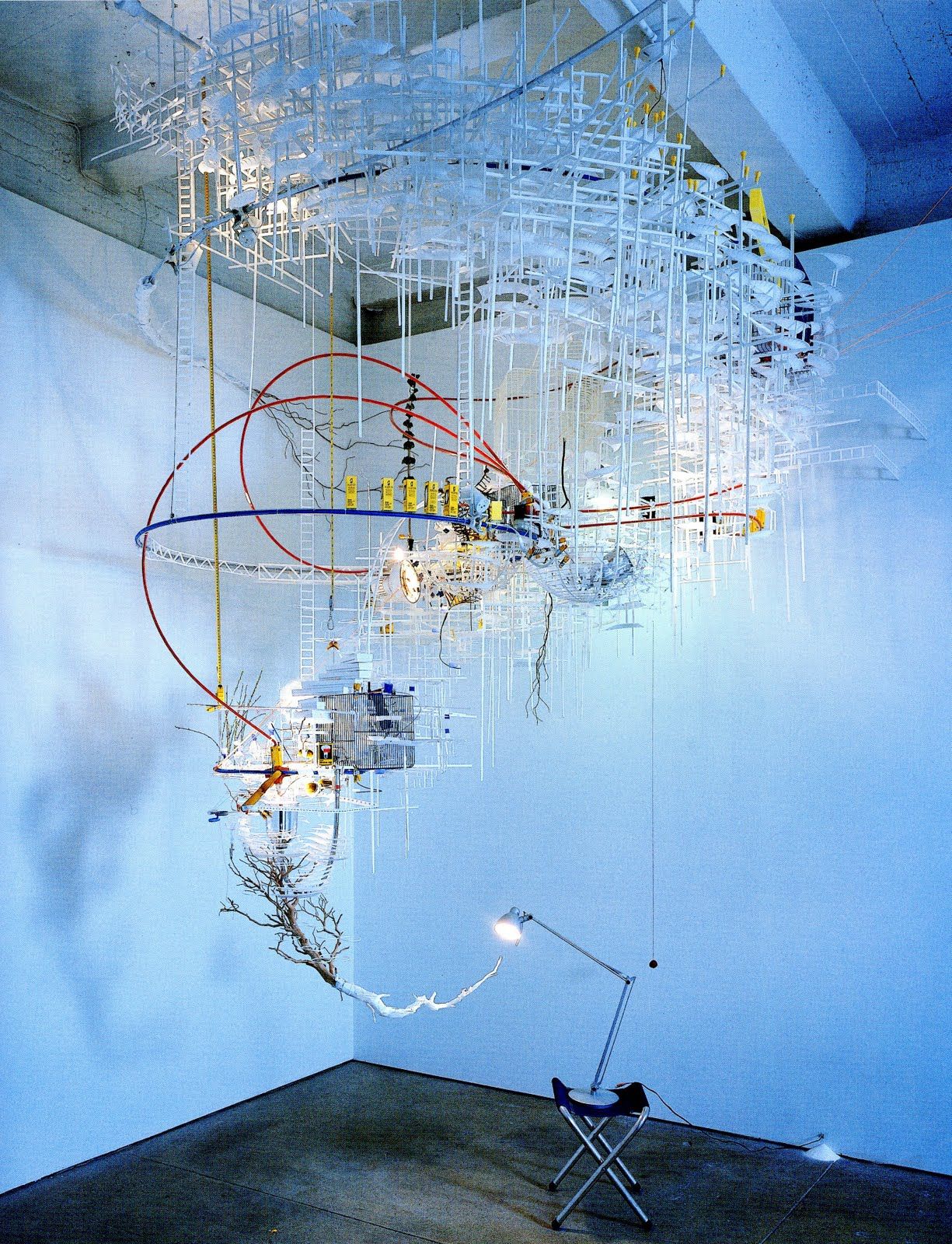
Sarah Sze Installation
Adam Cornish Wooden Hammock

Project 2: Presentation

Year 1 Studio

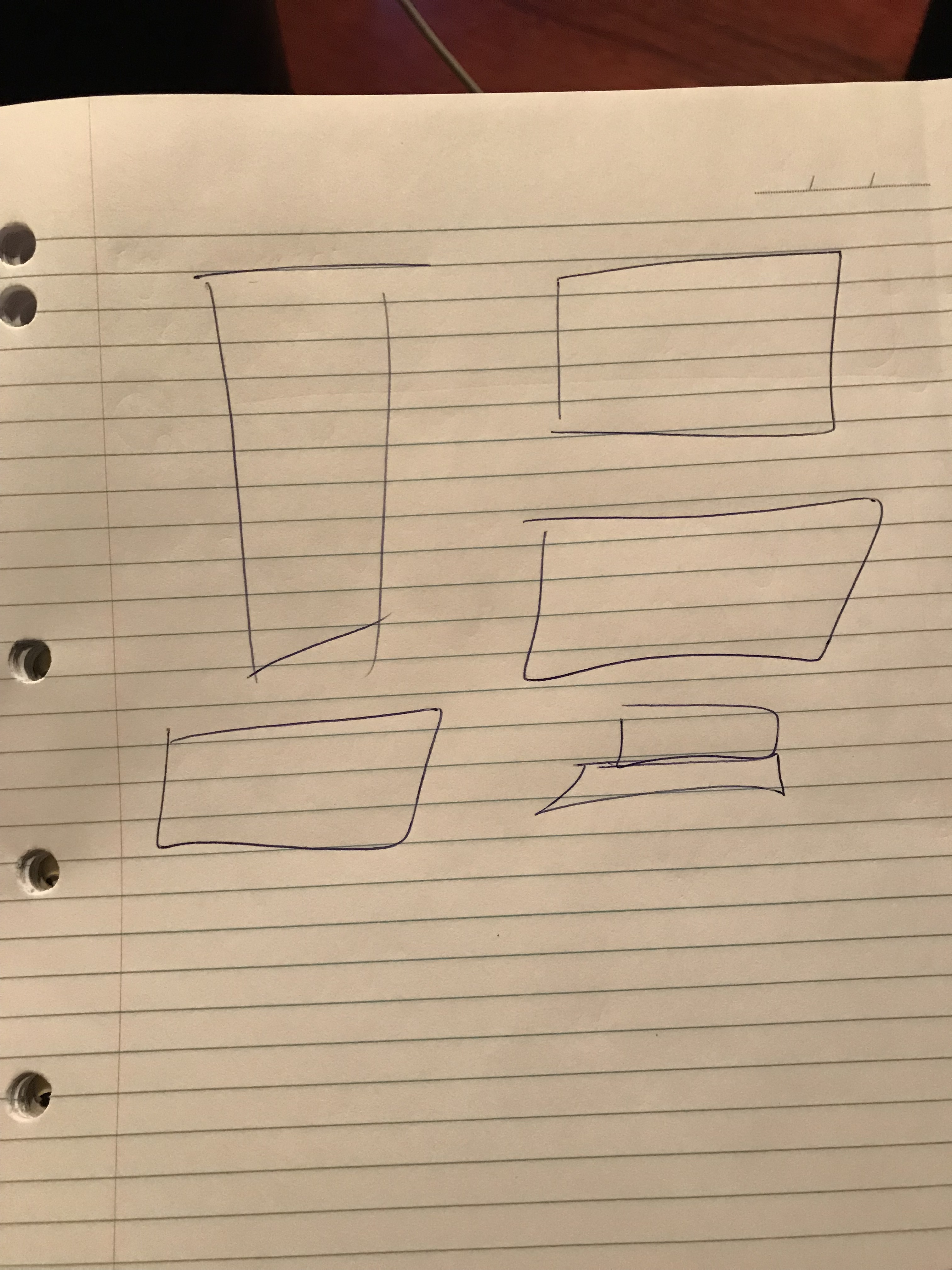
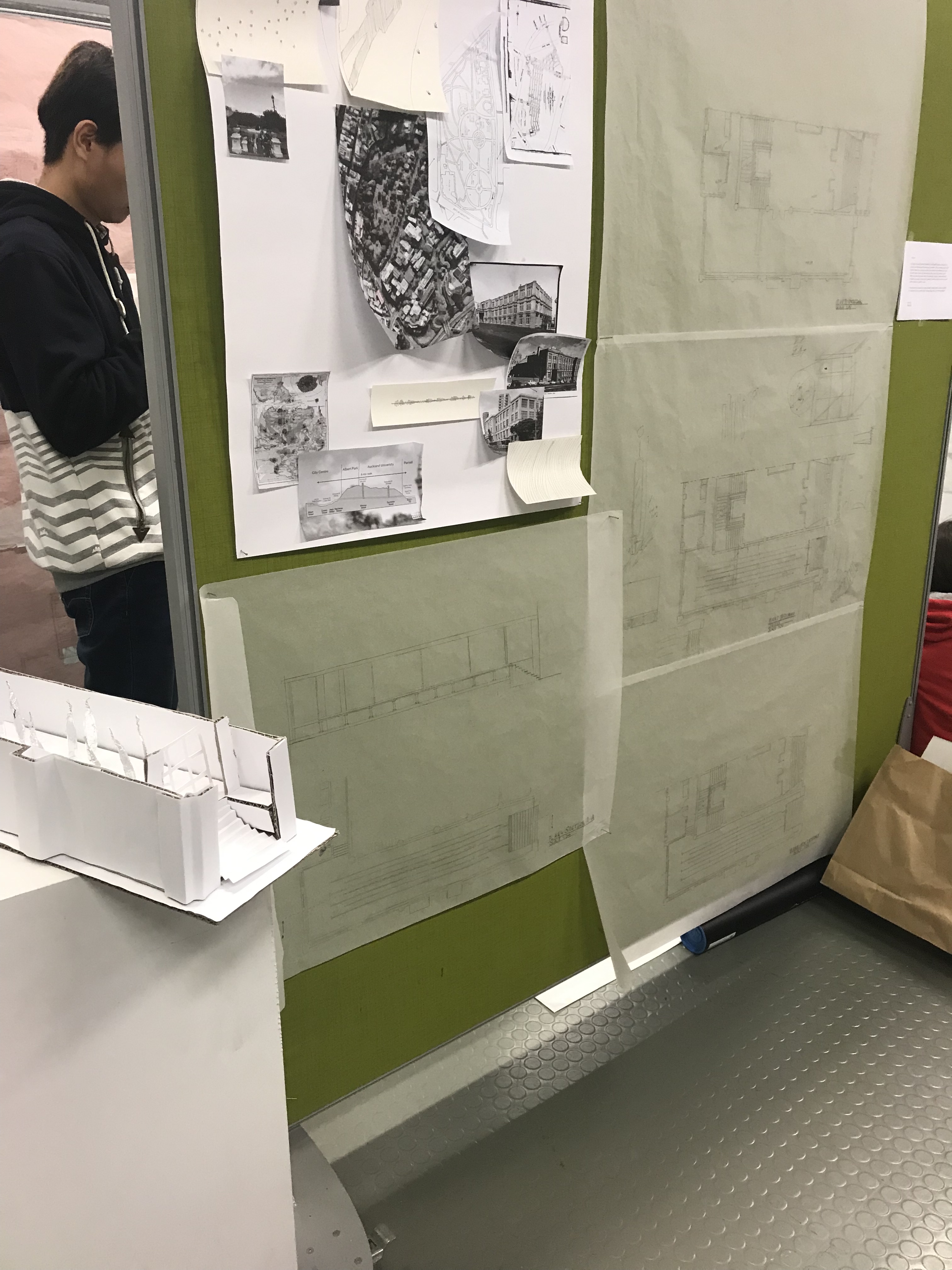
For my final presentation of this project I felt there wasn’t many options for the displaying of my different pieces as they are so large. I brainstormed a few different layouts but decided the first one made the most logical sense.

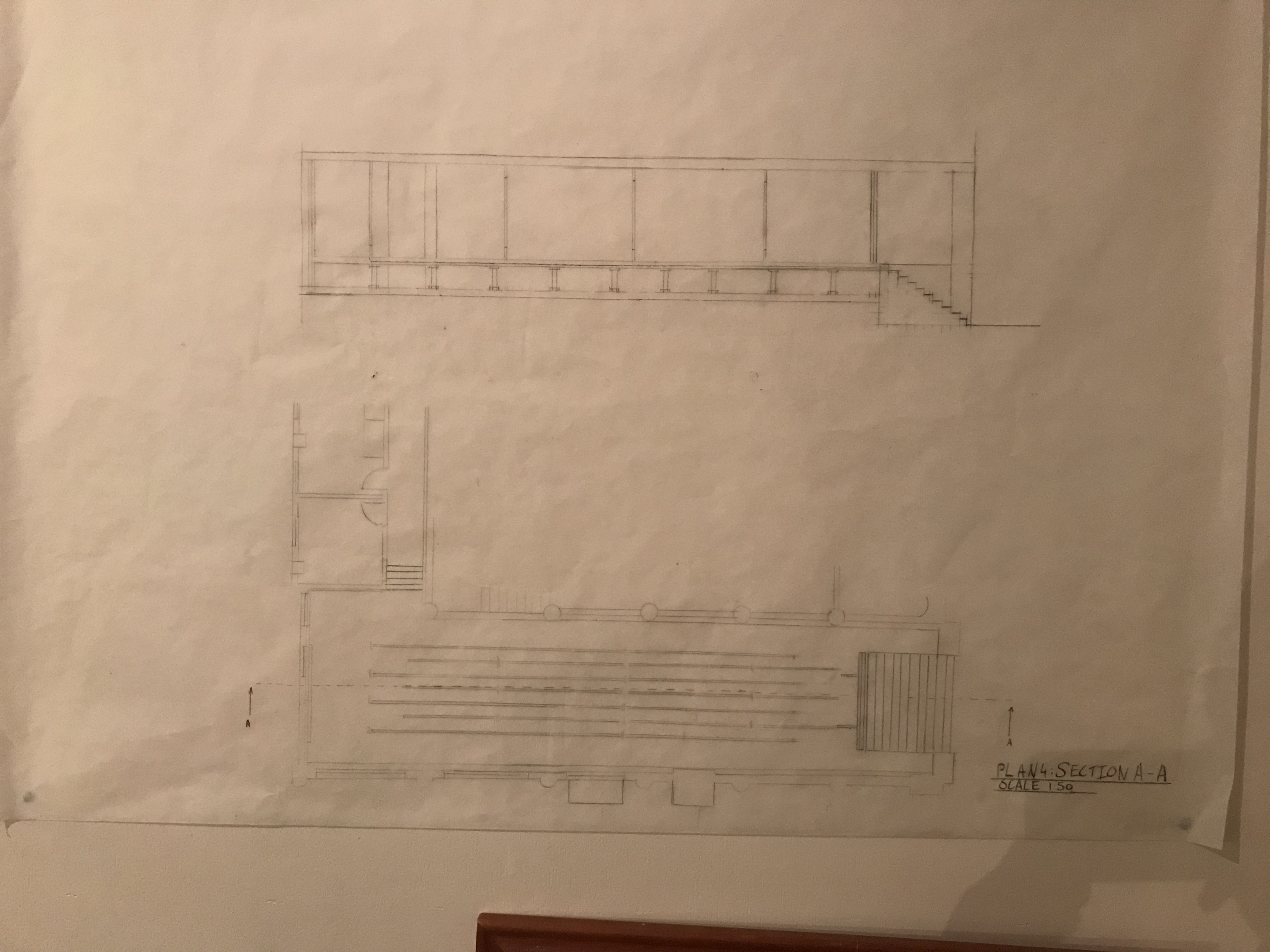
When I got to the studio I found that my drawings took up even more space than expected so I altered my layout accordingly. I overlapped my drawing to show the flow and development of my ideas as I moved through the design process. The section drawing is to the left hand side of the other plan drawings, leading your eye across to the model on the podium.

The tracks on both the window and the mirrors create a relationship between the room and the inhabitants for when they come together they can transform the space.

Similar to our dreams where our surroundings are reflected in a new way in our subconscious, you can create your own version of reality through the moving and positioning of the mirrors within the room.

Opening and closing of the window affects how much outside noise is allowed into the room. When fully closed you get peace and quiet.

Abstract:

My design of a new threshold moment in to the gallery space is through the journey up a staircase and the pushing of the window. The concaved nature of the entrance draws you in and as you look in you see the city reflected out to you. You don’t expect to see the city when looking into a room but similar to your dreams not everything makes sense. The reflection create a new world within the gallery for people to interact with inside the space as well as when they pass by the window. A city within a room.I have explored the relationships of open/closed, loud/muted, movement/stasis and light/dark and incorporated these relationships into my threshold design.

Project 2: Threshold/Model

Year 1 Studio

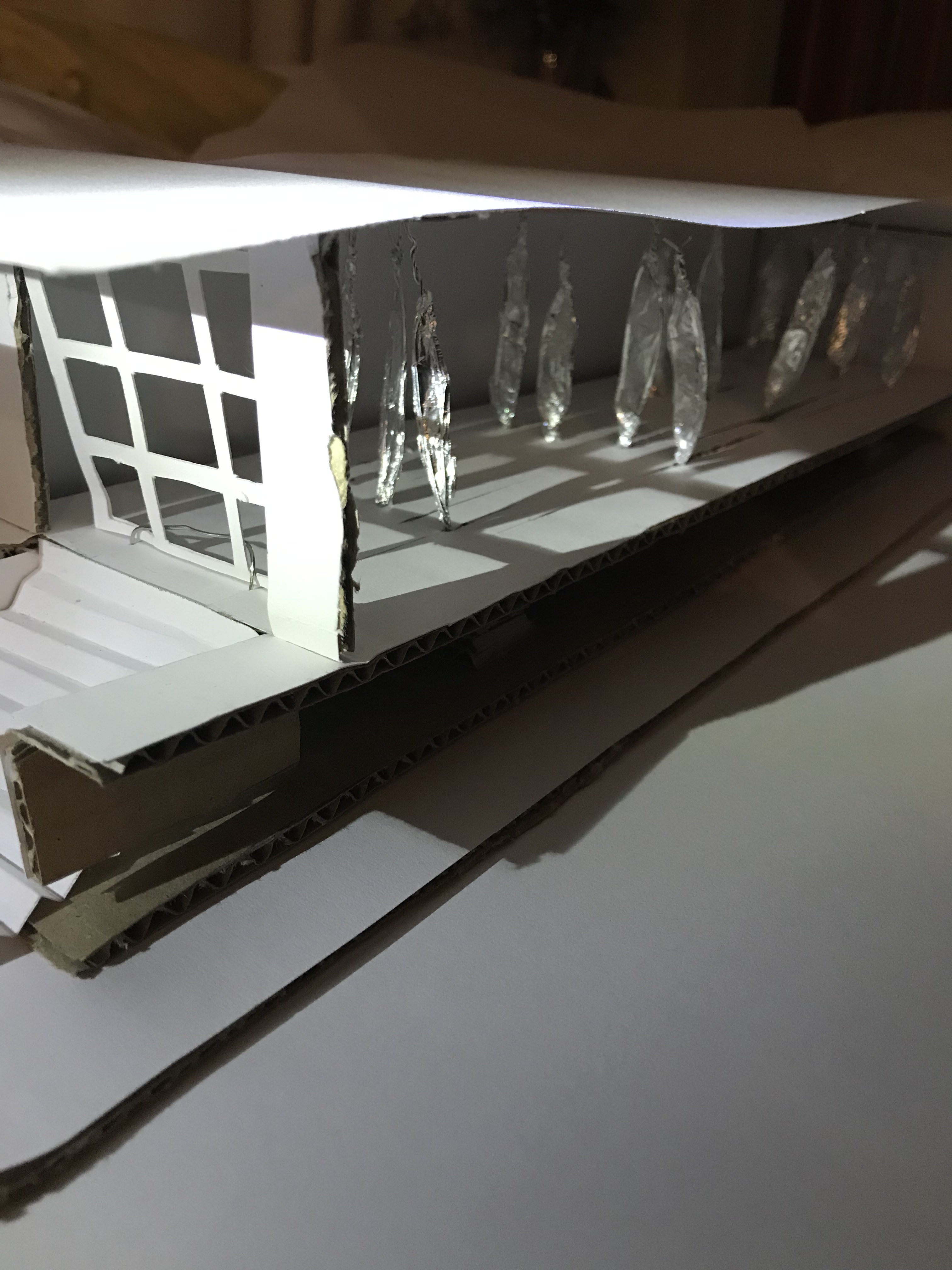
I have made my model out of cardboard as it is easier to alter if I change my design once seeing how it functions as a model.

Joining it together I am using a combination of masking tape and glue to tightly bind the edges together.

To tidy up the edges and create clean surfaces I have covered the cardboard with white paper.

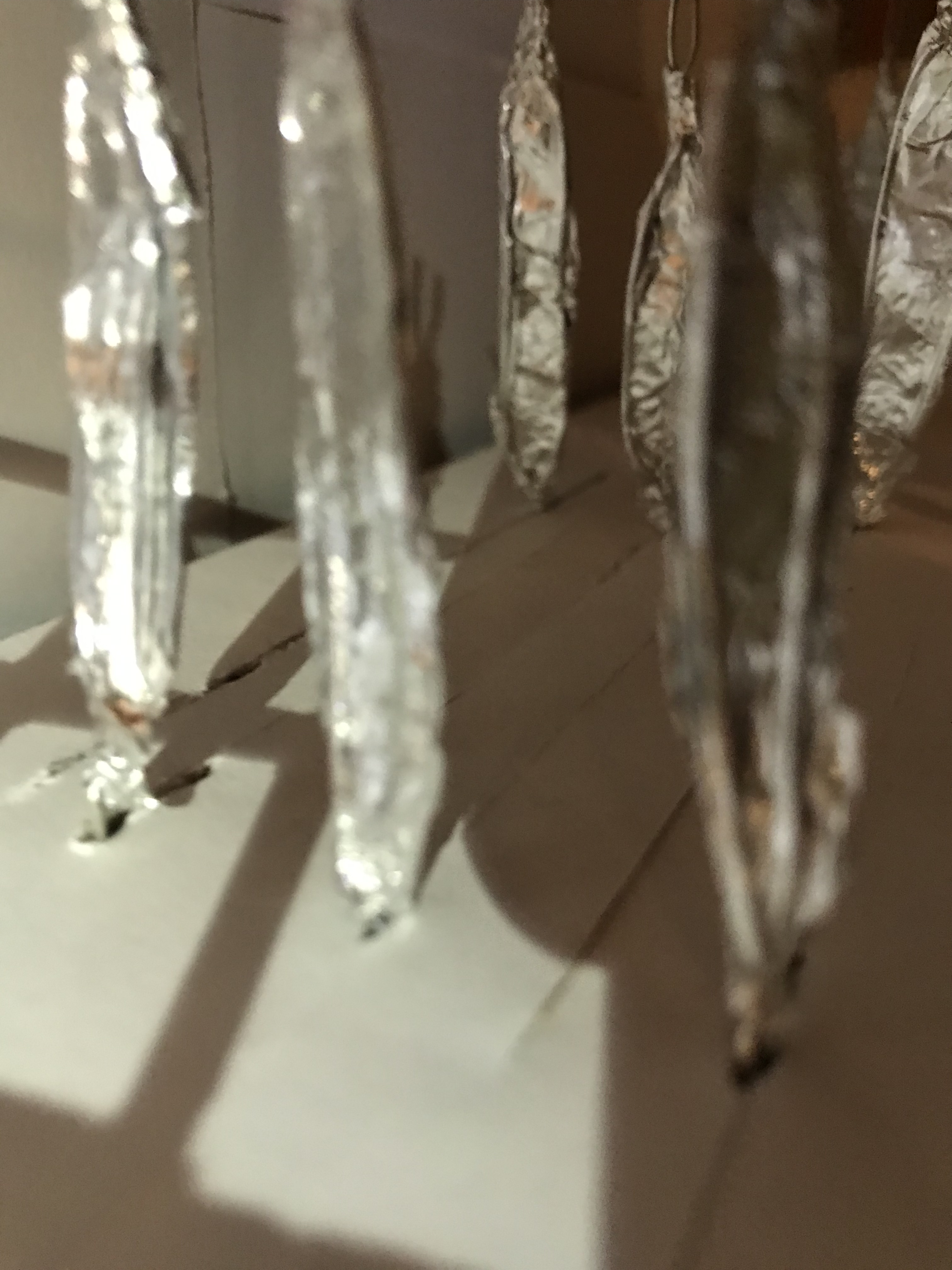
To simulate the mirrors I used thin wire for the frames and tinfoil as the mirror. I don’t like how messy this looks as you can’t have full manipulation over the wire. I think next time I’ll use a laser cutter to get the fine details into my design.

As I assembled my model I noticed there was an empty space on either side of the stair way which would be reflected into the mirrors. I didn’t want the reflection of those inlets to mix with the reflection of the city so I added a wall on either side of the window to externalise the sides of the staircase and create a clean, flat surface at the front of the gallery space.

Project 2: Site

Year 1 Studio

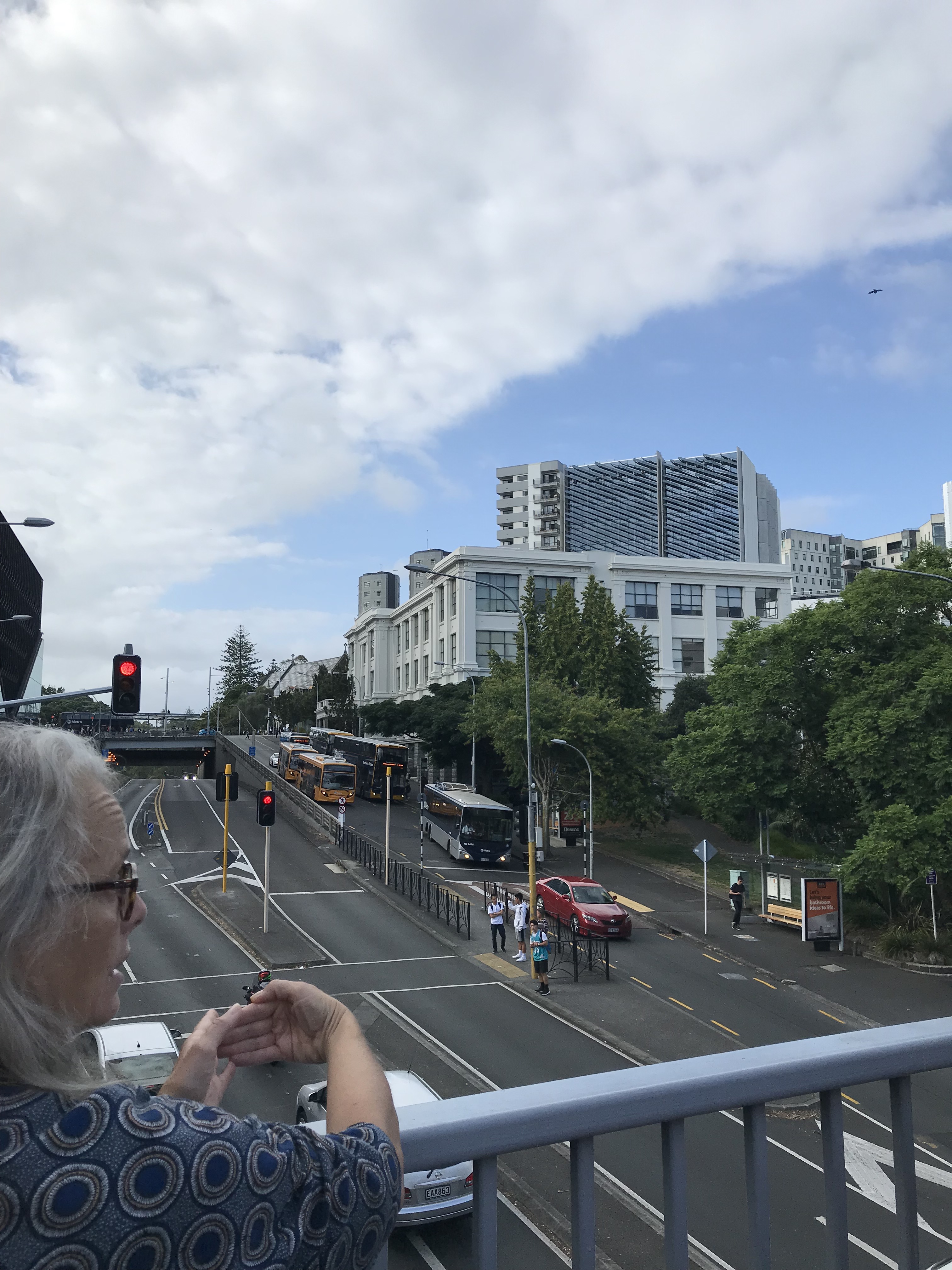
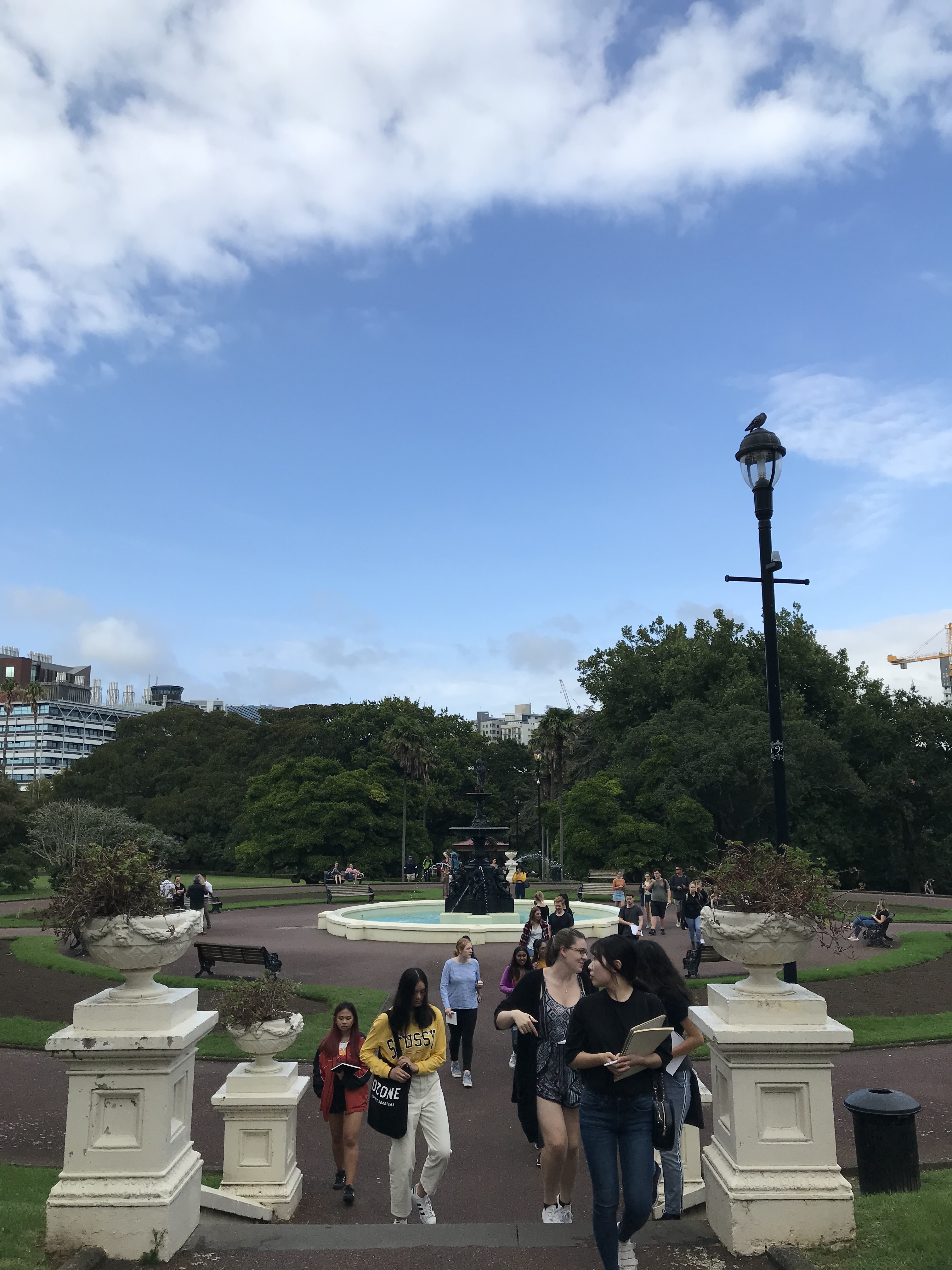
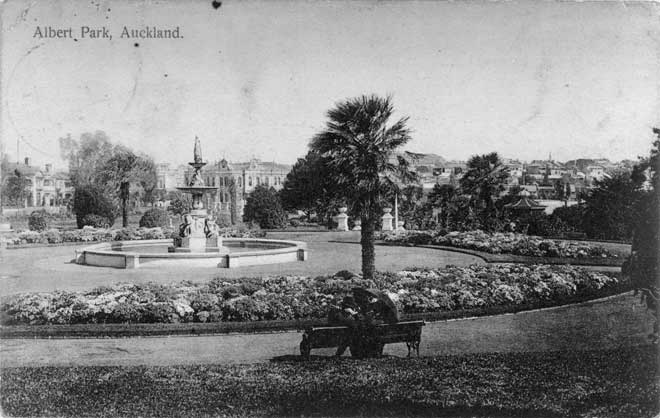
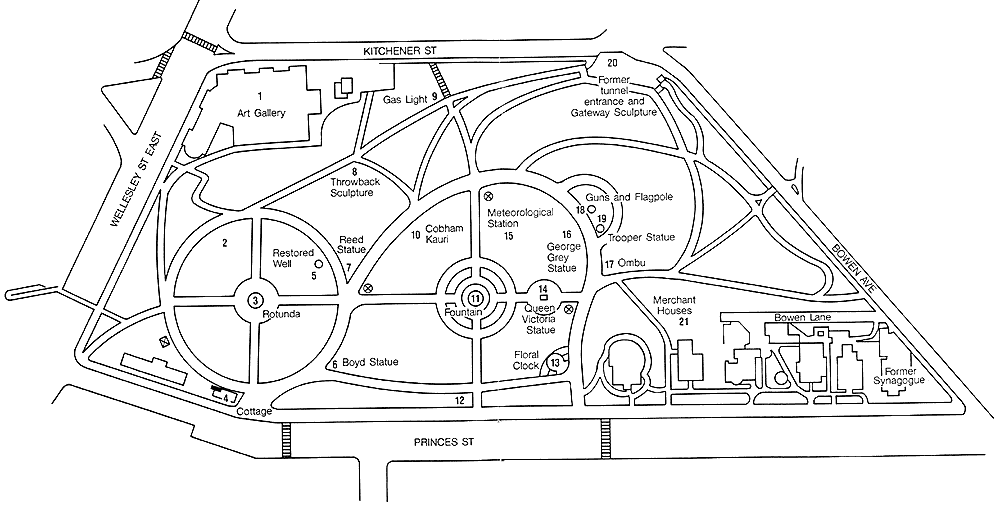
To start our research on Monday 18th for our second project we went on a site visit to Albert park through to the gallery site.

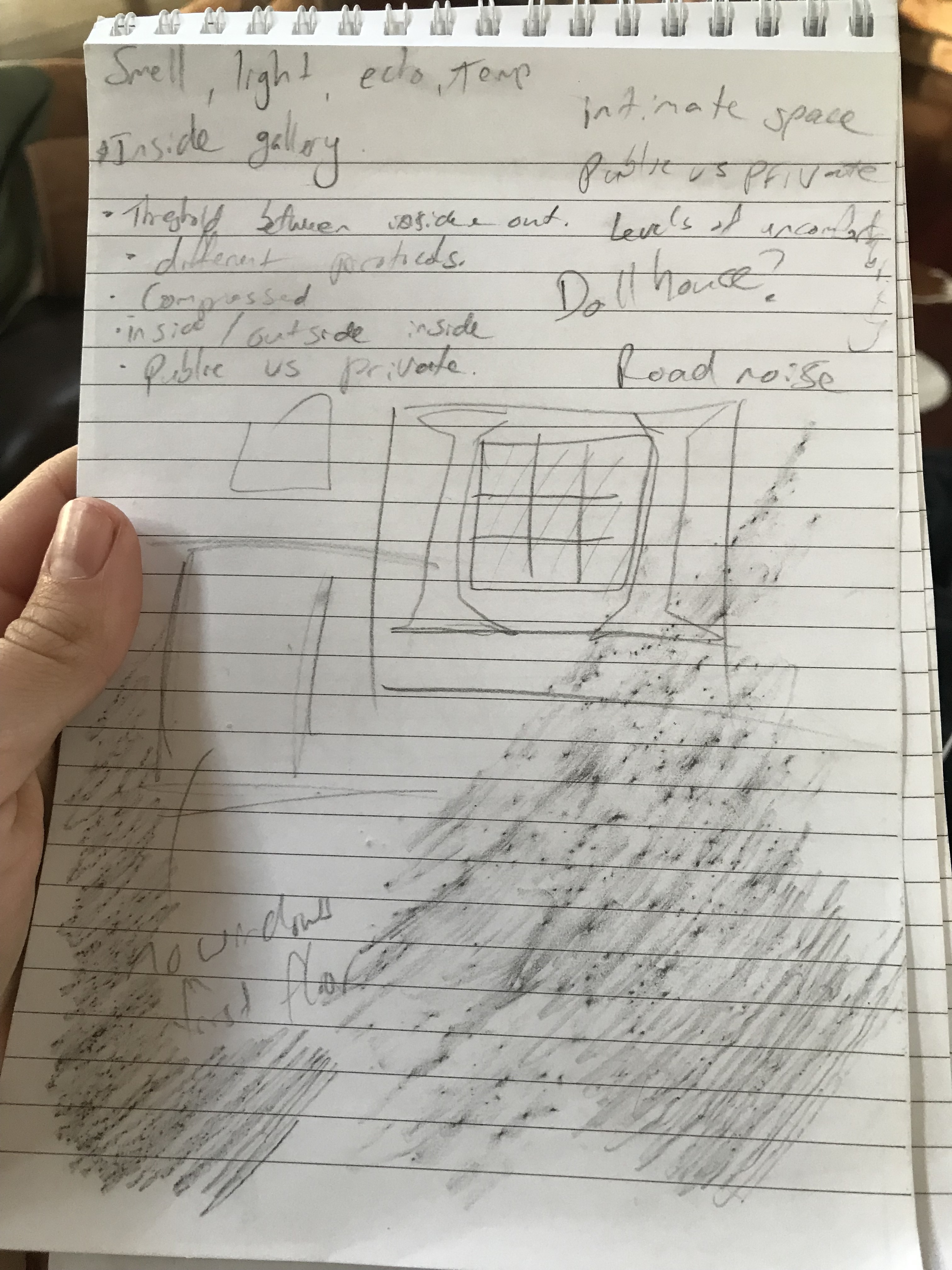
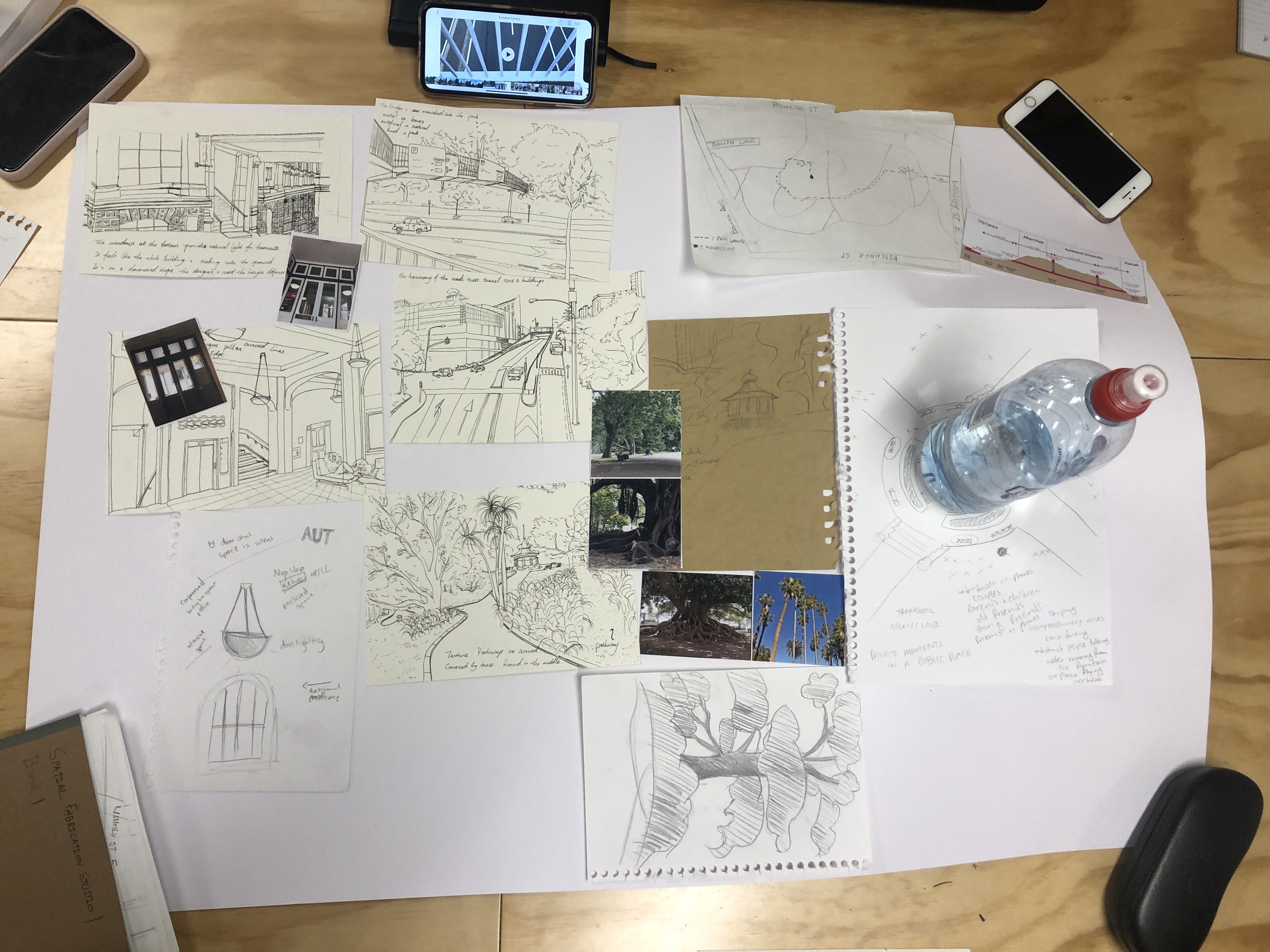
On our walk from uni to the park, and then around the park I made a few sketches of different notable spots and made notes on the sounds, movement, sun patterns, history, atmosphere, human interaction and other observations to reference later when creating a site map. Whilst in the park I thought about the experience and purpose of a park, being a place to pause, an escape and a sanctuary, it provides space in a compact area but is also contained in a way, as the city has imposed edges to the spread of nature of the park.

When moving towards the gallery site and entering into the lobby space I noted how the experience and atmosphere was very different than that of the park and the effect of the threshold transition from outside to inside.

I noticed the smell was stuffy and heavier inside, the light was dim and artificial but in a warm tone making the space feel more intimate, there was a slight echo around the lobby, and the temperature was cool rolling off the concrete walls.

Moving inside also effected the social protocols within our group causing people to be quieter, move in a more restrained manor and created a sense of privacy from being outside and feeling more public.

On Wednesday, in a group, we had a go at creating a site map out of our collective sketches and research, thinking about the relationship between our information and trying to make sure it was cohesive and was easily understood when presenting it to the class. Our threshold relationships we were exploring were: Open space to Enclosed space, Light to Dark and Movement to Stasis. The layout of our site map followed our journey from the park to the gallery site. I think these threshold moments are very relevant to the gallery site in relation to sleep/wake and will consider them when creating my own site map.

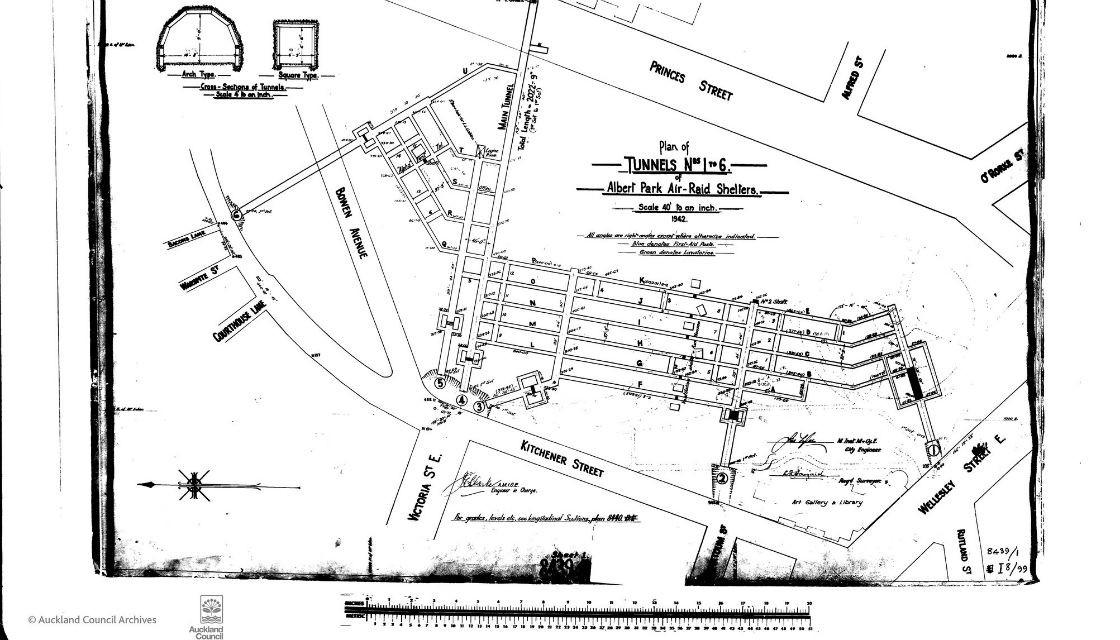
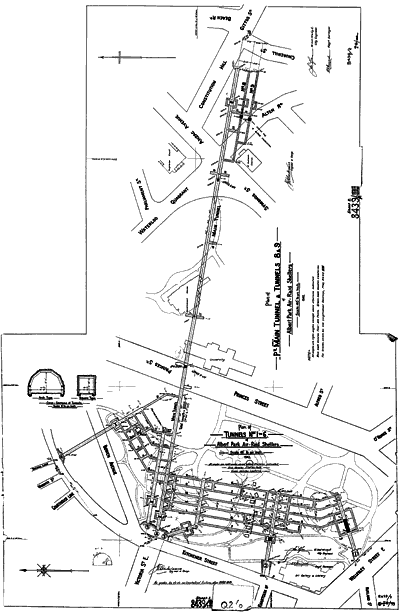
Over the rest of the week I researched Albert park and the area surrounding the gallery site. I learnt more about the history and how the 2nd world war lead to the development of the tunnels under Albert park. They were built incase of an air raid to provide shelter to the city.

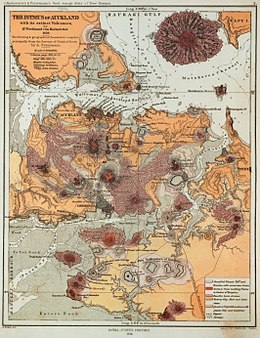
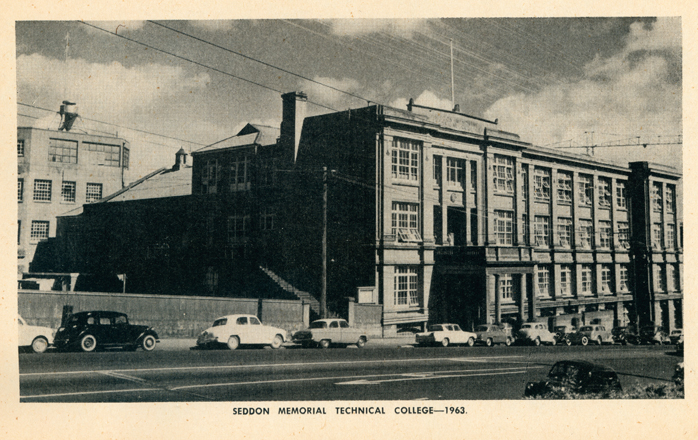
The topography has been affected my volcanic activity over time and the general landscape has been affected by the development of infrastructure massively. Albert park is made from volcanic ash from an eruption years ago. The development of Auckland City’s infrastructure has lead to much busier roads surrounding the gallery space and a lot less space surrounding St Pauls gallery, this will have affected natural light access to the space.

On my final site map I focused on open/closed, loud/muted, movement/stasis, light/dark. I used sketches to communicate the sound in Albert park vs the gallery space and to communicate the atmosphere in the different spaces. I used a layered drop down layout for my images to communicate the passage of time and atmosphere in the different areas of Albert park and the gallery site.
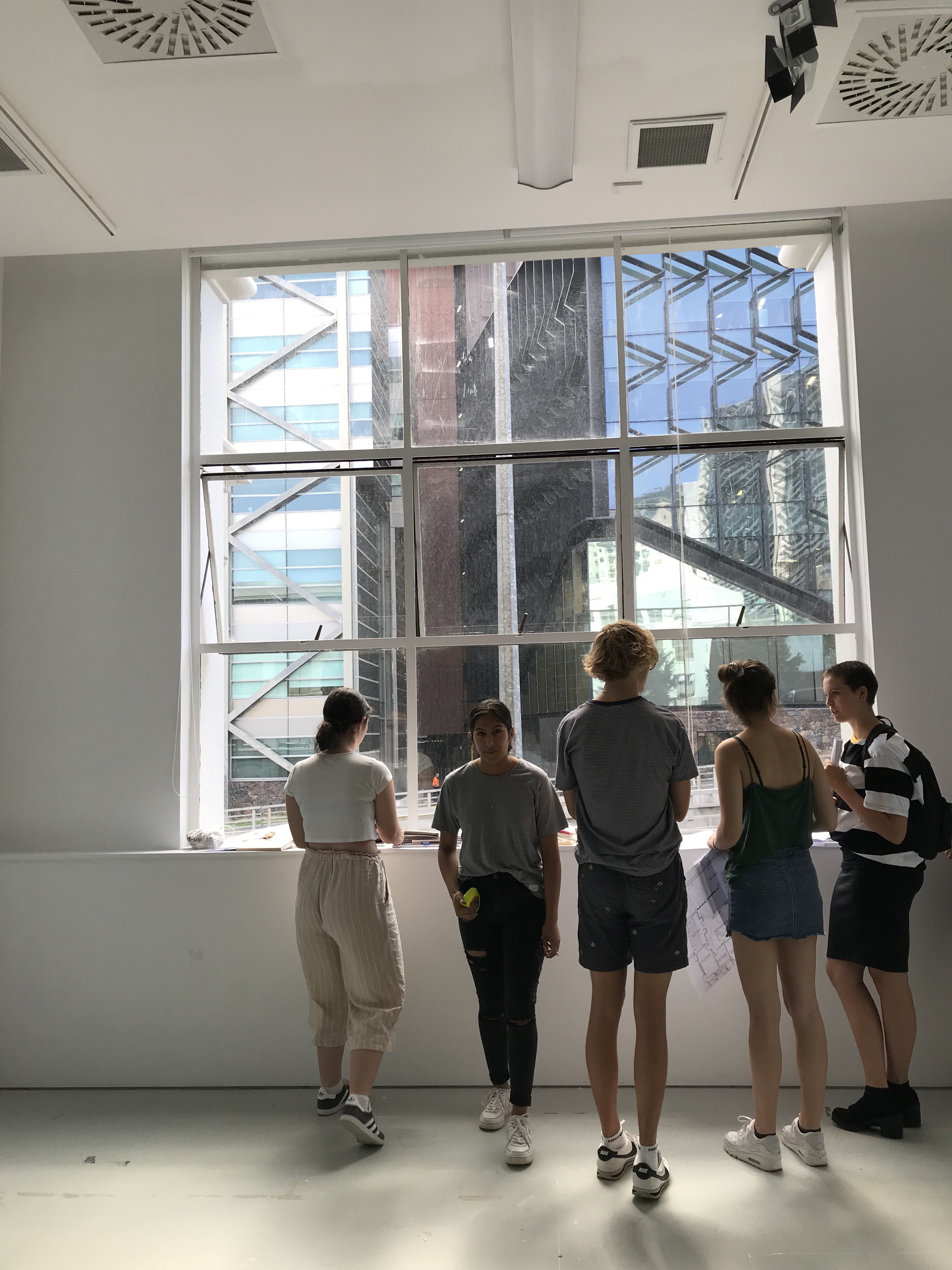
Project 2: Drawing Threshold Plan + Section

Year 1 Studio

Monday 25th we presented our site maps to the class. I found this helpful to see how other students interpreted the brief and the way they explored their threshold relationships.
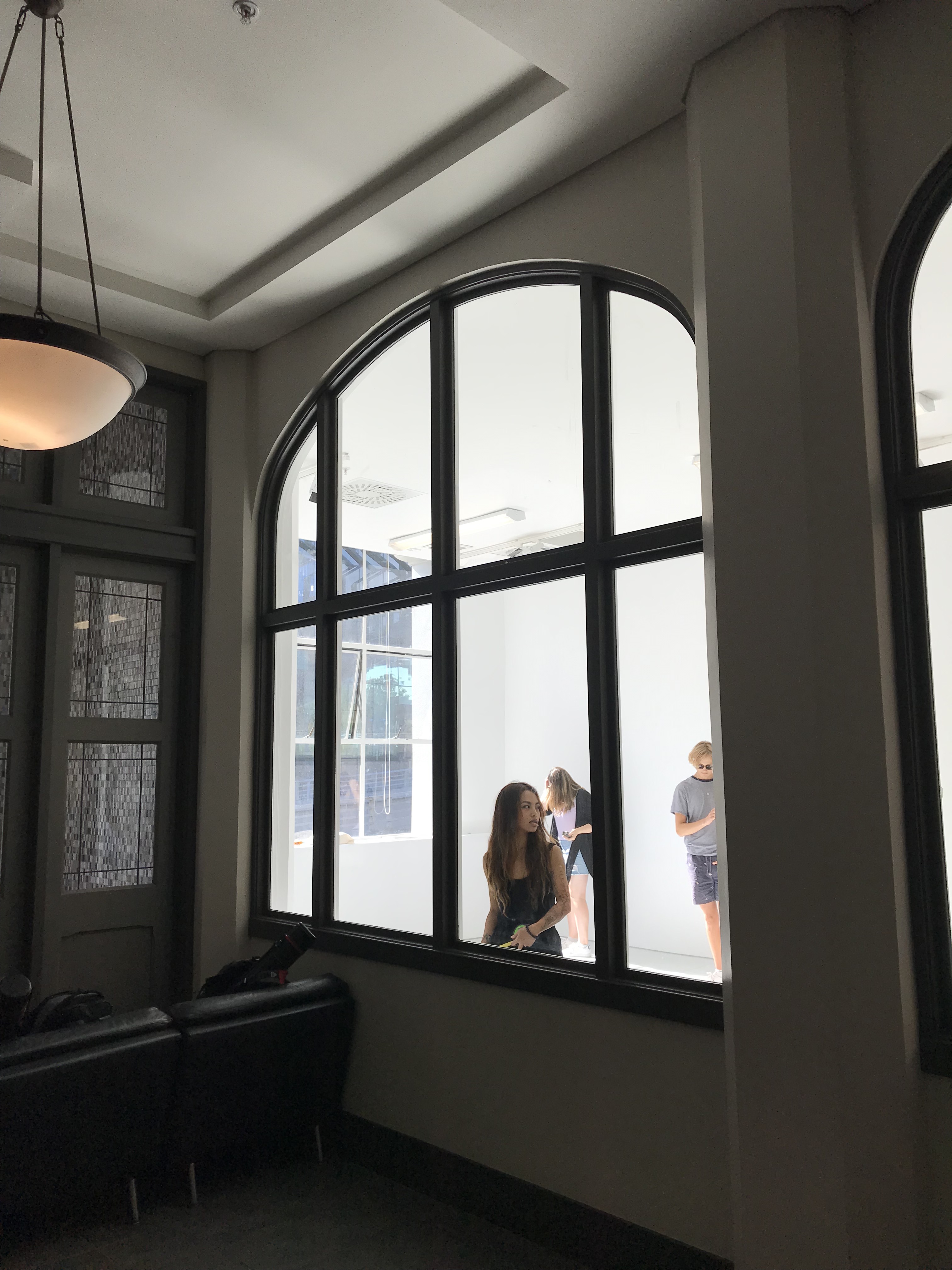
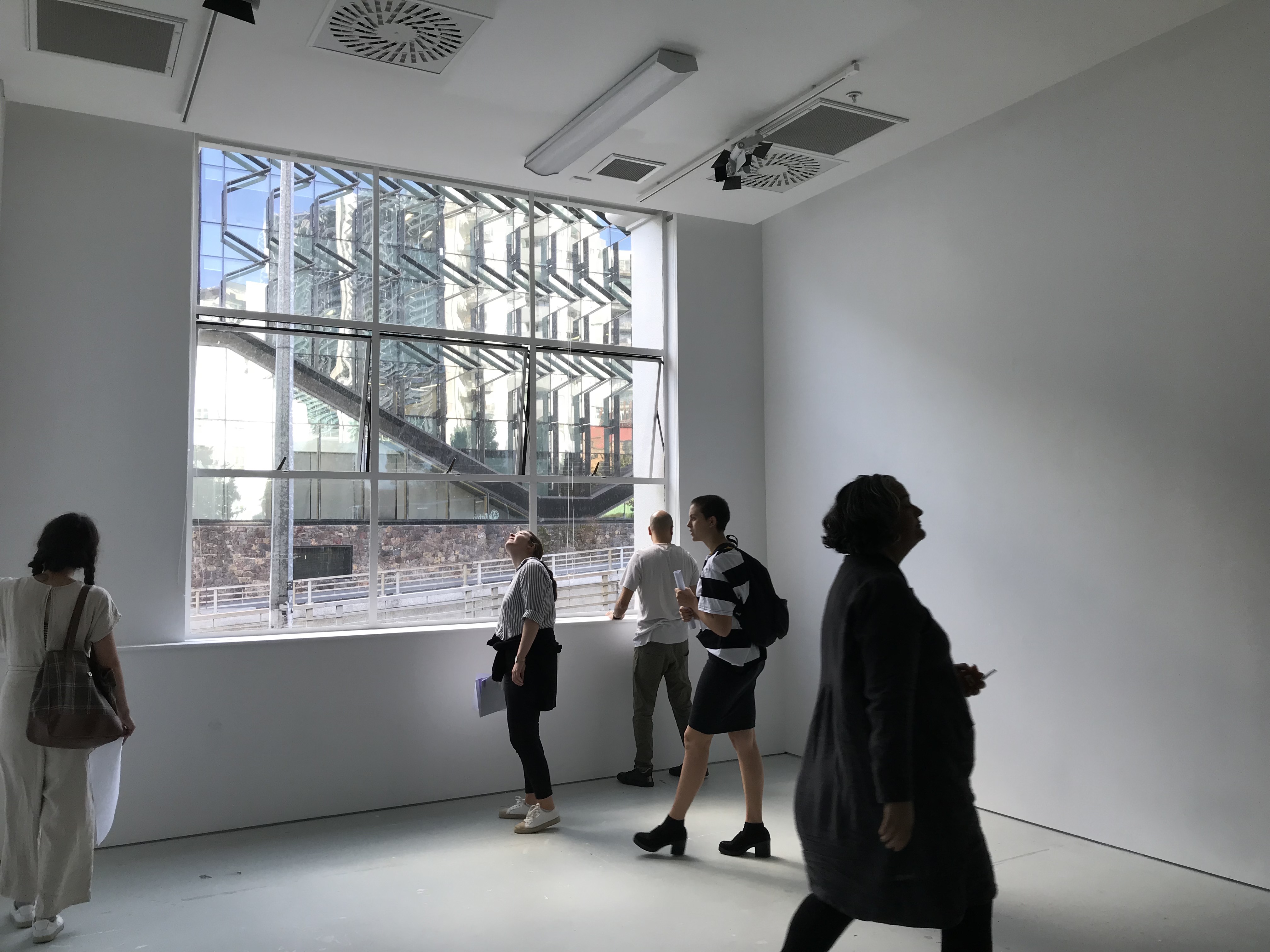
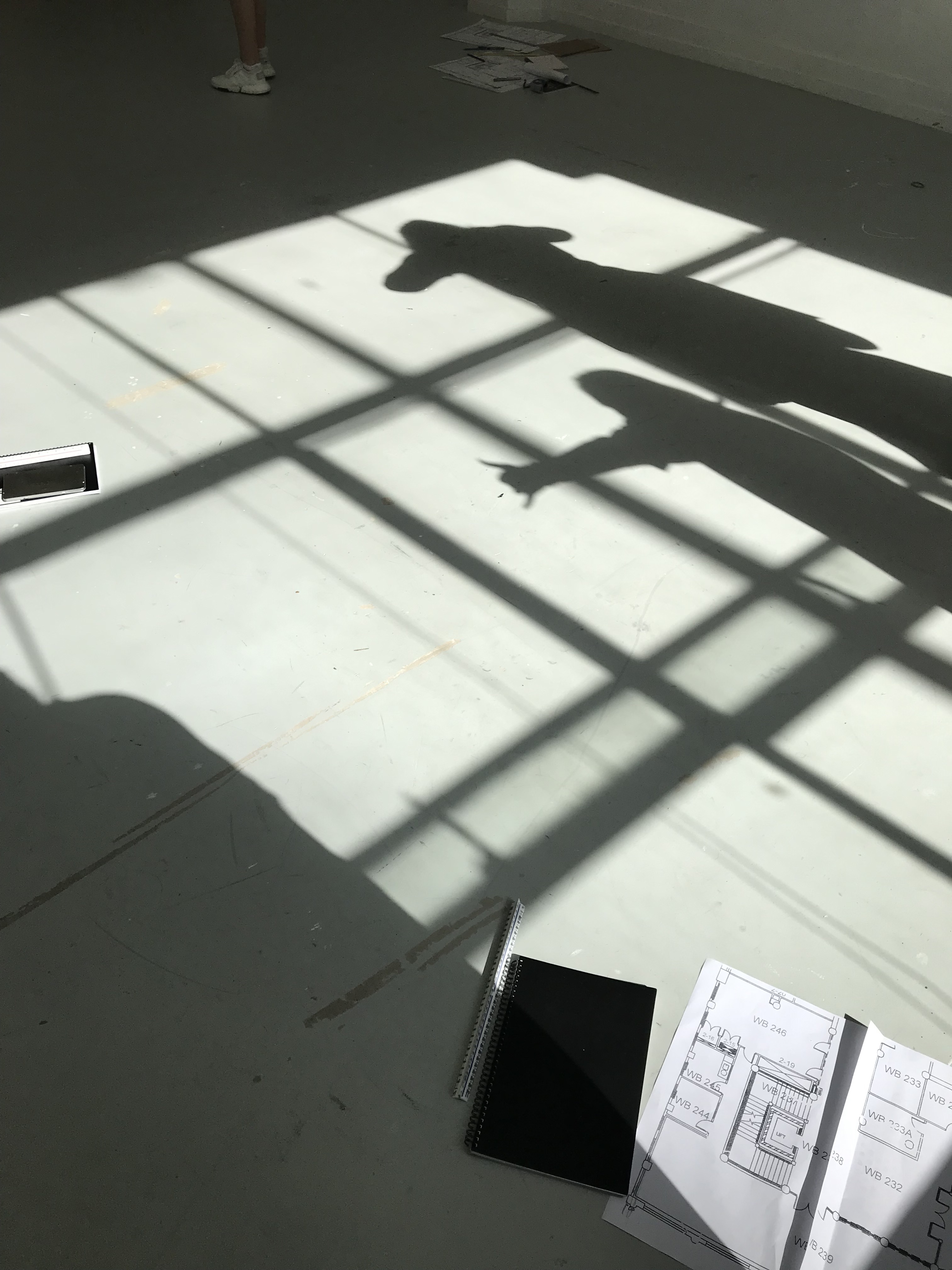
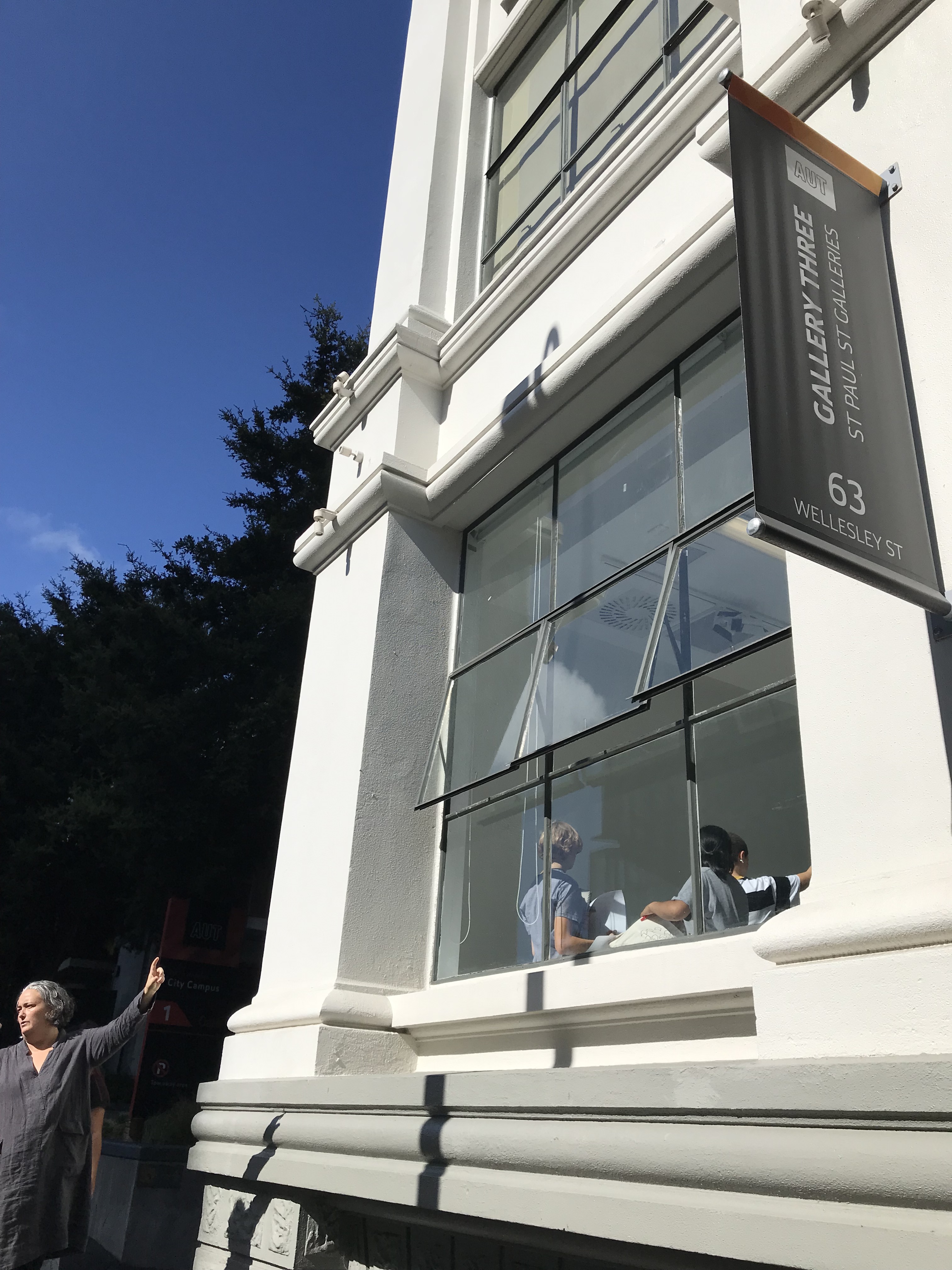
We were able to enter into the gallery space for the first time and take all the measurements we need to start drawing our plan and section drawings. I observed the natural light and the way it affected the room. The shadow it cast on the ground was beautiful and i’d love to incorporate this into my design. The light also bounces off the walls and carries quite far down the room creating a lovely naturally light space.

The space felt very open and calm which caused people to move slowly and be more relaxed. It is quite a private space despite the large window. You are only able to see pedestrians when right up close to the window therefore thats the only time they can see you.

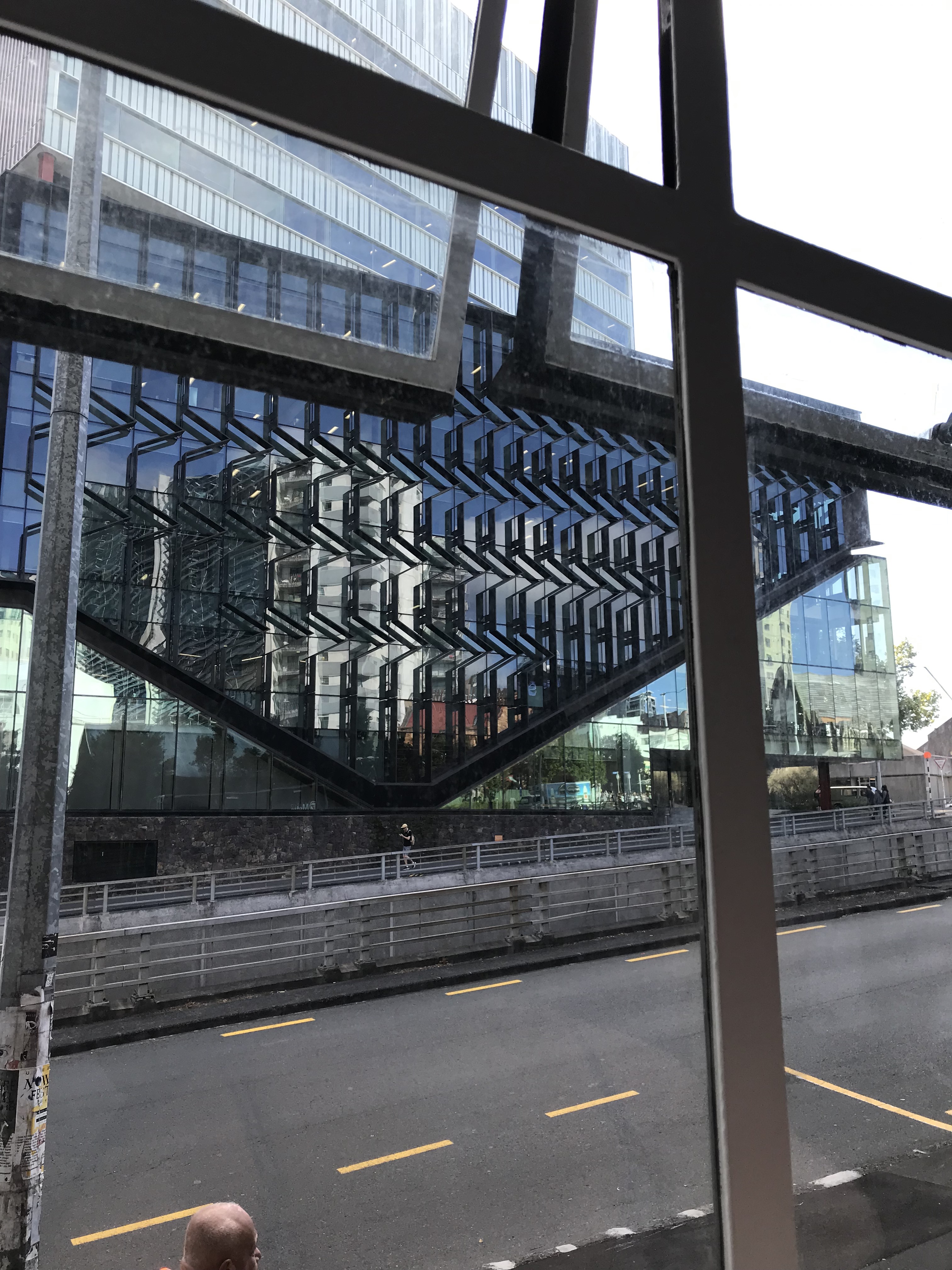
The buildings opposite the gallery are made of a reflective glass allowing a reflection of the sky and the city to be seen from the gallery space creating a unique view of the city.

The gallery space is very much a blank canvas for us to use which makes me excited to start designing.

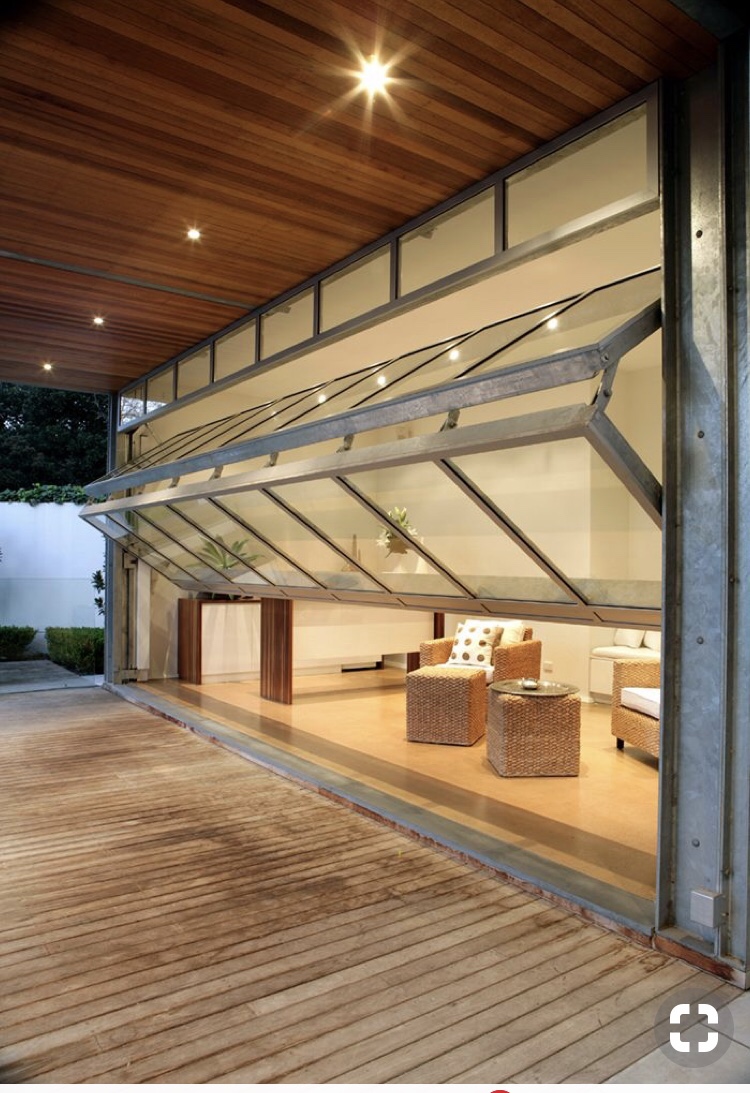
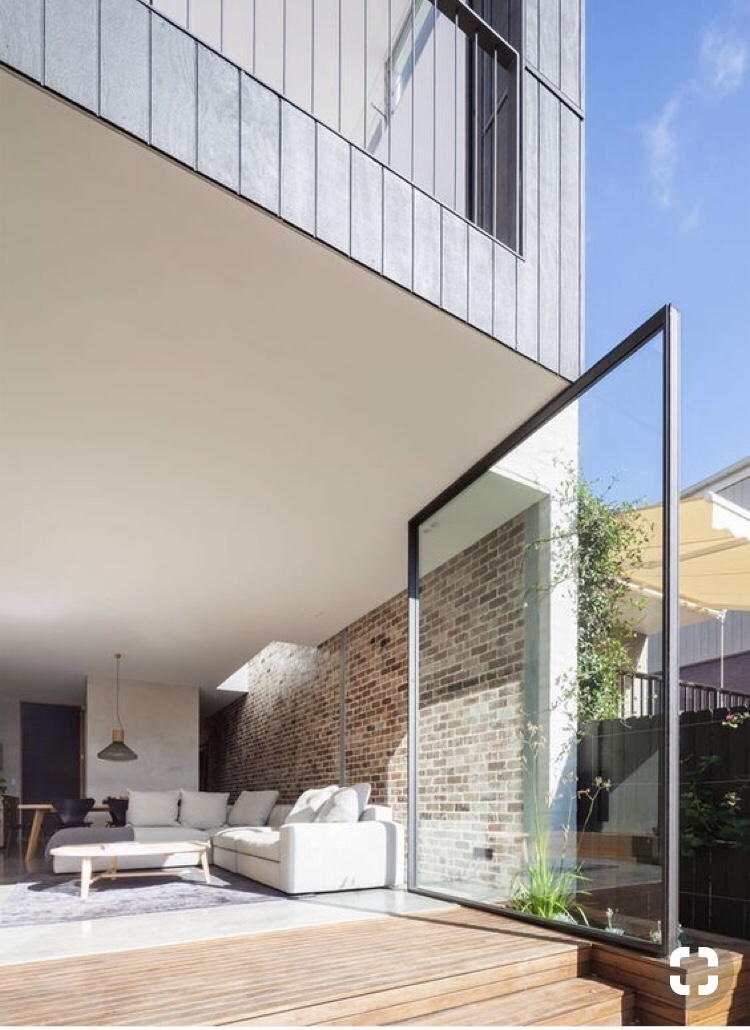
I started researching different, unique doors/ ways of entering into a space. I like the idea of an interactive experience between the person and the door.

Image source: Gliderol

Source: Marston Architects

Source: Paz Arquitectura
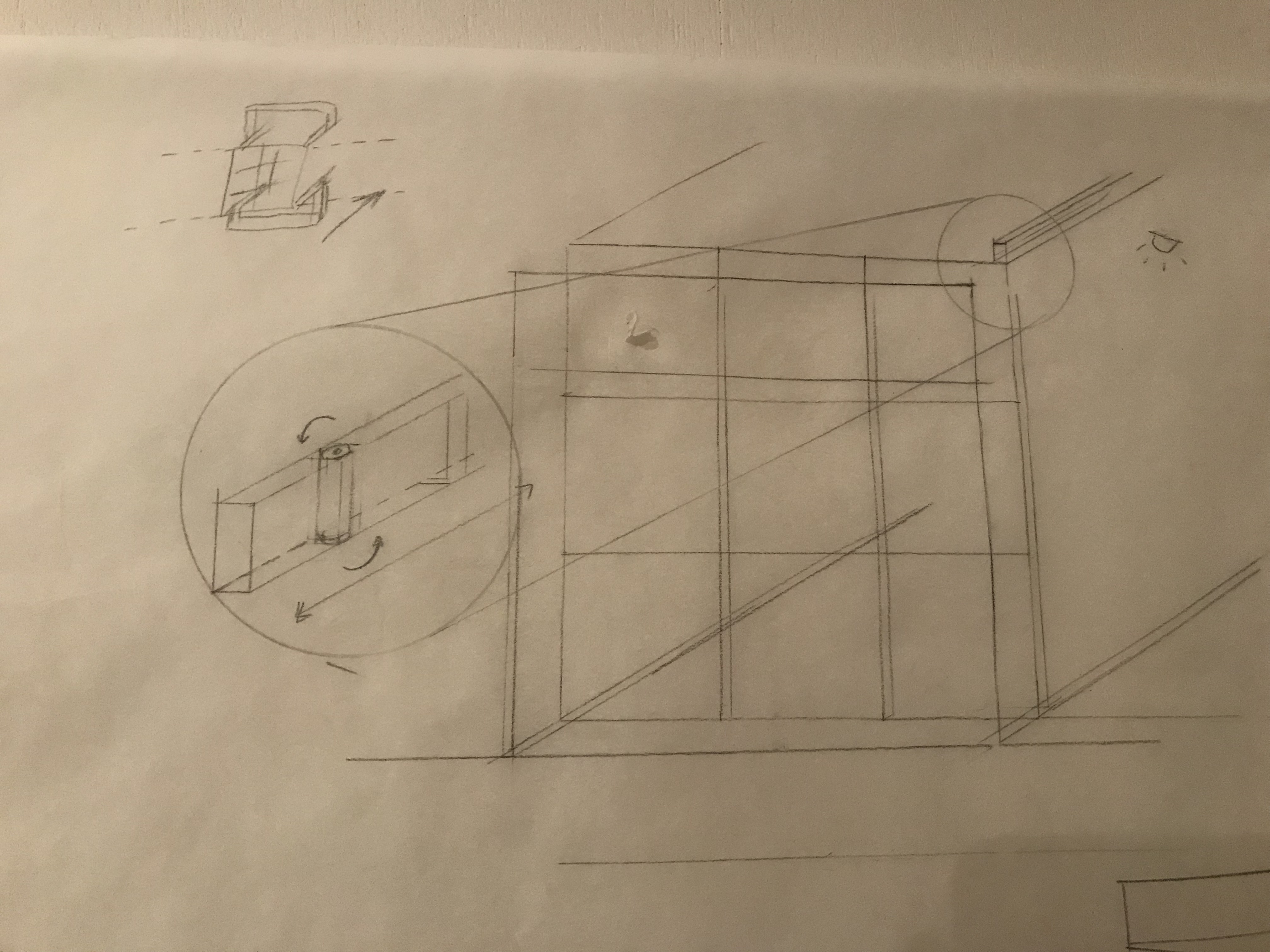
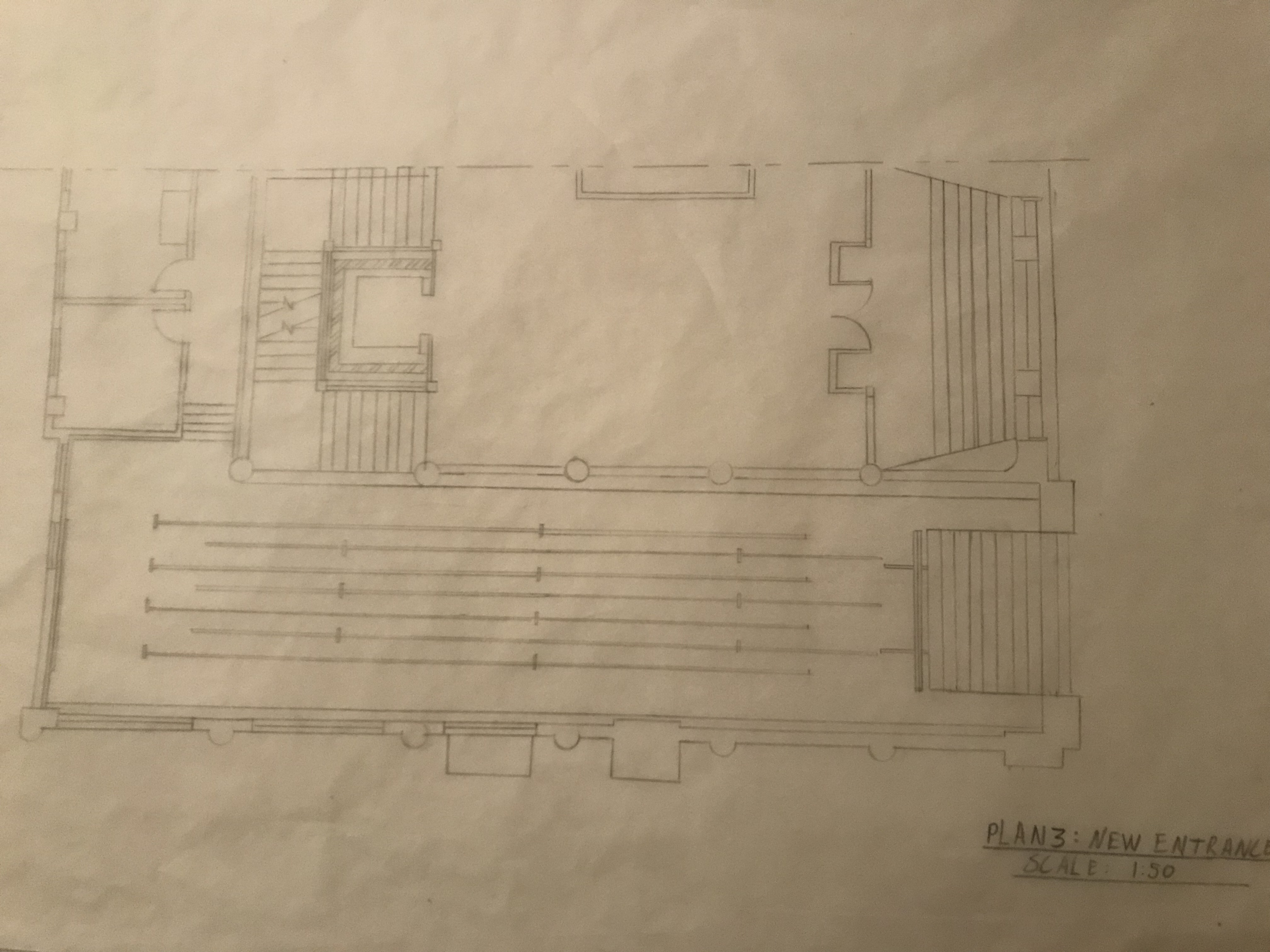
On Wednesday I started my plan drawings. I wanted to centre my new threshold moment around the front facing window. To focus more on the window I have designed a false floor that is raised by 1000mm to meet the base of the window. The entrance into the space will be through the window. There will be two sets of parallel rollers on tracks so as you push the window, it moves straight back. This then opens two spaces two your left and right to enter into the gallery. I didn’t know how i wanted to lead people to the window. At first i designed a stair way that wrapped around the corner of the building leading to a platform in front of the window. this design imposed onto the footpath and wasn’t as grand as I had hoped.

I consulted with Pip and she brought the idea of moving further into the space to create a grander entrance which I hadn’t considered. I altered my design incorporating this feedback, moving further into the gallery space to fit a staircase up to the window.

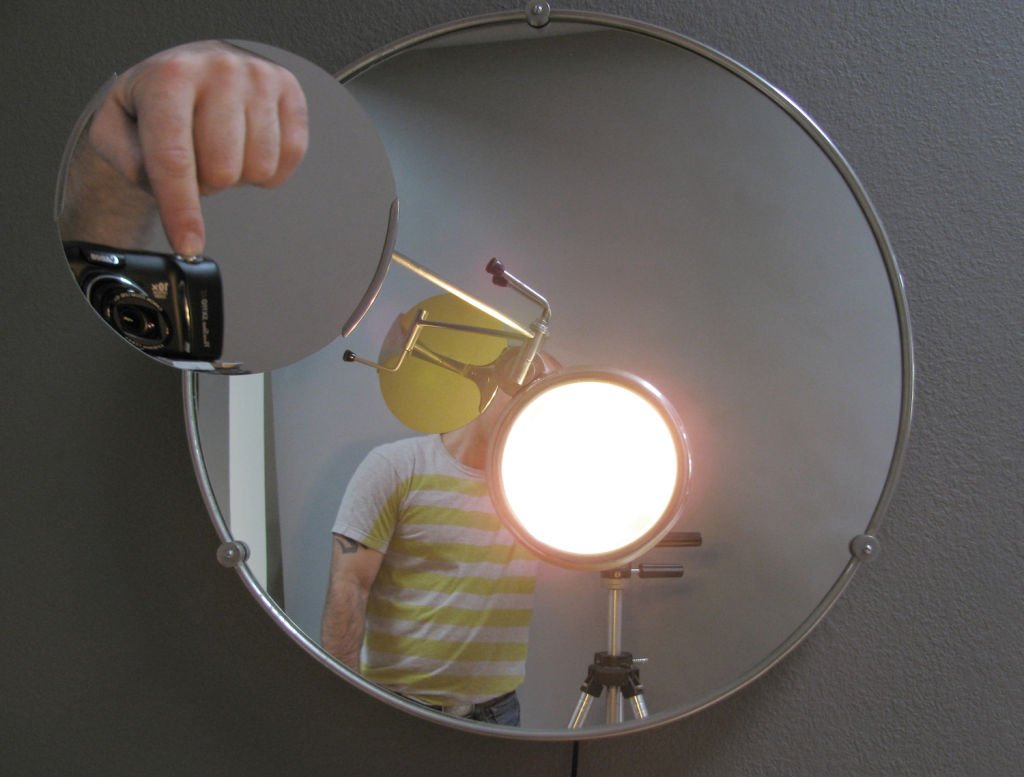
I wanted to do something with the interior of the space. I used mirrors in my first project so did some research on how different designers have used mirrors. Eileen Gray designed the Satellite mirror for a bathroom setting but it creates an interesting reflection having the two mirrors. Spandana Gopel with Tiipoi designed Mirror 6 which is a large, raw, circular mirror. Large scale is quite striking in a mirror and the imperfection holds it own unique beauty.

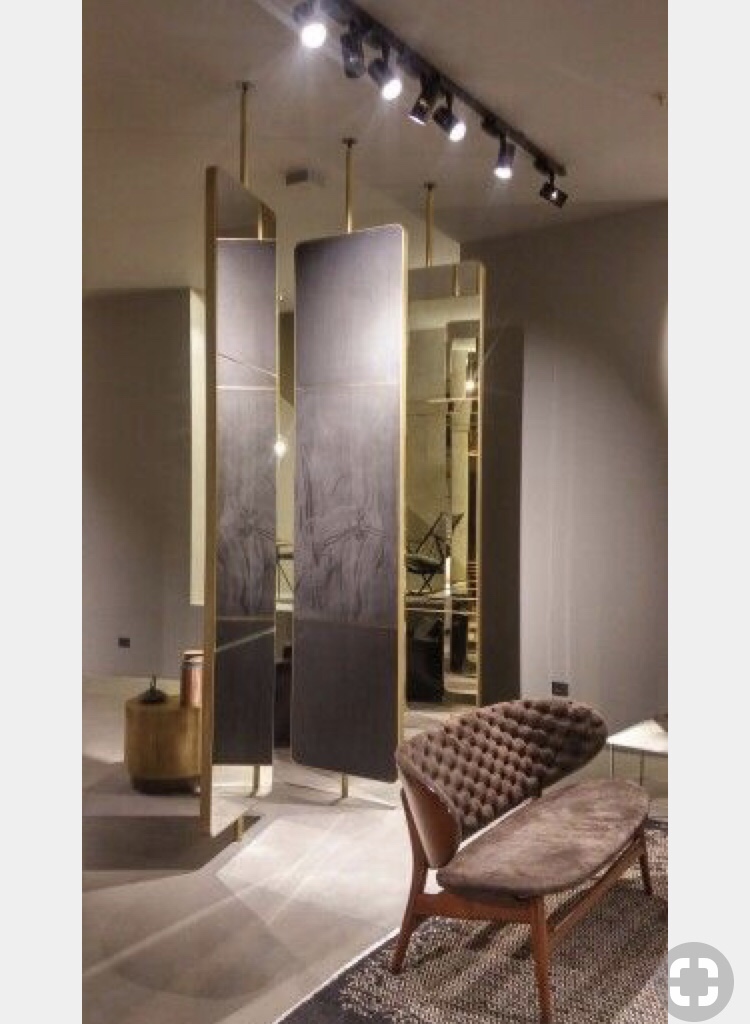
Through my research I came across the use of sectioned mirrors in an interior space and love the way it changed the space.

Apartment in Kyiv, Ukraine – Source Pinterest
Baxter Cinema Milano – Source Pinterest
Origin unknown – Source Pinterest

I like the way mirrors manipulate a room so I incorporated some slim mirrors that are also on tracks in the ceiling and floor so they can move up and down the room. Bringing the outside in. It allows the people that are in the space to interact with the interior as well as the exterior landscape. This also allows pedestrians to interact with the space as they are passing by seeing their own surroundings being reflected back at them. A city in a room.

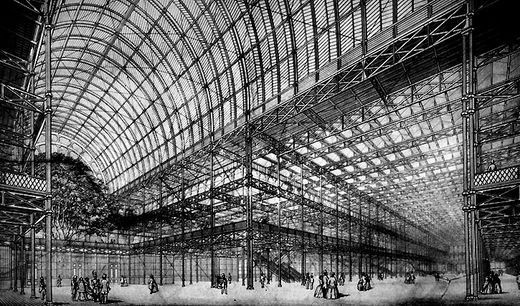
Joseph Paxtons crystal palace similarly has this concept of bringing the outside in. Its quite surreal and blurs the line of interior/ exterior creating a unique space to interact with.

Joseph Paxtons Crystal Palace

Week 3: Presentation

Year 1 Studio

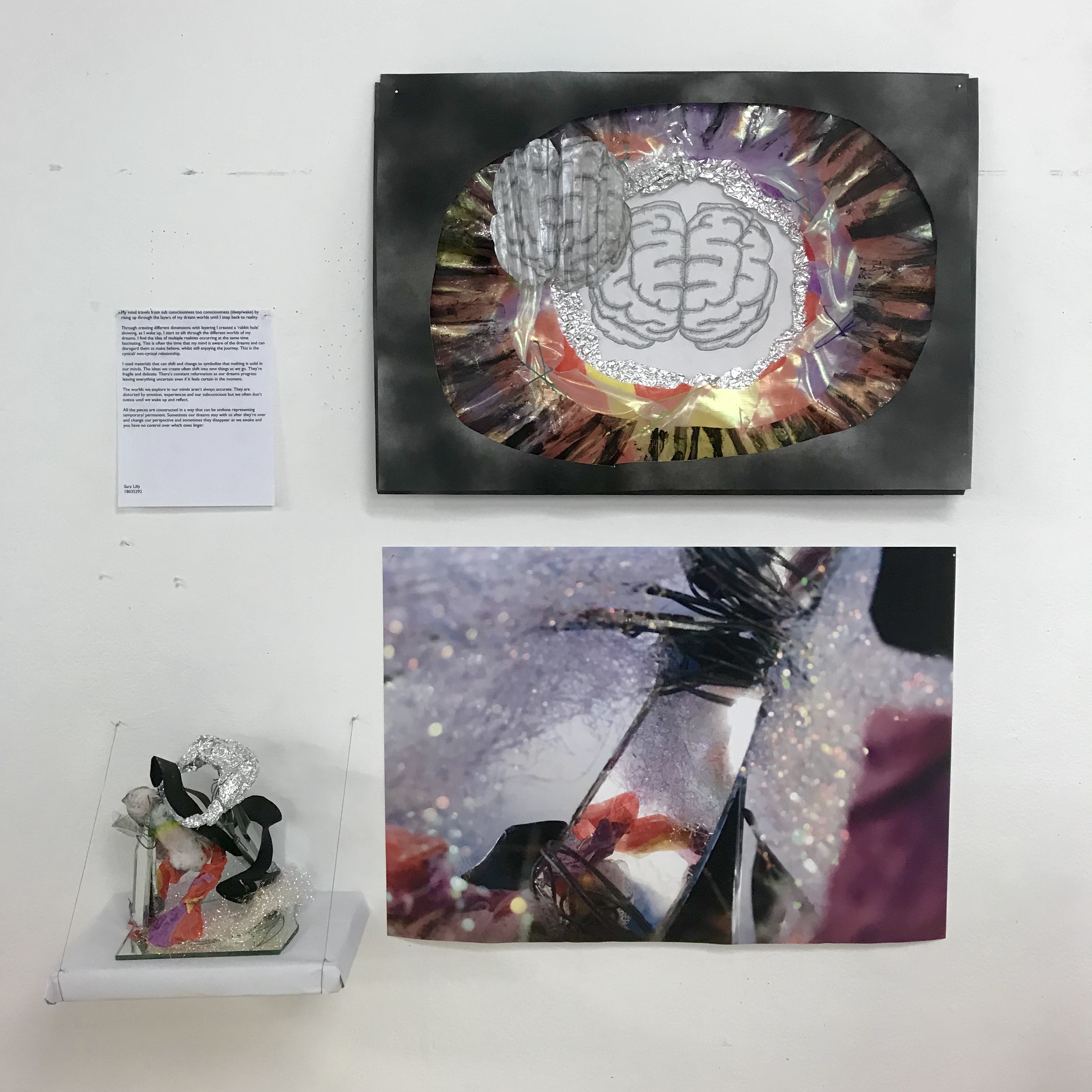
Preparing for my presentation on my sleep/ wake project I completed my final a2 concept drawing, printed an atmospheric photo of my model and finished my abstract.

I drafted a few ways of arranging my four items to see how they fit best and to figure out which arrangement created the most impact.

When I got to class however I had to alter my plan as I was unable to use a stand for my model because there was a table in the way.

I made a shelf with the top of a shoe box and some thin wire and attached it to the wall. This actually created a nice clean platform for my model and it brought it closer to the rest of my work. This made for a nice flow between all of my pieces, more so I think, than if I had had my model on a stand.

Abstract

I was confident conveying my idea and thought process and found it helpful to have my work critiqued. I was able to see where I need to improve going into the next part of the project. I need to focus less on the real objects, like the brain, and explore the concepts that the objects represent.

Im excited to see what I create for part two of our sleep/wake project with this in mind.

Week 2: Model

Year 1 Studio

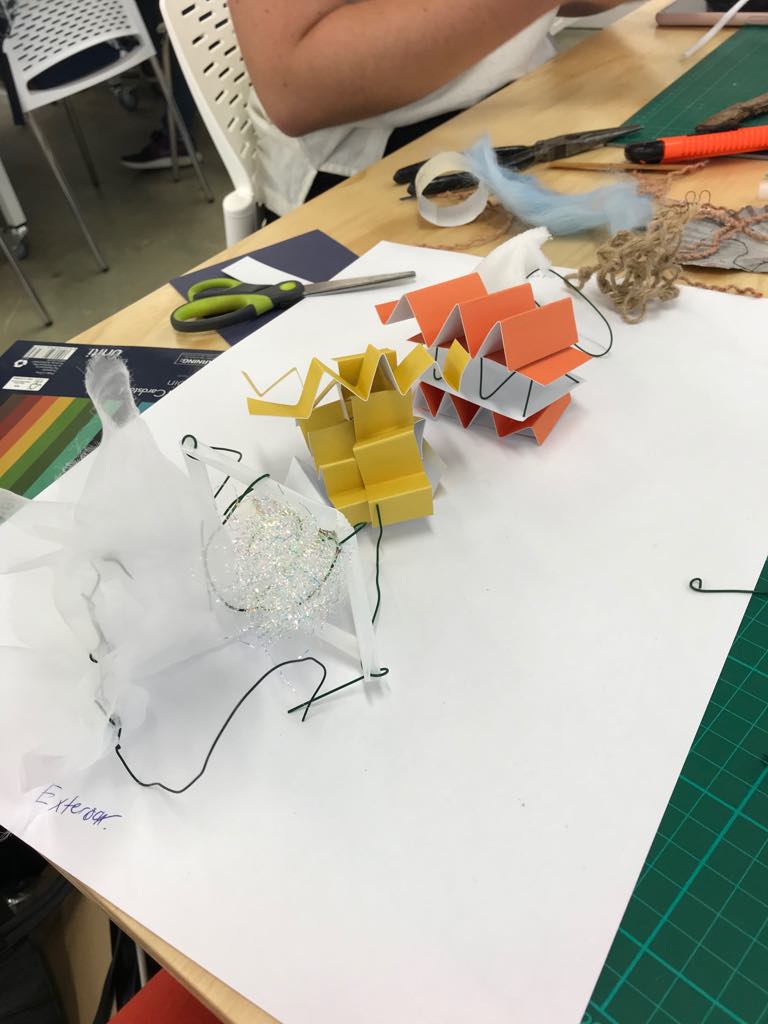
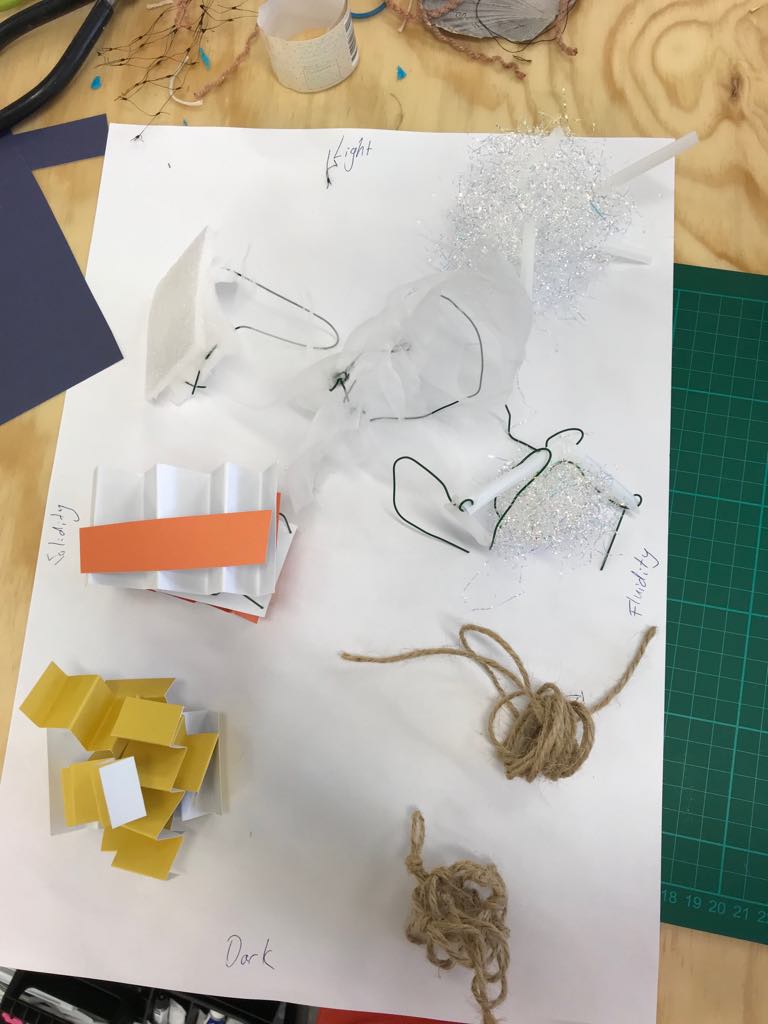
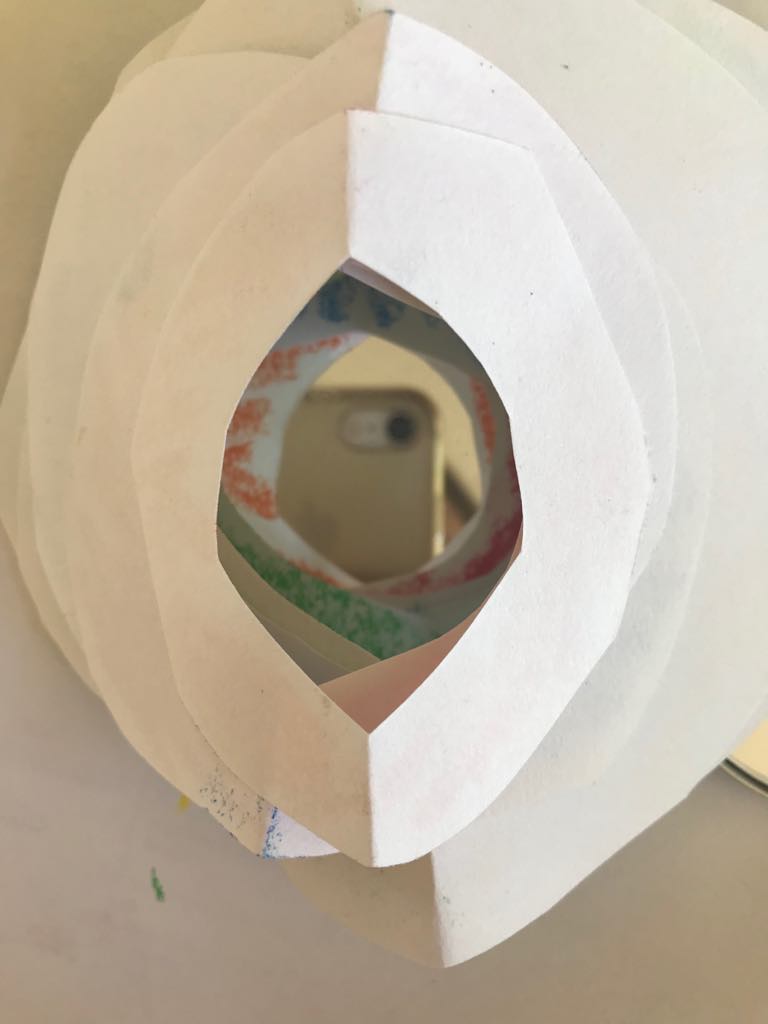
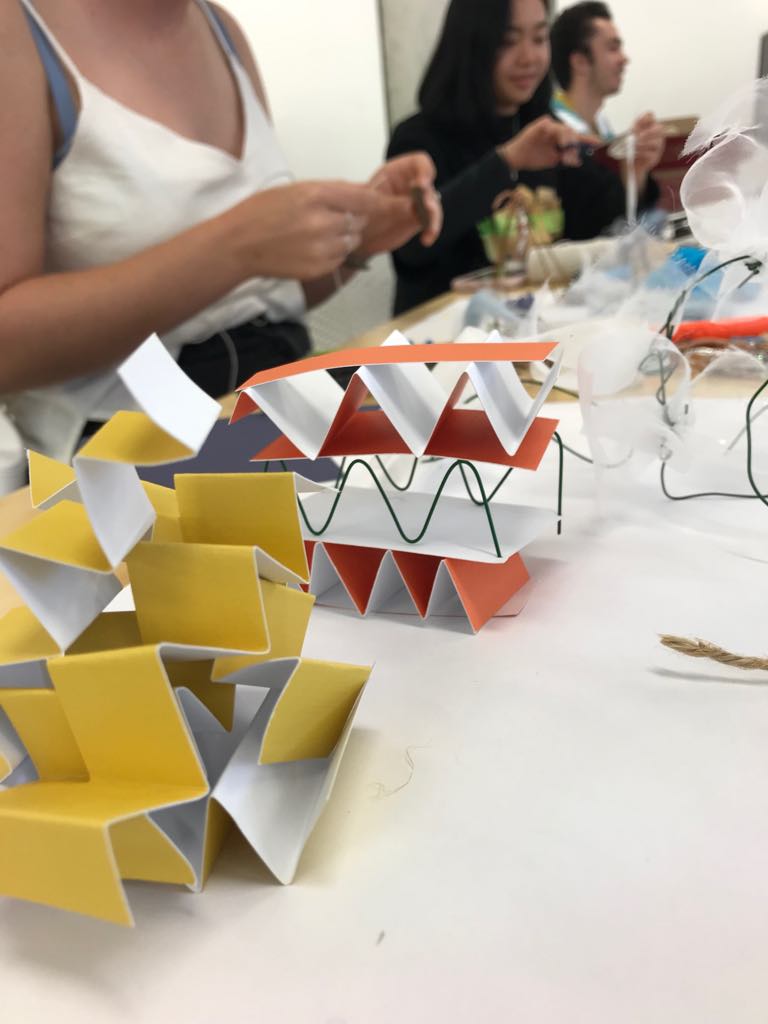
This week we started the model making process drawing on the essence of our A2 concept drawing. I was drawing on the idea of layers from my A2 Concept Drawing, the transparency of dreams and the idea of something not making sense in its form/ structure.

Having to create something in 6 minutes, every 6 minutes, for an hour, forced random ideas to come up.

I found this exercise helpful as I often overthink the how’s and whys of what I’m creating rather than focusing on the materials and what forms they can take on. There was less thinking, making room for creativity to happen.

Placing my models on the scale of interior/ exterior, fluidity/ solidity and dark/ light was helpful to engage the thinking around the effects that the models form has on itself as well as its environment. This made me more conscientious and intentional with my final iteration.

On updating my blog last week I focused in on this idea of ‘Alice in Wonderlands’ rabbit hole. I started thinking on how I could incorporate the madness of that rabbit hole.

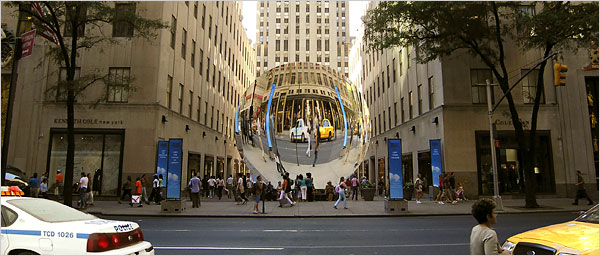
As I thought about the effect I wanted my model to have I played with the idea of having an optical illusion using mirrors. I wanted to create something that at a certain viewpoint it would disappear. Similar to some of Kapoors work. This idea of disappearing was drawing on the temporary/ permanent relationship of sleep/ wake as one minute you would be able to see down the rabbit hole, the next minute its gone.

I wanted my model to cause a double take reaction and take on a shape shifting quality.

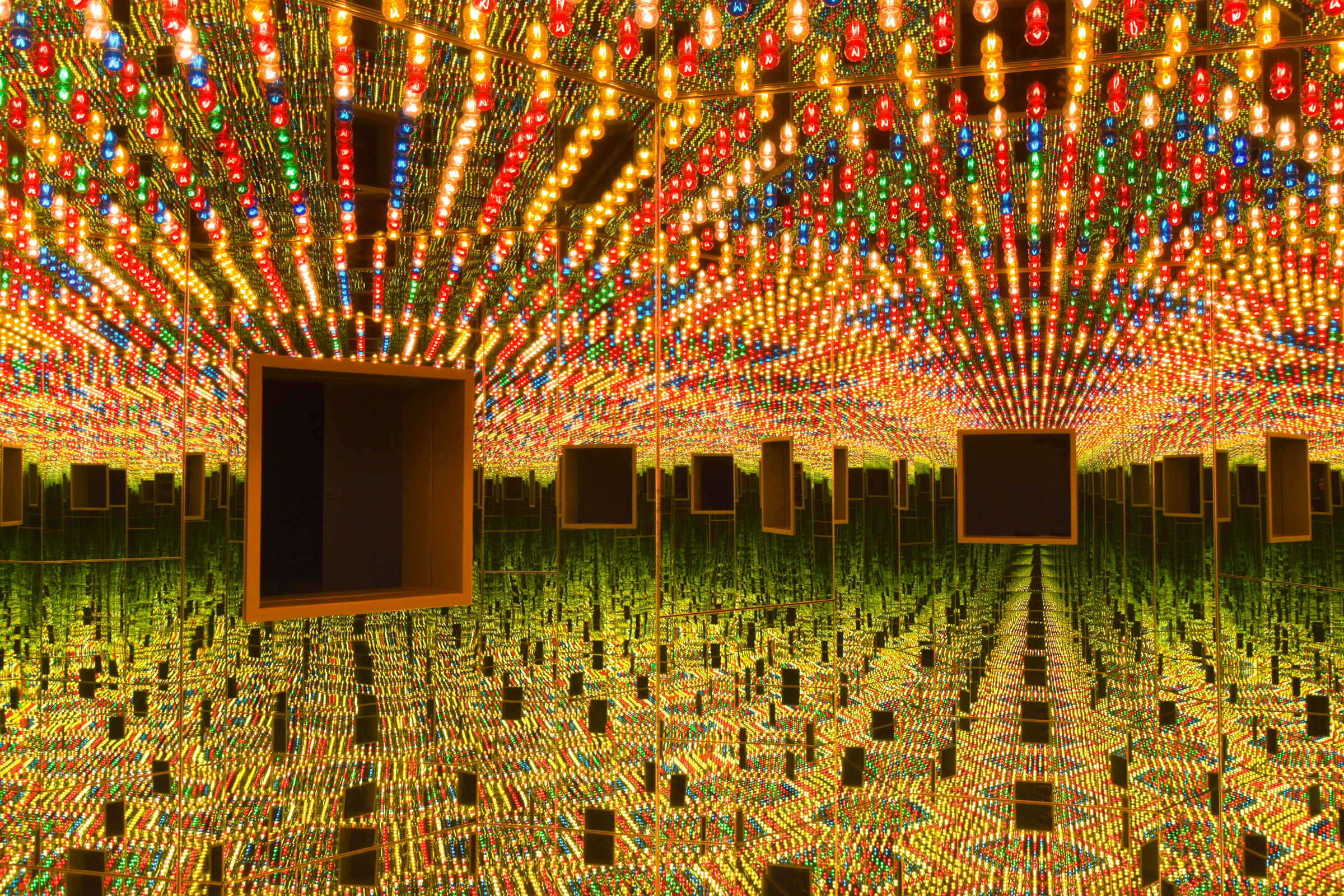
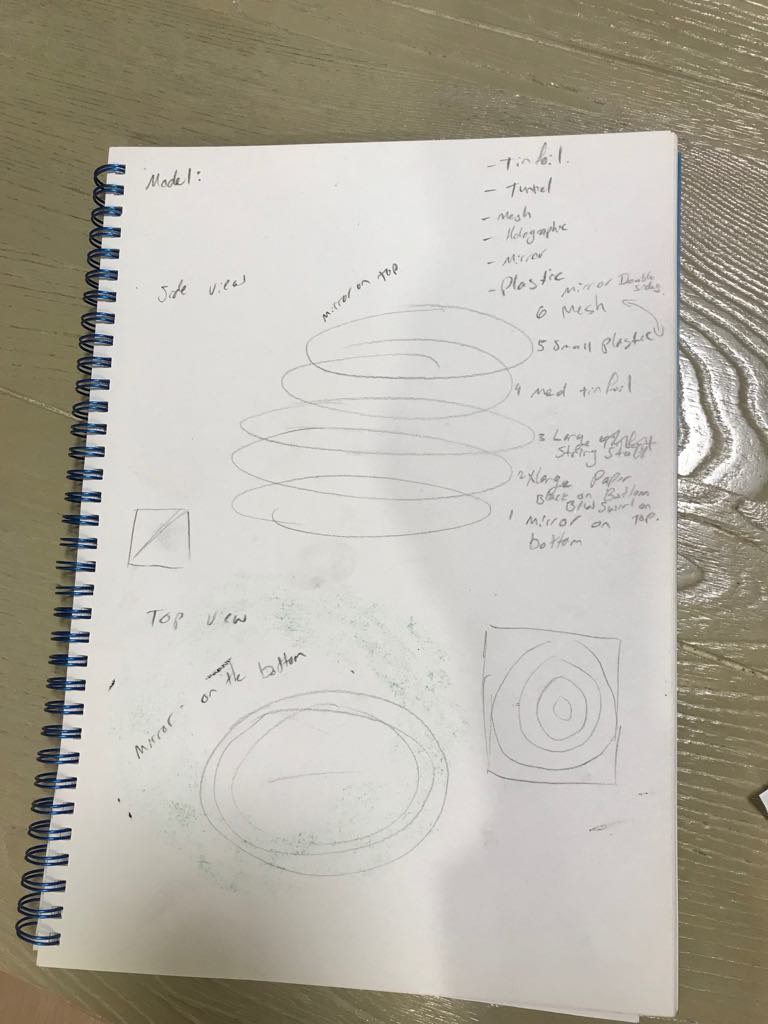
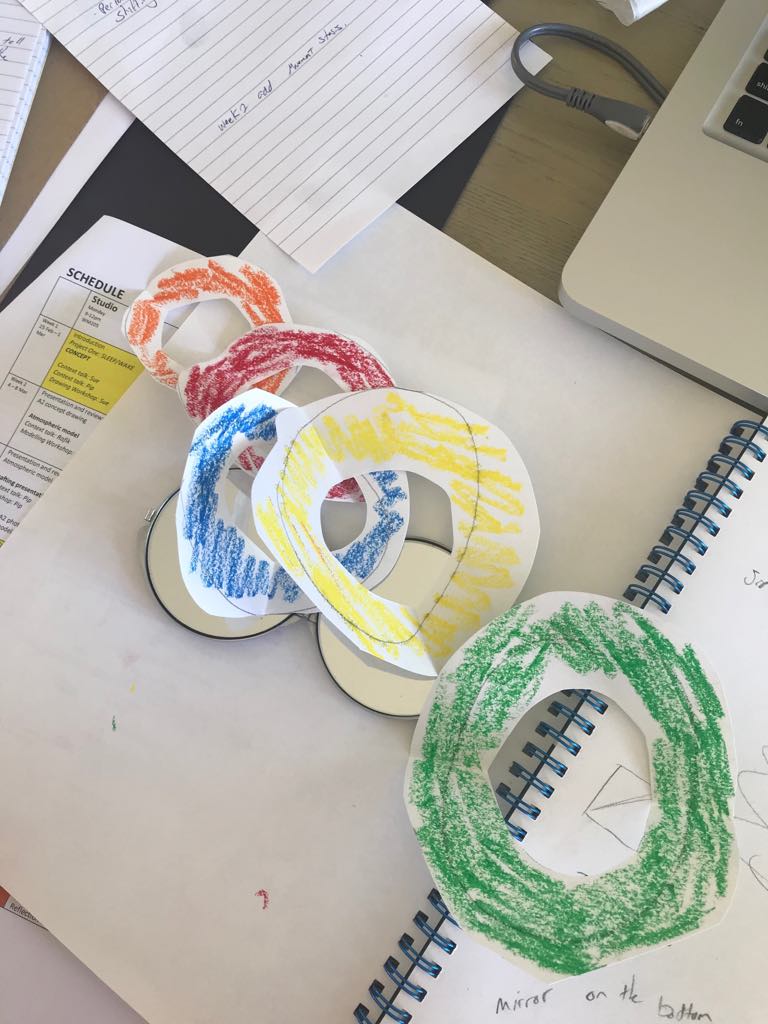
I mapped out a few ideas on how I could play with the reflection of a mirror to create an optical illusion. I also made a test model out of paper over the top of a mirror to test the best way to configure the rabbit hole for the most striking result. I drew inspiration from Yayoi Kusamas infinity rooms for this idea also.

Yayoi Kusamas Infinity Mirrors

When I began the construction of my final iteration of my model I found that my original plan of having a mirror at the base of the rabbit hole and a double-sided mirror on the top with a hole in it wasn’t going to be structurally sound as the mirror was too heavy

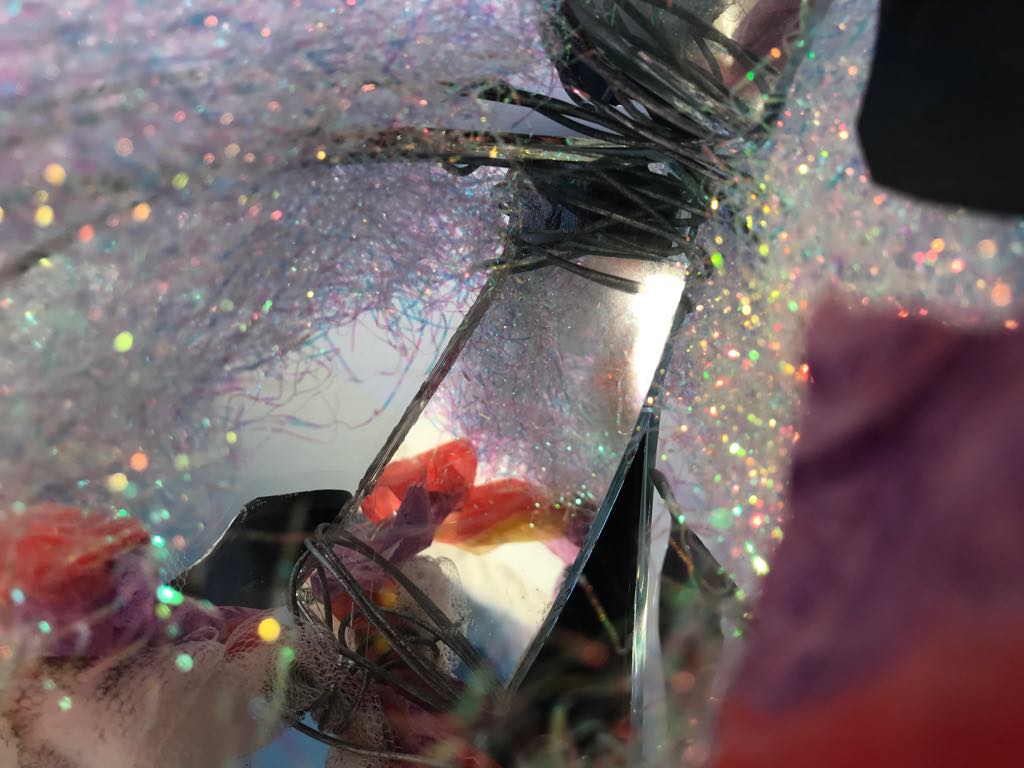
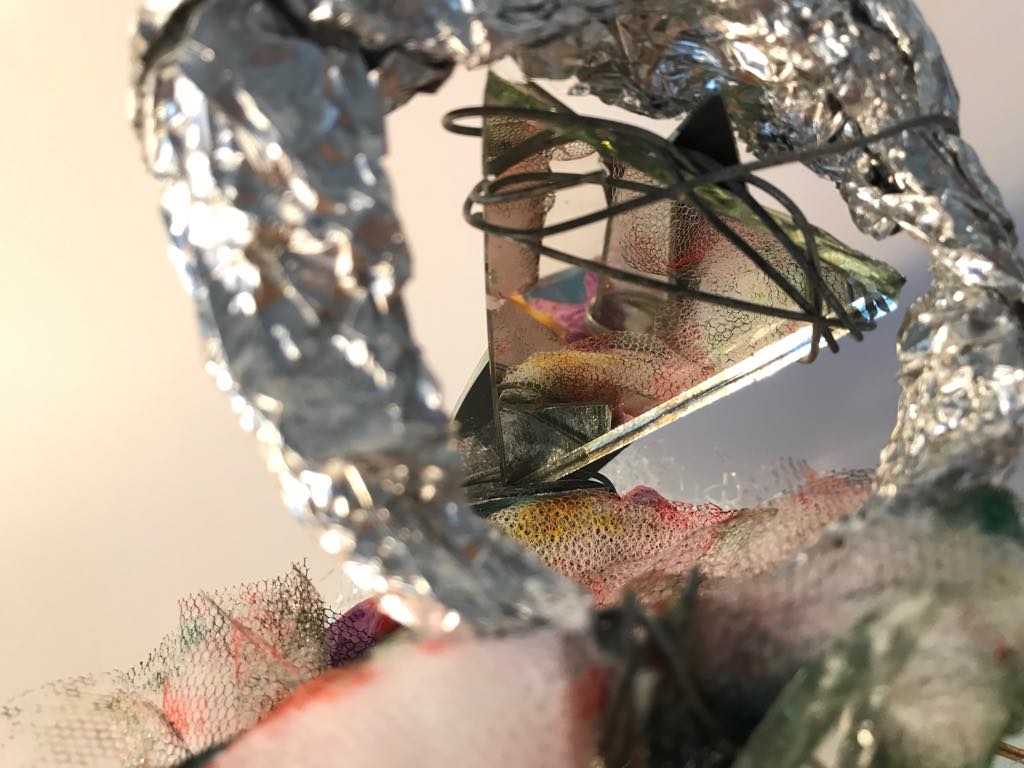
I didn’t want to create a sturdier frame for the model to hold up the mirror, as I like the effect that wire creates. It gives the structure a soft, floating and fleeting atmosphere.

I adapted my design to incorporate mirrors on the sides to help with support of the layers but also to reflect against each other and create doorways into new dimensions’ within this rabbit hole.

Everyone lives in the fantasy of his or her own minds. The world looks different through each set of eyes, which is why I wanted to use reflective surfaces. The structure will look different to each person that looks at it, as they cast a different reflection.

Week 1: Concept

Year 1 Studio

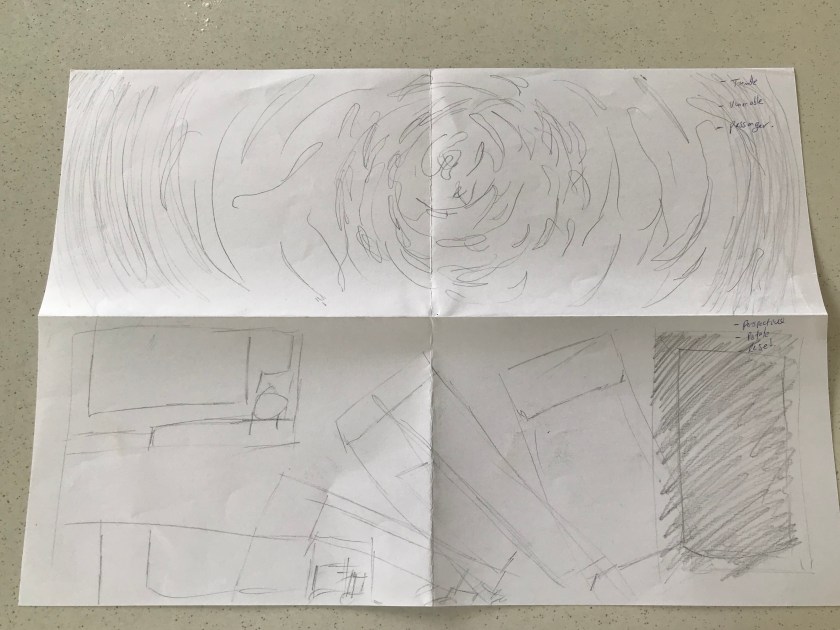
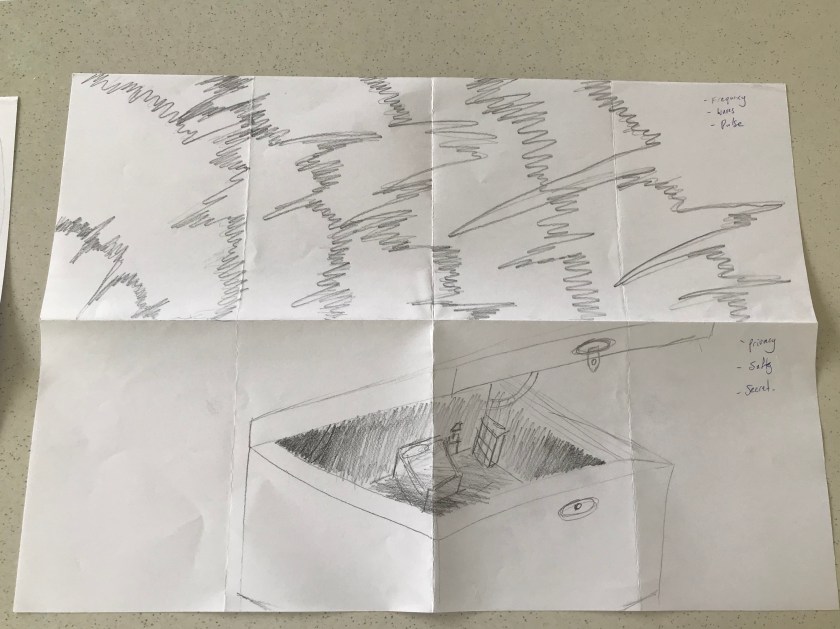
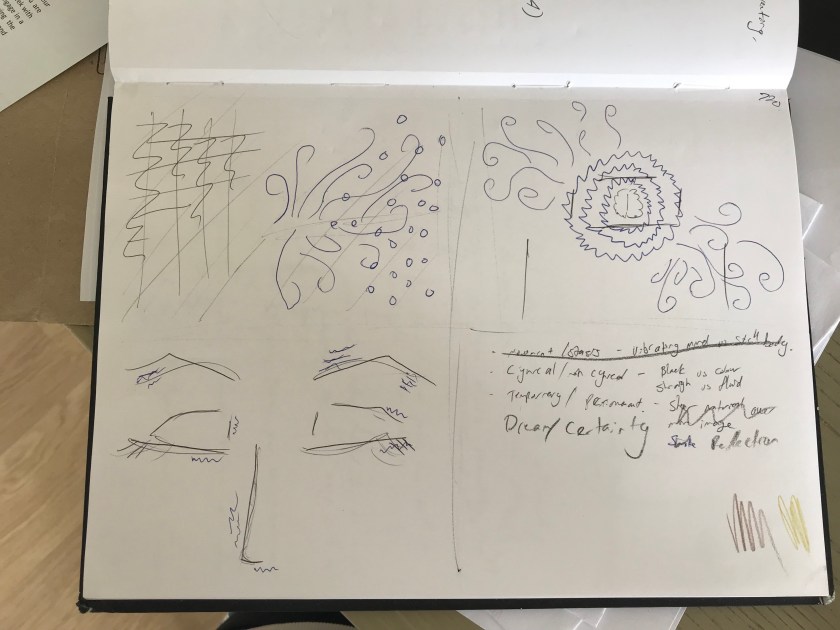
In starting to explore this threshold between sleep/ wake and what it looks like for me I noticed through my rough drawings (some blind and some with our eyes open), that my state between sleep/ wake involves movement, lack of control and a sense of an impending reset.

As I started to sketch a few ideas for my A2 concept drawing I came to realise that as I sleep I create layers of dream worlds and as I begin to wake my mind starts to get drawn up though all these layers of my subconscious inducing confusion and the feeling of weightlessness as all these worlds get blown apart until I wake in reality.

I chose Cynical/ Non Cynical, Temporary/ Permanent and Dream/ Certainty as my three threshold relationships that relate to Sleep/ Wake as these thresholds are at play in my Sleep/ Wake threshold.

Two films come to mind when thinking about my threshold of sleep/ wake. The first one being ‘Inception’ and the second being ‘Alice in Wonderland’. Specifically the scene in Inception of them breaking out of the multiple dreams and everything is chaos and makes no sense and the scene of Alice falling down the Rabbit hole in Alice in wonderland.

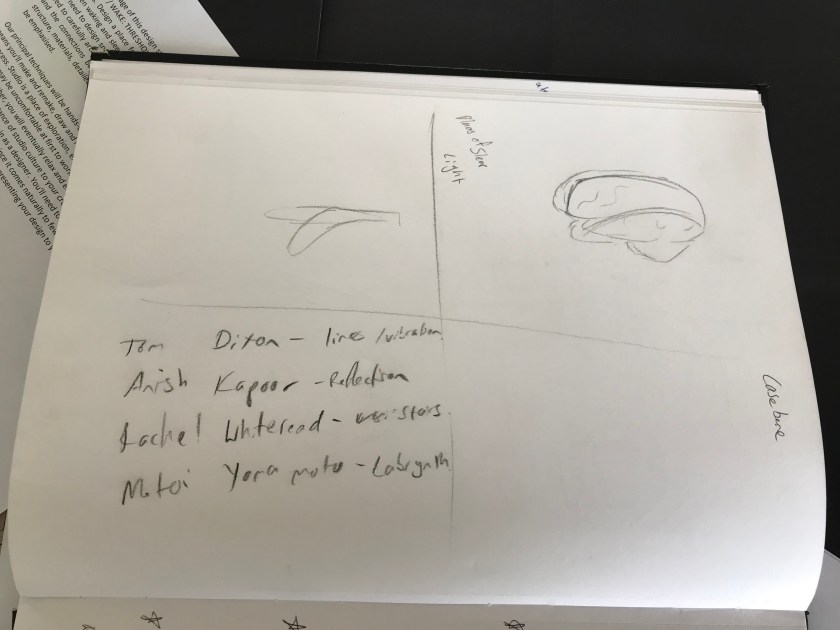
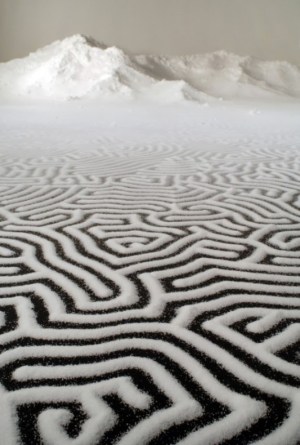
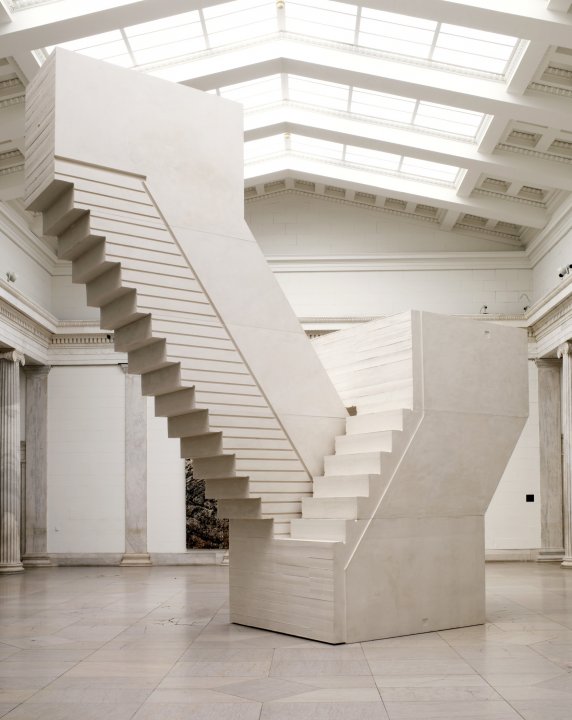
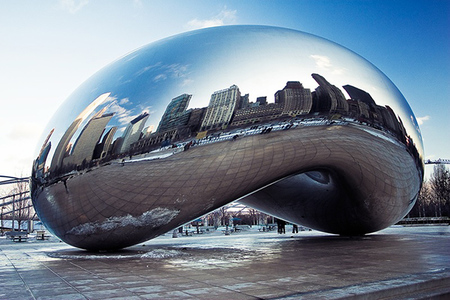
To get some inspiration for my A2 concept drawing I researched a few artists and designers and drew inspiration from Tom Dixons Curve Pendants from his 2016 collection, Anish Kapoors Cloud Gate 2006, Rachel Whiteread Untitled (Stairs) 2001 and Motoi Yamamotos salt installations creating labyrinths. I liked the projection Dixons Curve pendant created especially on the narrow corrugated surface. It creates distortion in the space as well as a temporary moment due to the effect of the projection only existing when the lights are turned on. I love the way Kapoor uses mirrored surfaces for some of his work. It provides a new perspective on the world and due to the Cloud Gates curved form, that perspective changes and warps depending on where you’re standing. Whitereads stairs conveys that relationship of cynical/ non-cynical quite well I as the two sets of are for each side and will lead you in different directions depending on which path you take but also challenges you to make sense of an illogical scenario. In thinking of the mind and our subconscious i think the idea of a labyrinth (referring to Yamamotos salt installations) is quite fitting. Our mind is a maze and we often get lost wandering through the multiple avenues of our subconscious making it difficult to find our way back to reality.

In my first iteration of my A2 concept drawing I drew on the labyrinth shape of twists and turns in the form of a brain. I drew from both Kapoor and Dixons work to create a metallic projection of the brain to show that the mind was adrift and creating a new layer to explore in sleep. I used butter paper to create a shear over lap on the brain to create another layer to explore and used bright coloured pastels and fluid lines to contrast the grey lines of the brain showing a cynical mind that lives in reality and a non-cynical subconscious creating chaos. By only attaching the metallic brain and the colour layer by a few points it suggests that both can be removed very easily showing that relationship of temporary dreams and ideas vs permanent reality. The overlapping of layers on the brain are also playing with the idea of what do our minds classify as dream/ certainty. We aren’t certain of which level is the active brain as even the brain on the paper can be erased as its only drawn in pencil (temporary/ permanent).