Week 1: Colour Collage Models

Year 2 Semester 1

Today we created 3D models from our 2D colour collages.

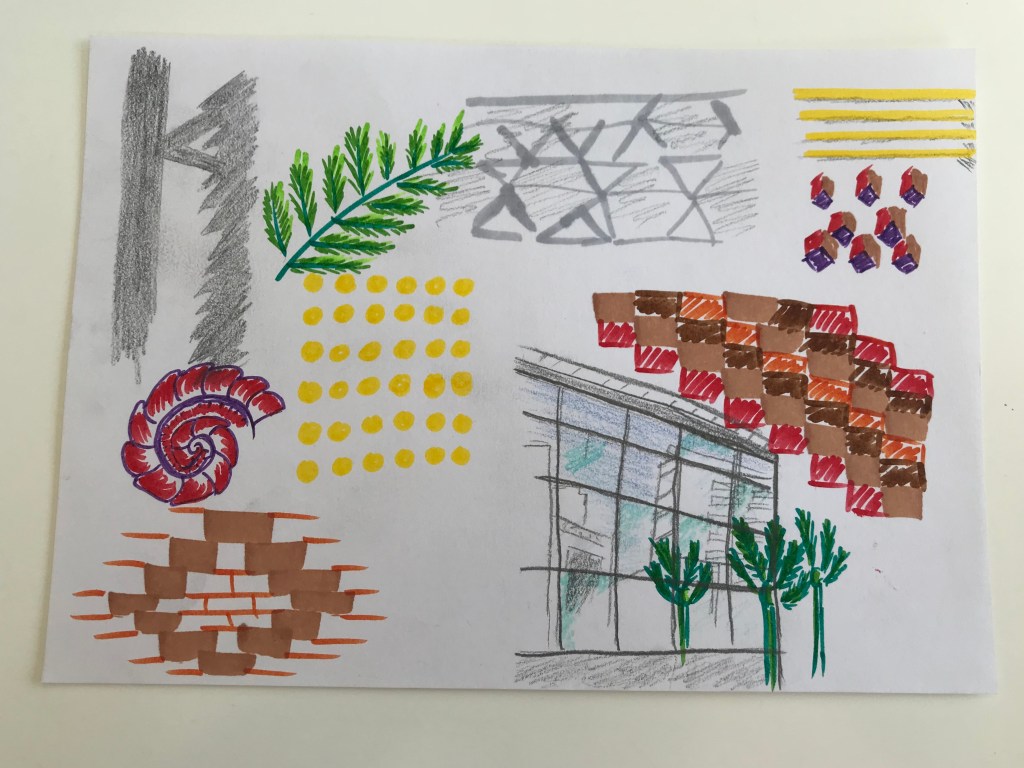
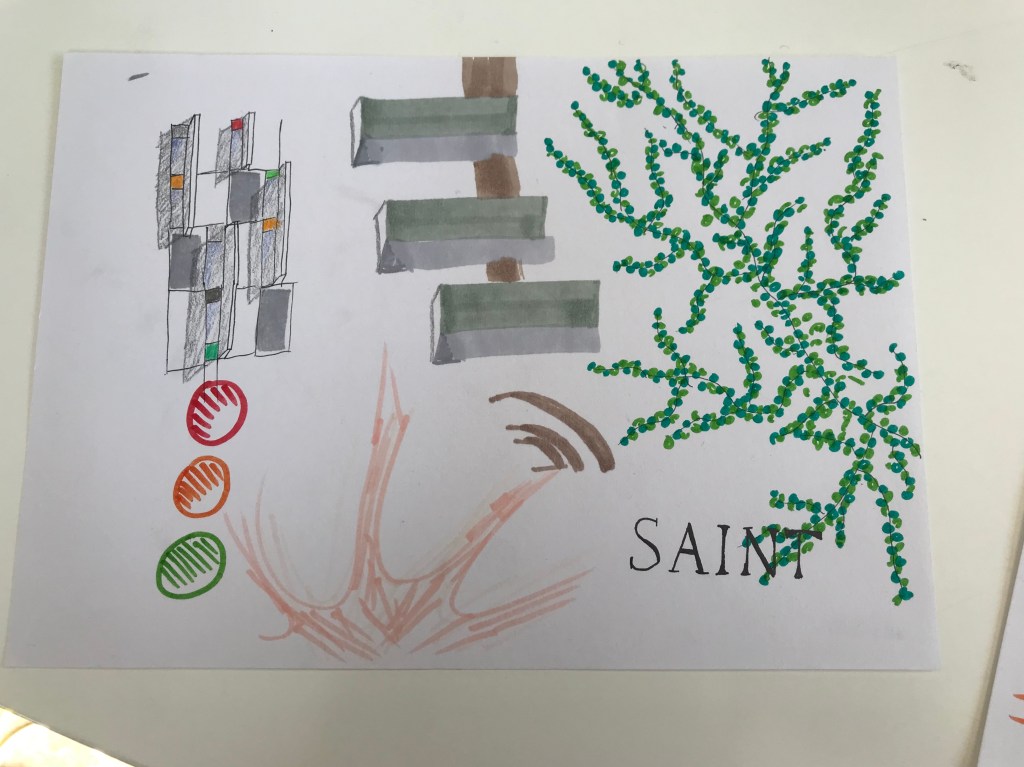
Before I started making my models I analysed my collage, looking for elements that could expand nicely into a 3D model.

In my collage I had focused on the bright detail colours rather than the greys of the cement. I have also drawn on reflections and shadows.

In my collage a grid like pattern re-appeared a few times. This contrasted the plants that I had incorporated showing the contrast relationship within the city of nature vs the urban environment.

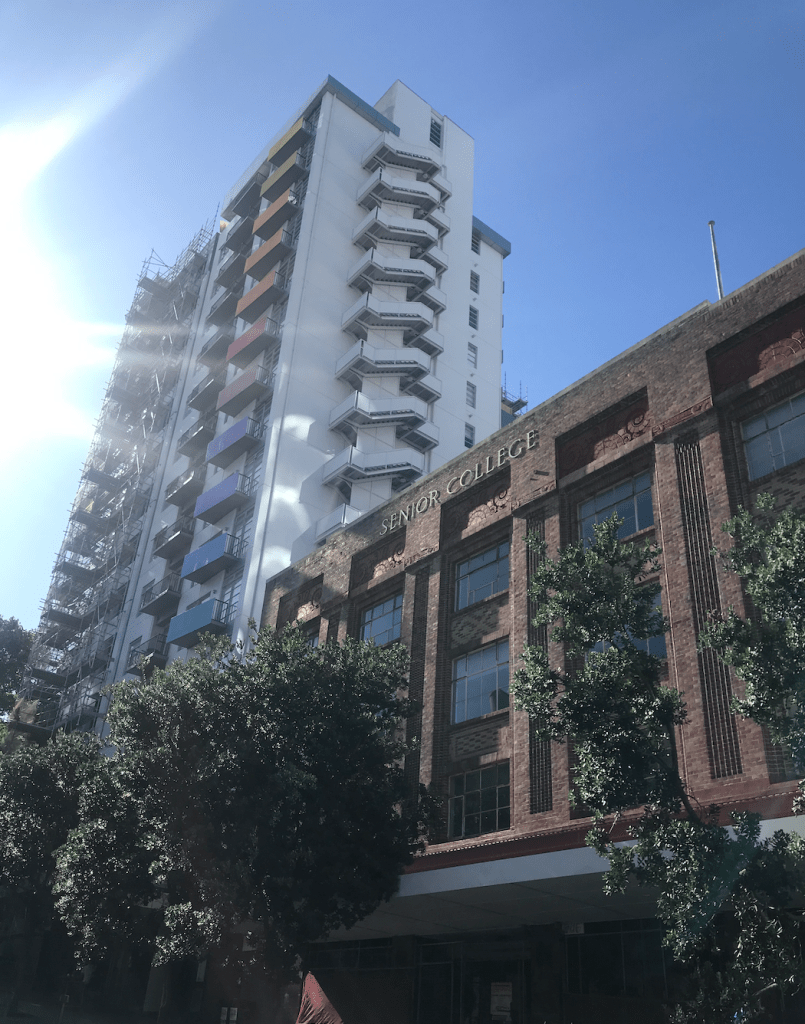
From left to right the collage takes you along the walk from Aut to Saint James Theatre. This wasn’t originally my intention but came through really nicely and gives my collage a sense of coherence.

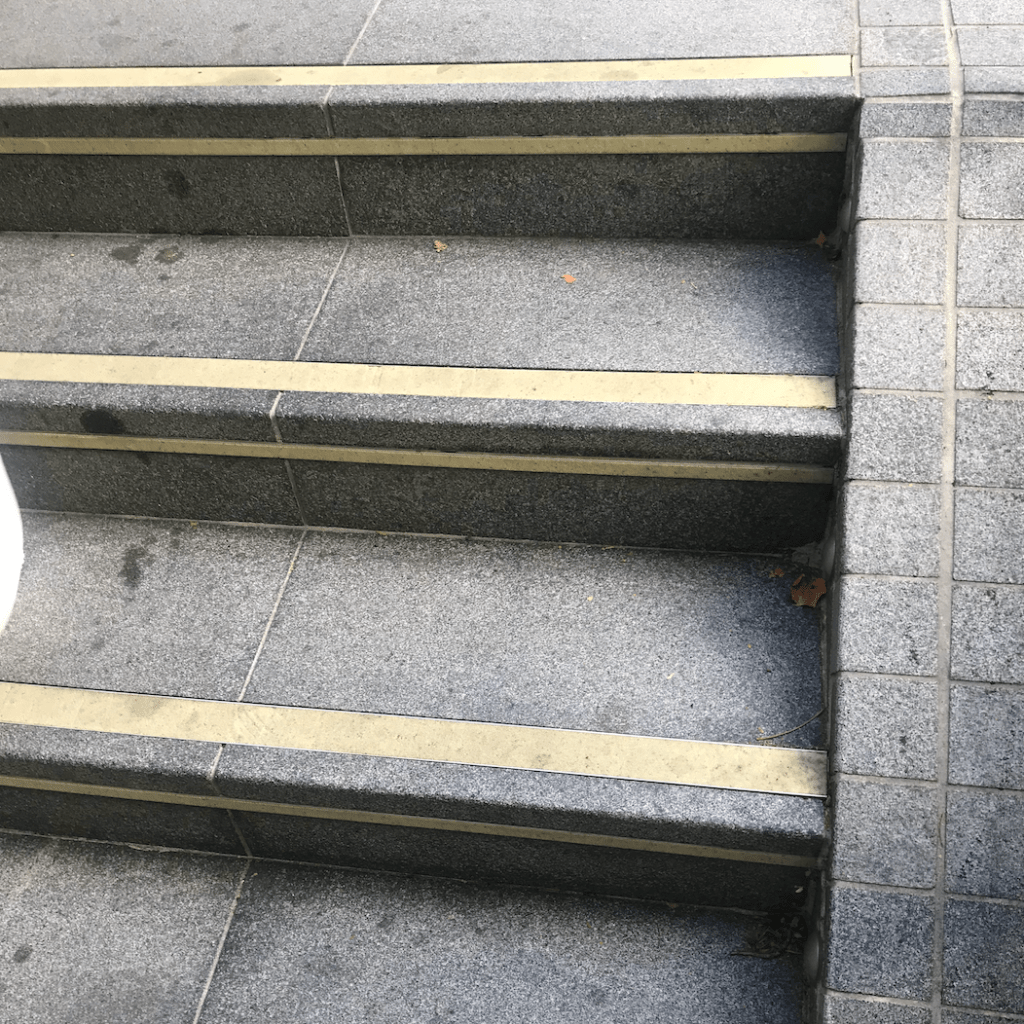
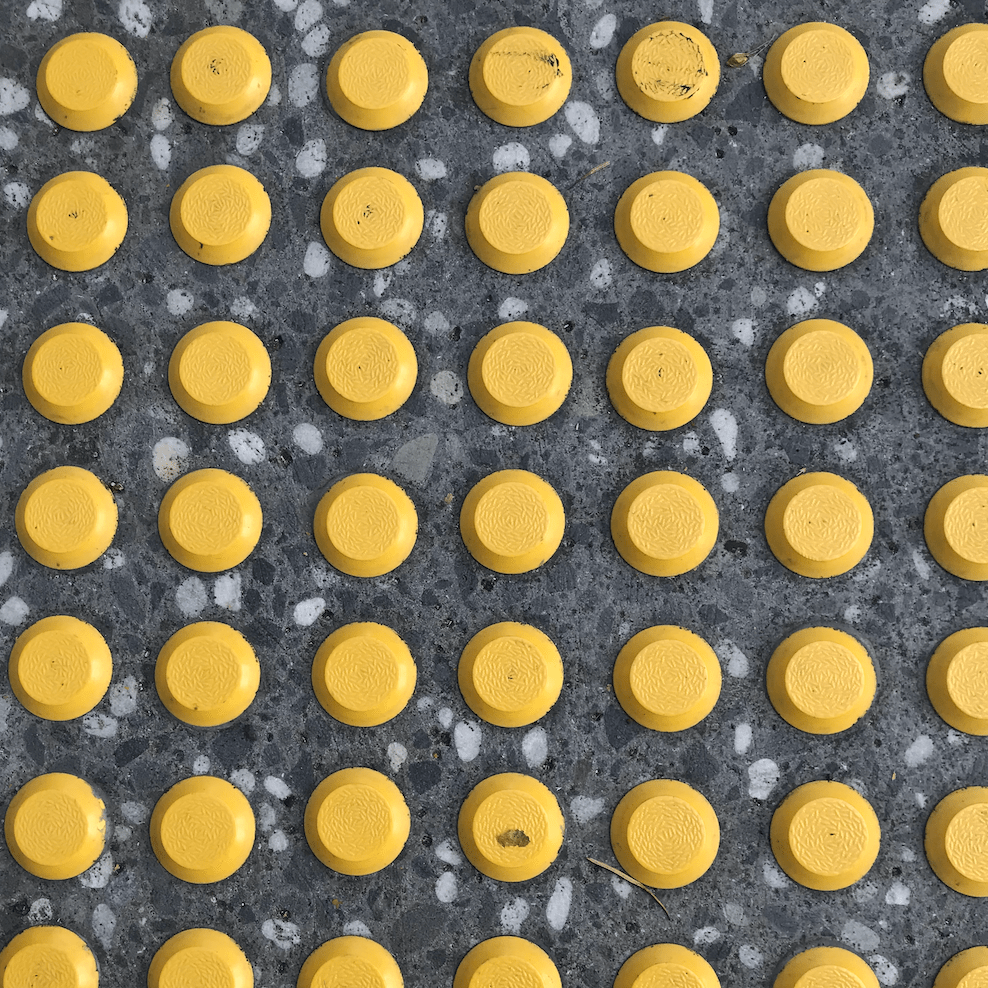
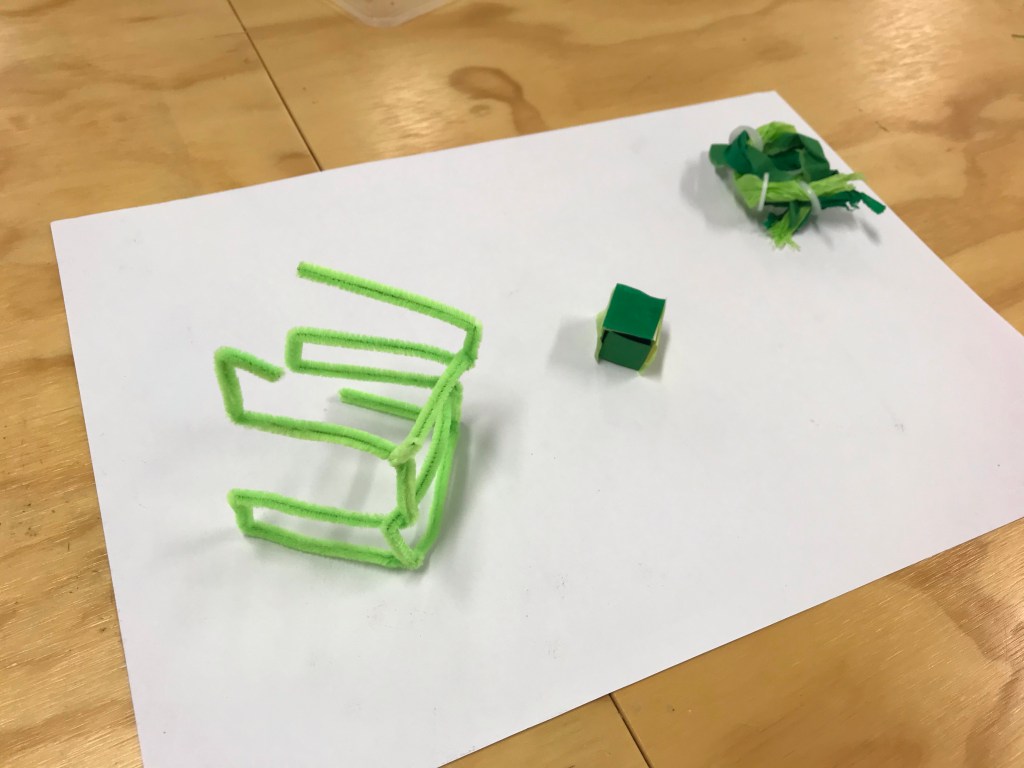
When looking at my 2D collage I saw that some of the grid used for the windows could be folded into a box. The stair shape could also link to the brick work in a 3D capacity or could just be an interesting shape to work with. The yellow dots also have to potential to become spheres or tunnels.
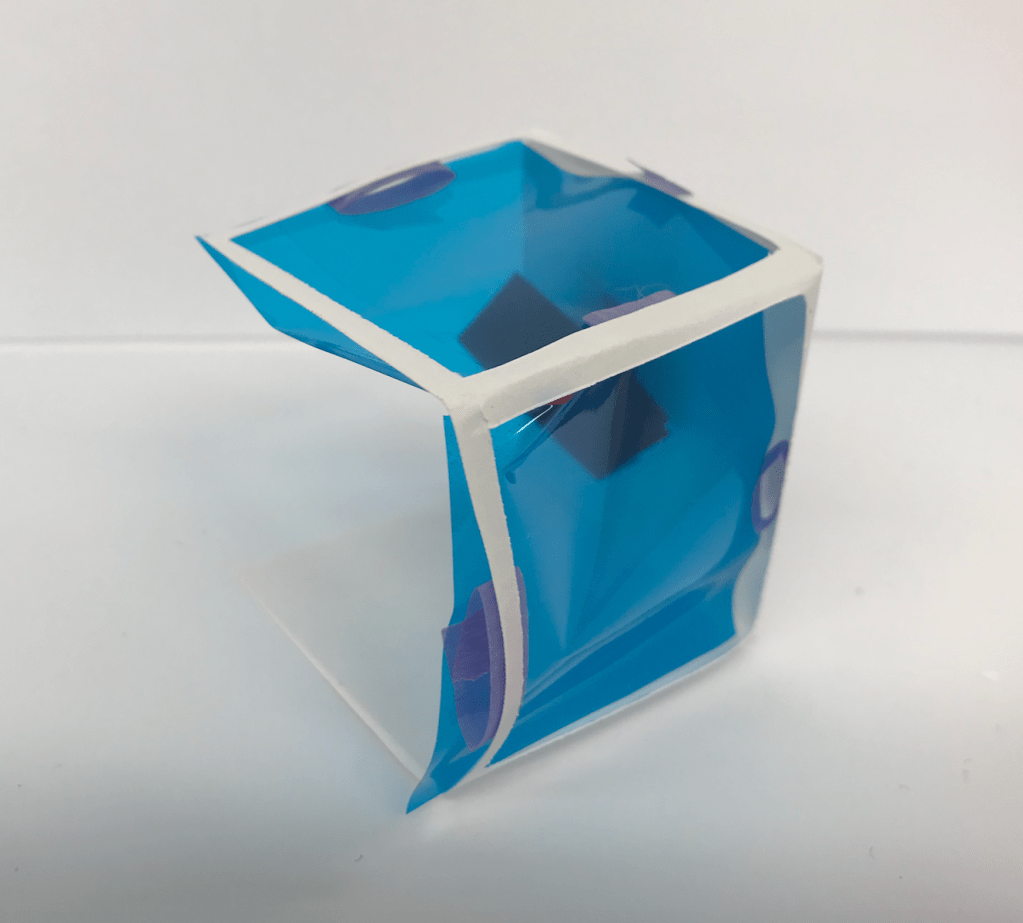
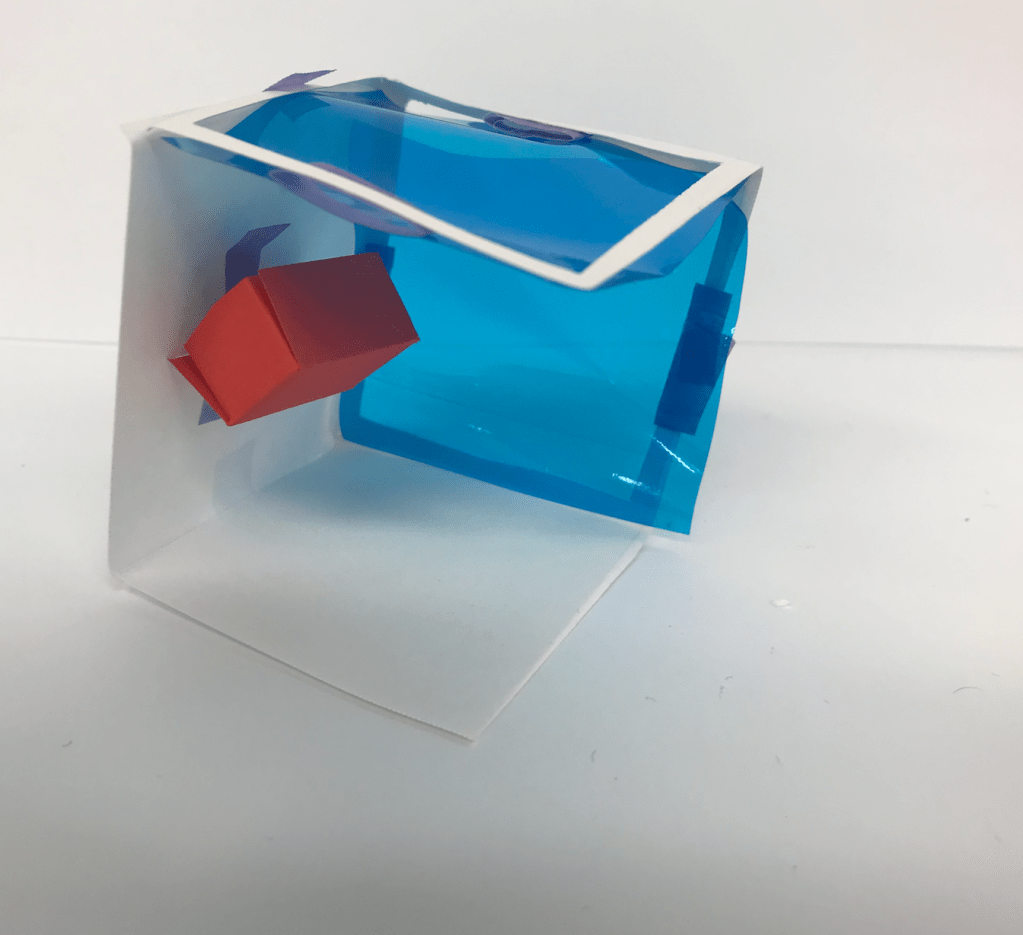
Model 1 Analysis: The blue window created a projected blue hue on the surrounding surface. Projected colour as opposed to applied colour. Having the box open allowed for interesting shadow and light play to move within the space as-well as play with open vs closed space. Looking through the blue window also changed the colour of red brick when looking through it.

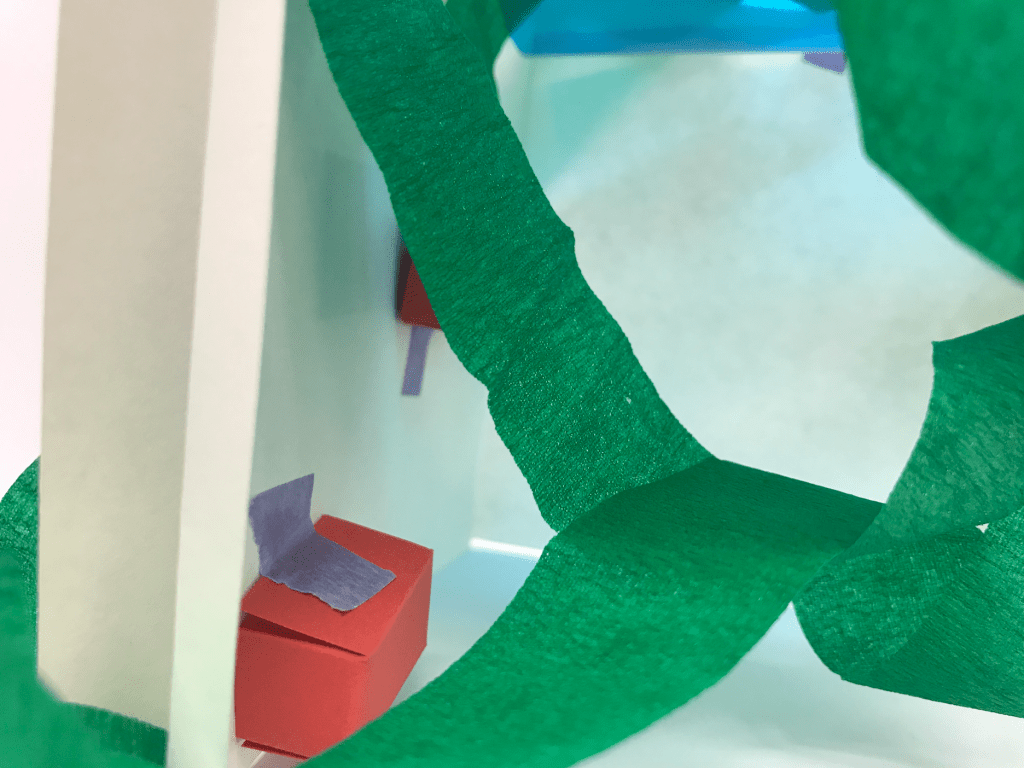
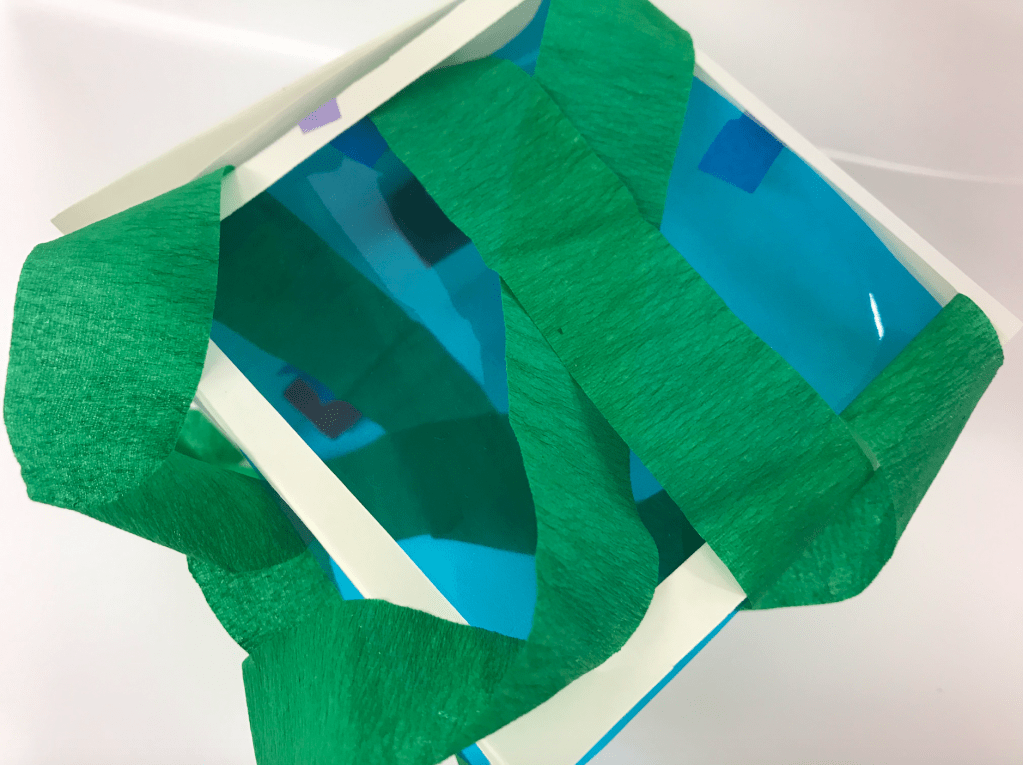
Model 2 Analysis: In focusing on texture I drew on the contrasting textures of the matte aspects of nature and the glossy shiny aspects of glass from the buildings. In looking at my model it almost tells a story of nature trying to reclaim the urban environment as the matte green wraps itself around the glossy blue structure. The shadows it creates is a broken up blue hue where the light can cut through and dark where the green intersects the path of light emphasising this idea of nature taking over.
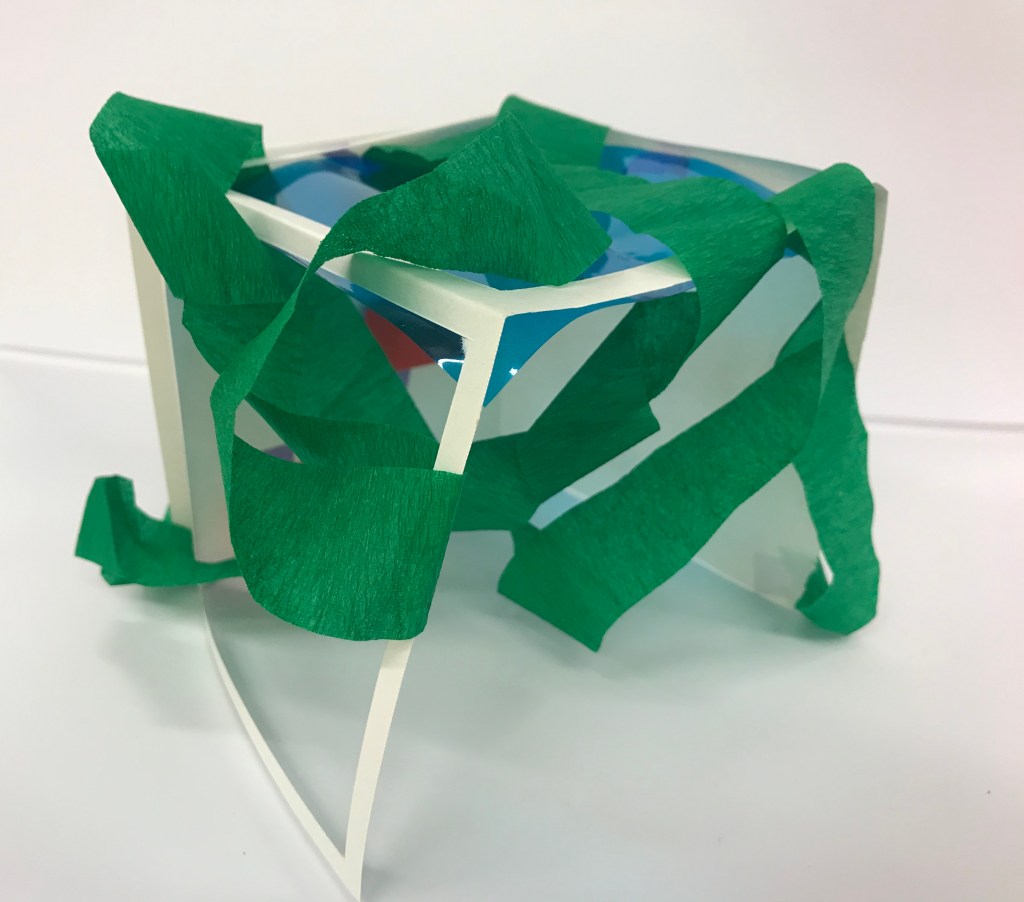
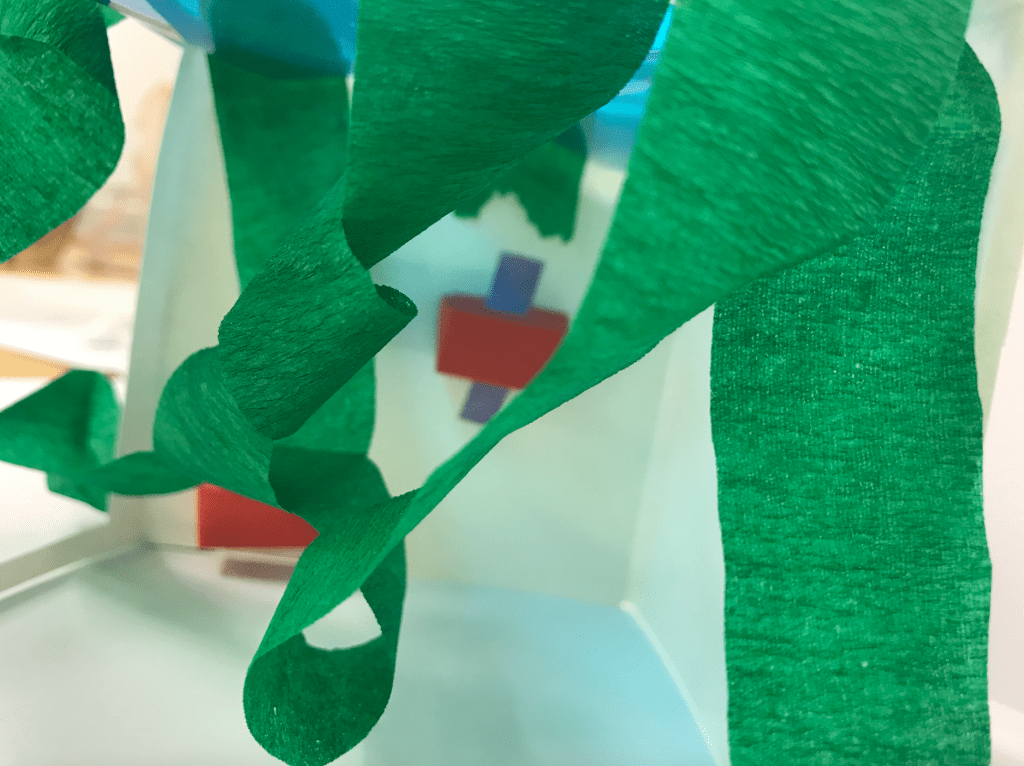
In our third model I had to connect models 1 and 2. I continued the theme of nature trying to reclaim the urban environment by wrapping the green in and around the model. i used the window design of model 1 which allowed the green of nature to penetrait into the interior of the space. the two models married quite well. i used clean suare lines

Week 2: Group Seminar Research and Model Making Workshop

Year 2 Semester 1

The question I was given for our presentation is:

How has the designer analysed and interpreted the particular site and context of the project relative to colour? What relationships have been set up between the user and the space because of colour?

The Weiss-heiten Studio designed the interiors of the Aesop Mitte store in Berlin Germany. The designer drew on the historical context of the site leaning into the Bauhaus movement to influence the use of colour and aesthetic in the space. This meant marrying functionality with beauty and in this case using the colour green to achieve it.
The outworkings of Bauhaus design style has created a clinic aesthetic which promotes the cleanliness of the products being sold causing customers to experience the feel of the product before they have even used it. The use of green in the tiles, paint and furnishings further promotes this idea and sets the scene in which customers would use the product. With green being a dominant colour in nature, people associate it with being fresh, natural and luxe all of which are synonymous to the Aesop products.

Image result for aesop mitte berlin
Aesop Mitte, Berlin

Colour complex: Iterative model making exercise

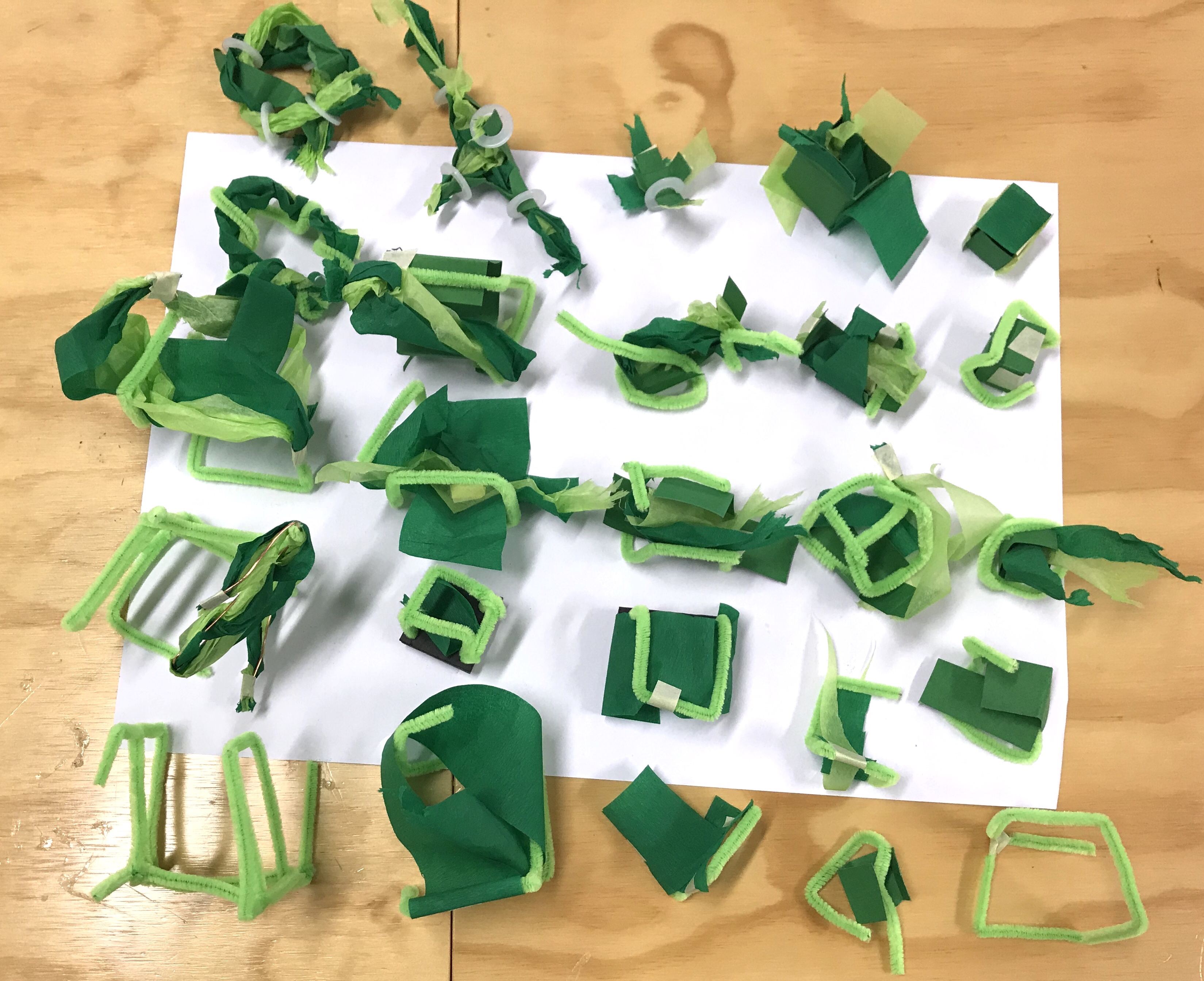
First 3 Models
Cupcake Models
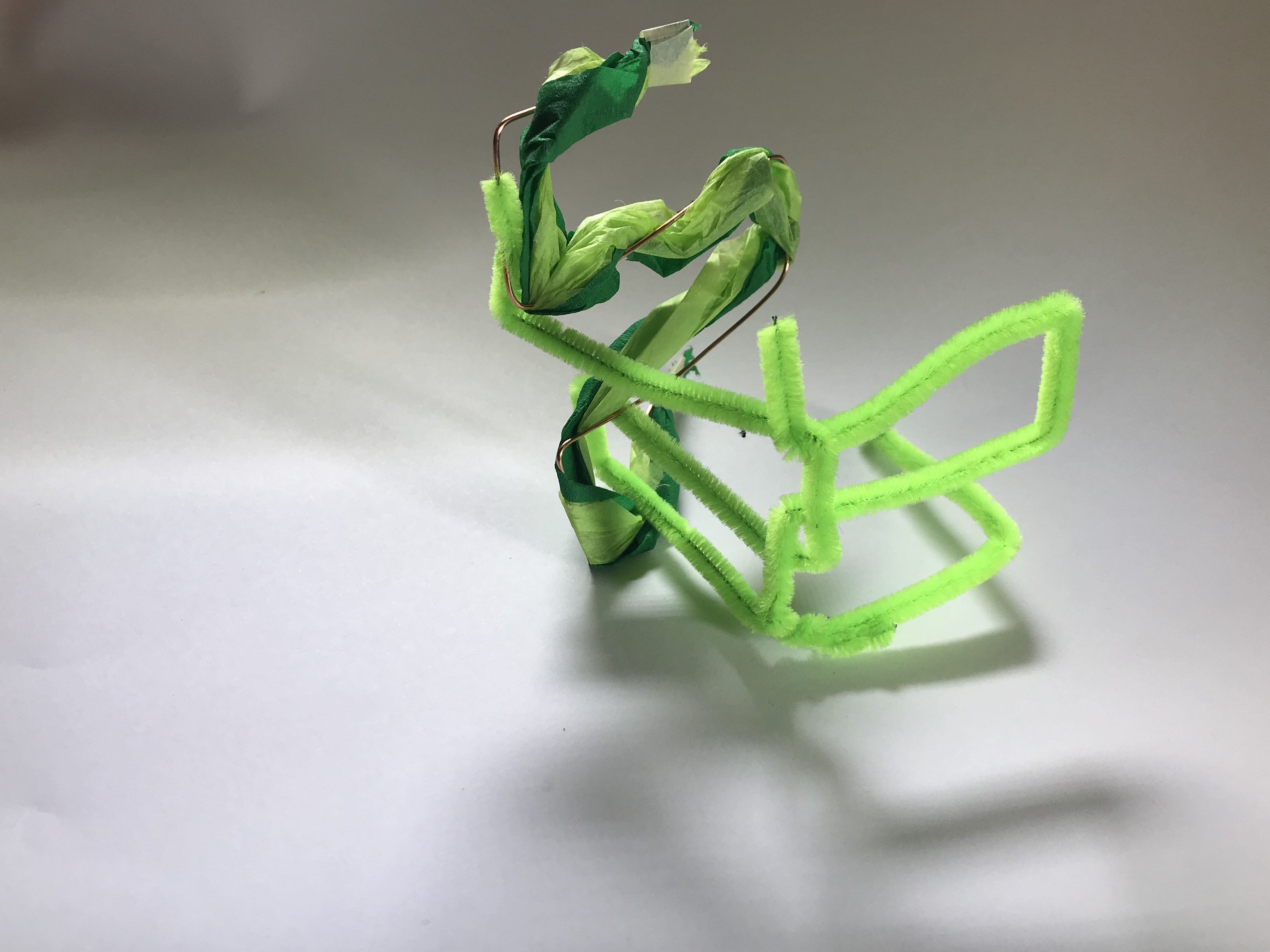
Model K.

Through this exercise I found that I was able to abstract out my initial ideas creating really unique models and shapes. This was helpful in informing my practise to push my ideas and pull them apart and put them back together to create shapes and produce ideas that are more complex and interesting than my initial concept. I found it interesting to observe the merging of ideas as the models evolved through the grid. The crossing over of the initial ideas (interaction of colour, an aspect of your seminar research and a detail) and the marriage of those ideas as they intersected across the grid.

Through the photographing of my favourite model with good light, it caused me to slow down that part of the process and pay more attention to the details of my model and the effect it creates on its surroundings. The results looked great, playing with shadow and highlighting colour.

Week 1: Colour Blocking and Collage

Year 2 Semester 1

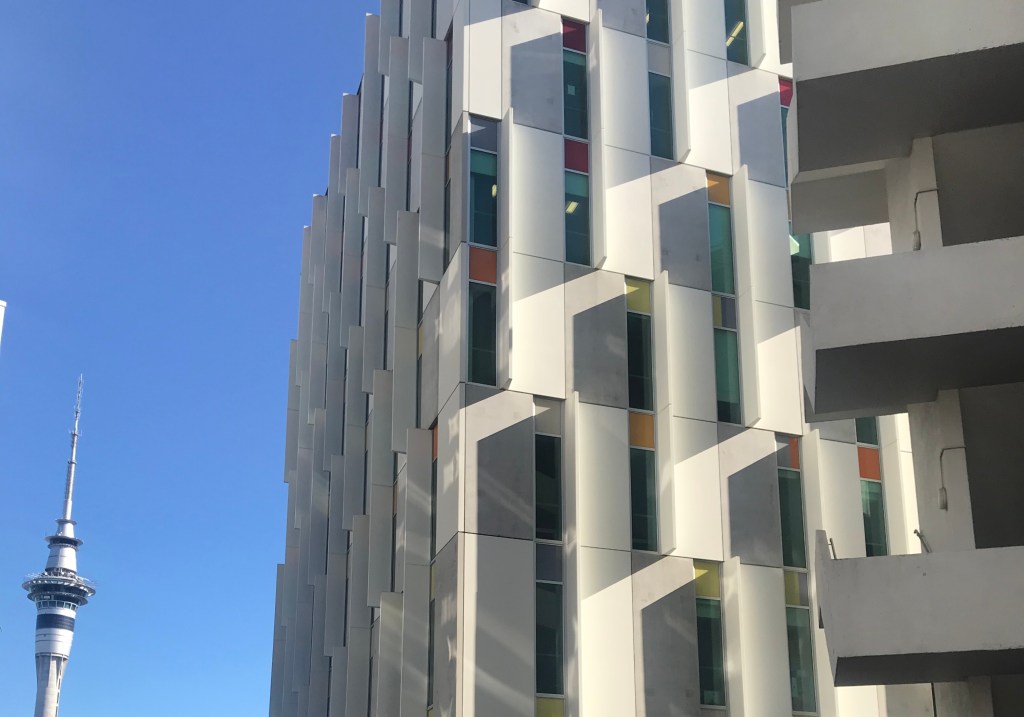
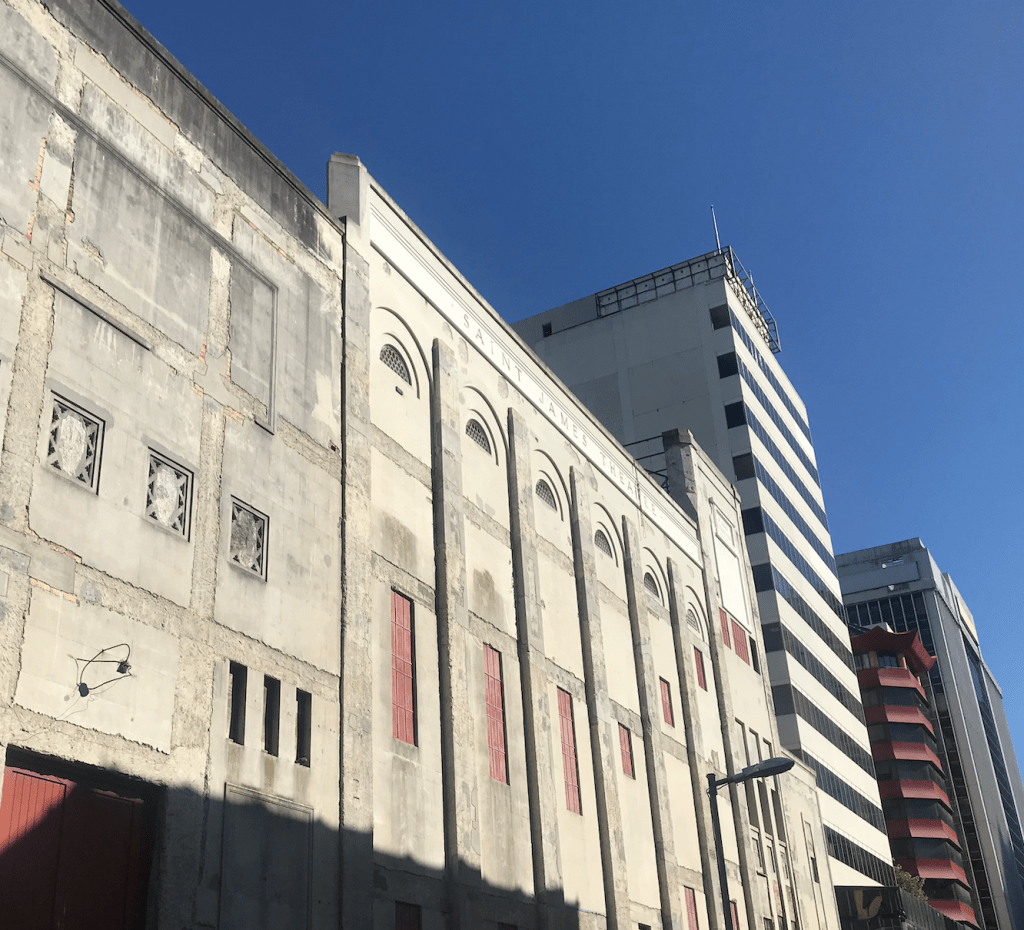
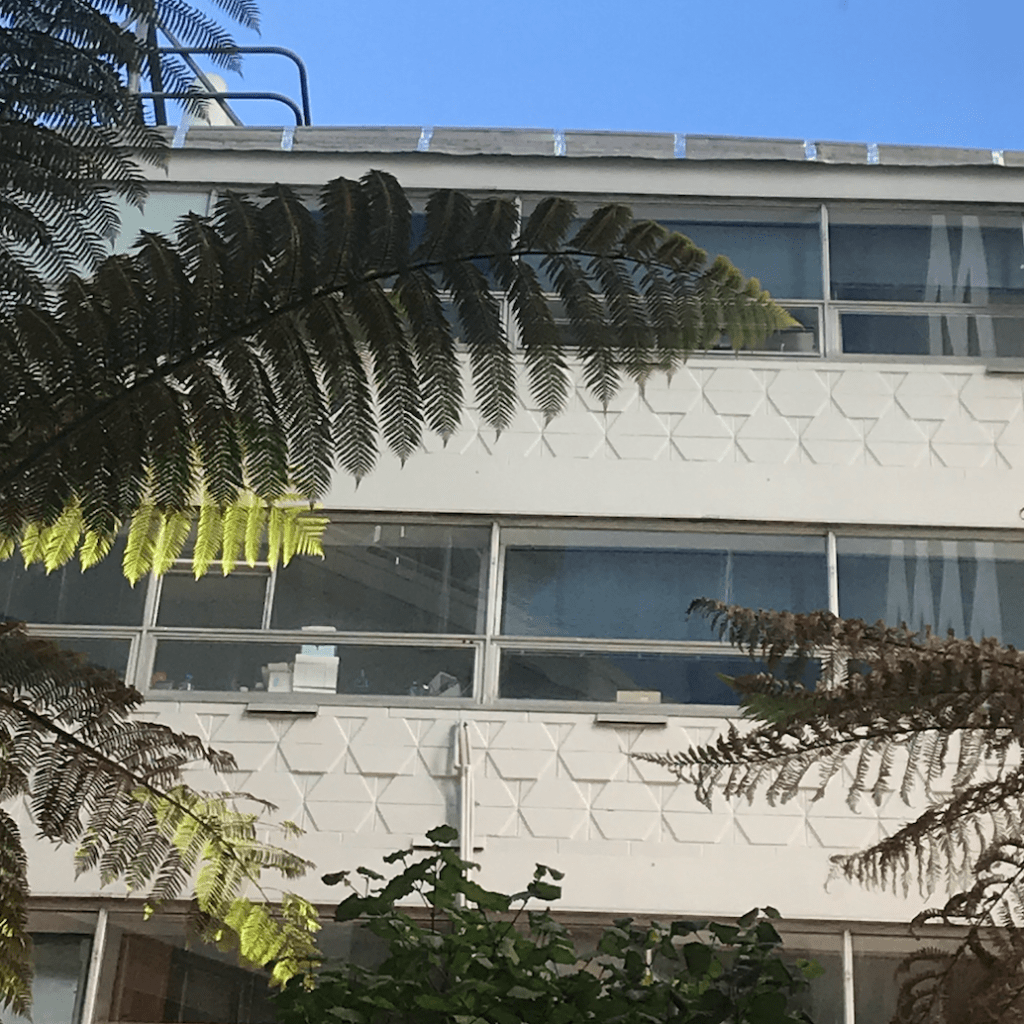
First day back we walked from our studio class down to the St James theatre observing the colour used in the urban environment and the way that the light interacts with the infrastructure.

As I walked I was encouraged to consider colour in relation to ‘materiality, light, scale and texture’.

I sketched out some interesting details and use of colour that had caught my eye on the walk.

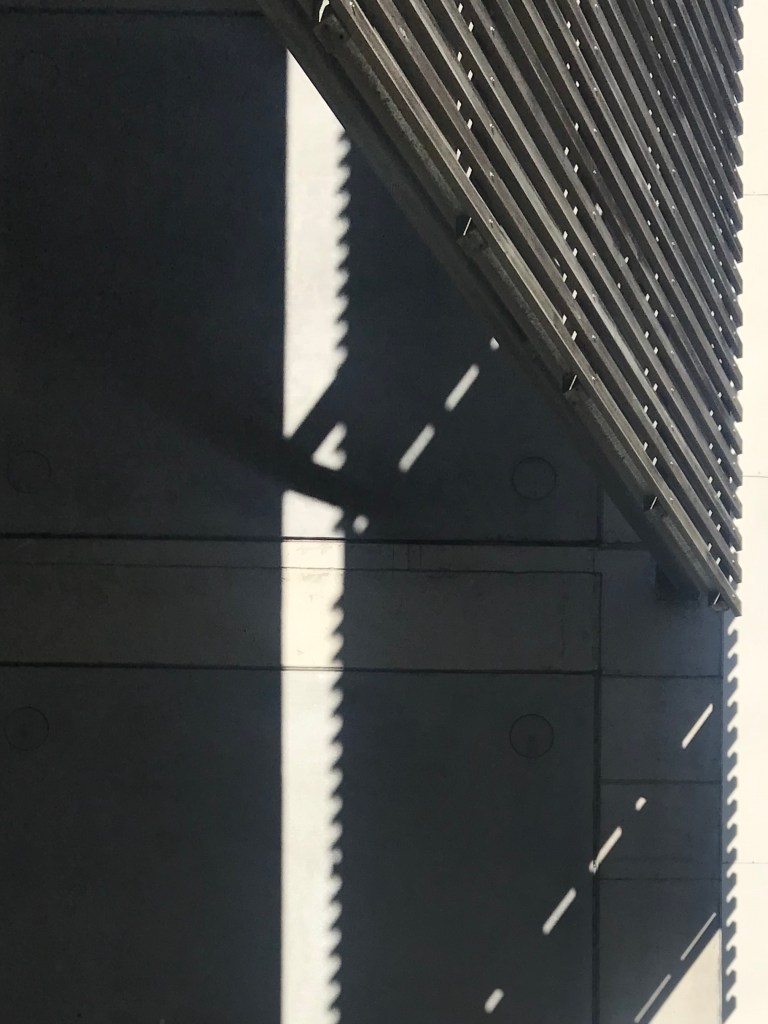
I found that my eye was drawn to the bright pops of colour. I also noticed little detailing on different buildings that would create small shadows that made the design standout.

From the sketches I made, I created a collage of the different details I liked and found interesting.

I really like the yellow dots in its grid pattern so used that as the element to tie things together. This turned into a nice contrast to the brick like blocks of colour that I also added. I found that I liked the relationship between the angular boxy shapes and the round and natural shapes.

This helped me analyse the environment that surrounds the site of the Saint James Theatre for this semesters project in a unique way.

Through this exercise I realised just how much detail is in the ordinary, everyday infrastructure of Auckland city. The city is full of contrasts and opposites that live in harmony. An example of this is in the contrast of matte surfaces vs glossy e.g glass vs brick, or nature vs concrete.