Week 4 Studio: Part One Hand In

Year 2 Semester 2

How can different modes of documentation affect how we understand spaces?

I find having objects to interact with very engaging so I want my presentation to be tangible to a certain degree. Photos are good but I think having diagrams and graphs convey a clearer message as to what is being focused on/ deduced from the environment.

Tuesday:

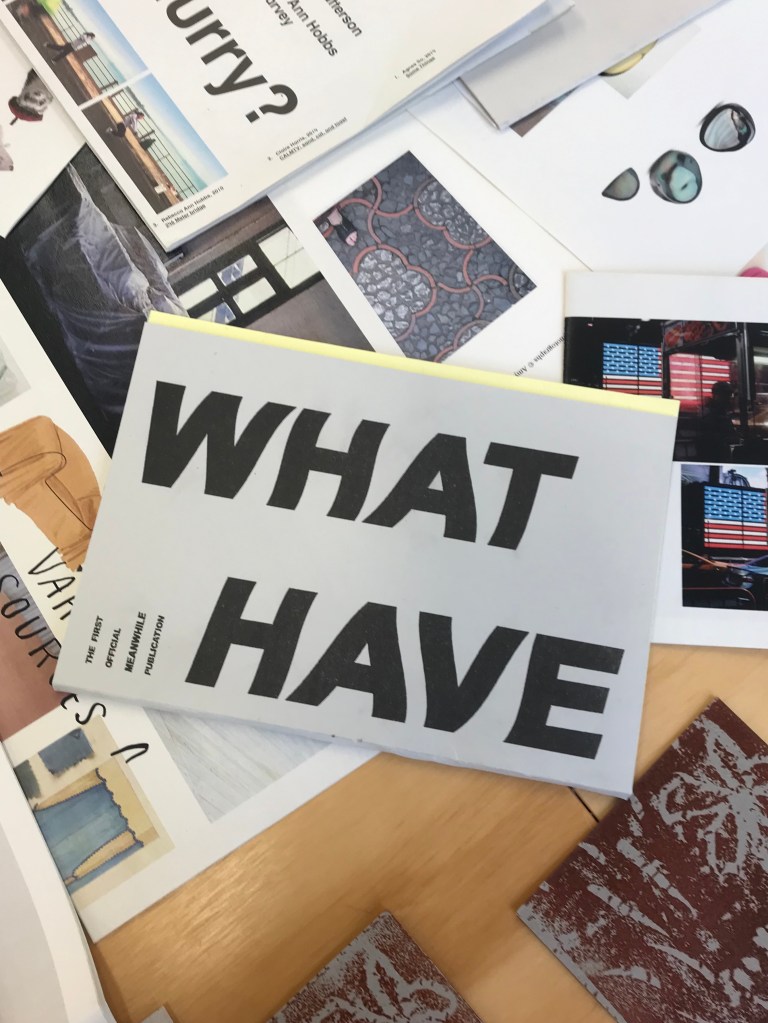
Presenting 50+ documents
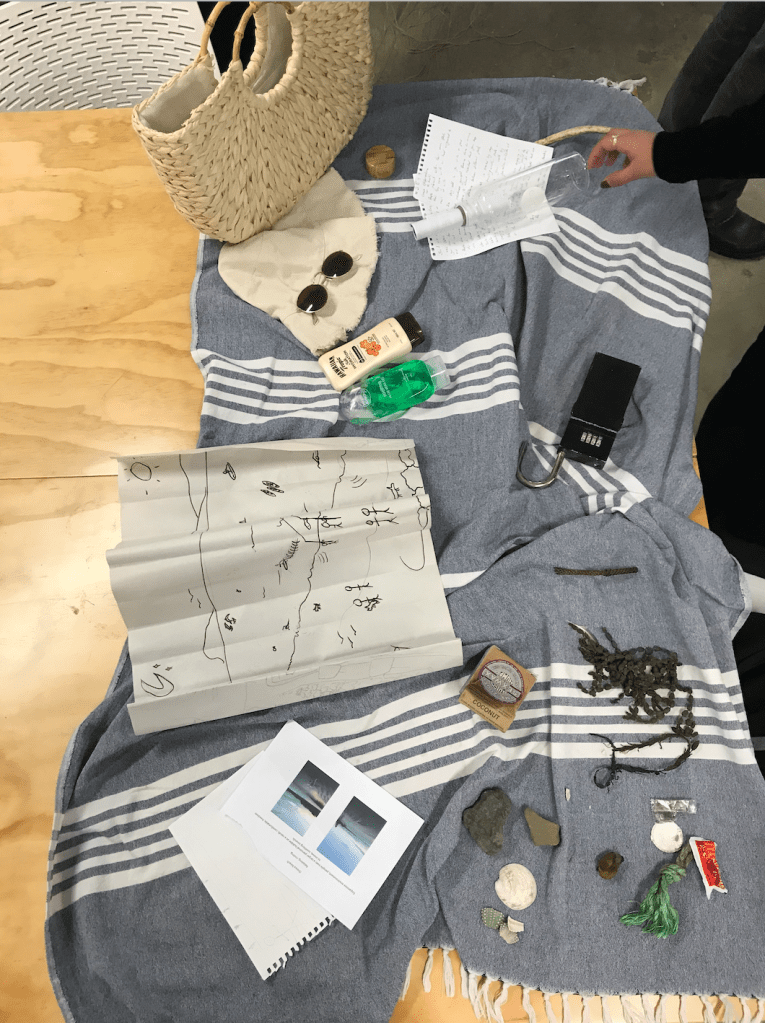
When presenting my documents I wanted to bring the beach to the studio. I brought all the essentials I usually take to the beach with me as documentation. This engaged the sense of smell as well as touch and sight.

Updated Document List 19/10/20:

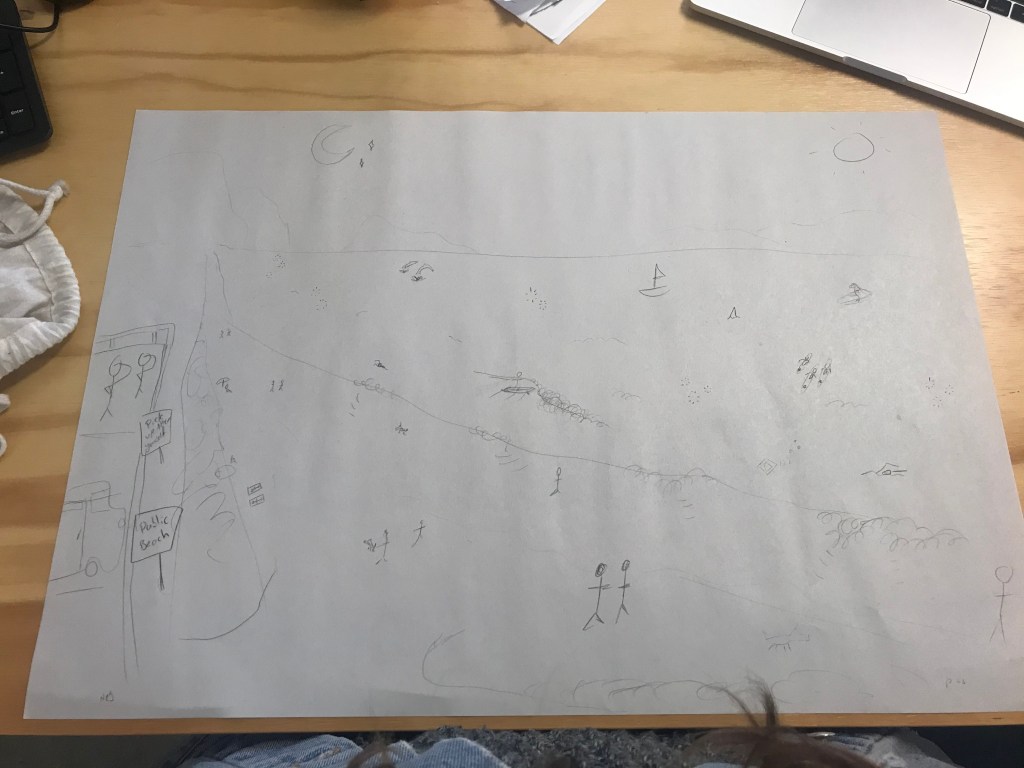
  1. Intuitive Map
  2. General Beach Observations
  3. Surf wax box (scent)
  4. – 12. Photos

13. Surf rules

14. Party wave drawing

15. Shells (touch)

16. Rubbish

17. Seaweed

18. History of a Beach Day

19. Maoris relationship with the beach

20. Why the beach interviews

21. Sound Bites of Environment

22. Activities/feelings map

23. Council Rules for the beach

24. Foreshore Seabed act

25. Affect of the tide graph

26. 2nd iteration of Intuitive Map

27. Sand (touch)

28. Sea water (touch)

29. Interviews on how the beach makes you feel

30. Time of day observations

31. Site context map

32. Maori Context

33. Orewa Things to do panphlet

34. Erosion Research

35. Concentration of people Map

36. Personal Feelings toward the beach

37. Towel (touch)

38. Observations of peoples Actions

39. Observations of peoples actions

40. Drawings of environment

41. Diagram of movement paths

42. Model of placement of people

43. Artist research of art in orewa

44. Effects of the Weather observations

45. Graph of beach users age

46. Graph of activities engaged with in relation to age

47. Affect of time of day and activities

48. Diagram of the lay of the land

49. Local Attractions

50. Smells

51. Beach Attire worn vs time of day vs age

Feedback:

People really liked the way I displayed my documents.

Some things I could add were more models. drawings and diagrams, more documentation about how people act in the site, sound exploration and impact.

For my final hand in I will swap out some of the objects I have included in my presentation for more drawings, diagrams and notes as the balance was leaning more to collected objects rather than observational Studies that provide deeper understanding to the chosen environment.

Thursday:

Inventory:

– Make an Inventory using the prompts in this document.  An additional note: Think about whether your inventory has to be a written list — maybe it should be a series of photos, a map of your house (with materials/methods located), a diagram, a flat-lay, a set of instructions, or a combination of these things! Be as inventive with the form of the Inventory as what you put into it. 
Week 2 Studio: Intuitive Mapping + Maquette Excersise

Year 2 Semester 2

Tuesday:

Streamside day – eutopia / distopia

What are my interests and how does that affect what i’m paying attention to?

I enjoy surf and surf culture, which leads me to look at what the weather is doing, wind patterns, swell patterns and tides. This also draws my eye to anything thats on the water like boats, other water sports and animals in the water.

Being a dog owner I take note of other peoples dogs, the breed, size, their behaviour and age.

I love kids and will often observe the madness that is a young child on the beach as it is pure entertainment.

I often notice what people are wearing as a result of my love of clothes. Seeing what their beach attire is, if they are in their work clothes, gym clothes, swimwear or casual wear.

Why that space and not another?

Even though there are plenty of other beaches around the hibiscus coast, Orewa is the one that sits centrally within the region and is more of a ‘hub’ for cafes, restaurants, facilities, playgrounds and the beach itself is quite long allowing for more people to claim their ‘space’.

Jenny Odell – How to do Nothing

My take from Odells book is that a list can act as a doorway into greater understanding of a space. That initial bird checklist gave direction to Odells new hobby. Once she had that direction on where to look, over time she was then able to notice the wider context that would surround the different species of birds which then lead to noticing an even wider context and so on and so on.

Start with the obvious and overtime you will notice and understand the whys, wheres, whos and hows.

Intuitive mapping

Whats meaningful to me about my chosen space:

  • the quiet from the world – gets drowned out by the ocean noise
  • space to move without hitting something or someone
  • neutral ground anyone can come
  • multiple uses for both beach and water
  • its free no expectation
  • unpredictable constantly changing environment
  • mutual respect
  • anonymity
  • sense of community
  • brings a broader sense of life

related contexts: (research-based, conceptual, etc.) how do they sit

  • surf life saving
  • sealife

Task for Thursday’s Class:       
– Write 150 words to locate yourself in relation to your social space, with your map as a guide. Where are you and your practice sitting in relation to your site and the contexts/ideas you’ve identified within it?

The aspects that I find most attractive within my site are its unpredictable nature, the freedom of bodily movement as a result of the expansive space and the sense of anonymous community. When I enter into the site I create my own pod with my dog or a friend and become part of this anonymous community where you observe and be observed as you move through the space, up and down the beach. I only engage with other pods if an object like a ball crosses into someone else’s pod causing a brief conversation to ensue. I might also head into the water to surf becoming something of a performer to the people on the sand. Being observed more than I am observing. This environment provides a lot more unpredictability to the movements of others around me as well as my own movements. The motion of the ocean is somewhat dictating how we must act/react.

Thursday:

Extract 12 words from your intuitive map, or your short pieces of writing. Choose the words which feel like they might be key for this site.
Write the words in the boxes the sheet provided, one word per box. 
Cut up sheet into ‘cards’
Deal yourself all your ‘cards’ into 6 pairs. This will create two-word relationships

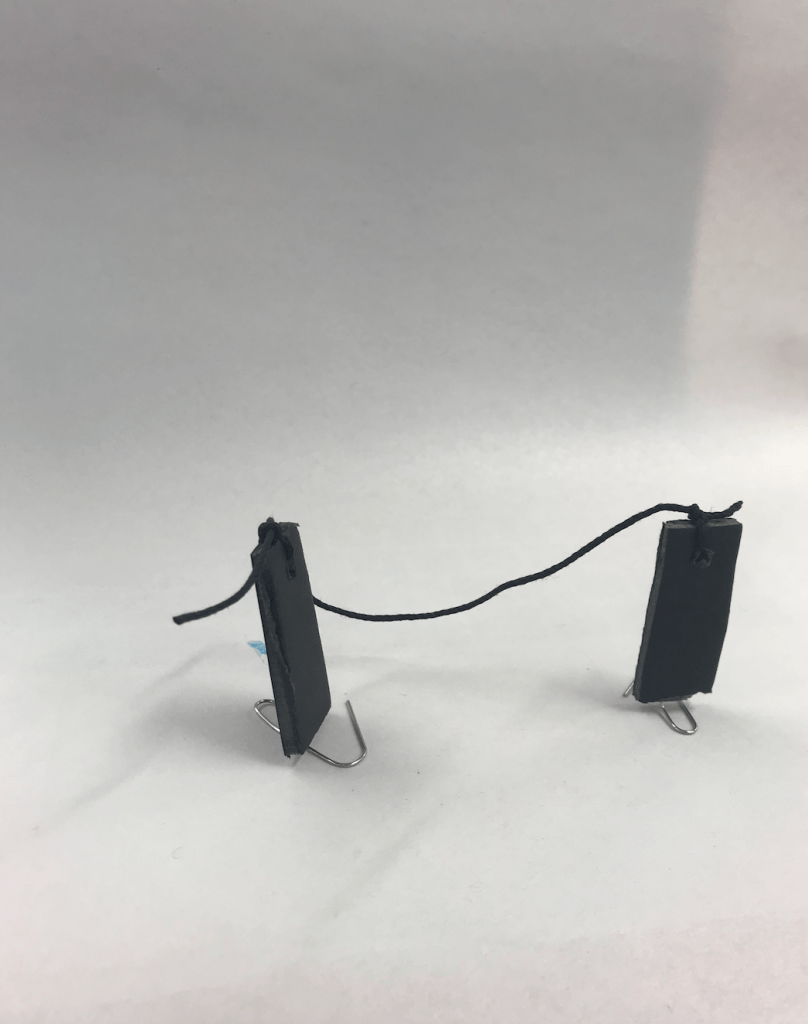
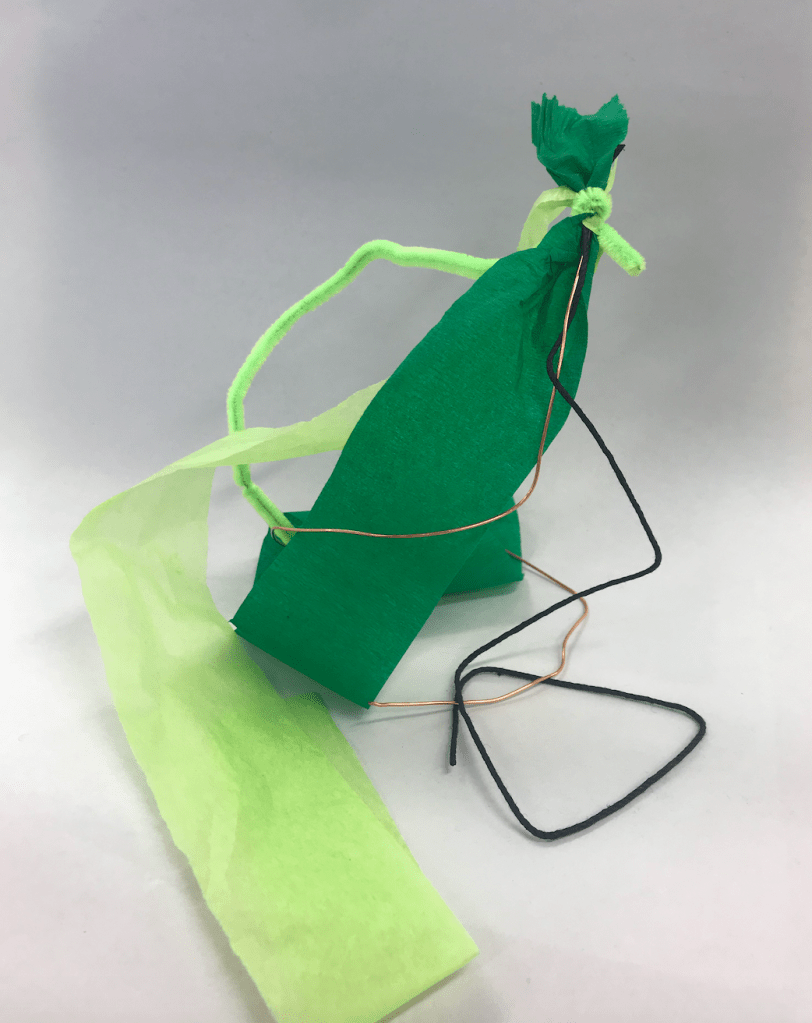
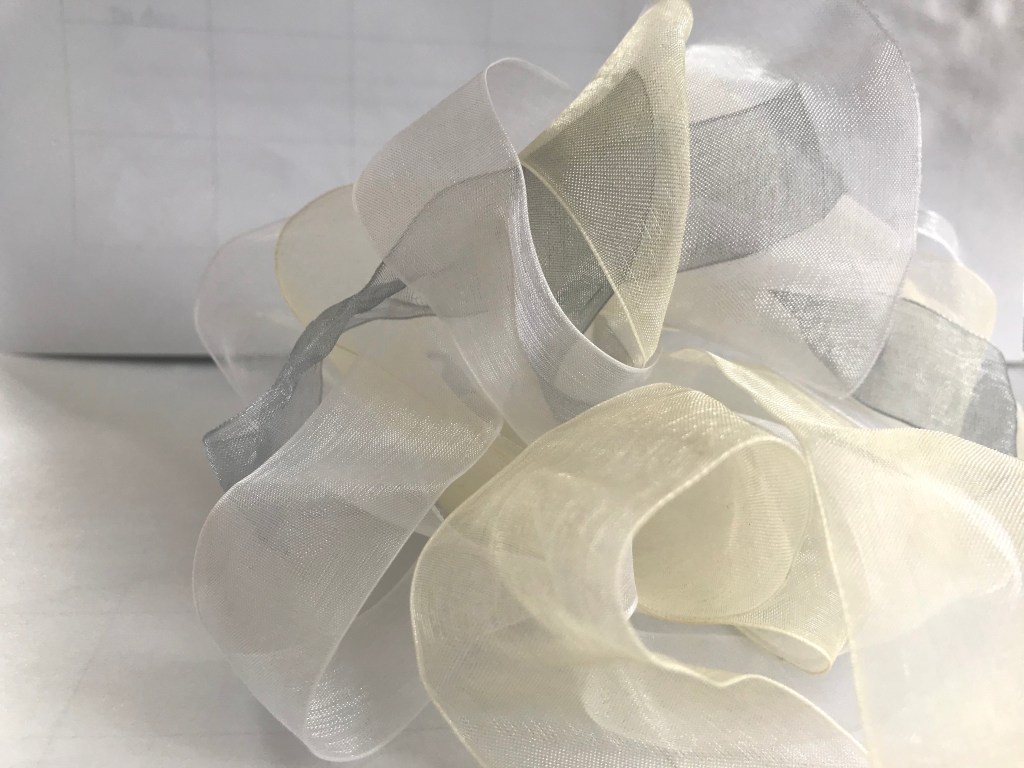
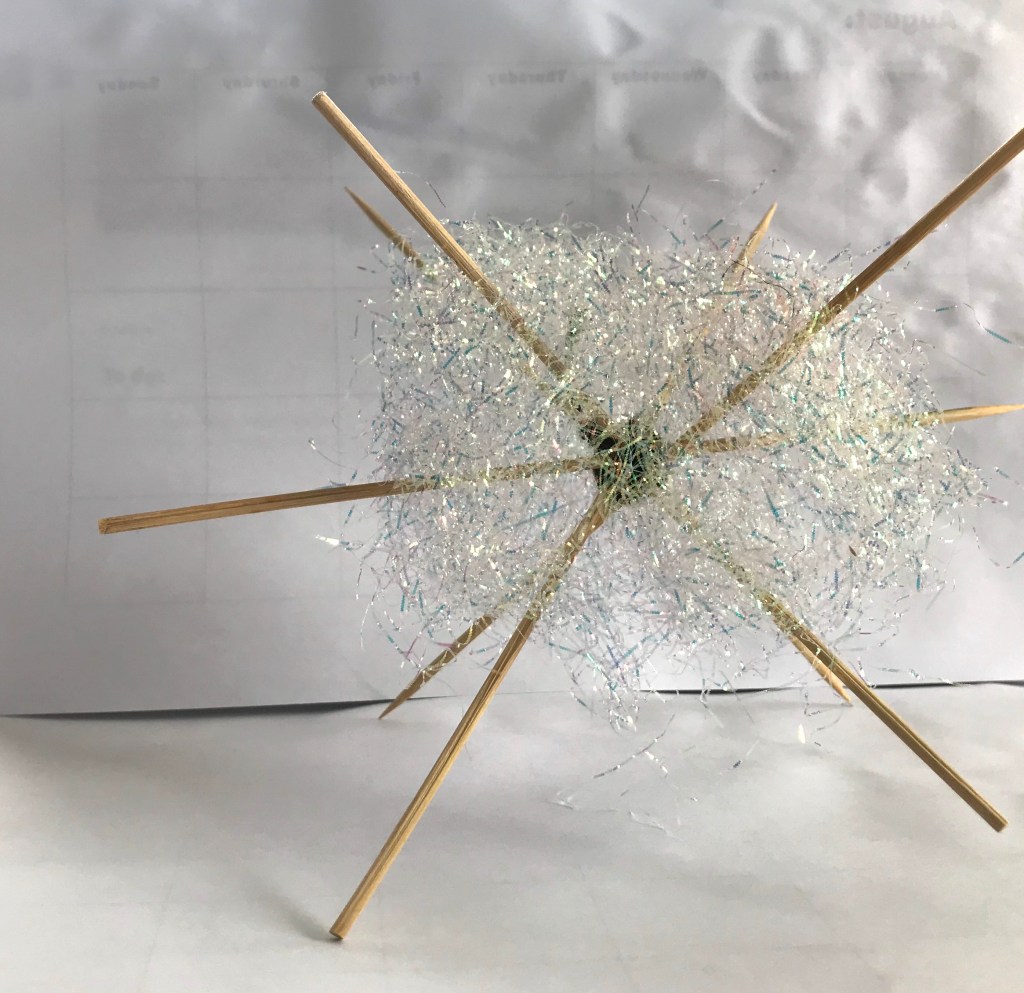
Use these two-word relationships to make small maquettes/ drawings/ collages/ images/ sculptures that think through the pairing materially, in relation to what you’ve observed in your site. Give yourself a time limit: 4mins/6mins/8mins per ‘sketch’.

Examples of documents:

Week 3 Studio:

Year 2 Semester 2

Tuesday:

Maintenance As Art

Art truly is in the eye of the beholder. It’s a shame that most people don’t view the minor intricacies of the world as art until someone calls it out. Art is a mindset. An internal training that sets the world on fire. As long as you look for it, art will always be there. I just have to remember to keep looking.

The American Lawn:

It’s crazy to me that something so common, so simple as a lawn actually holds layers of complexity and controversy. When actually taking a moment to consider the lawn I have come to the conclusion that it is a very unnatural form of cultural oppression on the natural environment. Apart from sports fields they don’t really serve much purpose. The main purpose is to have something clean to look at. Up until recently i had never even given my lawn a second thought and no i’m considering why i even have a lawn and is there a better way to utilise the space. Michael Pollen explores this concept of the American lawn in “Beyond wilderness and Lawn” stating “My conviction is that gardening, as a cultural activity, matters deeply, not only to the look of our landscape but also to the wisdom of our thinking about the environment.”

What is critique for?

  • Building capacity to develop your work as well as other peoples work.

Group defined Parameters of Critique:

  1. Context of location, why, etc.
  2. personal interest/connection in site
  3. idea generation
  4. method of documentation
  5. presentation of documentation
  6. further development and final outcome intentions

Critique of my 10 documents so far:

Documents curated so far

My feedback:

  • Explore how the tides affect the way people engage in the space.
  • Note the ages of the people engaging at the beach and in what capacity.
  • An interesting contrast between the use of colour nature vs man made. Bright vs neutral. The evidence of who has engaged with the space.

Further explorations:

  1. The people on the beach have made a distinctive choice to be there and enter the space. Why?
  2. Interviews?

Thursday:

Critiquing each others 5 favourite documents.

Artist research:

Dining Disorder

Dining Disorder

The idea that a process that is normally a one way route could in-fact travel in the reverse is a great new way of approaching my own installations. This would create a new experience with the nostalgia for the original. Through reading this text i was challenged by the term ‘perfect’ in “a perfectly laid table”. Who says that thats perfect? Is there another way that we haven’t considered?

I also liked the way she described the dining experience as choreography as it can feel like a dance when you have a full table and a-lot of dishes to to pass around. It paints a very clear picture and brings new meaning to the dining experience.

Beached whale:

When researching different installations implemented in a beach setting I found this Beached Whale installation by Greenpeace Philippines. Created out of ocean plastic to bring awareness the the level of pollution in the area. The shear scale of the piece is enough to grab your attention. They used colours very effectively creating the gore of spilled guts bringing the horror of the situation to light. The combination of materials, colours, scale and concept are very effective in portraying the intended message. This serves as a good reminder to think abstractly and to think through the most effective way to convey my concepts without needing to explain with words.

In a State of Flux:

In a state of flux

I love the concept of just happening upon an installation/ intervention. The reactions are pure and honest and like Ann Jones said in here article “it existed for those who were involved in the building process and in a different way for those who came across the ice enclosures before they melted away.” Everyone reacts and interacts with the world differently and it can be very clear to see these reactions when something unexpected crosses your path.

“Kaprow believed in the use of everyday materials for making art and developed the idea of the happening: experiential art events, with the art emerging from the combination of the activity of the artist(s) and the response and involvement of the audience.” I love this relationship between artist, art and audience and the concept that the art isn’t complete with out all three.

Week 1 Design Studio: Social Space & Observing/Participating

Year 2 Semester 2

Tuesday Lecture Notes:

‘Social Space’ – to gather together, public space, encourages social interaction. Henri Lefebvre – all space is is socially produced “space is at once result and cause, product and producer”

What is the commons?

Dictionary Definition:

Common as an adjective:

1a: of or relating to a community at large : PUBLIC
work for the common good

b: known to the community
common nuisances

2a: belonging to or shared by two or more individuals or things or by all members of a group
a common friend
buried in a common grave
common interests

b: belonging equally to two or more mathematical entities
triangles with a common base

c: having two or more branches
common carotid artery

3a: occurring or appearing frequently : FAMILIAR
a common sight

b: of the best known or most frequently seen kind —used especially of plants and animals
the common housefly

c: VERNACULAR sense 2
common names

4a: WIDESPREAD, GENERAL
common knowledge

b: characterized by a lack of privilege or special status
common people
a common laborer

c: just satisfying accustomed criteria : ELEMENTARY
common decency

Noun:

peer to perer knowledge, resources held by a community, mangaged by the people whi use them “creative commons”, publicaly owned green spaces

Verb:

Self governance; engaging in relationships and relations that have been diminished under capitalism; continuing reliance on, learning from, and commitment to one another.

Activity:

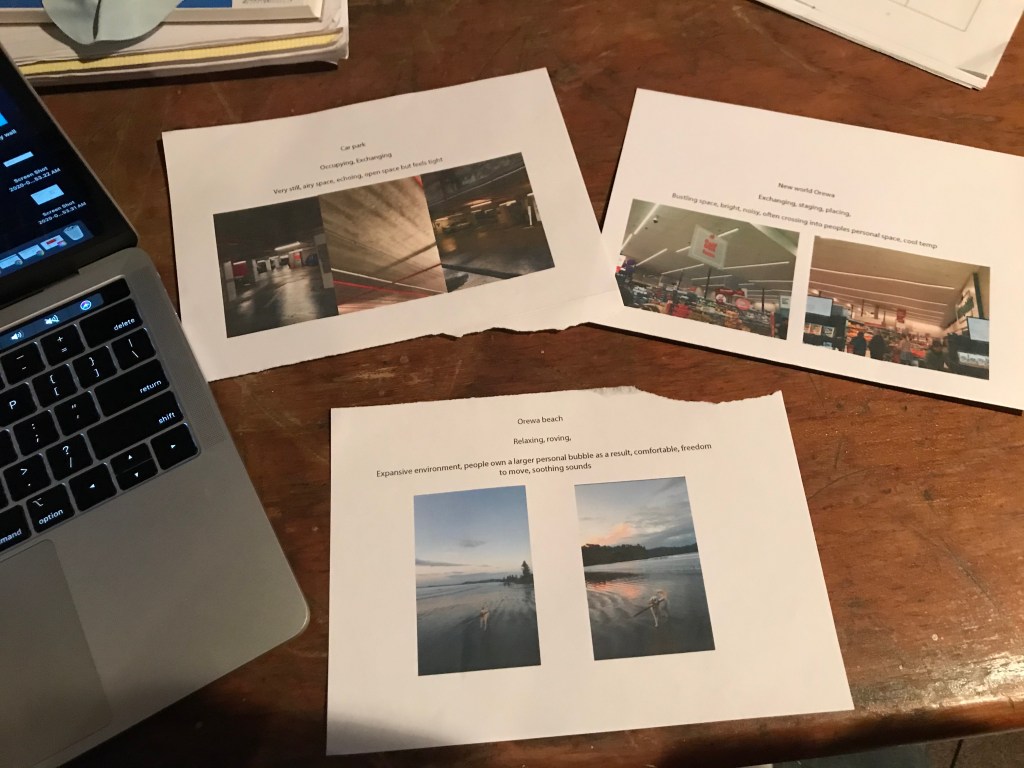
Space 1 – Car park Symonds St

Occupying, Exchanging

very still, airy space, echoing, open space but feels tight

Space 2 – Beach Orewa

relaxing, roving,

expansive environment, people own a larger personal bubble as a result, comfortable, freedom to move, soothing sounds

Space 3 – Supermarket

exchanging, staging, placing,

bustling space, bright, noisey, often crossing into peoples personal space, cool temp

Thursday Lecture Notes:

Choose a social space to observe/participate in. Consider the full range of actions and interactions that occur.

Consider how it’s presented in relation to the chosen location.

Dinner parties Sarah Wigglesworth – The disorder of the dining table.

Straw bail house

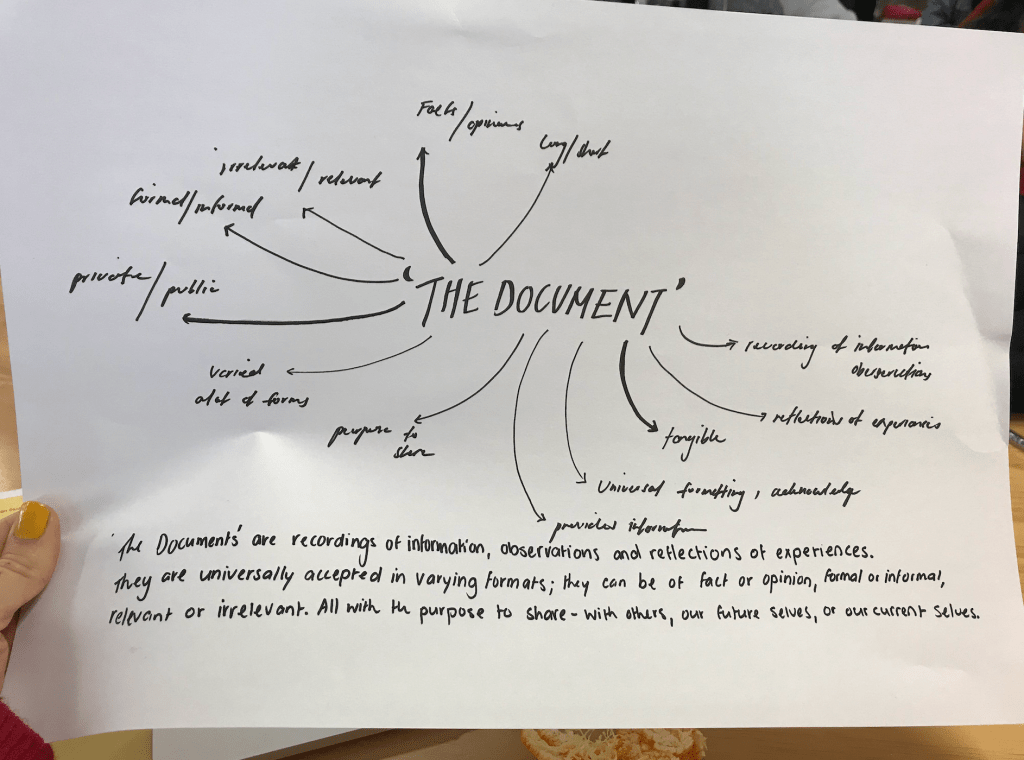
Definition of a Document:

Gravitational Pull:

Orewa Beach

  1. Roving
  2. Relaxing
  3. Occupying
  4. Joining

I chose Orewa beach, as it’s a place I repeatedly visit and have visited for years. It’s a place where you can escape life for a bit, relax and reset before going back to reality. I think the gravitational pull of the place is the sense of peace it provides or a free change of scenery from regular lives.

The coast has always been a place of exchange, culture and trade. A hub where all kinds of people can come, mixing and mingling.

Orewa may not be a port of trade but it is still a place where all people are able to come and share the space.

Being at Orewa Beach you get a sense of being apart of something, togetherness, whilst also being left to do your own thing if you choose to

An hour of observations:

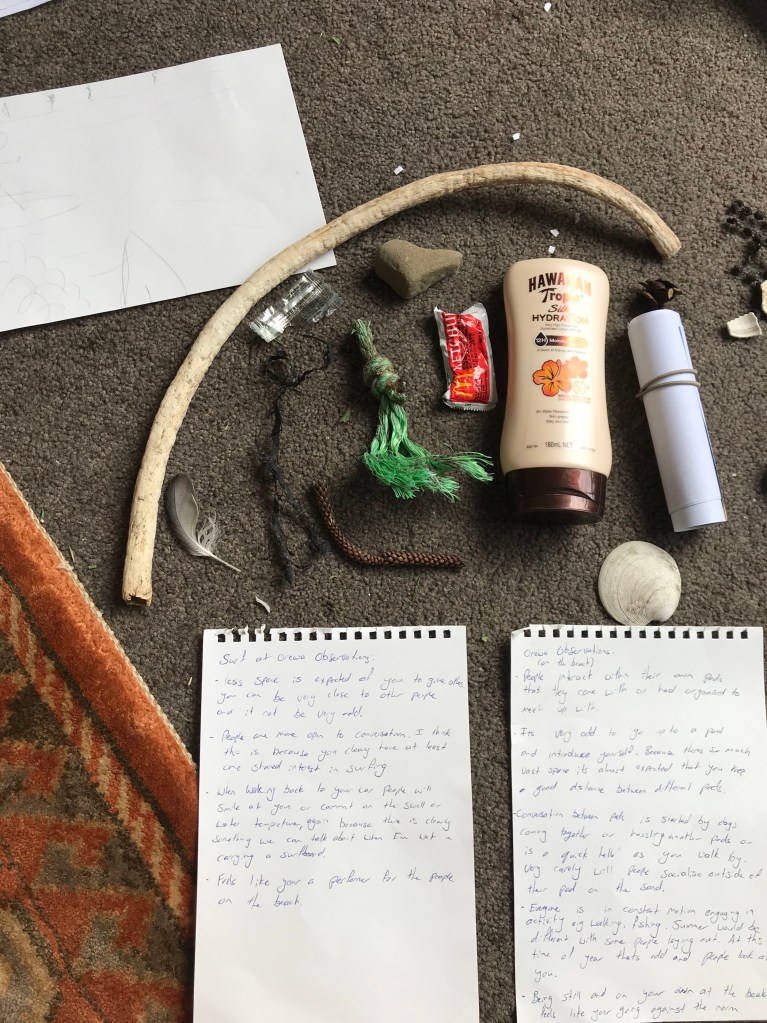
In observation I noticed lots of pairs of people but very rarely did those pods interact. And if they did it was very brief.

The age range of people was very broad. Due to the location of the beach being close to a handful of retirement homes there was quite a lot of silver folk walking on the beach. You would also get young families with their kids playing in the shallows or being walked in prams and teenagers hanging out after school.

I noticed that the white noise of the waves drowns out everything else providing a sense of peace and quiet.

The activities that people were engaging with was mostly walking up and down the beach. There were also people running, sitting, surf life saving training, catching up with friends, watching the water/beach and walking the dog.

People didn’t interact with other groups of people very often they usually just stuck to their own pod. Some instances when they did interact it was the interacting of dogs that connected people or if they recognised someone they already knew who was also at the beach.

George Perec Text:

Personal analysis:

I love they way Perec breaks down the layers of an environment from a surface level right down to the clay deep below the surface. I found it incredibly helpful reading through the different concepts he explores. I definitely need to practise the discipline of noting ‘what is of no interest, what is most obvious, most common, most colourless’. I really like the the point of not saying/ writing etc. when observing a space to not be lazy and actually exhaust the list.

His prompts when observing people were really simple yet I hadn’t thought to ask them when I was observing my space. Things like where are they coming from, who are they, what is their speed of motion and do they live locally.

There is so much more to Orewa Beach than I had noted down in my first round of observations and I will use some of Perecs prompts for analysis next time I observe the area.