Week 1: Colour Collage Models

Year 2 Semester 1

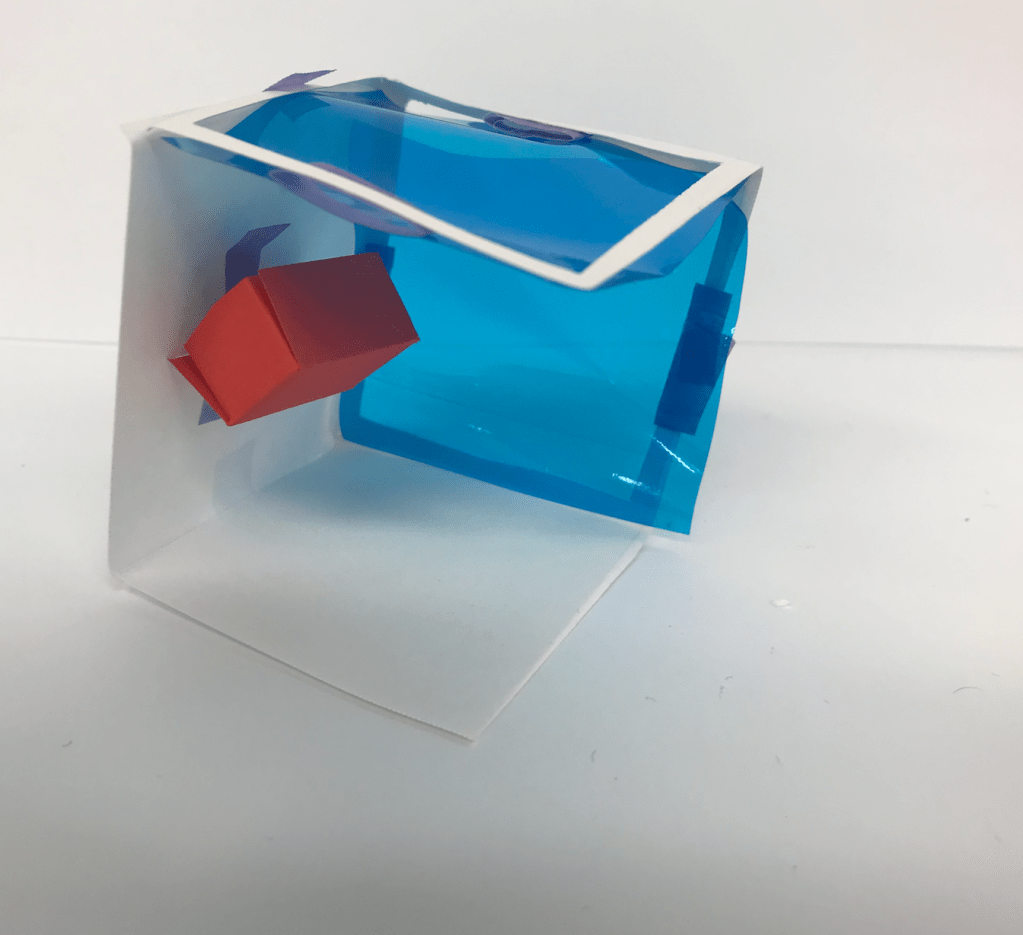
Today we created 3D models from our 2D colour collages.

Before I started making my models I analysed my collage, looking for elements that could expand nicely into a 3D model.

In my collage I had focused on the bright detail colours rather than the greys of the cement. I have also drawn on reflections and shadows.

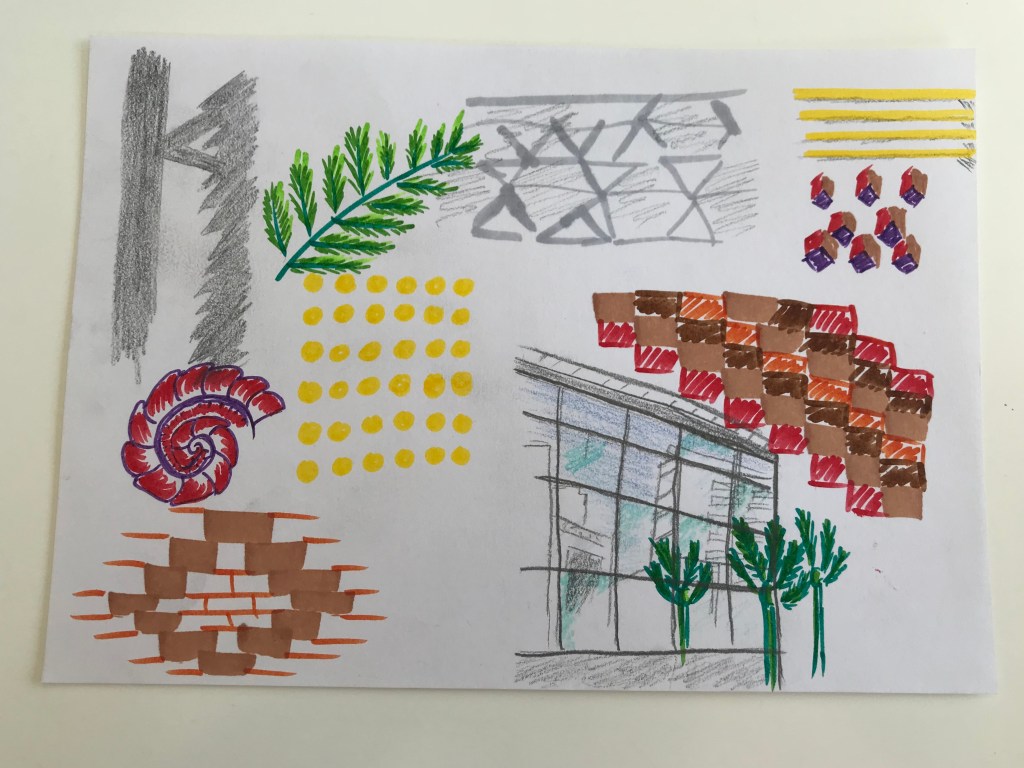
In my collage a grid like pattern re-appeared a few times. This contrasted the plants that I had incorporated showing the contrast relationship within the city of nature vs the urban environment.

From left to right the collage takes you along the walk from Aut to Saint James Theatre. This wasn’t originally my intention but came through really nicely and gives my collage a sense of coherence.

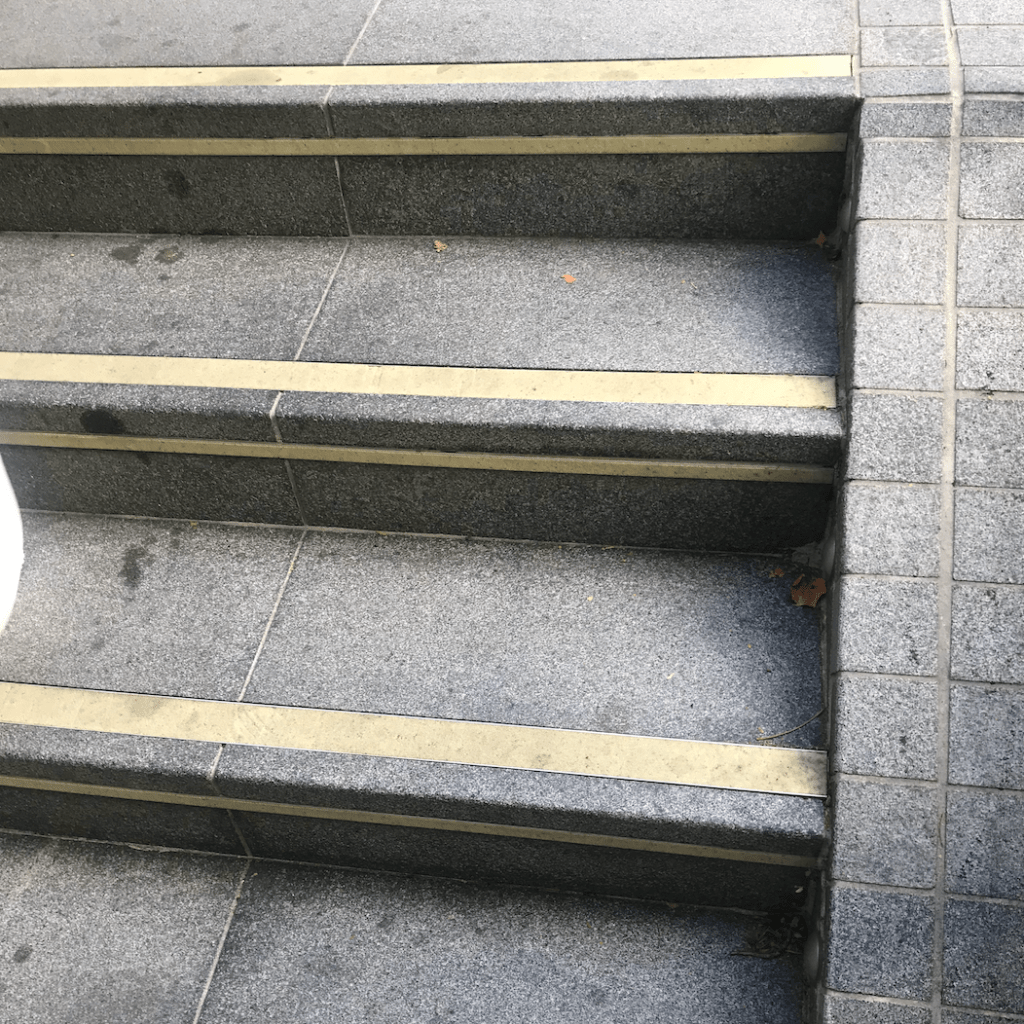
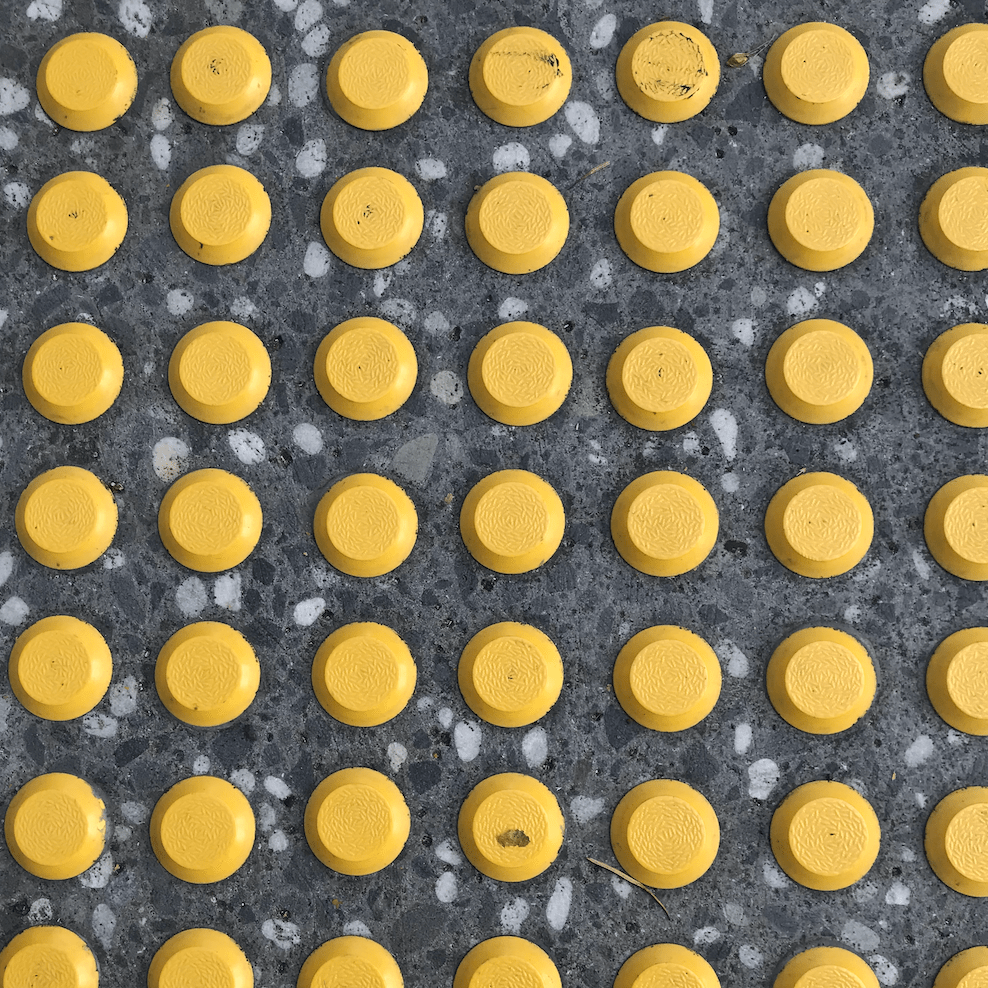
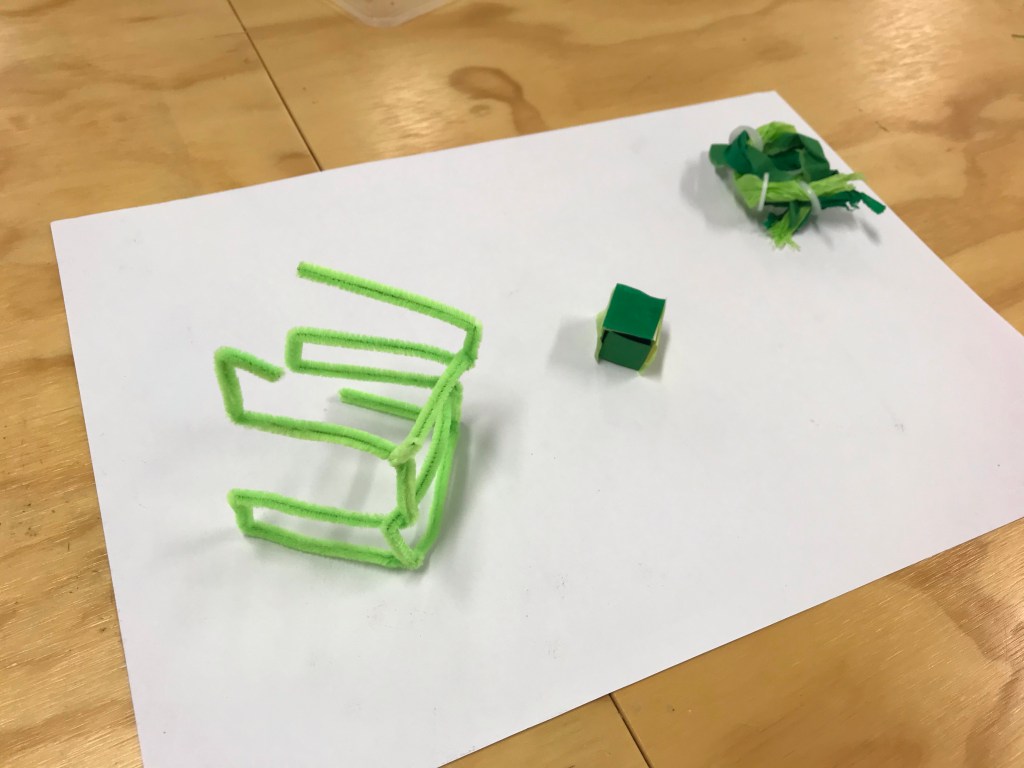
When looking at my 2D collage I saw that some of the grid used for the windows could be folded into a box. The stair shape could also link to the brick work in a 3D capacity or could just be an interesting shape to work with. The yellow dots also have to potential to become spheres or tunnels.
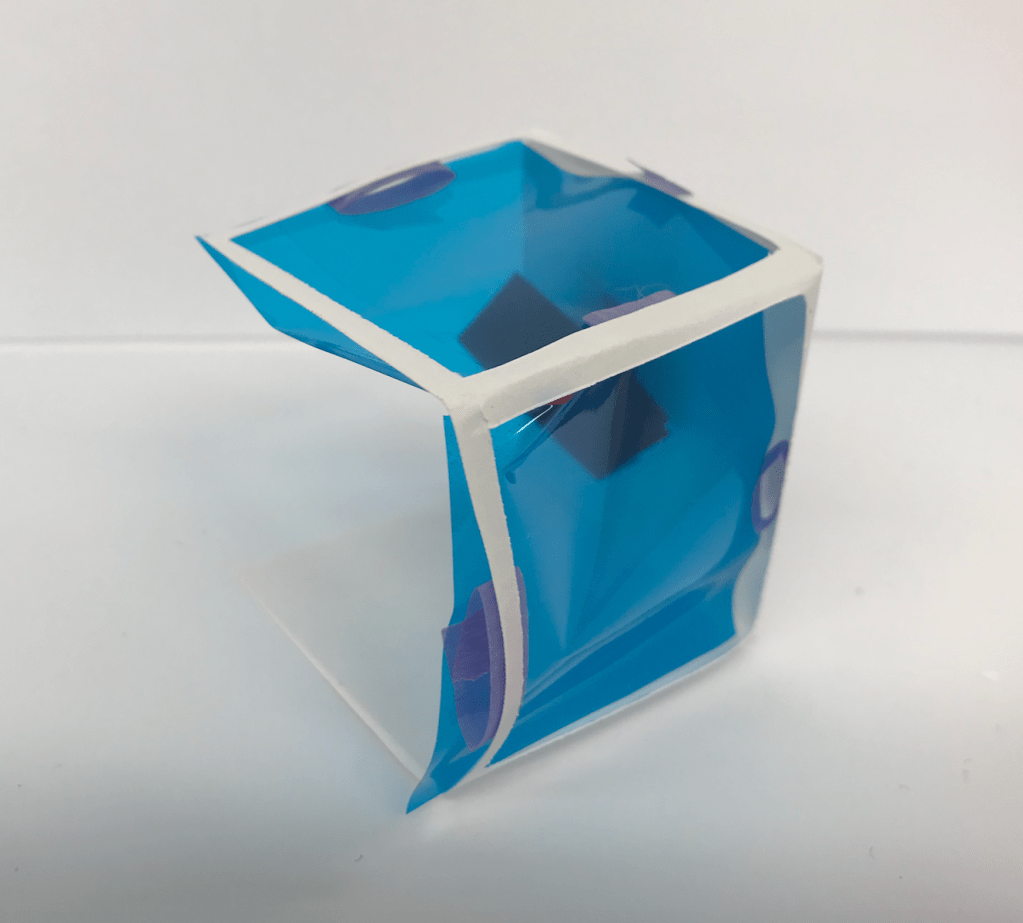
Model 1 Analysis: The blue window created a projected blue hue on the surrounding surface. Projected colour as opposed to applied colour. Having the box open allowed for interesting shadow and light play to move within the space as-well as play with open vs closed space. Looking through the blue window also changed the colour of red brick when looking through it.

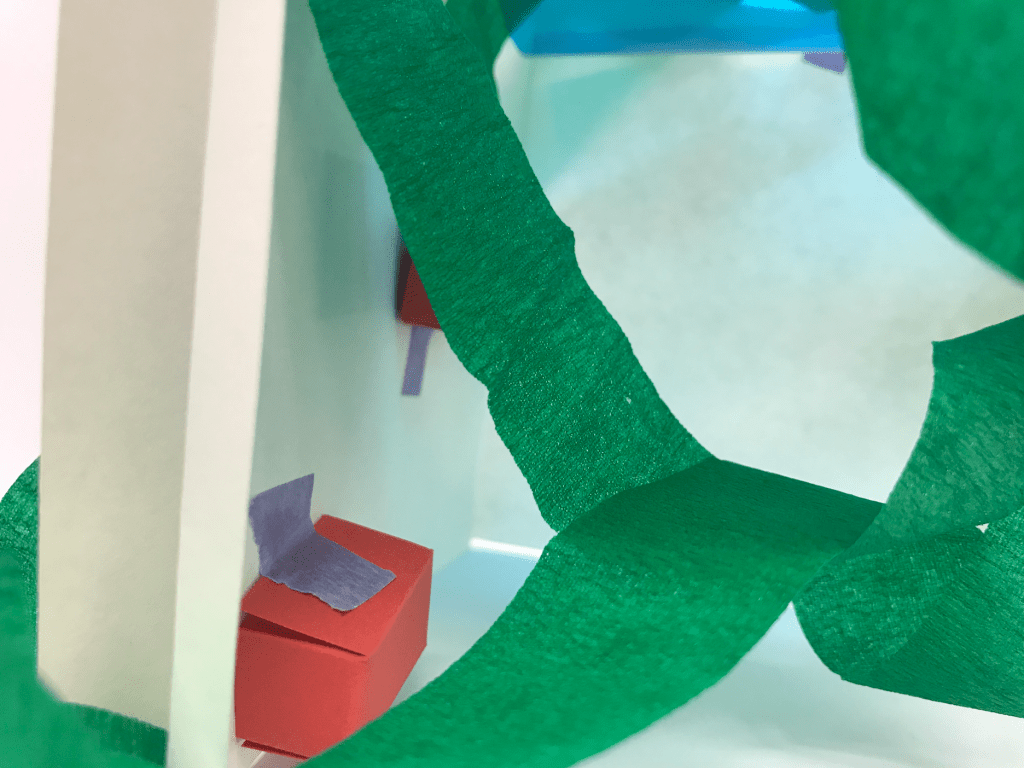
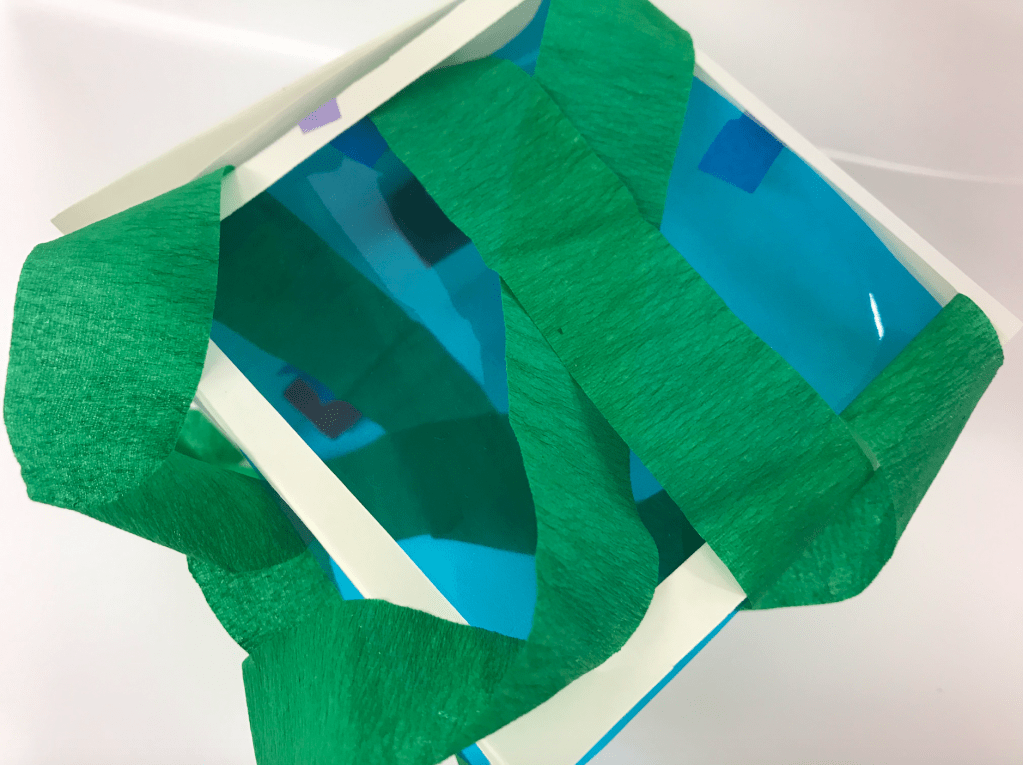
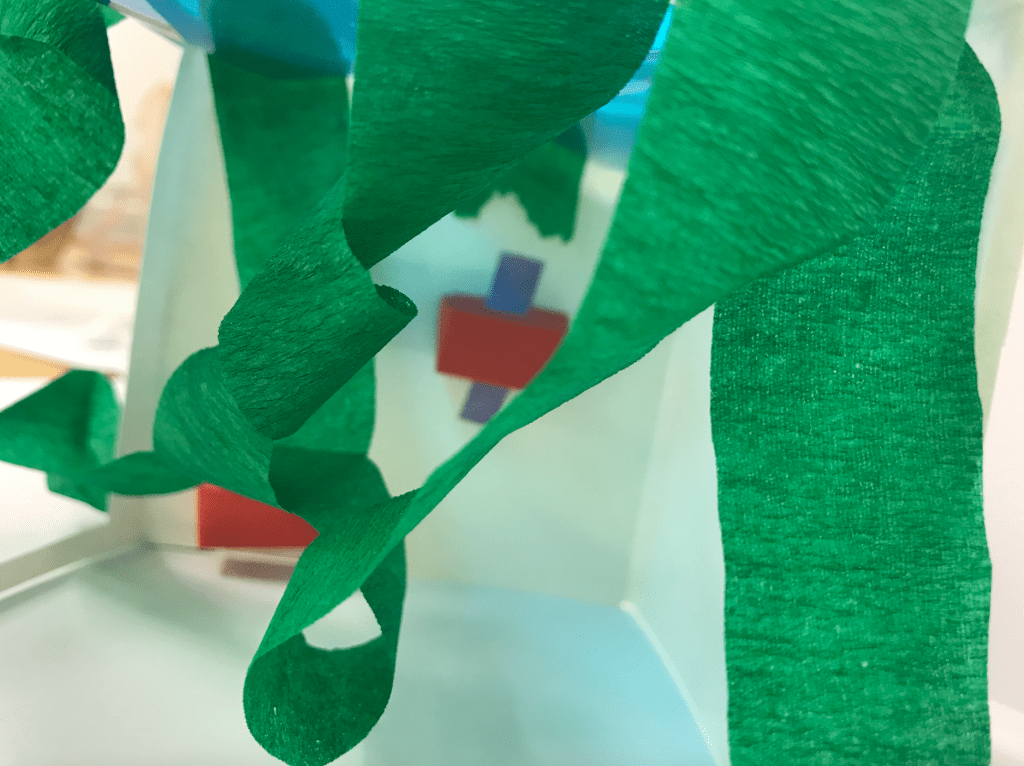
Model 2 Analysis: In focusing on texture I drew on the contrasting textures of the matte aspects of nature and the glossy shiny aspects of glass from the buildings. In looking at my model it almost tells a story of nature trying to reclaim the urban environment as the matte green wraps itself around the glossy blue structure. The shadows it creates is a broken up blue hue where the light can cut through and dark where the green intersects the path of light emphasising this idea of nature taking over.
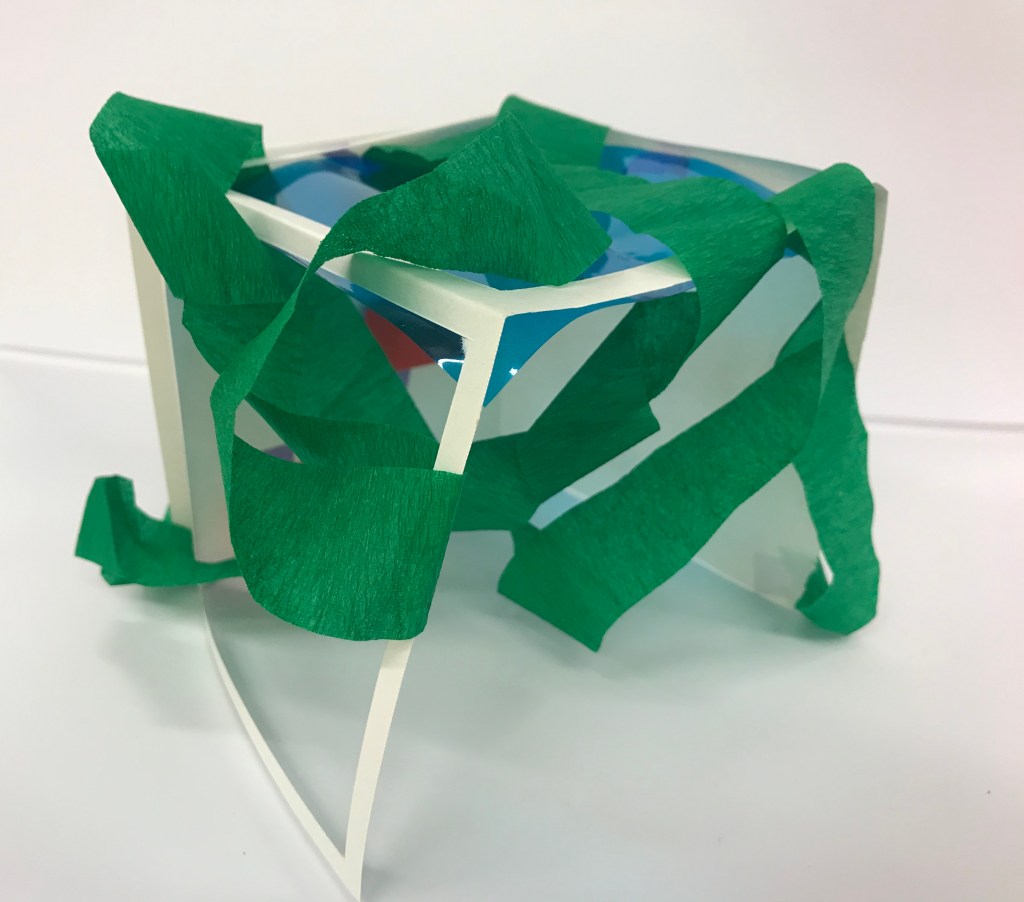
In our third model I had to connect models 1 and 2. I continued the theme of nature trying to reclaim the urban environment by wrapping the green in and around the model. i used the window design of model 1 which allowed the green of nature to penetrait into the interior of the space. the two models married quite well. i used clean suare lines

Theory Week 1:

Year 2 Theory

Readings:
How to Encounter a Puddle by Anny Li and Index of Agency by Sophie Chien.

Questions:

What is Li’s overall idea about puddles? How does she connect the practical (photos, experiences) with the theoretical (ideas in the text)?

Li’s idea about puddles is that they are more than just a small pool of liquid. They tell a story. She connects her photos to her ideas by unpacking what is observed in her image and drawing generalised conclusions from them.

How might you sum up Chien’s ideas about agency? How does she connect the practical
(diagrams of spaces, experiences) with the theoretical (ideas in the text)?

I would sum up her idea about agency as the privilege you have to engage with a space. She connects her diagrams to her ideas by using them to explain the roles people have in different environments and how they play out together in a clear way.

Each writer poses questions within the text. What do you think the purpose of these questions are in Li’s piece? in Chien’s? How might we answer them?

I think the purpose in Li’s piece is to give the opportunity for the reader to try and formulate their own answer. In Chein’s I think the purpose is to show that she doesn’t have all the answers and is still speculating herself but also inviting the reader to step into the conversation by thinking about their own answers.

How are they engaging with the different/similar ideas of movement within cities
and spaces?

They are focusing on details that are often overlooked or accepted without any questioning or analysis and looking for deeper meaning in them to gain a better understanding of their environment.

What is the purpose of, or impression you get from the images within each text? How
important are they in your understanding of their ideas?

The images help communicate clearly the starting point for their writing. It gives the reader context and paints a very clear picture as we journey through the texts allowing for sound understanding of their ideas.

There are some key theoretical texts or ideas mentioned in each piece of writing. Research
them (briefly) and come up with a one or two sentence definition:

Ekistics – a science dealing with human settlements
agency + spatial agency – a new way of looking at how buildings and space can be produced
personal as political – political and personal issues affect each other
low theory – failure to live up to societal standards can open up more creative ways of thinking and being in the world.
Decentralised network – a “trustless environment,” where there is no single point of failure

Week 2: Group Seminar Research and Model Making Workshop

Year 2 Semester 1

The question I was given for our presentation is:

How has the designer analysed and interpreted the particular site and context of the project relative to colour? What relationships have been set up between the user and the space because of colour?

The Weiss-heiten Studio designed the interiors of the Aesop Mitte store in Berlin Germany. The designer drew on the historical context of the site leaning into the Bauhaus movement to influence the use of colour and aesthetic in the space. This meant marrying functionality with beauty and in this case using the colour green to achieve it.
The outworkings of Bauhaus design style has created a clinic aesthetic which promotes the cleanliness of the products being sold causing customers to experience the feel of the product before they have even used it. The use of green in the tiles, paint and furnishings further promotes this idea and sets the scene in which customers would use the product. With green being a dominant colour in nature, people associate it with being fresh, natural and luxe all of which are synonymous to the Aesop products.

Image result for aesop mitte berlin
Aesop Mitte, Berlin

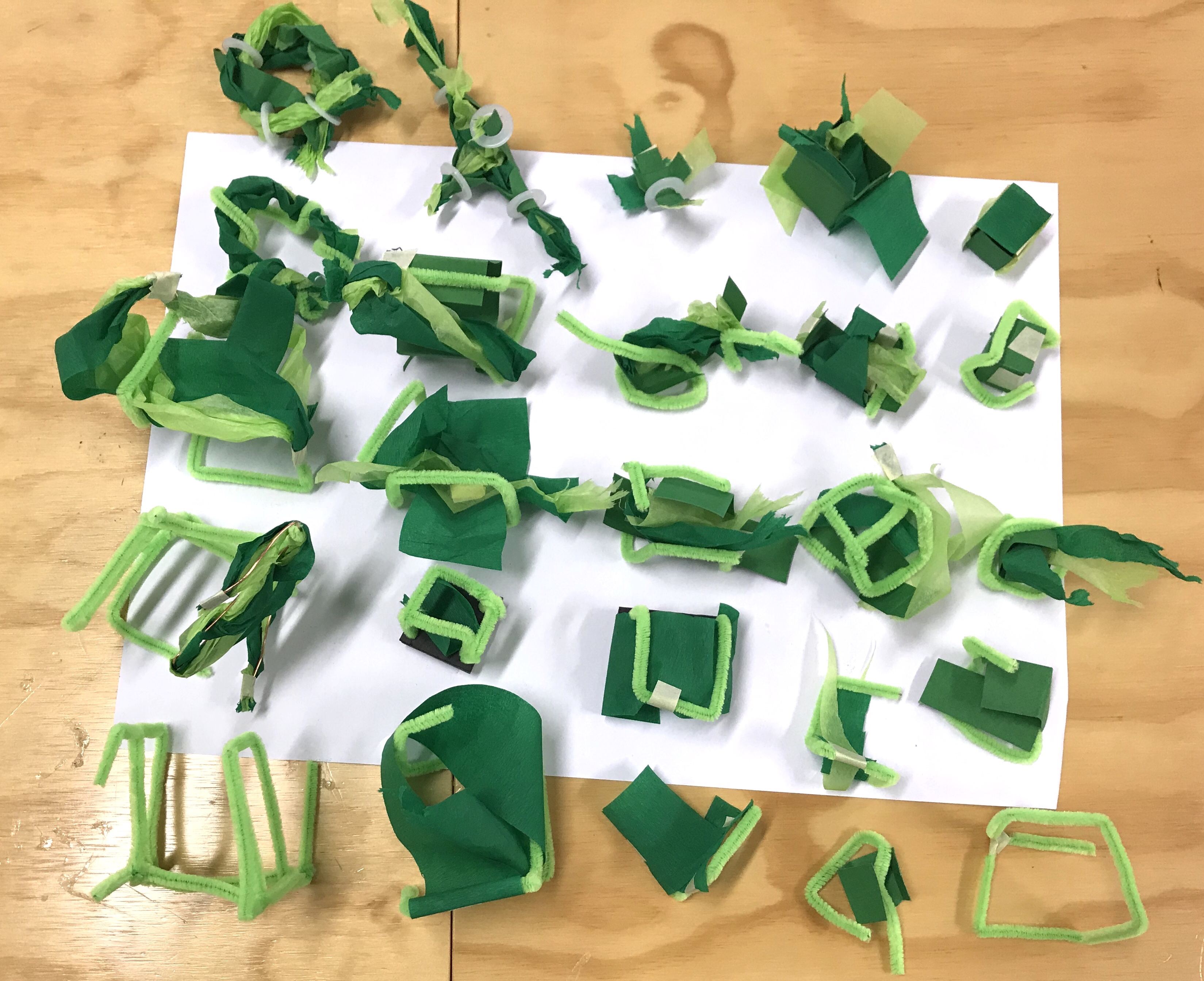
Colour complex: Iterative model making exercise

First 3 Models
Cupcake Models
Model K.

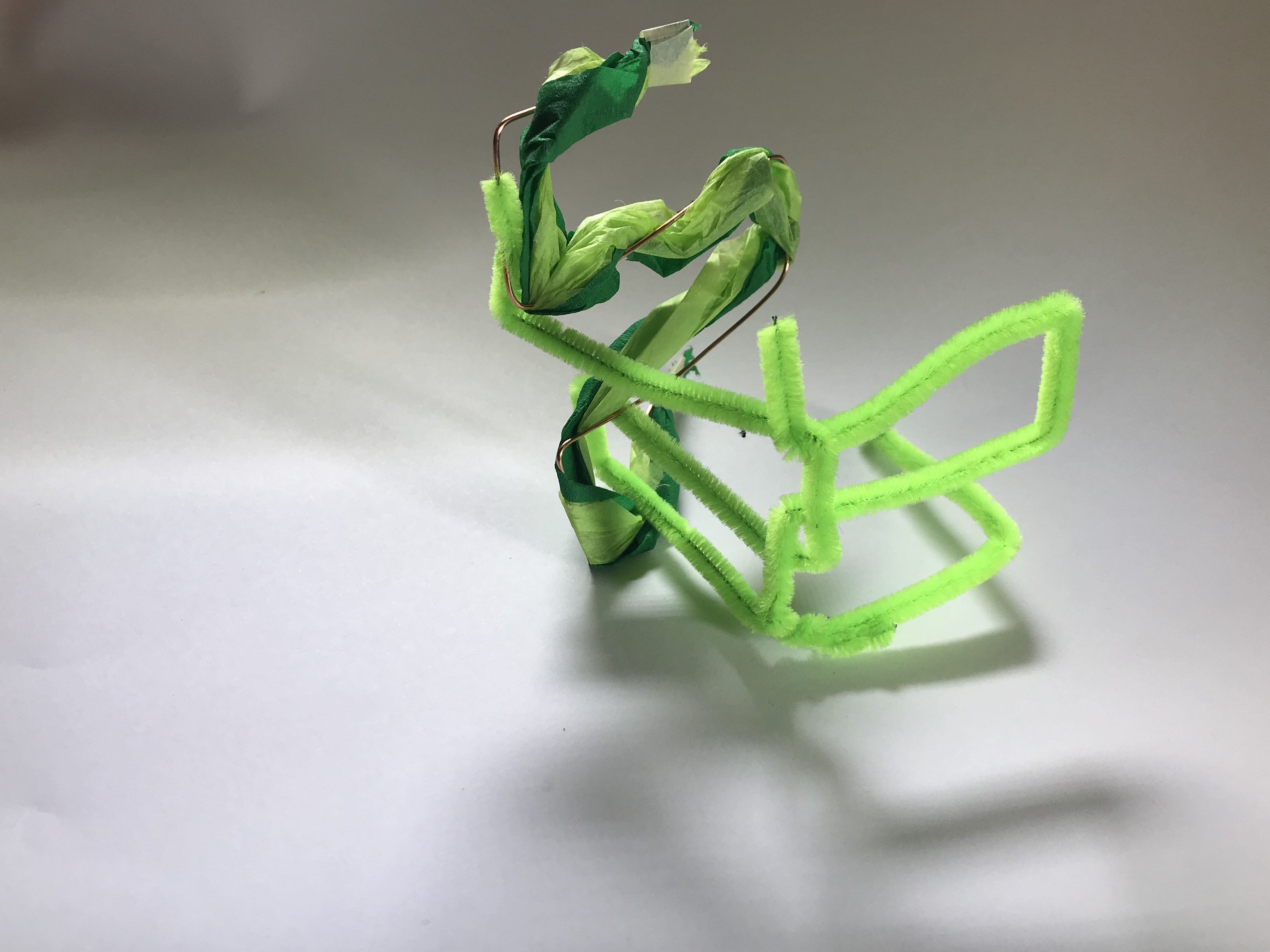
Through this exercise I found that I was able to abstract out my initial ideas creating really unique models and shapes. This was helpful in informing my practise to push my ideas and pull them apart and put them back together to create shapes and produce ideas that are more complex and interesting than my initial concept. I found it interesting to observe the merging of ideas as the models evolved through the grid. The crossing over of the initial ideas (interaction of colour, an aspect of your seminar research and a detail) and the marriage of those ideas as they intersected across the grid.

Through the photographing of my favourite model with good light, it caused me to slow down that part of the process and pay more attention to the details of my model and the effect it creates on its surroundings. The results looked great, playing with shadow and highlighting colour.

Week 1: Colour Blocking and Collage

Year 2 Semester 1

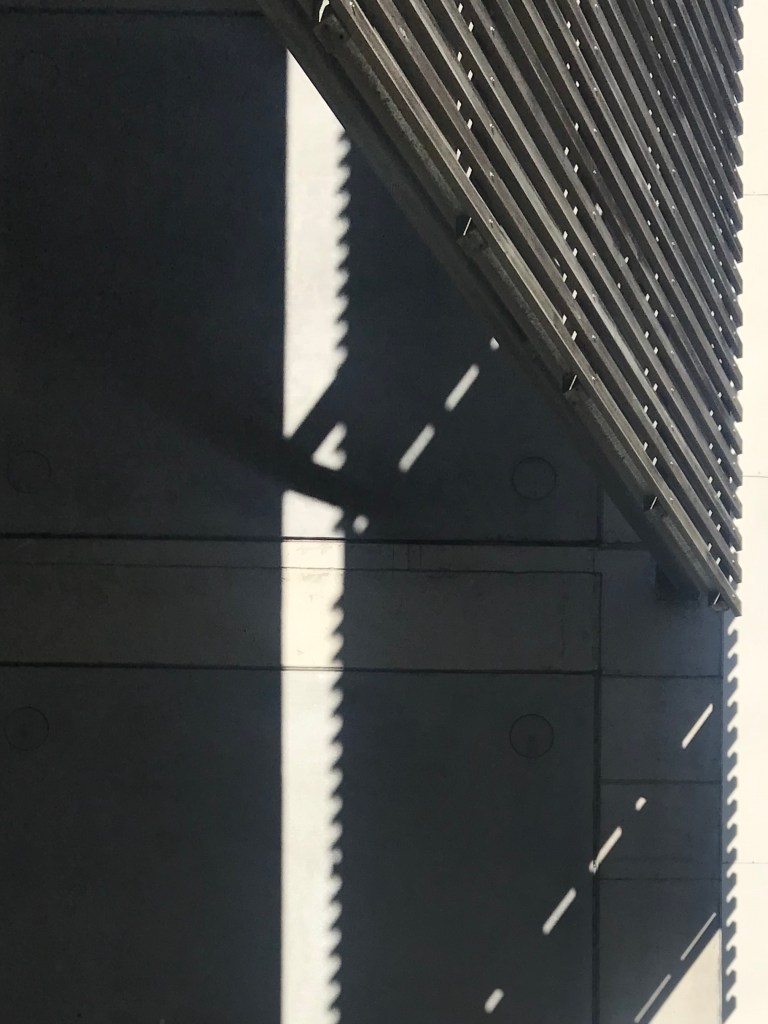
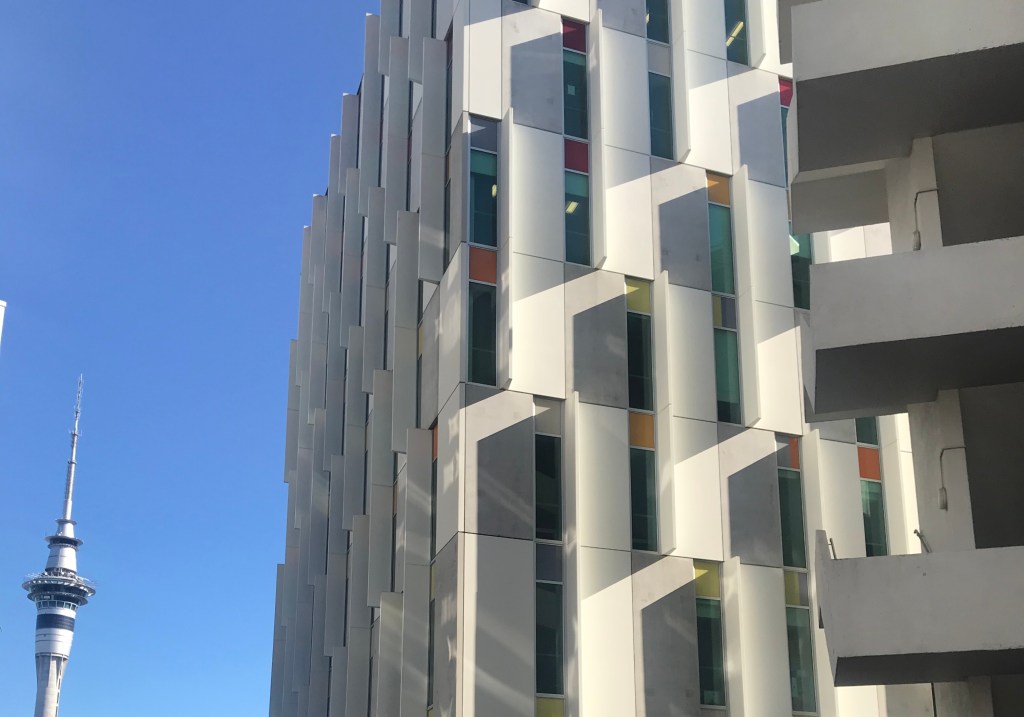
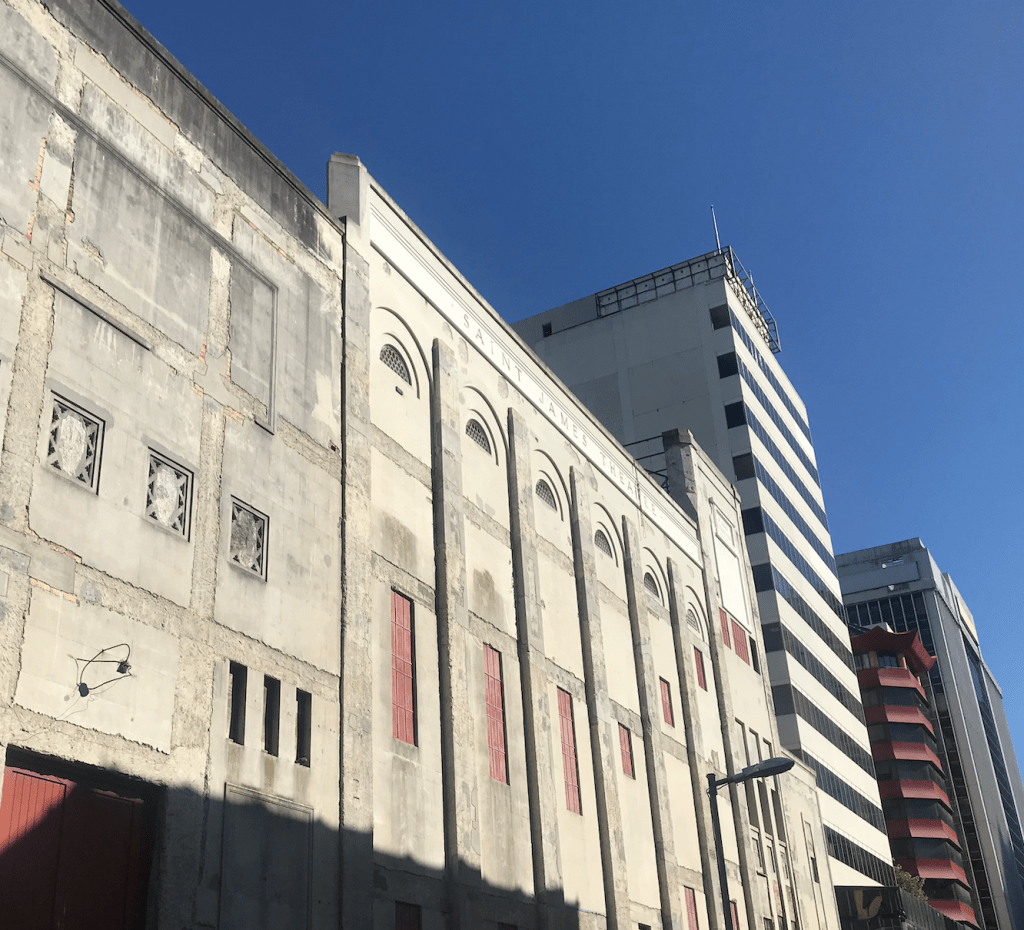
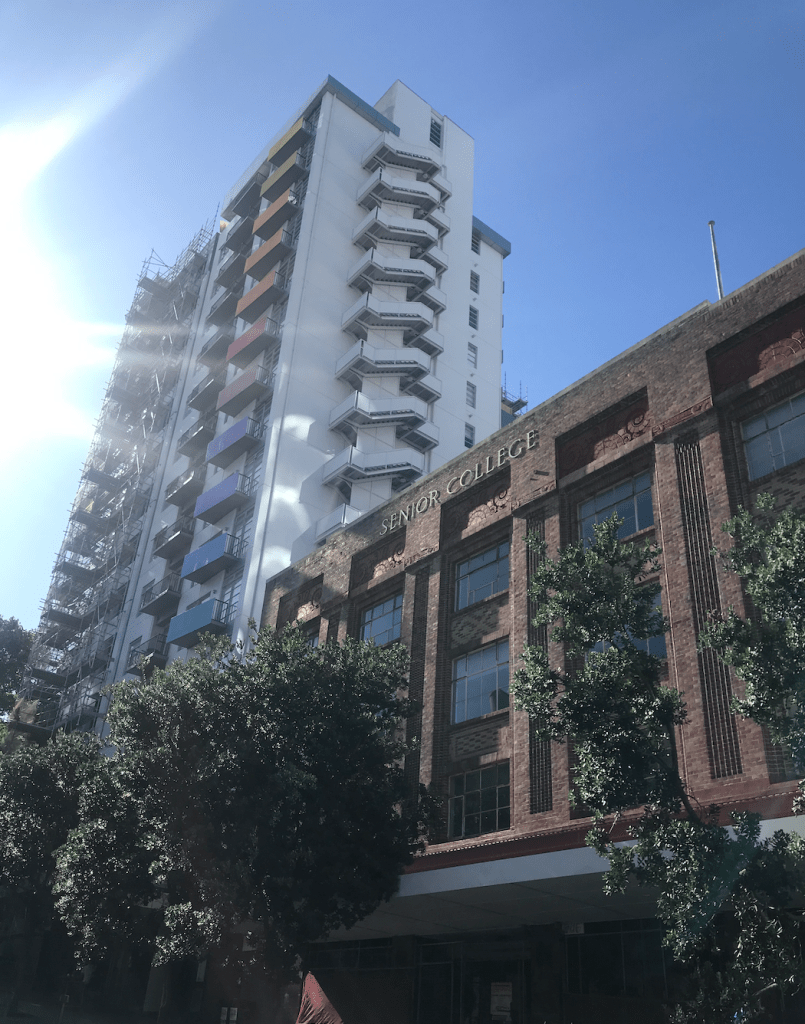
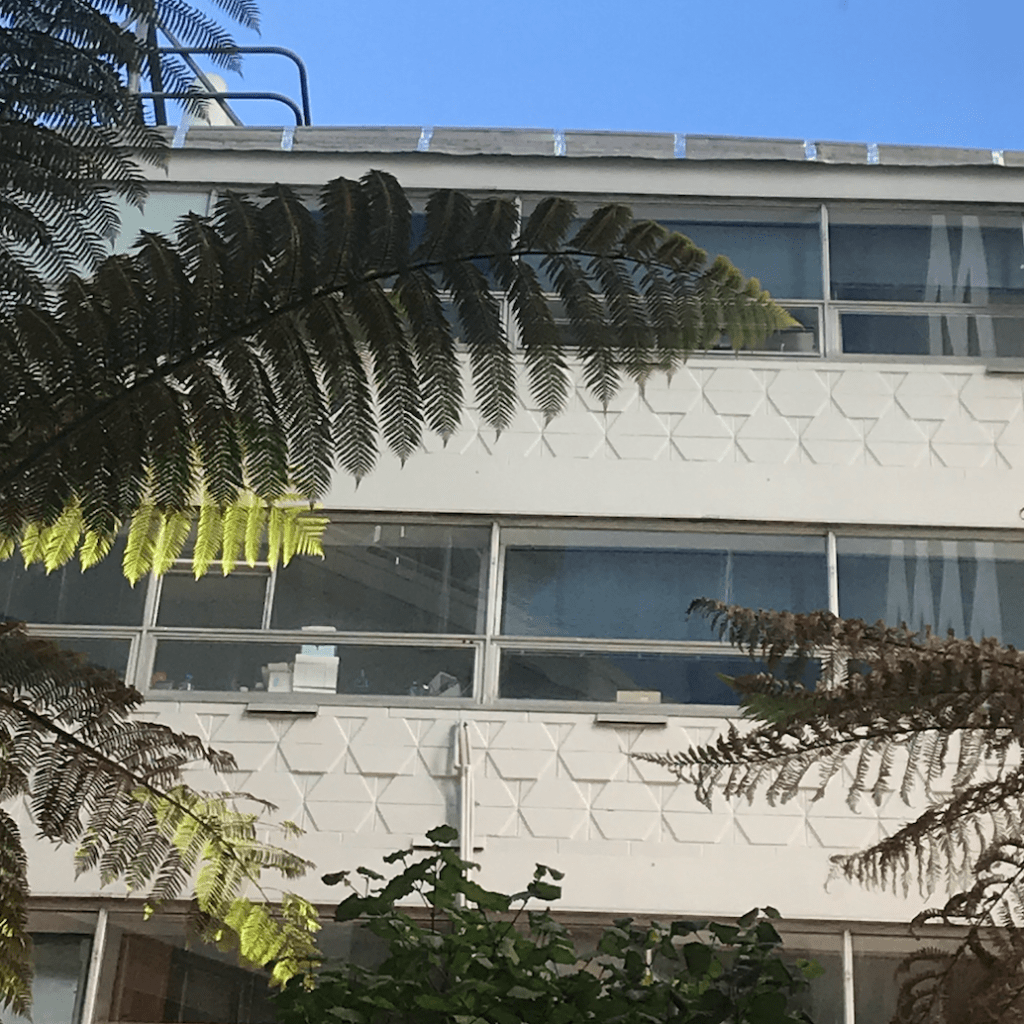
First day back we walked from our studio class down to the St James theatre observing the colour used in the urban environment and the way that the light interacts with the infrastructure.

As I walked I was encouraged to consider colour in relation to ‘materiality, light, scale and texture’.

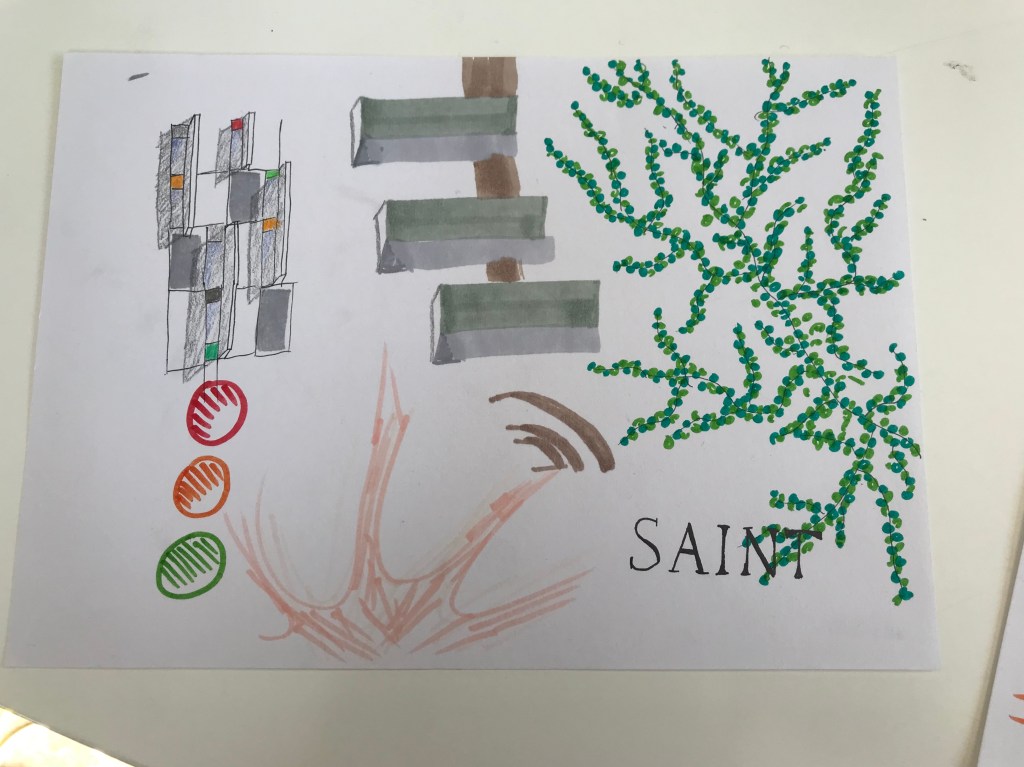
I sketched out some interesting details and use of colour that had caught my eye on the walk.

I found that my eye was drawn to the bright pops of colour. I also noticed little detailing on different buildings that would create small shadows that made the design standout.

From the sketches I made, I created a collage of the different details I liked and found interesting.

I really like the yellow dots in its grid pattern so used that as the element to tie things together. This turned into a nice contrast to the brick like blocks of colour that I also added. I found that I liked the relationship between the angular boxy shapes and the round and natural shapes.

This helped me analyse the environment that surrounds the site of the Saint James Theatre for this semesters project in a unique way.

Through this exercise I realised just how much detail is in the ordinary, everyday infrastructure of Auckland city. The city is full of contrasts and opposites that live in harmony. An example of this is in the contrast of matte surfaces vs glossy e.g glass vs brick, or nature vs concrete.

Project 4: Final Design and Details

Year 1 Studio
Money Shot

Abstract:

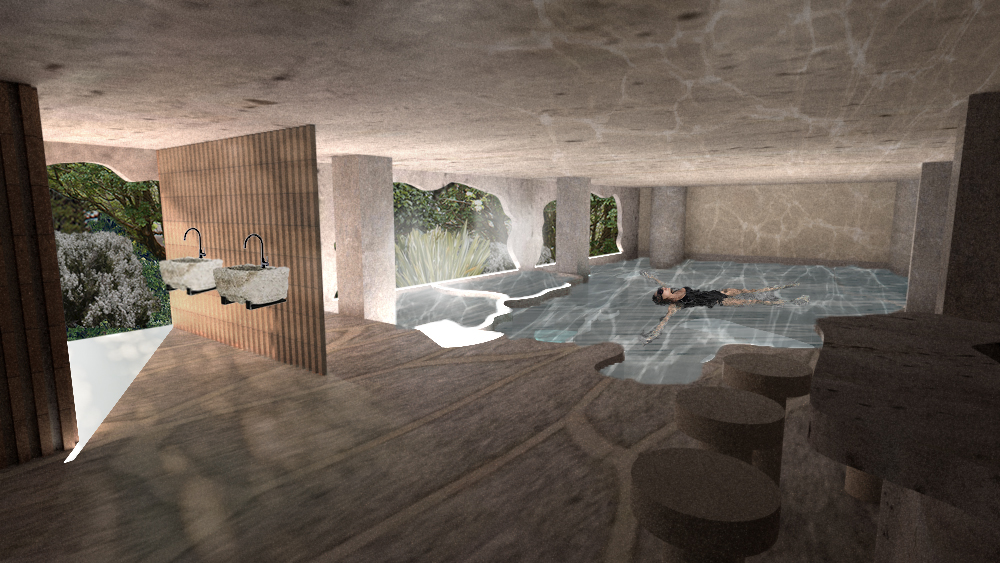
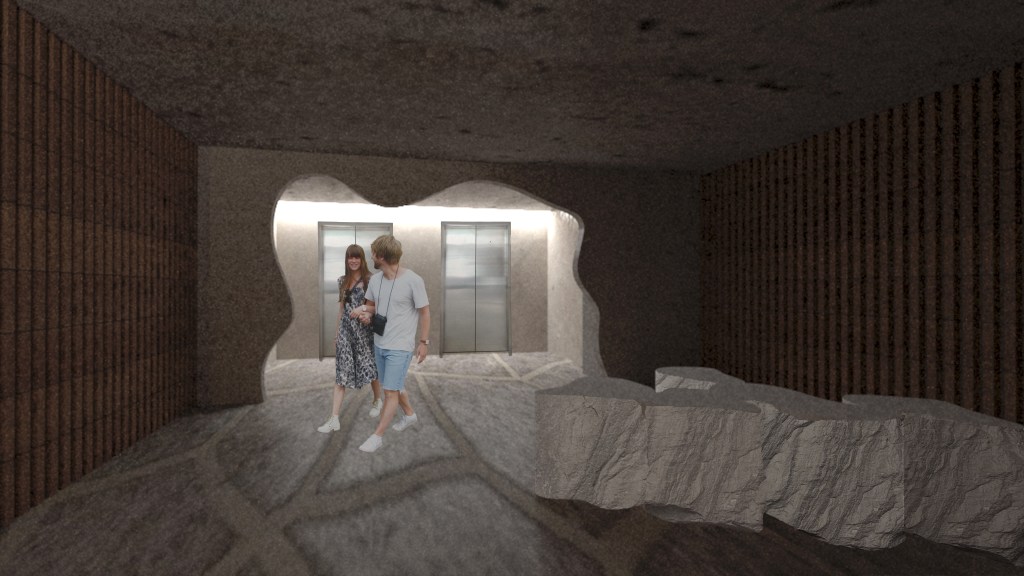
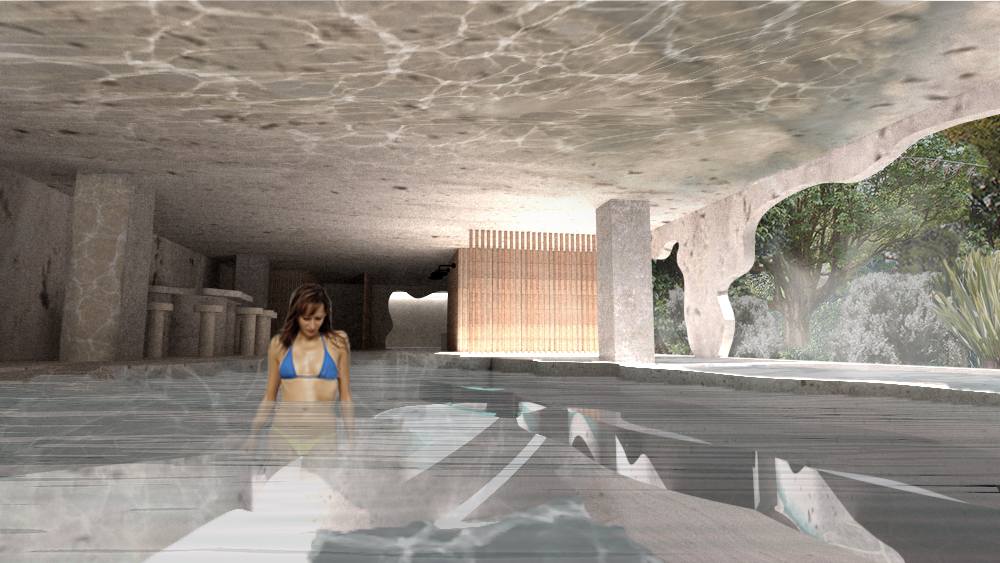
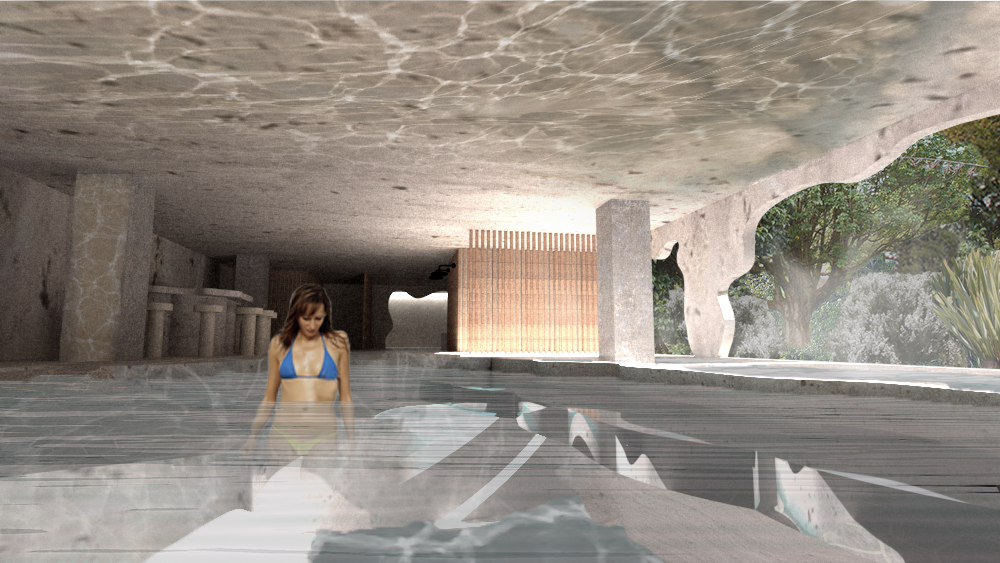
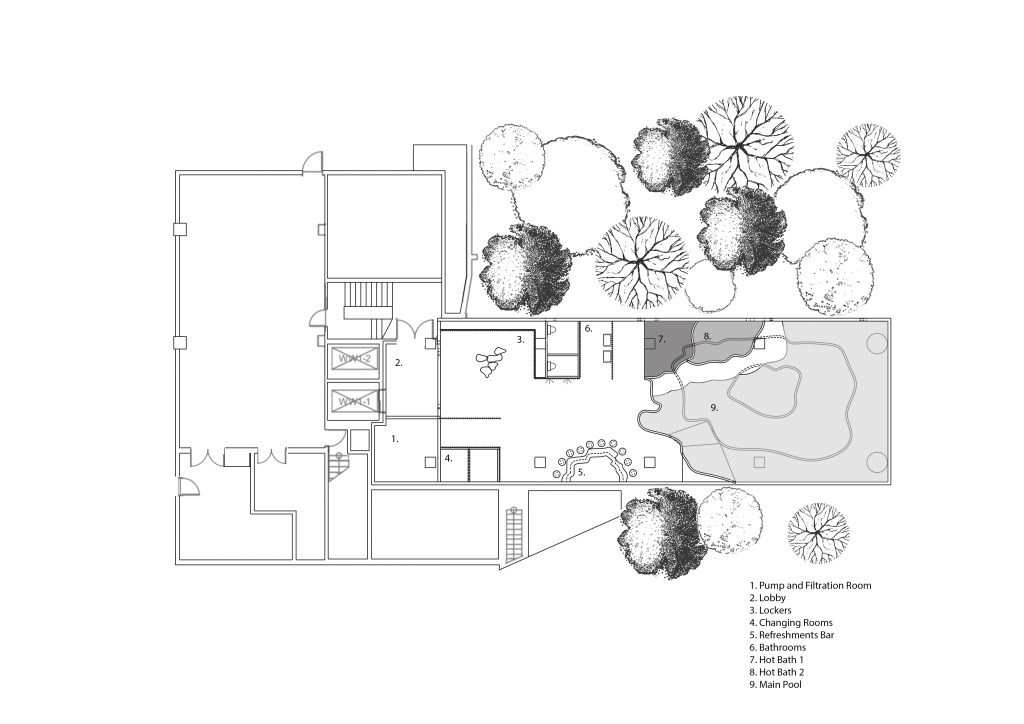
My Bathhouse design is a quiet, peaceful place for bathers to come relax and reconnect with nature. Everything within the space is soft and organic in shape and in material. The space invites bathers to interact with the space through the mark making of water on the matte surfaces.

Report:

My design emulates a natural rock pool with staggered levels drawing you deeper into the pool allowing space to sit, swim and dive. The main pool is the temperature of the spring it has come from. Within the pool there are two smaller pools which are heated providing more than one option for the bathers experience. 

In my bathhouse I have created an atmosphere of a natural oasis hidden away, allowing bathers an escape from the city. From the moment you enter the space you are enveloped into an organic bathing experience that touches all the senses.

Everything you touch in the space has come from our native environment. You can hear the birds and insects in the forest, you can feel the wind blow through the trees and see the natural dappled light dancing across the walls and floors.

I have implicated the principles of Kotahitanga, Kaitiakitanga and Wairuatanga into my design by heating the pool using solar power, pumping in water from the Waihorotiu Stream and collecting rainwater from the building to supply the pool and using a natural filtration system of Sphagnum Moss. This process connects the space to Rangi-nui.

In the construction of this space everything that can be sourced second hand will be used in its construction. We will use recycled wood to build the lockers and trimmings, concrete in the flooring etc. By recycling materials we are achieving a positive environmental impact – Kothitanga. All materials will be sourced locally to create a connection to Papatuanuku within the space.

The effect of these details, partnering with the forest, connects the space to our earth. It is a place where your spirit can be still and find a moment of peace amongst the hustle and bustle of Auckland city. You can be transported to the native NZ bush without leaving the city.

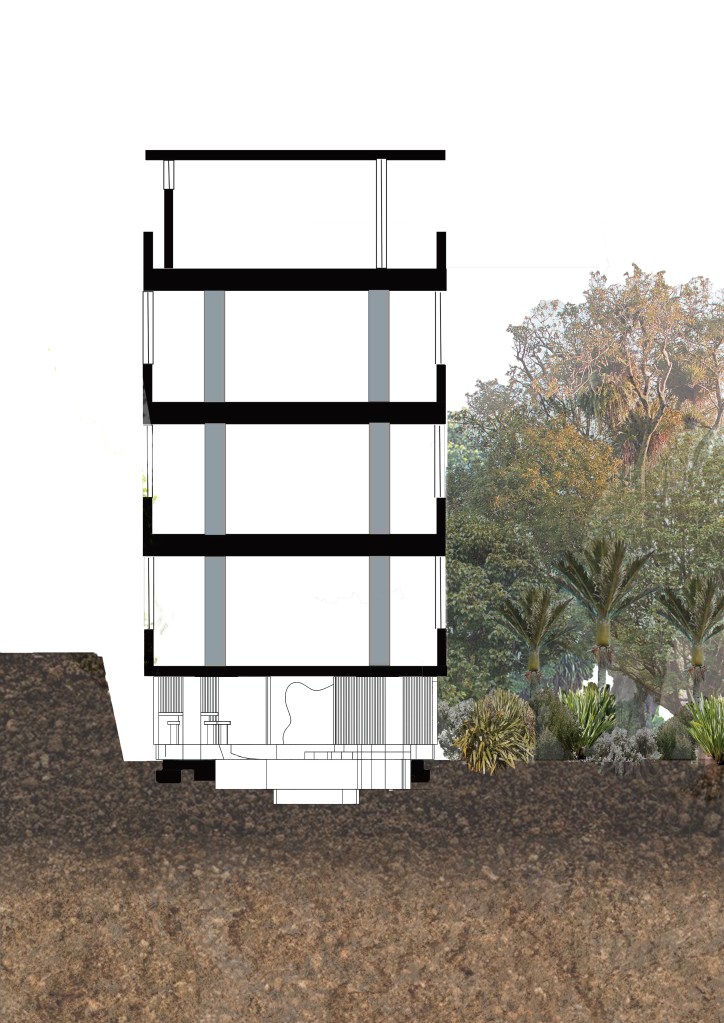
The open exterior wall brings the outside forest into the space creating spaciousness and enhances the concept of nature bathing allowing the bather to experience the outside whilst still being in an indoor bath. The effect this has on your senses also enhances this concept. You can smell the earth, hear the bird song and see the foliage sway in the wind.

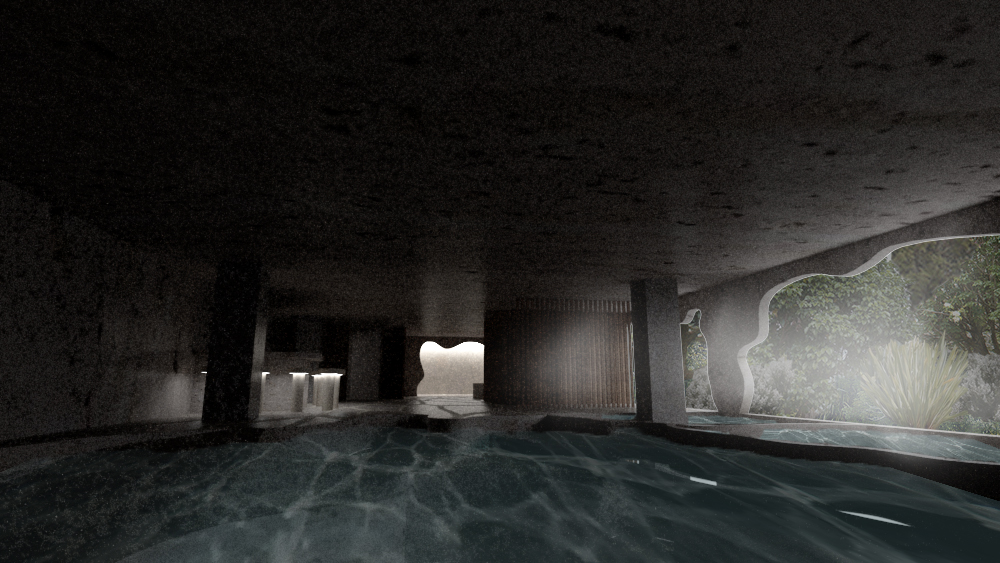
As the sun sets and the natural light is no longer able to light the bathhouse, the refreshments bar will softly light up allowing bathers enough light to navigate the space whilst not disturbing the natural rhythms of the earth.

The refreshments bar that will be stocked with eco friendly refreshments. Any waste that the bar creates will be compostable so can be buried in the forest to feed the plants and biodegrade – Kaitiakitanga.

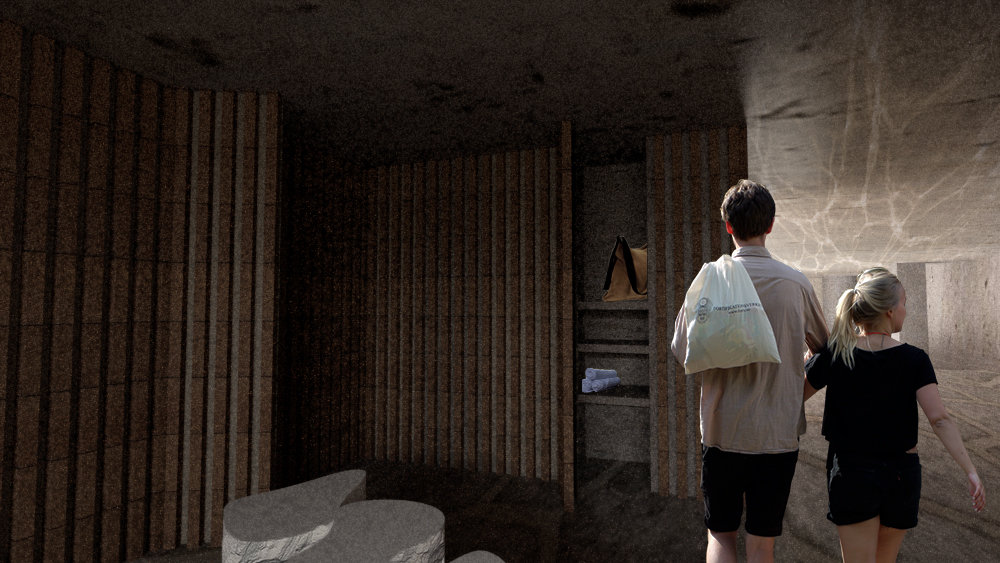
In front of the lockers is a rock formation seating area to rest on when transitioning from the lockers to the pool or vise versa. 

By using natural materials to construct the space and keeping the finishes of the walls natural, the space is one that is soft to touch and look at. It is very organic and untouched in its aesthetic and this allows the spread and mark making of water to be a striking contrast within the space.

This relationship of wet/dry allows the bathers to bring the space to life and make their mark within the space connecting them to the space and our natural environment through the space.

Pepeha:

Ko Pukematekeo te māunga

Ko Waitakere te awa

Nō Tamaki Makaurau ahau

Ko Sara tōku ingoa

Project 4: Time

Year 1 Studio

My space is strongly themed around a natural cave or watering hole. With this in mind, as the space transitions from day to night, I have kept the lighting very minimal.

There is a light in the entrance for bathers to find their way into the space and in the evenings a light under the refreshments area will come on allowing enough light for bathers to find the pool.

The soundscape of my bathhouse will be very organic. The open windows will allow birdsong, wind in the trees and the chatter of insects to be heard from the pool as well as the movement of water as bathers move at all times of day.

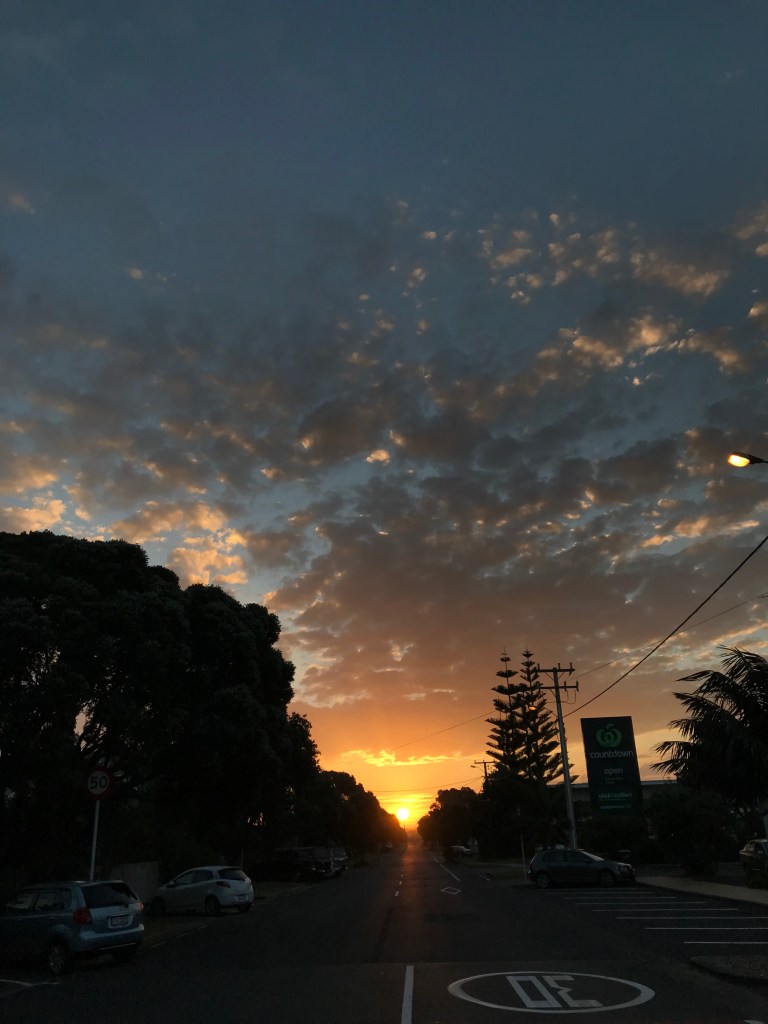
In exploring the effect time has on a space I went for a walk on Orewa beach at sunset. I observed that the dark brings quiet and rest to the beach. Even the birds and insects seem to go to bed. I found the quiet very peaceful and having such vast stillness in an open space was very calming. I will try and emulate this effect in my design by keeping the sounds that are heard organic, created by the bathers and the forest. I will keep the temperatures organic allowing the water in the main pool to be temperature controlled by the sun. I will also leave the windows open at all times to allow bathers to feel any wind that comes into the space and I will keep the lighting as natural as possible to allow the natural rhythms of the earth to play out within the space.

Orewa at Sunset

Project 4: Detail

Year 1 Studio

The relationship that the space has when wet versus being dry will create a gloss in an otherwise matte space. You will be able to see footprints, hand prints and any marks made from a bather after they have entered and exited the baths. The bather brings the space to life, leaving their mark until the water gets evaporated.

The pool will act as a mirror to the forest drawing the nature into the space. when puddles form this will continue this theme throughout the space. as light filters through the space the water will also carry it further into the space by bouncing it onto the walls and ceiling.

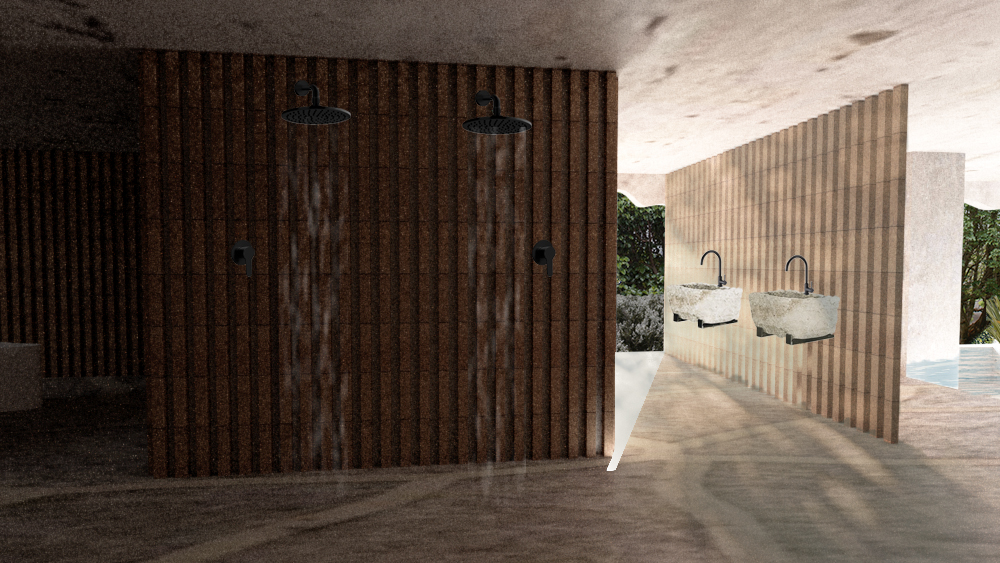
The details in my bathrooms will be stone sinks with matte black taps similar to the image below. Having a matte tap and stone sink makes washing your hands a soft to touch experience. It also allows the bather to bring the gloss of water into the space continuing the wet/dry relationship and partnership the space has with the bather.

Stone bathroom sink on a wood vanity, great example of biophilic design.

The other details in the bathroom space such as the toilet, toilet paper holder and shower heads will also be matte black.

The edge conditions of my pools are that of a natural rock pool going deeper in exaggerated steps as you move toward the centre of the pool.

Blue Hole, Leakey, Texas. I want to go see this place one day. Please check out my website thanks. www.photopix.co.nz
Blue Hole HEB Camp, Leakey Texas

To help with anyone with mobility issues I created a ramp from the floor to the first step of the pool to make it more accessible.

To make access easier to the two different hot pools I designed a glass walkway that traces around the two pools, sitting just below the surface of the water. To avoid any slipping I will use acid etched glass with a soft flowing pattern on it to continue the use of soft lines whist also achieving bathers safety.

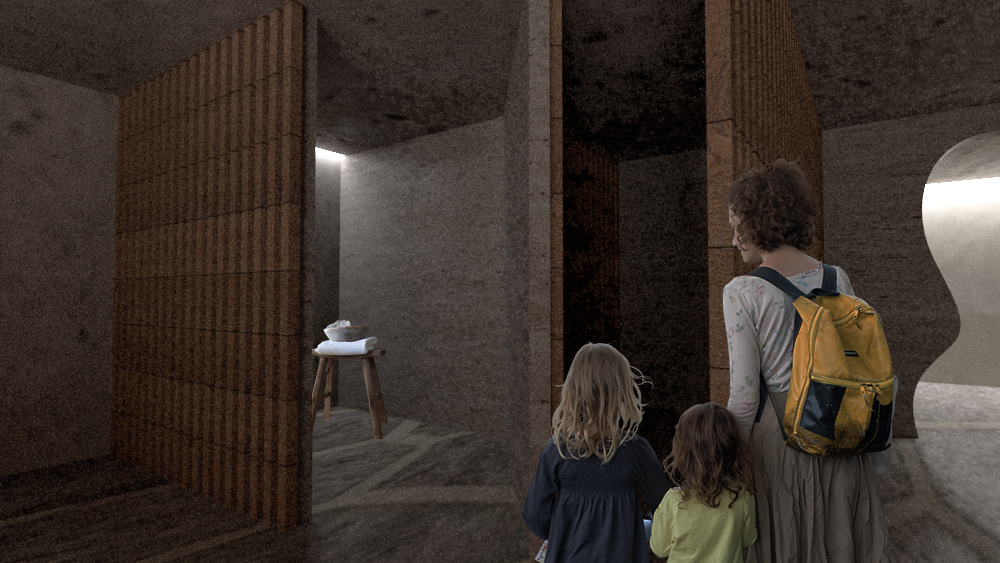
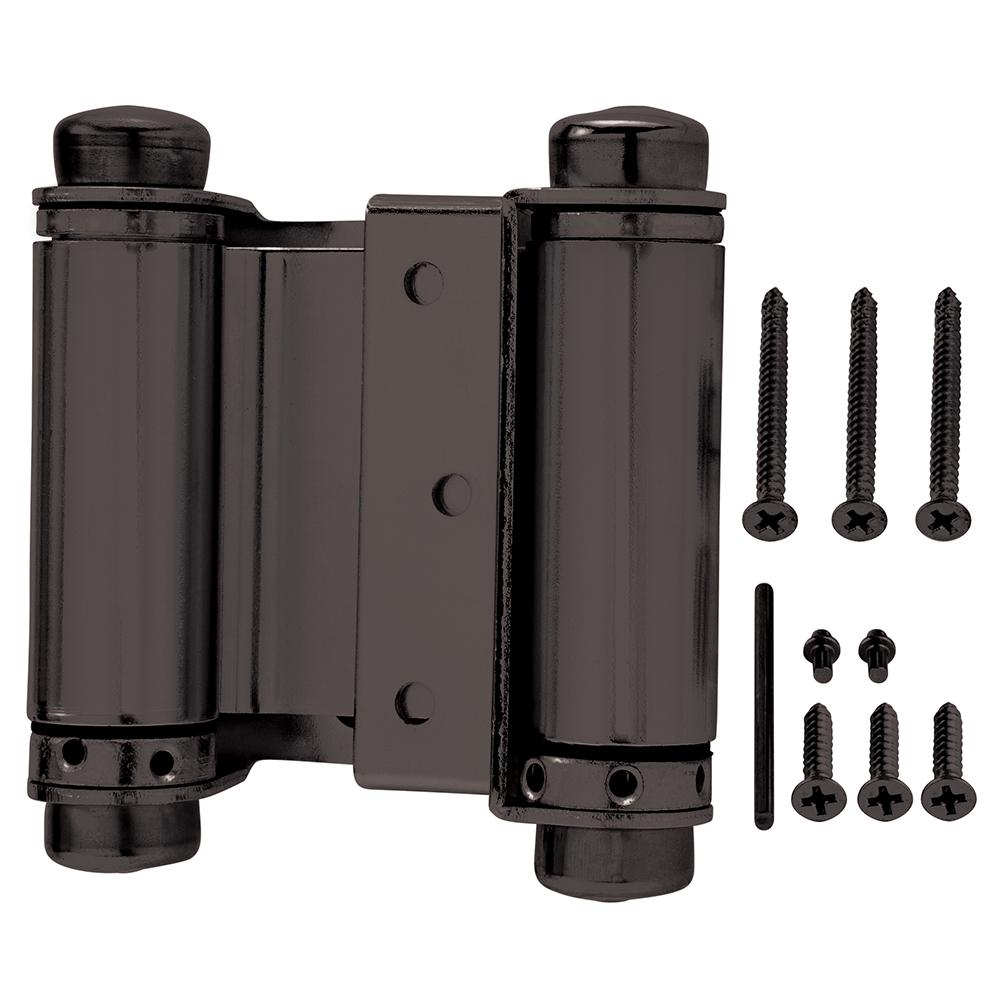
The doors to the changing rooms and bathrooms don’t have handles and will be on hinges that can swing in both directions. This encourages bathers to explore the space and touch and interact with it.
Image result for hinges that go both ways
Double Action Hinge

On the lockers there will also be no handles or door knobs. I will use magnetic push catchers so you have to press the locker to open it. Again encouraging the relationship between the bather and the space and the mark making with water.

Image result for magnetic push catch nz
Magnetic Push Catch

Project 4: Final Model

Year 1 Studio

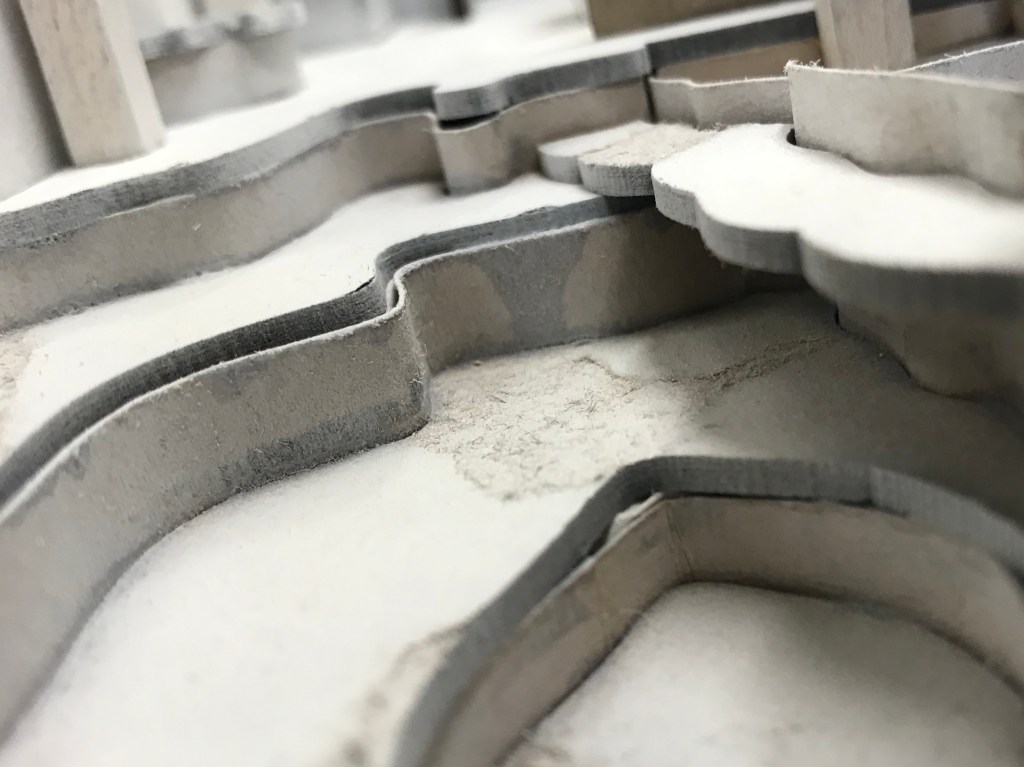
I laser cut my final model into a 2mm thick card to create a solid model that clearly communicates my design and is easy to pass around the group, unlike my previous model that was very flimsy.

I used super glue to bond the edges together and in places that needed more reinforcement I used some masking tape.

Once constructed I painted the model white to make it look a bit cleaner and more cohesive.

Project 4: Materiality

Year 1 Studio

I made a colour way to focus in on my materials, textures and colour pallet.

In researching into the exact materials I will use for my bathhouse I considered Kotahitanga. I will recycle the concrete that gets excavated the the building of the new bath house as the new floor fitting the pieces together, buffing them down to a smooth, clean surface and using an off white grout to fill in the gaps.

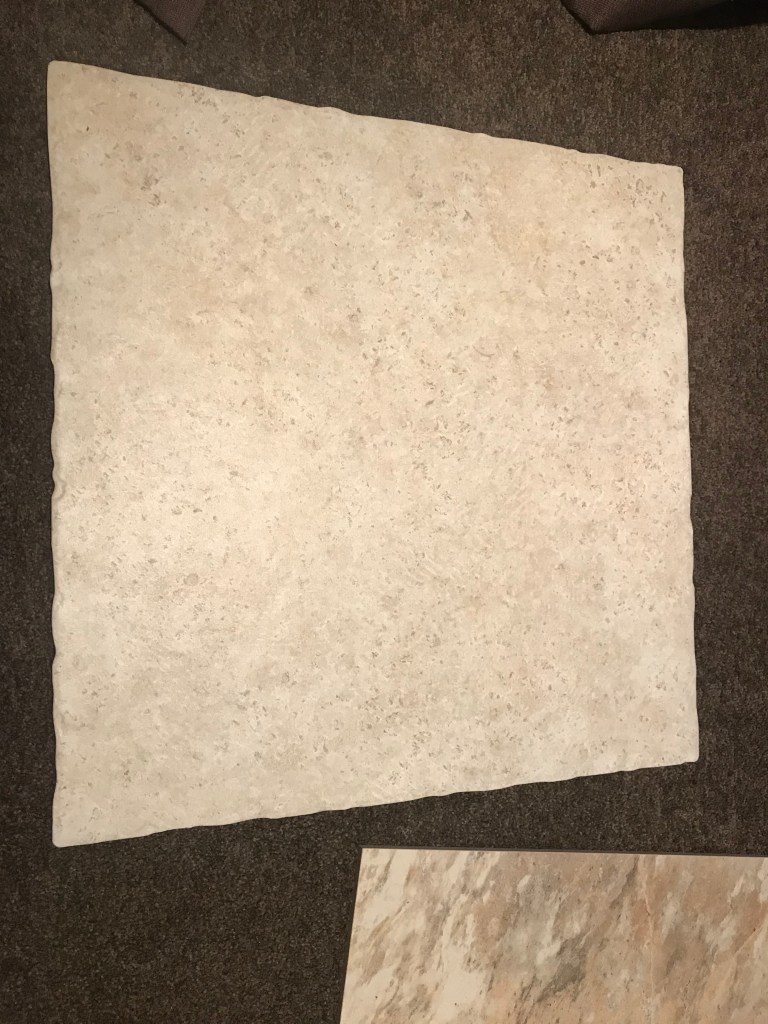
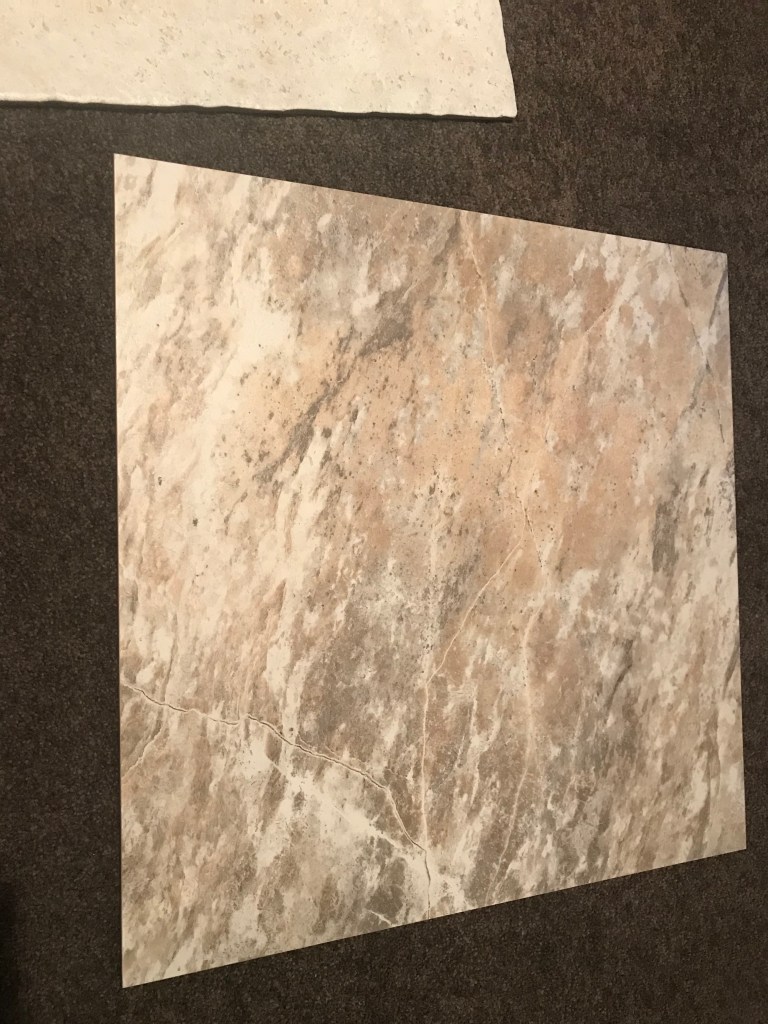
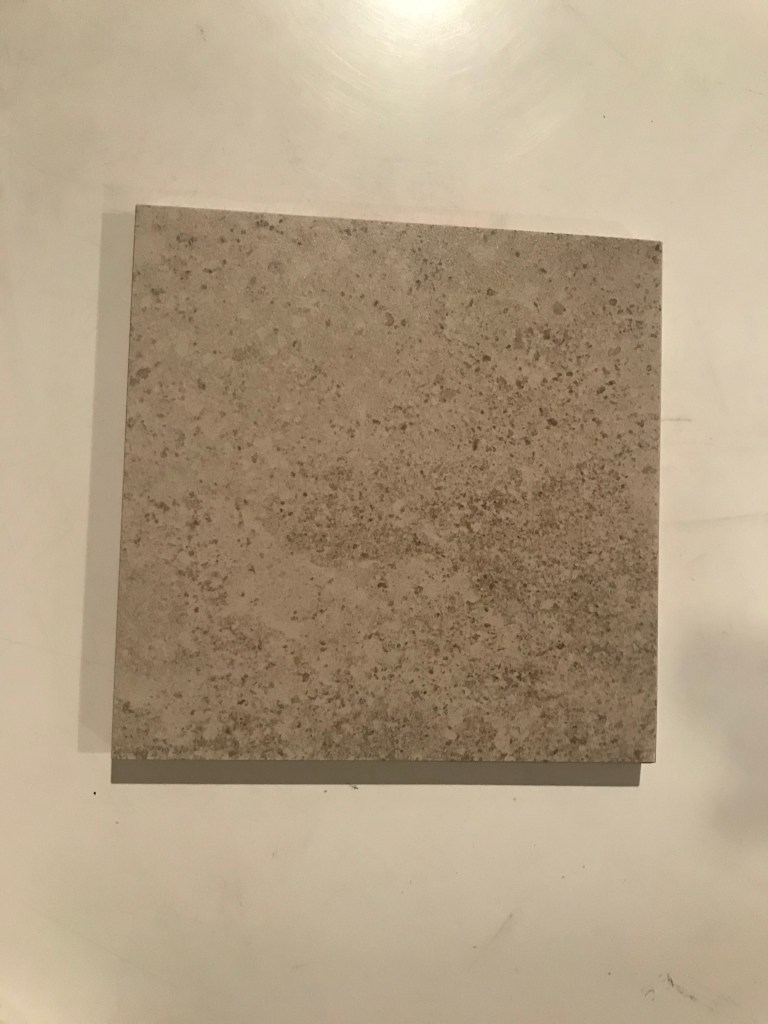
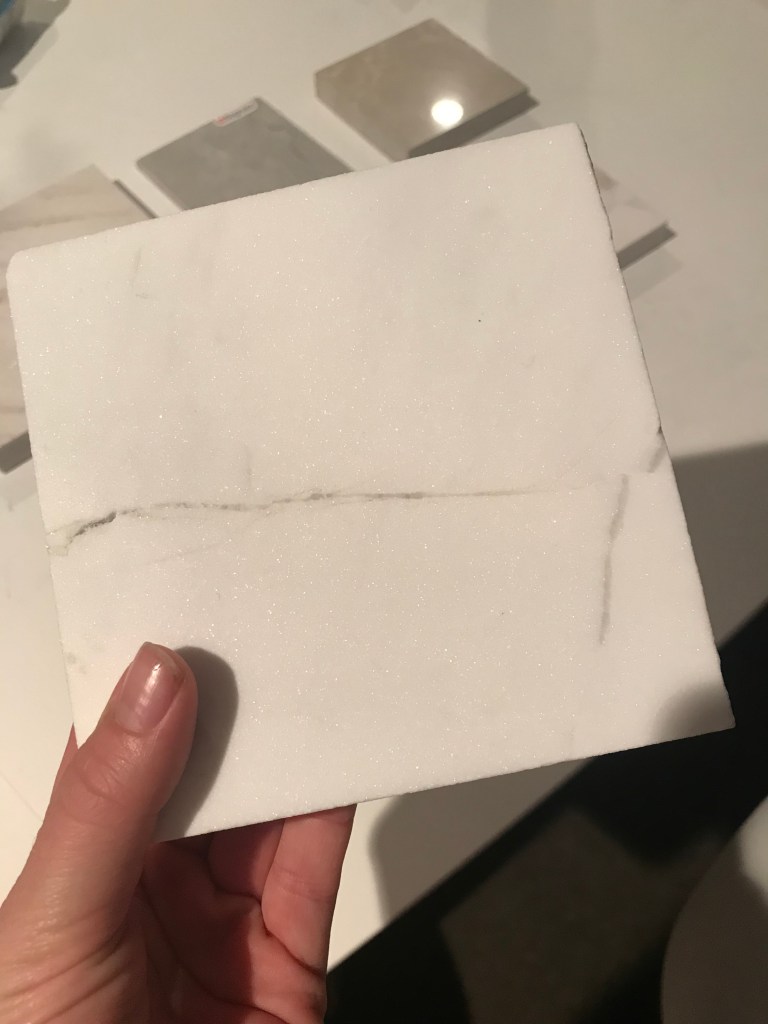
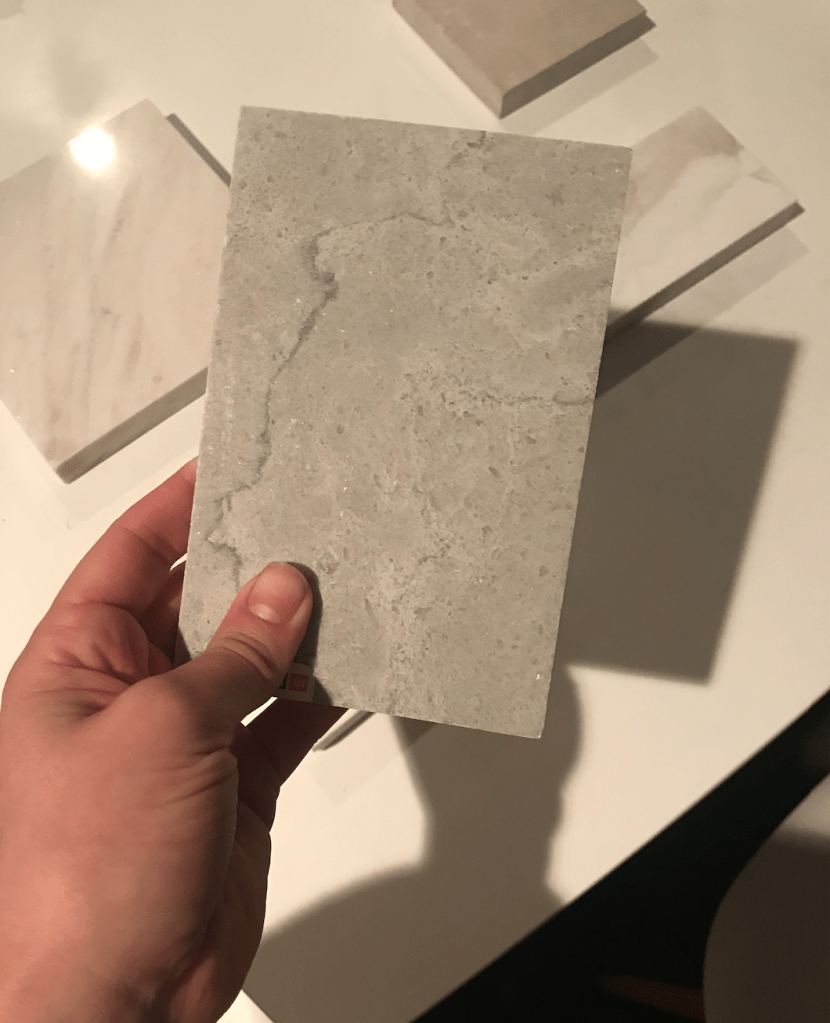
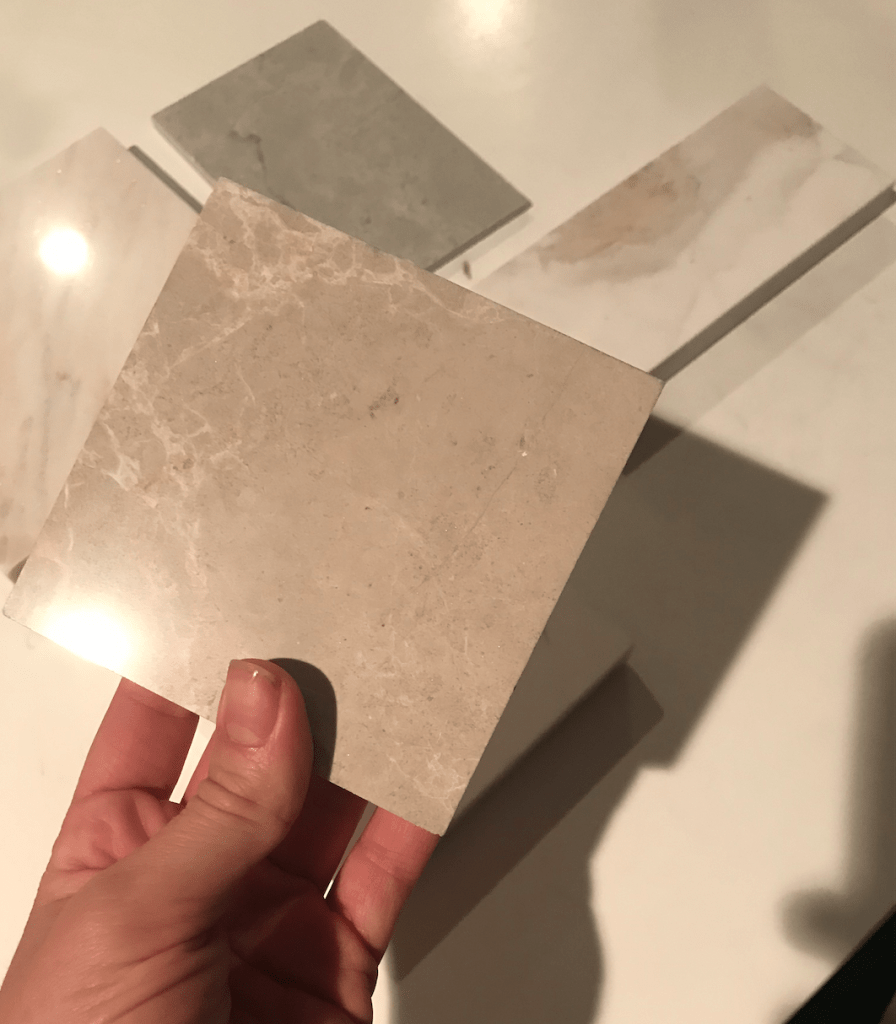
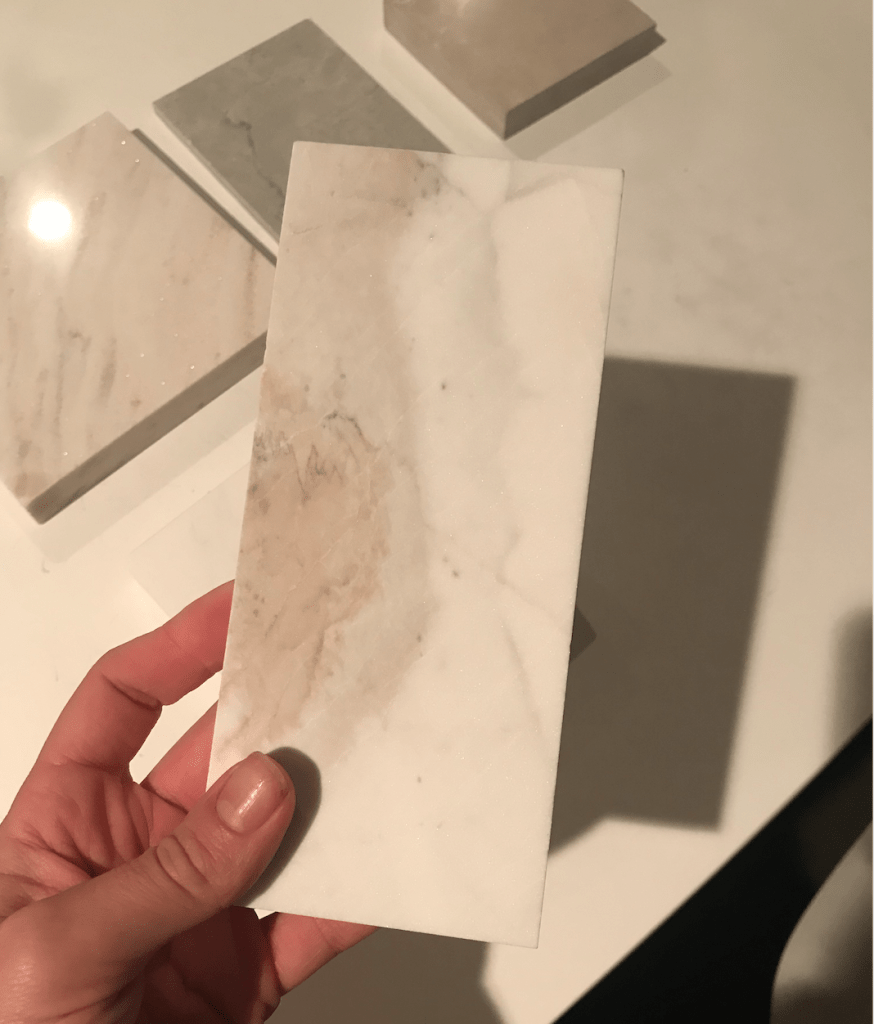
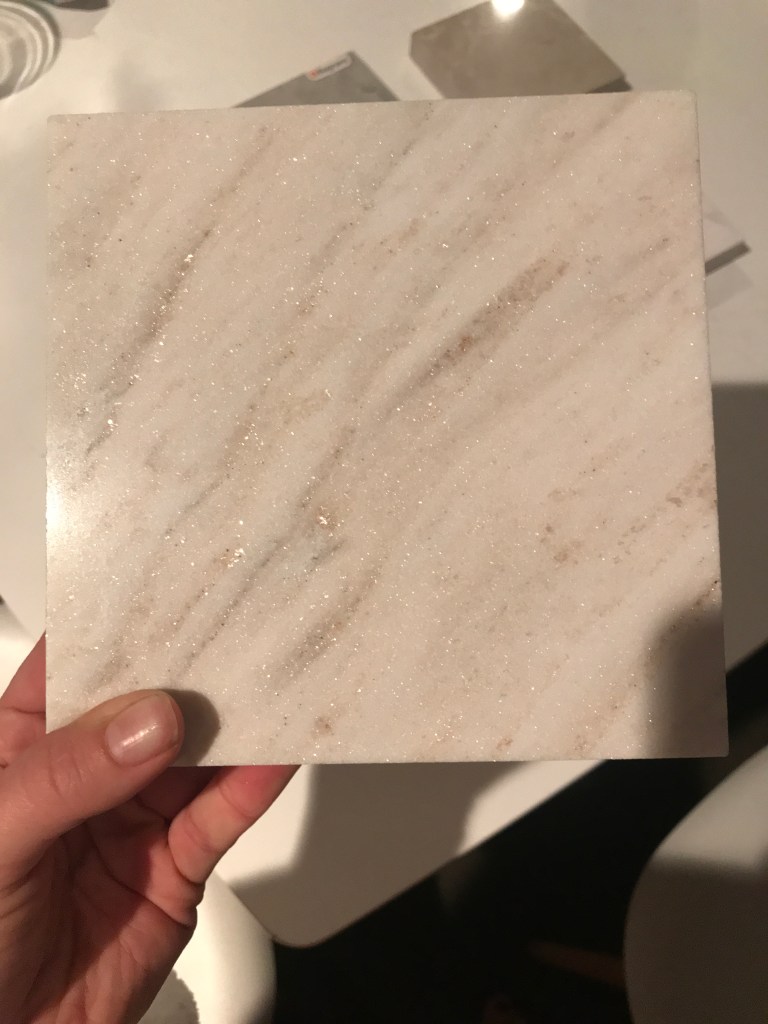
I gathered samples of different ceramic and stone tiles in different colours and textures that could be on my walls.

I didn’t like the texture of the ceramic tiles. They felt too manufactured and I was wanting something more natural.

I liked the stone samples much better. They had a nicer weight and touch. The samples that I collected were mostly very polished and clean. There was one marble sample that had a matte finish which made me consider getting custom stone slabs cut to keep the natural rough finish of stone.

I found a native stone, Hinuera, that is excavated in the Waikato that has a beautiful colour and texture. It features bits of pumice as it is a volcanic stone. It is both durable and low maintenance, with insulation properties. Hinuera Stone also has a high grip rating (.81) making it ideal for wet areas. https://www.hinuera.co.nz/products/cladding

Image result for hinuera stone
Hinuera Stone

This stone would add texture to the walls and compliment the bathing experience through its organic aesthetic and volcanic origins. Its warm creme colour is inviting and comforting allowing bathers to feel relaxed in the space.

https://archipro.co.nz/professionals/hinuera-natural-stone/info

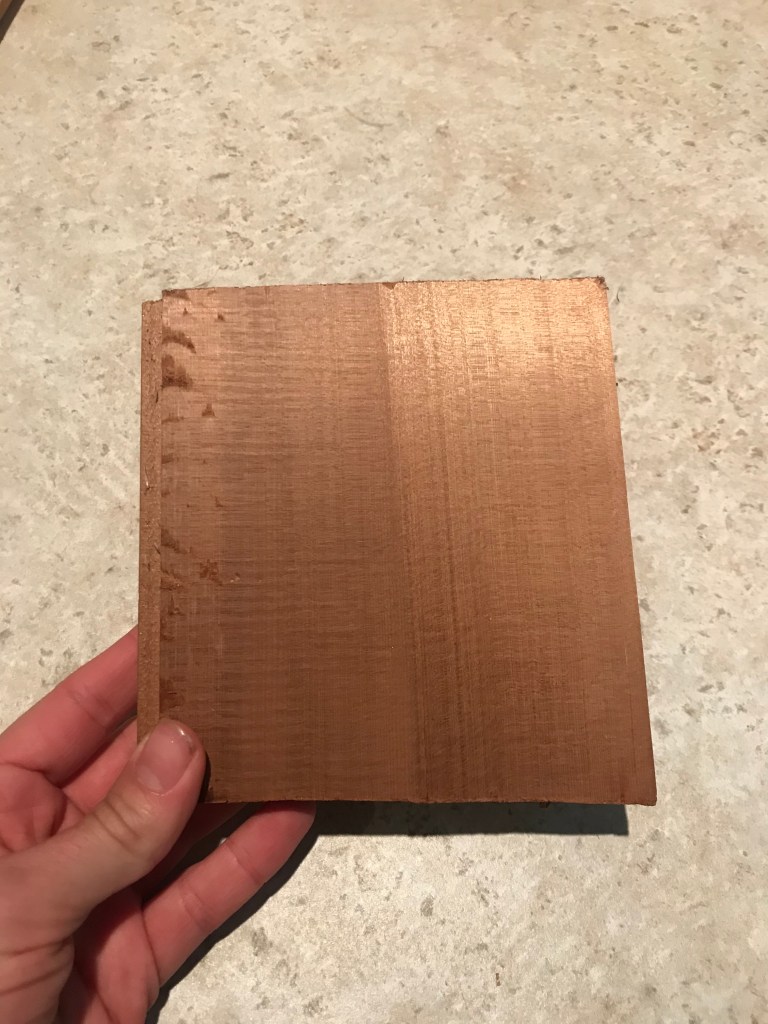
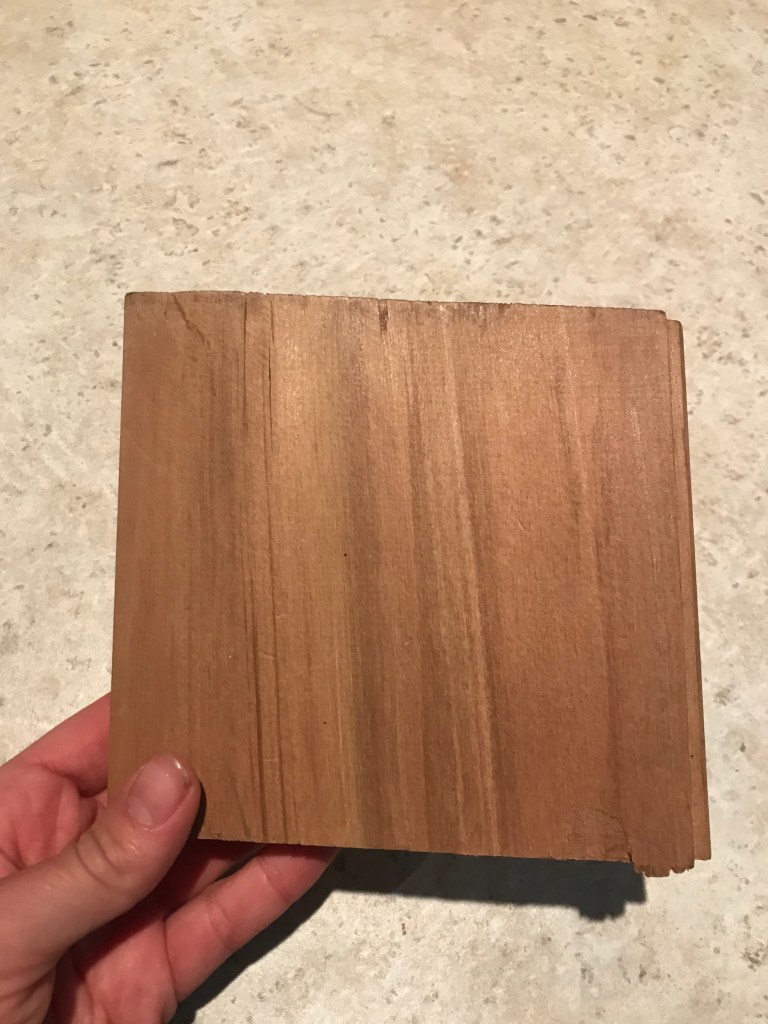
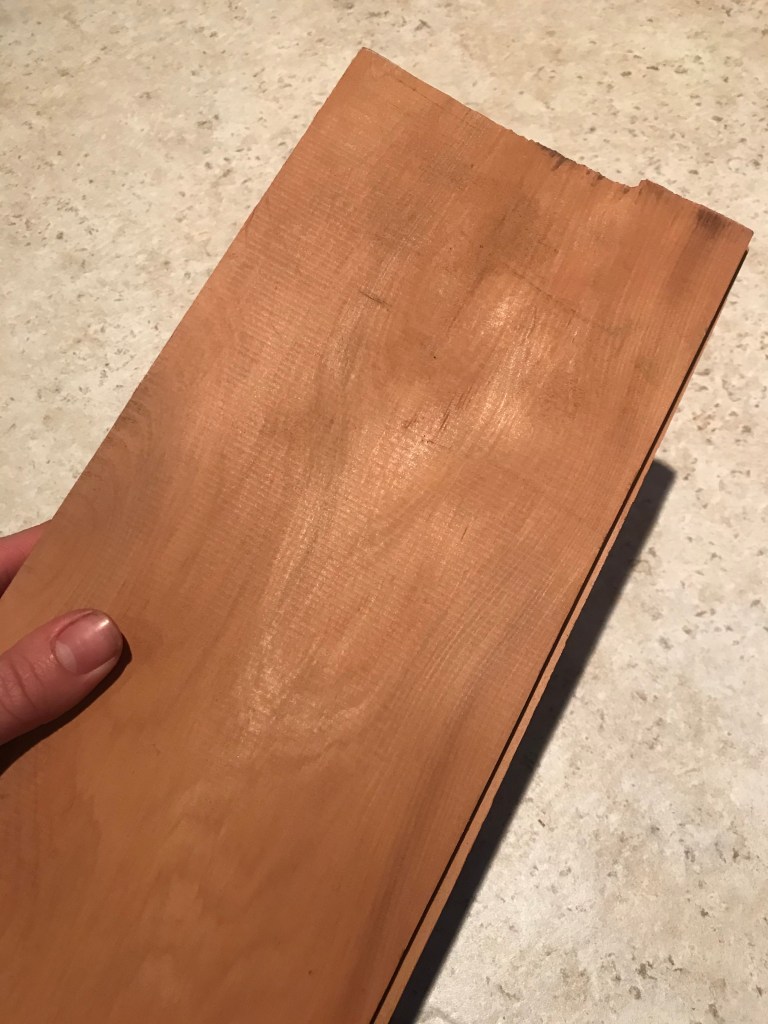
For the wood trimmings and screens I will source recycled timbers such as Rimu, Kauri and Matai from business that source recycled timber such as Zero Energy House (https://zeroenergyhouse.co.nz/recycled-timber).

These woods are a rich warm brown and are native to our land.

I will varnish the wood in a golden brown varnish to protect the timber from the moisture in the space and give it a clean, warm finish. Having native timber brings Wairuatanga into the space by bringing in the natural NZ environment.

The wood brings a depth of colour continuing the warmth of the room, adding texture and creates a sense of drawing the forest into the space but in a clean cut and organised form.

By recycling the concrete and timber I’m also applying Kaitiakitanga in the creating of the space.